What a Mining Conveyor Belt Is
A mining conveyor belt is the load-carrying element of a continuous haulage system built for rock, ore, coal, aggregate and other abrasive bulk materials. In practice, the same product is often called a heavy-duty mining conveyor belt or a bulk material conveyor belt, and those names point to the same assembly: a rubber-covered carcass that runs over idler rollers and around conveyor pulleys. The belt is not a simple strip of rubber. Its job is to survive sharp edges, heavy lumps, dust, moisture and long operating hours while tracking steadily on the structure.
The working environment shapes everything about the design. A quarry conveyor belt may face granite dust and impact from large stone, a coal mining conveyor belt needs flame retardant behavior underground, and a cement plant conveyor belt deals with hot clinker and fine alkaline powder. Each duty calls for a different balance of strength, cover compound and carcass construction, so buyers should describe the site rather than order by name alone.
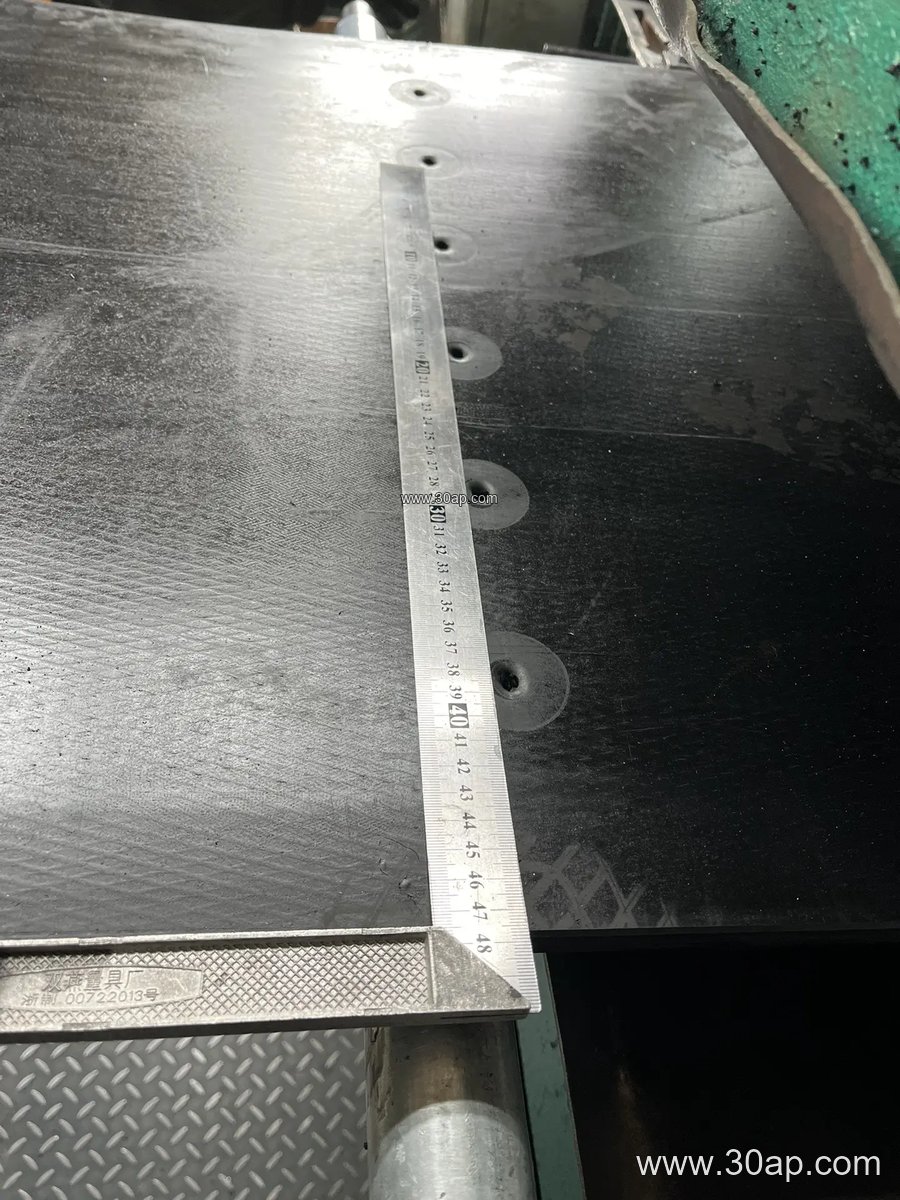
Construction and Common Configurations
The carcass provides tensile strength and resistance to stretching. Fabric cores use woven plies, while steel cord designs use brass-plated wires running longitudinally. Cover rubber protects the carcass from abrasion, cutting, heat, oil and fire, and the cover thickness is usually written as top plus bottom, for example 4+2 mm or 6+2 mm. Skim layers between plies keep the structure bonded, and edge protection reduces fraying at the sides.
Typical configurations on the market include:
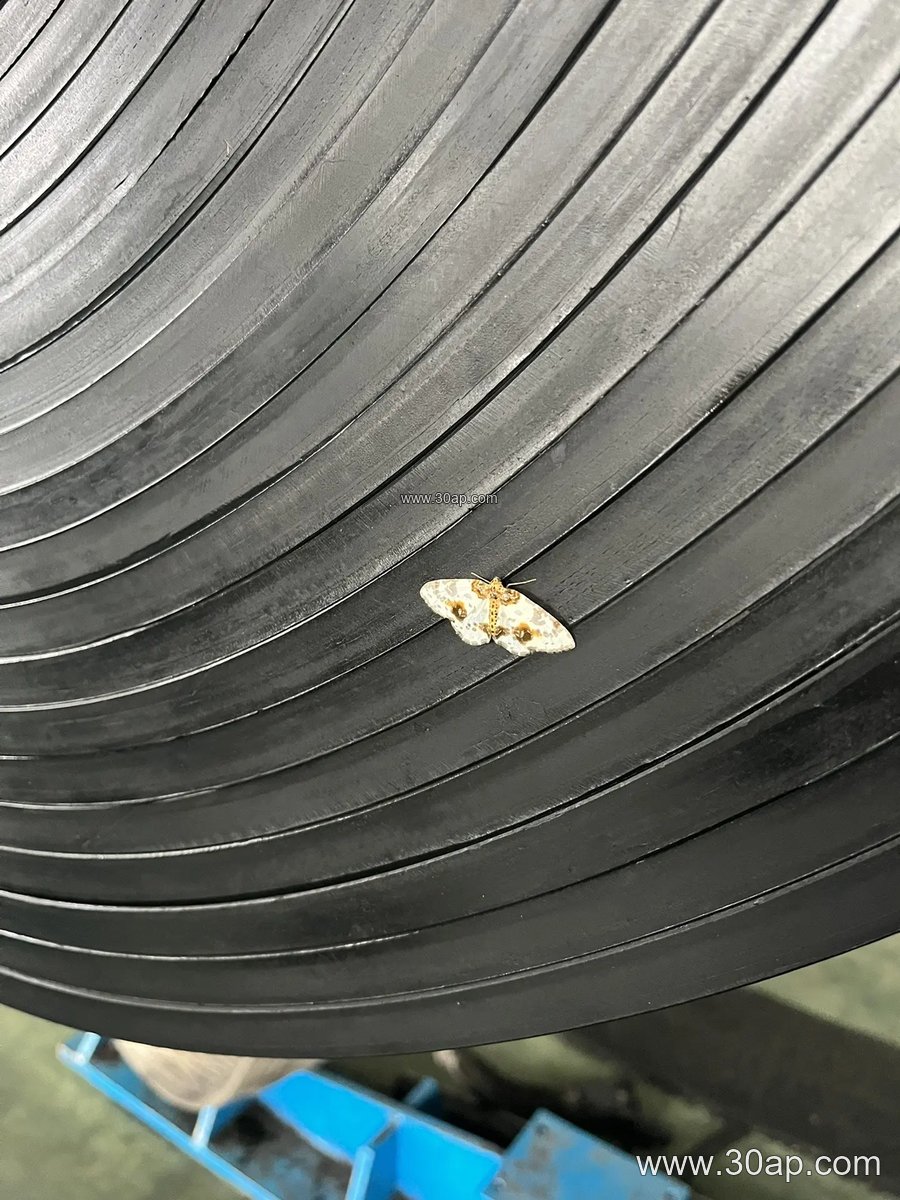
- EP conveyor belt with polyester-nylon fabric, commonly EP200 to EP1000 for general mining duty
- NN conveyor belt with nylon-nylon fabric, used where high flexibility and impact absorption help
- Steel cord conveyor belt such as ST1000 to ST2500 for long, high-tension routes
- PVG and PVC conveyor belt constructions for underground coal work where flame resistance is critical
- Specialty covers including abrasion resistant, heat resistant, oil resistant, cold resistant, anti-static and flame retardant grades
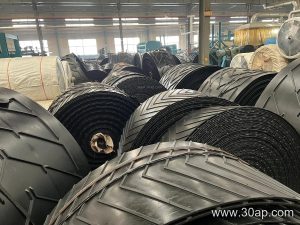
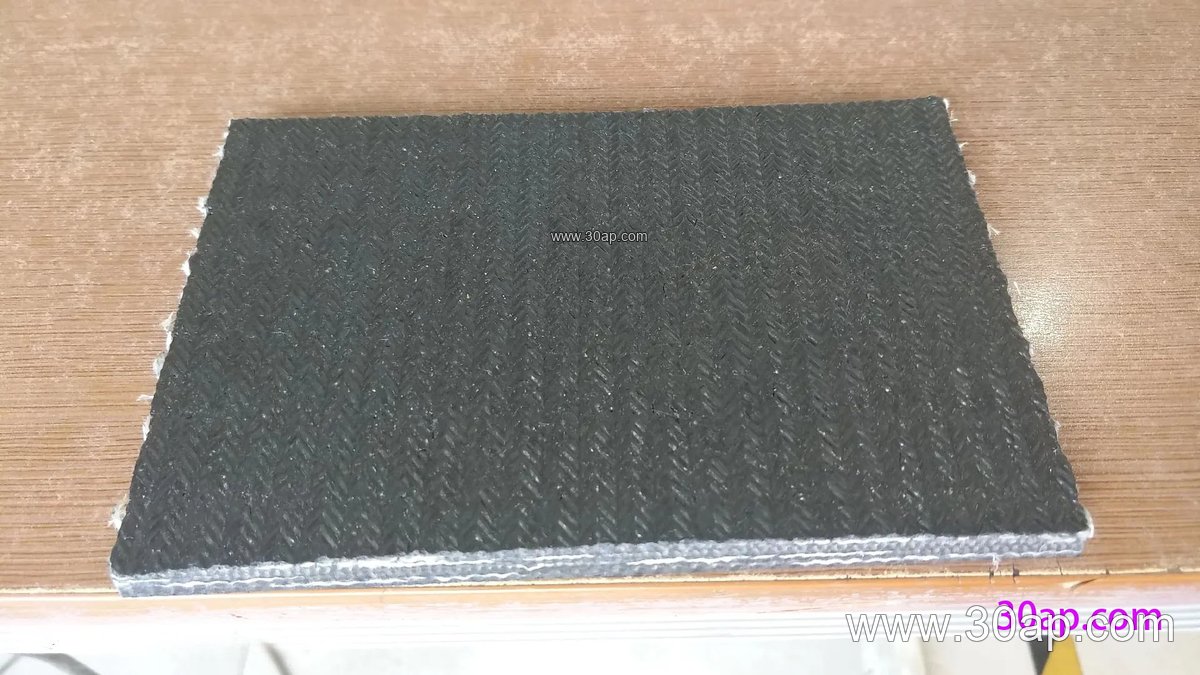
Surface forms change how the belt handles slope and spillage. A chevron conveyor belt with raised cleats grips inclined ground, a corrugated sidewall belt keeps material inside the edges, and a pipe conveyor belt forms a closed tube for dusty or curved routes. These are separate designs, not interchangeable with a standard flat belt, and they should be chosen from the path layout rather than as an afterthought.
Where Mining Belts Are Used
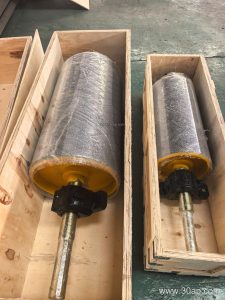
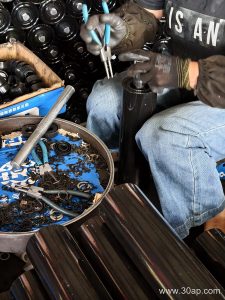
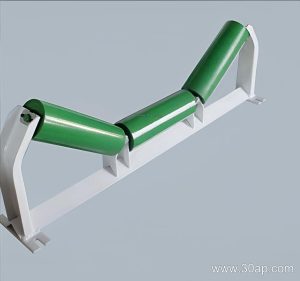
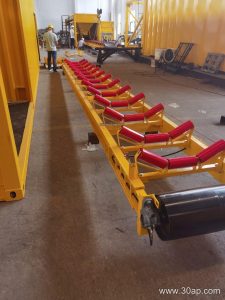
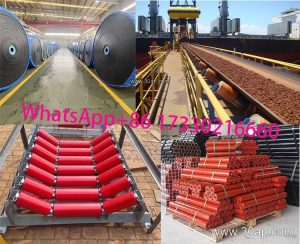
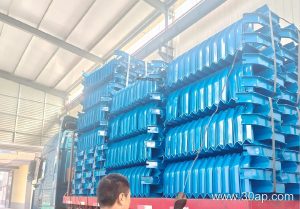
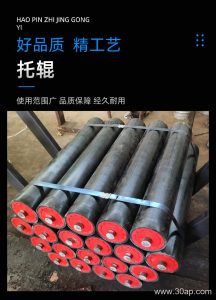
These belts move material in underground mines, open-pit operations, coal preparation plants, cement works, power stations, steel plants, ports, sand and gravel yards and stone crushing lines. A crusher conveyor belt carries freshly broken rock with sharp edges, an ore conveyor belt handles iron ore, copper ore or gold ore, and a ship loading conveyor belt runs at high capacity over long distances. In each case the belt works with conveyor pulleys, idler rollers and conveyor brackets that must match the belt width, tension and troughing angle.
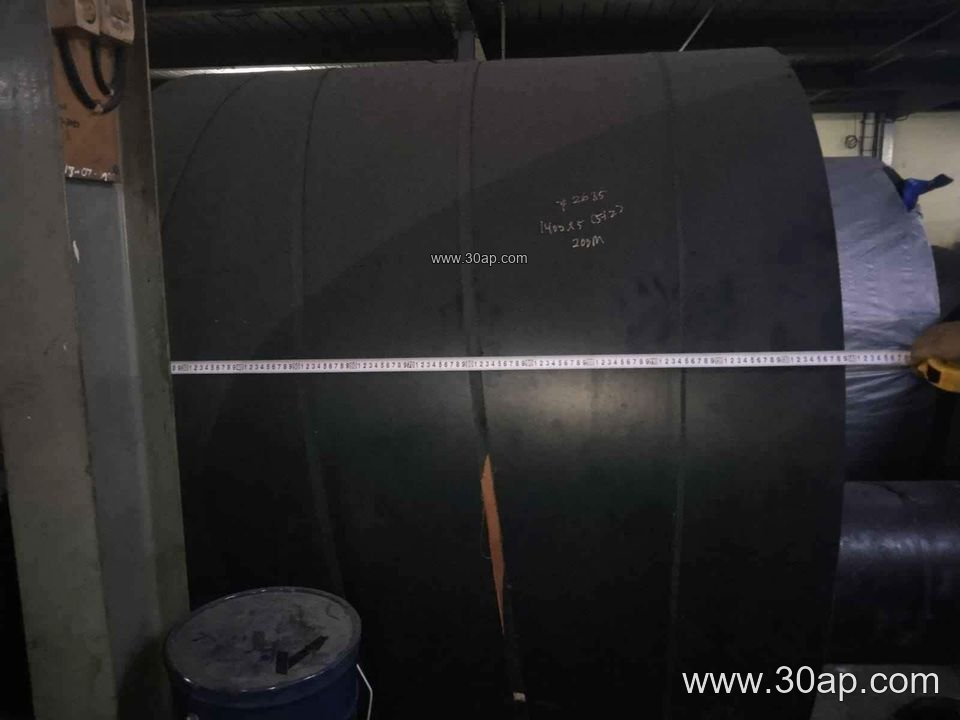
Width selection follows the tonnage, lump size and loading method. Common widths include 650 mm, 800 mm, 1000 mm, 1200 mm, 1400 mm and 1600 mm, with wider belts such as 1800 mm or 2000 mm used on high-capacity trunk routes. Belt width and pulley diameter are matched through engineering calculation, not by a fixed rule, so a 1200 mm belt may run on different pulley sizes depending on tension and wrap angle.
Specifications Buyers Should Compare
Use the table below as a reference framework when requesting quotations. Values are common ranges and should be confirmed against the actual conveyor design.
| Parameter | Typical reference | What it affects |
|---|---|---|
| Belt width | B500 to B2000 | Capacity, lump size, structure width |
| Fabric grade | EP200 to EP1000; NN100 to NN400 | Tension rating and number of plies |
| Steel cord grade | ST1000 to ST2500 | Long-distance, high-tension haulage |
| Cover thickness | 3+1.5, 4+2, 5+2, 6+2, 8+3 mm | Wear life, impact and cut resistance |
| Ply count | 2 to 6 layers, by design | Strength and flexibility |
| Cover type | Abrasion, heat, oil, flame, cold, anti-static | Material and site compatibility |
For a high abrasion resistant conveyor belt, ask about cover hardness and tear resistance rather than only tensile grade. For a heat resistant conveyor belt, state the material temperature and whether it is continuous or intermittent. For an underground coal mining conveyor belt, flame retardant and anti-static properties are usually mandatory, and PVG800S or similar grades may be specified by the mine plan.
Selection and Maintenance Notes
Start with the material: lump size, bulk density, moisture, temperature, oil content and abrasiveness. Then confirm the route: length, incline, curve, transfer points and start-stop frequency. Impact zones at loading points usually justify thicker covers or impact-resistant construction, while long overland routes favor steel cord belts to reduce the number of splices. Check that idler roller spacing and conveyor pulley diameters suit the selected carcass, and confirm the conveyor bracket dimensions before installation.
On site, keep the belt centered, maintain skirt rubber and cleaners, and inspect splices and edges regularly. A correctly specified mining conveyor belt still fails early if rollers seize or material builds up at transfer chutes. Buyers who provide a clear duty description, width, strength grade and cover requirement will get a more accurate recommendation than those who order by product name alone.