What an Endless Conveyor Belt Is
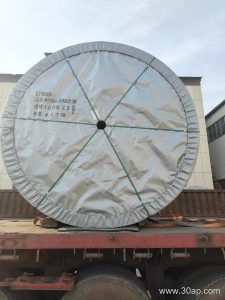
An endless conveyor belt is a closed-loop belt that is joined at the ends during manufacturing, so the finished belt has no visible splice when it runs on the conveyor. This construction is also called a spliced endless belt or a finished endless belt. It is used on fixed-length conveyors where a smooth, continuous carrying surface matters, such as in cement plants, power plants, and aggregate yards. Because the belt arrives as a completed loop, installation usually means lifting it onto the conveyor frame and fitting it around the pulleys rather than making a joint on site.
The belt itself is a composite: a fabric or steel cord carcass carries the tension, and rubber covers protect the carcass from the material being moved. In an endless build, the carcass layers are joined in a way that keeps the loop flat and even, which helps the belt track straight between the conveyor pulleys and idler rollers.
How the Loop Is Built
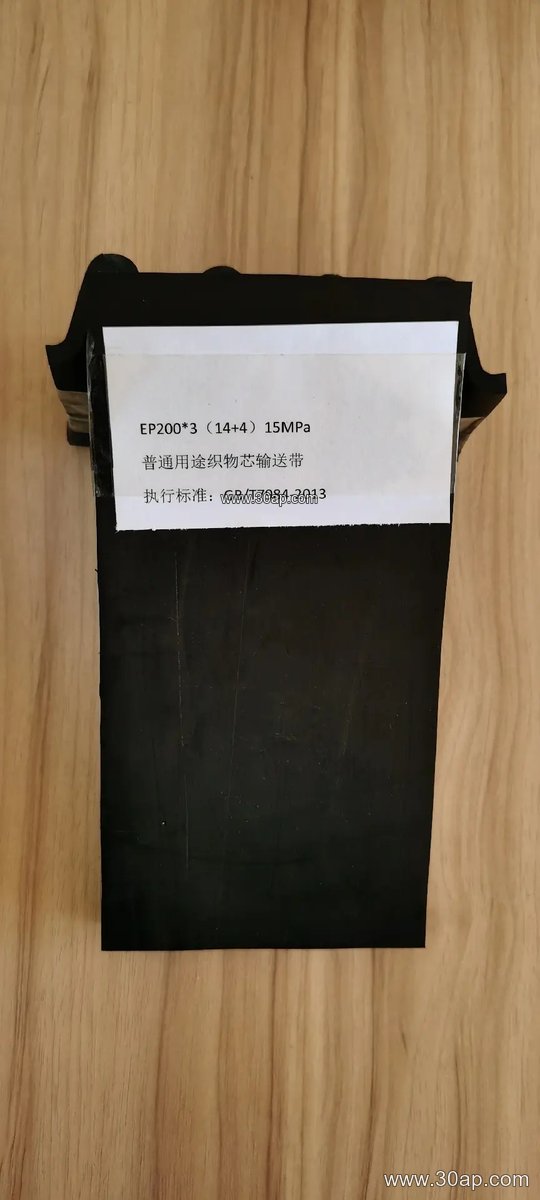
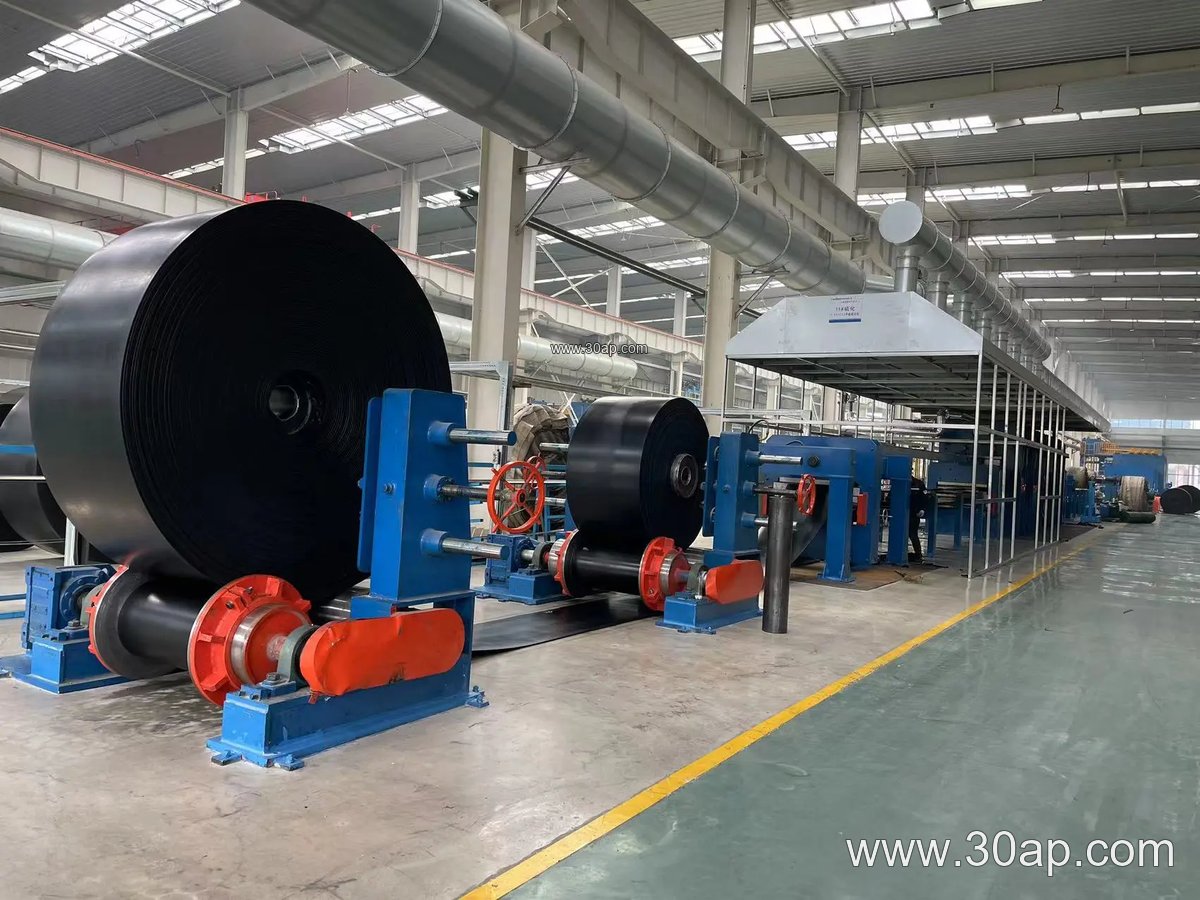
Manufacturers produce the belt as a flat length, then join the ends to form the endless loop. For fabric-core belts, the join is typically a stepped splice where the plies are overlapped and bonded. For steel cord belts, the cords are spliced at staggered lengths to spread the load. The finished loop is then trimmed and the covers are finished so the joint area has a consistent thickness.
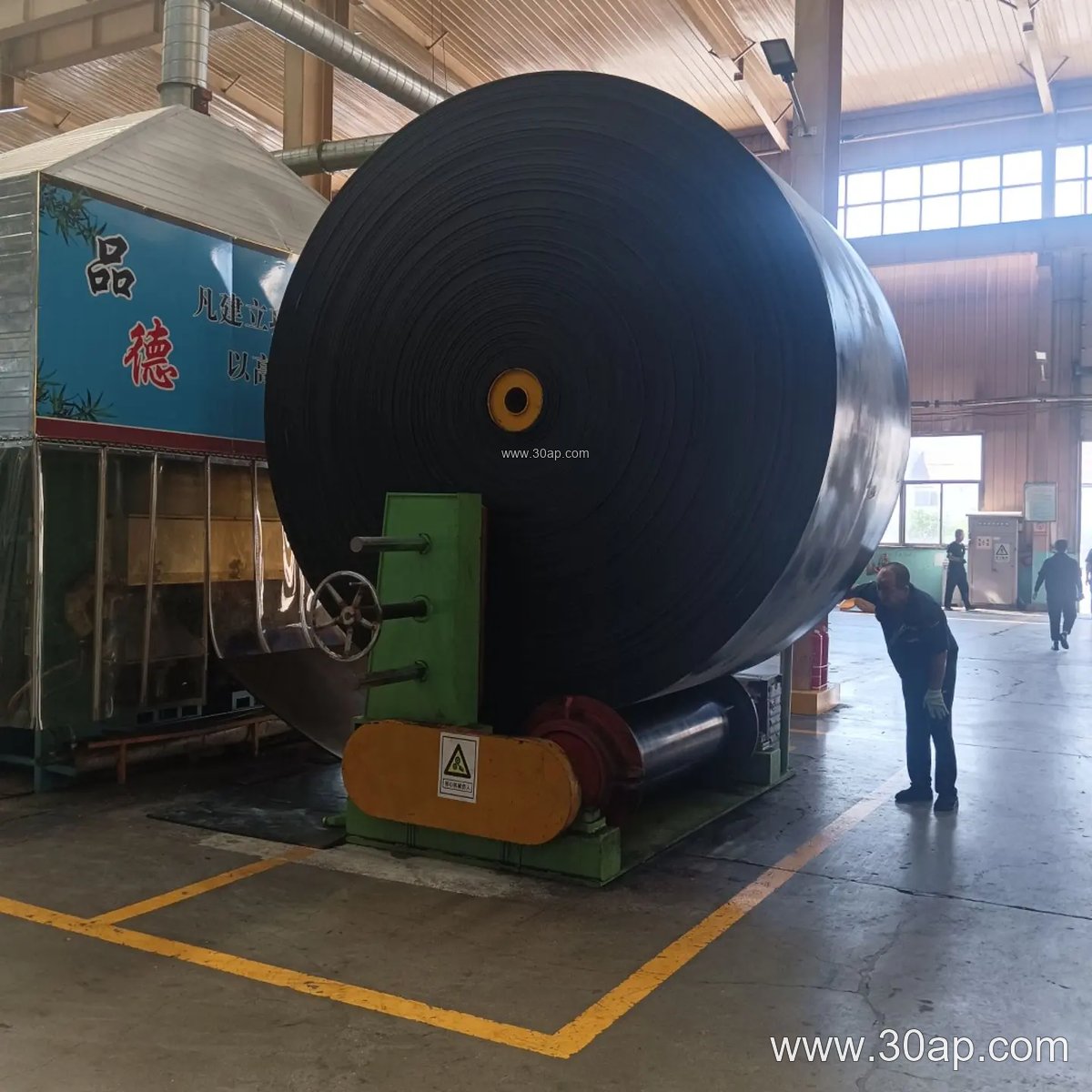
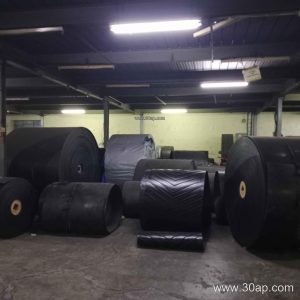
The carcass may be EP fabric (polyester warp, nylon weft), NN nylon fabric, or steel cord, depending on the duty. A multi-ply fabric core is common in general bulk handling, while a steel cord belt is chosen for long center distances and high tension. The belt edges are usually sealed to reduce moisture ingress. On some loops, a chevron profile or a corrugated sidewall is added before the final join, giving a Chevron Conveyor Belt or a Corrugated Sidewall Conveyor Belt in endless form.
Typical Duty Points and Cover Grades
The cover compound is selected for the material and the environment. Common grades include abrasion resistant, heat resistant, oil resistant, flame retardant, anti-static, cold resistant, and acid or alkali resistant rubber. In coal mining and underground coal mining, a flame retardant and anti-static belt is often required by site rules. In a cement plant or a quarry, an abrasion resistant cover usually handles limestone, clinker, and crushed rock. A heat resistant belt may be used for clinker or sinter that is still warm when it reaches the belt.
Cover thickness is usually written as top cover plus bottom cover, for example 4+2 mm or 6+2 mm. The carcass may have 2 to 6 plies in fabric constructions. These values are typical reference points, not fixed rules; the final choice depends on the conveyor design, the material size, and the drop height at the loading point.
Common Belt Widths and Strength Grades
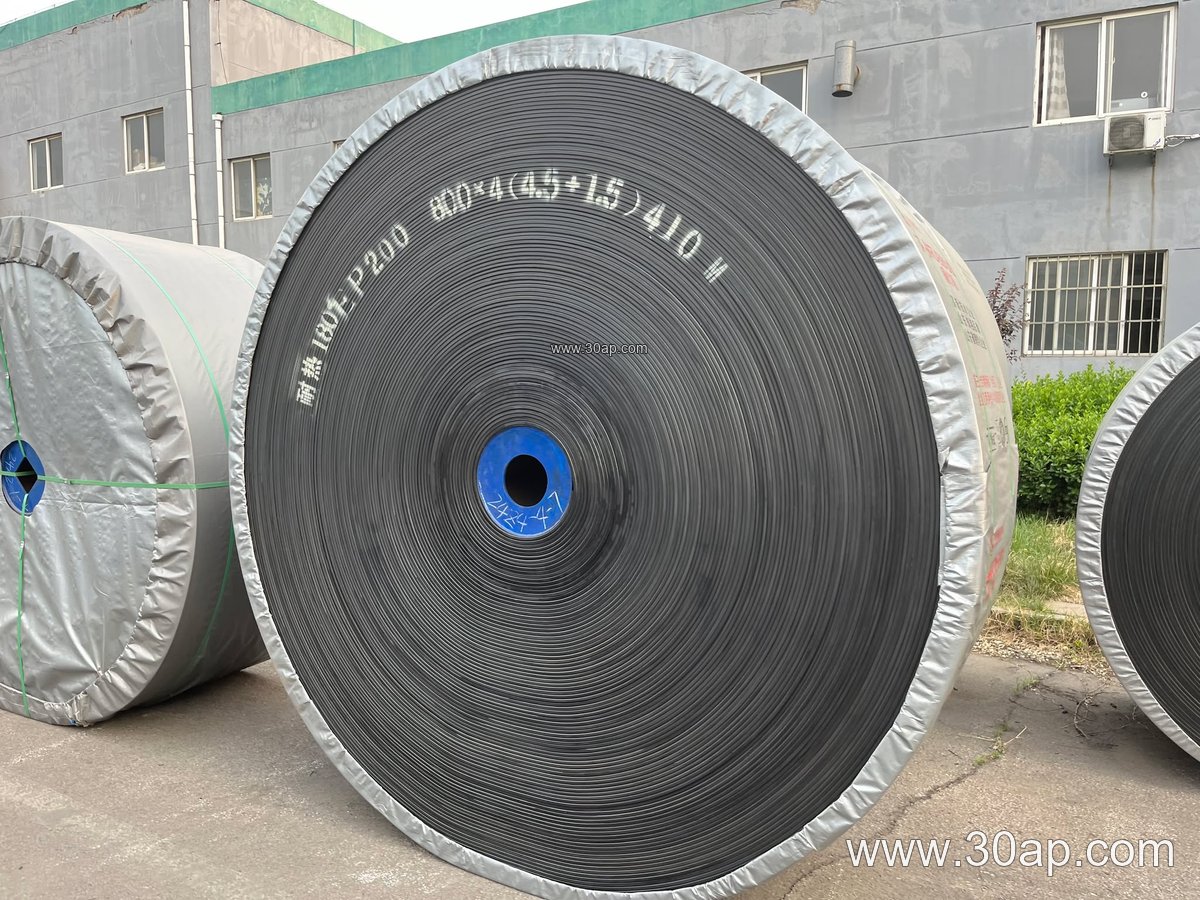
Endless belts are made in a range of widths to match the conveyor frame. The table below shows common reference values for width and strength; a given width can work with different pulley diameters and shaft sizes, so the pulley and shaft are determined by the conveyor designer, not by belt width alone.
| Property | Common Reference Values |
|---|---|
| Belt width | B500, B650, B800, B1000, B1200, B1400, B1600, B1800, B2000 mm |
| EP strength grades | EP200, EP315, EP400, EP500, EP630, EP800, EP1000, EP1250, EP1600, EP2000 |
| NN strength grades | NN100, NN200, NN300, NN400 |
| Steel cord grades | ST1000, ST1250, ST1600, ST2000, ST2500, ST3150 |
| Cover thickness | 3+1.5, 4+2, 5+2, 6+2, 8+3 mm |
| Carcass plies (fabric) | 2 to 6 plies, typical |
Where Endless Belts Fit
Fixed-length conveyors are the natural home for an endless belt. In a coal mining conveyor or an underground mining conveyor, a closed loop reduces the chance of a splice failure in a confined space. In a power plant, an endless belt on the coal feed line keeps the surface continuous. In a stone crushing plant or a sand making plant, the belt runs over idler rollers and around the head and tail pulleys, and a smooth loop helps avoid mistracking. Port and ship loading conveyors also use endless belts where the belt length is known and the loop can be installed as one piece.
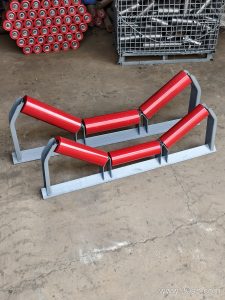
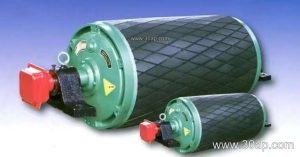
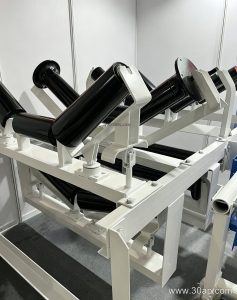
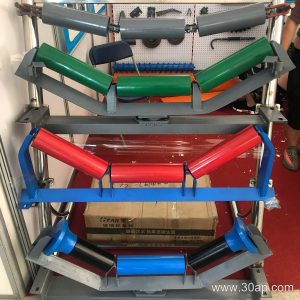
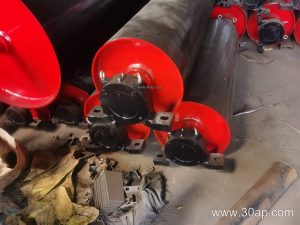
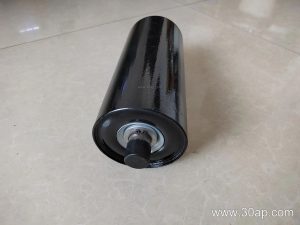
Other equipment works with the belt: the conveyor pulley at the drive end, the tail pulley at the return end, bend pulleys on the return run, idler rollers to support the belt, and conveyor brackets to hold the idlers and pulleys in place. These parts are selected together with the belt, not in isolation.
Buyer Checklist
- Confirm the finished loop length and width, because an endless belt cannot be shortened on site without cutting the joint.
- State the material type, lump size, temperature, and any oil or chemical exposure so the cover grade is correct.
- Provide the conveyor center distance and the number of plies or cord grade expected, so the tension rating matches the drive.
- Ask how the loop is packed and whether it is folded or coiled for transport; large loops need suitable lifting points.
- Check that the belt edges and joint area are finished smoothly, as this affects tracking over the conveyor pulleys and idler rollers.
For more information on endless belts and related conveyor components, visit www.example.com/endless-conveyor-belt or www.example.com/conveyor-pulley. A well-specified loop, matched to the conveyor frame and the material, keeps a bulk handling line running with fewer stoppages.