What a 400mm Diameter Conveyor Pulley Is
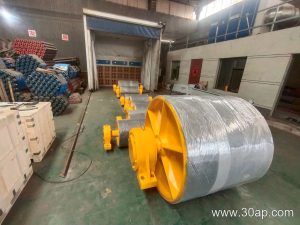
A 400mm diameter conveyor pulley is a drum-shaped rotating component used to support and drive the conveyor belt in bulk material handling systems. With a nominal diameter of 400 millimeters, often written as Ø400, this pulley size sits in the mid-range of common drum diameters. It is frequently chosen for medium-duty conveyors in industries such as quarrying, sand and gravel plants, cement clinker handling, and coal preparation. The pulley works together with the conveyor belt, idler rollers, and conveyor brackets to keep the belt tracking smoothly and transmitting power efficiently.
It is important to note that a 400mm diameter pulley is not a universal fit for every belt width. The relationship between pulley diameter and belt width depends on belt tension, shaft load, and the specific conveyor design. For example, a B800 belt may use a Ø400 pulley in some tail or bend positions, while a B1200 system might require a larger diameter for the drive position. Buyers should always confirm the pulley diameter against the conveyor’s engineering drawings rather than assuming a fixed match.
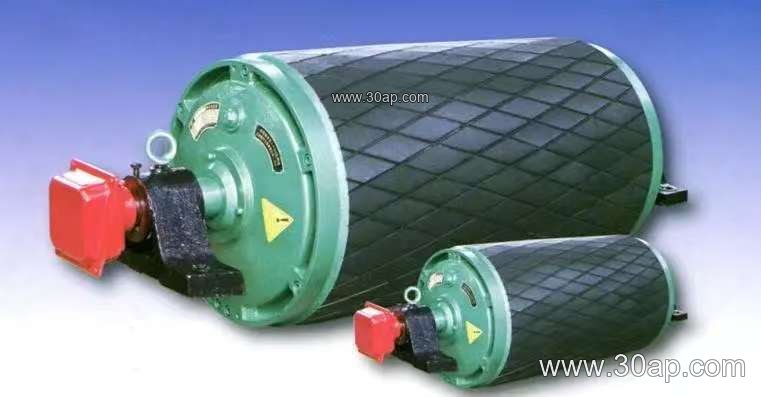
Construction and Surface Options
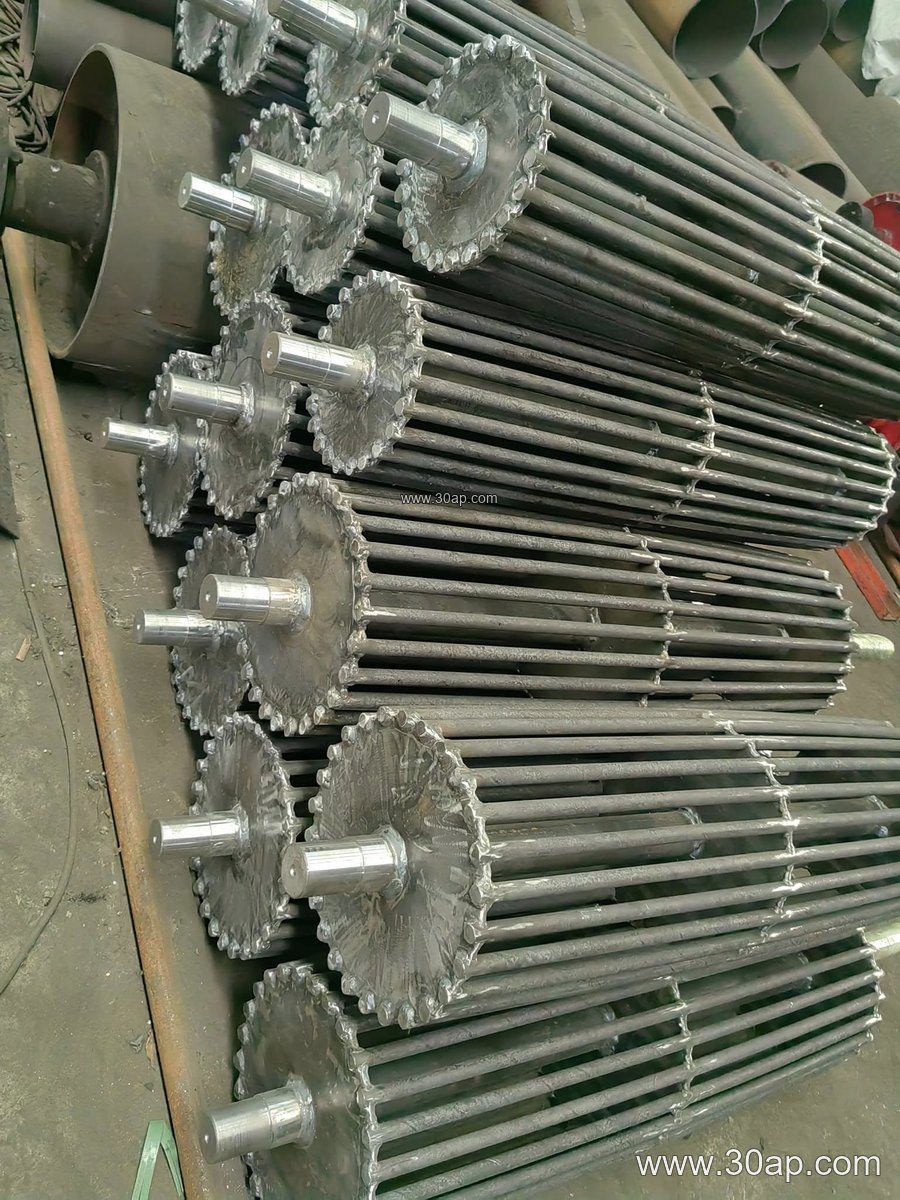
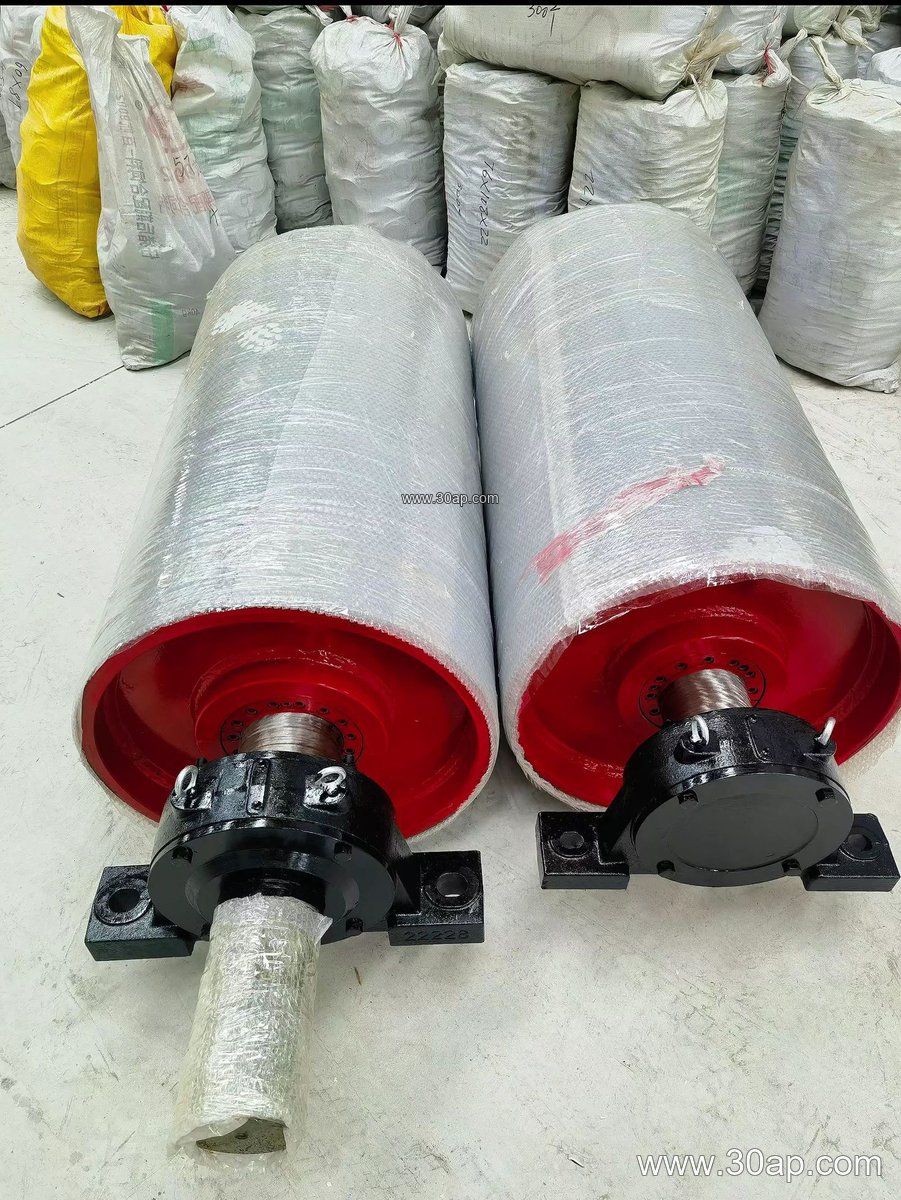
The typical 400mm diameter conveyor pulley consists of a cylindrical shell, end discs, a shaft, and bearing housings. The shell is usually made from rolled steel or seamless tube, machined to ensure concentricity. The shaft is sized according to the torque and radial loads of the application; common shaft diameters for this pulley size range from Ø80 to Ø140, but the final value must be calculated by the conveyor designer.
Surface treatment is a key specification. A plain finish may be adequate for non-drive positions, while drive pulleys often receive rubber lagging to increase friction between the pulley and the conveyor belt. Common lagging types include:
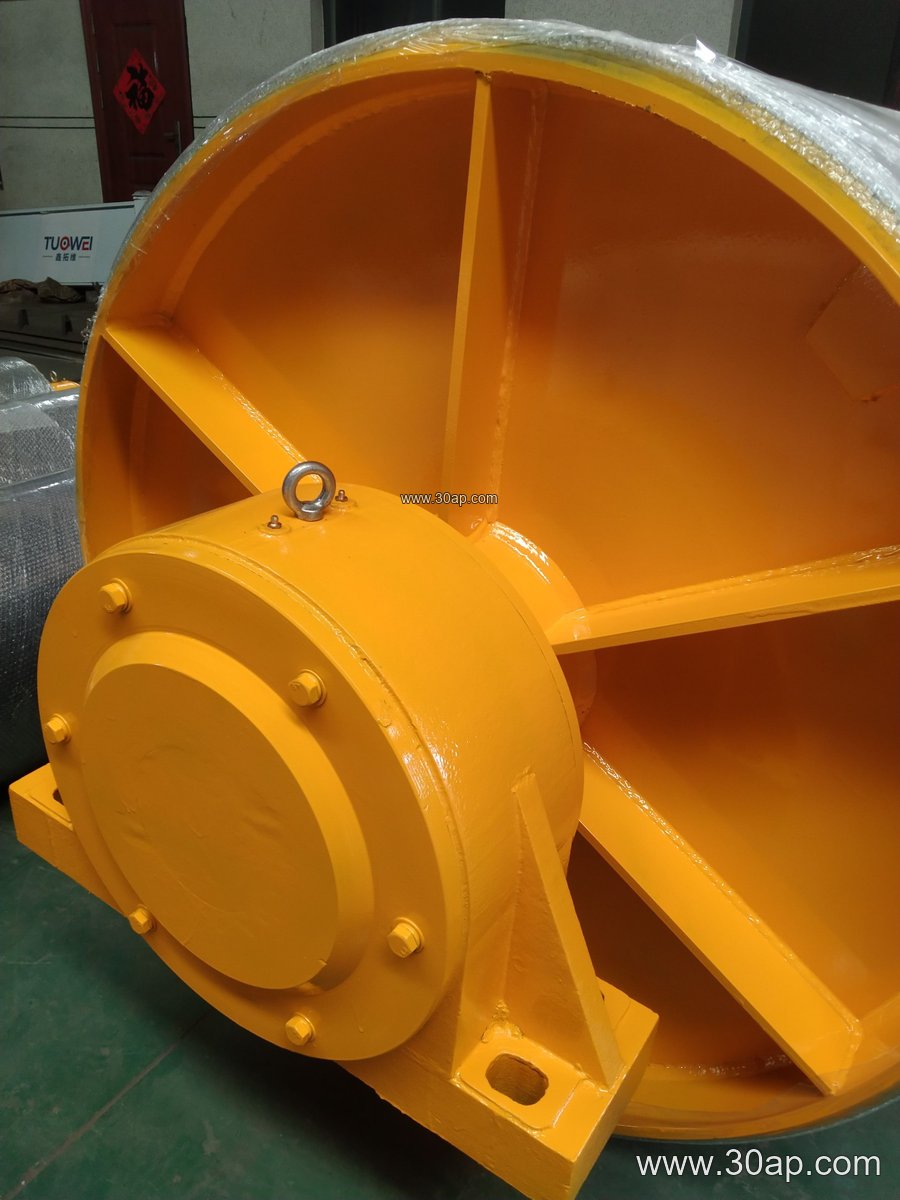
- Plain surface (no lagging)
- Diamond pattern rubber lagging
- Herringbone rubber lagging
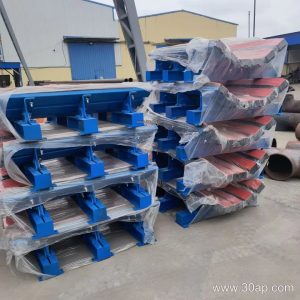
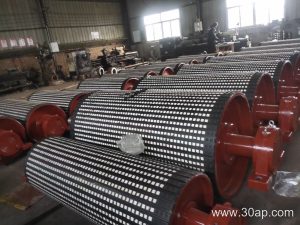
- Ceramic lagging for high-wear areas
- Cold-bonded or hot-vulcanized rubber sheets in thicknesses of 8, 10, 12, 15, or 20 mm
The pulley face width is normally slightly wider than the belt. For instance, a B650 belt typically matches a pulley face around 750 mm, and a B800 belt around 950 mm. However, these are reference values, not fixed rules. The 400mm diameter pulley can be supplied with face widths to suit B500, B650, B800, or B1000 belts depending on the application.
Where It Fits in a Conveyor System
In a conveyor line, the 400mm diameter pulley may serve as a tail pulley, a bend pulley, or a tension pulley. It is less common as a primary drive pulley for high-capacity belts, where larger diameters such as Ø500 or Ø630 are often preferred to reduce belt stress. In a quarry or aggregate plant, a Ø400 tail pulley might work behind a crusher conveyor belt, while a bend pulley of the same size could redirect the belt around a transfer point.
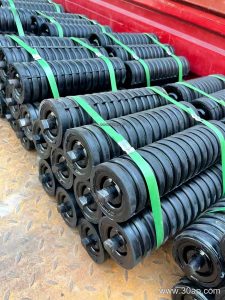
For underground coal mining or a coal preparation plant, flame retardant conveyor belts are often used, and the pulley lagging may need to be anti-static. In a cement plant, heat resistant conveyor belts may carry clinker, and the pulley should be positioned to avoid excessive heat exposure. The pulley also interacts with the conveyor bracket and idler rollers; proper alignment of these components extends belt life and reduces edge damage.
Specification Examples and Selection Tips
The table below shows some common reference combinations for a 400mm diameter pulley. These are examples only and should not be treated as standard supply commitments.
| Belt Width | Pulley Diameter | Typical Face Width | Common Shaft Diameter Range |
|---|---|---|---|
| B500 | Ø400 | 600 mm | Ø60–Ø90 |
| B650 | Ø400 | 750 mm | Ø70–Ø100 |
| B800 | Ø400 | 950 mm | Ø80–Ø120 |
| B1000 | Ø400 | 1150 mm | Ø90–Ø140 |
When selecting a 400mm diameter conveyor pulley, buyers should consider the belt type. A heavy-duty mining conveyor belt or a steel cord conveyor belt may require a larger pulley diameter to avoid excessive bending stress. For lighter fabric core belts, such as EP conveyor belt or NN conveyor belt, a Ø400 pulley can be suitable in non-drive positions. The pulley lagging should match the environment: oil resistant lagging for oily materials, abrasion resistant rubber for sharp aggregates, and fire resistant grades for coal handling.
Maintenance is another factor. A 400mm diameter pulley with removable bearing housings simplifies inspection. Regular checks of lagging wear, shaft alignment, and bearing condition help prevent unplanned downtime. In dusty sites like a lime kiln or a fertilizer plant, sealed bearings and proper lubrication are essential.
Buyer Checklist
- Confirm the pulley’s position: drive, tail, bend, or tension.
- Verify the required shaft diameter based on torque and load, not just belt width.
- Specify the lagging type and thickness for the material being conveyed.
- Check face width against belt width, allowing for tracking tolerance.
- Ensure compatibility with conveyor brackets and idler rollers.
- Consider environmental factors such as heat, oil, or flame risk.
For more information on conveyor pulleys, conveyor belts, and idler rollers, visit our site at www.example.com/conveyor-pulley. A well-specified 400mm diameter pulley can deliver reliable performance in many bulk handling operations, provided it is matched to the conveyor’s actual duty.