What a Fabric Core Conveyor Belt Is
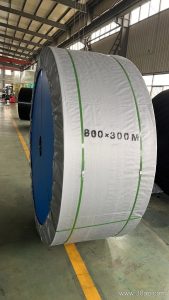
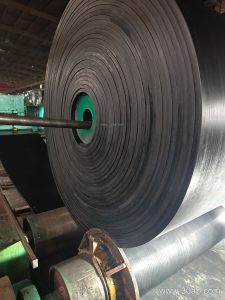
A fabric core conveyor belt is a composite belting product in which multiple layers of woven textile fabric, usually EP polyester-polyamide or NN nylon, are bonded together with rubber skim compounds and protected by top and bottom rubber covers. The fabric layers, often called plies, carry the tension load, while the rubber covers protect the carcass from abrasion, moisture, heat, oil and impact. Because the carcass is textile rather than steel, this belting is flexible, relatively light, and easier to splice in the field. Buyers often search for it as an EP fabric core conveyor belt or a multi-ply fabric core conveyor belt, and both names describe the same family of textile-reinforced belting.
The product sits between light PVC belting and heavy steel cord construction. A steel cord conveyor belt uses steel cables as the tension member and is chosen for very long, high-tension routes. A fabric core belt handles most medium and medium-heavy duties in mines, quarries, cement plants, power stations and ports, and it remains the default choice for many aggregate and bulk material conveyor lines.
How the Belt Is Built
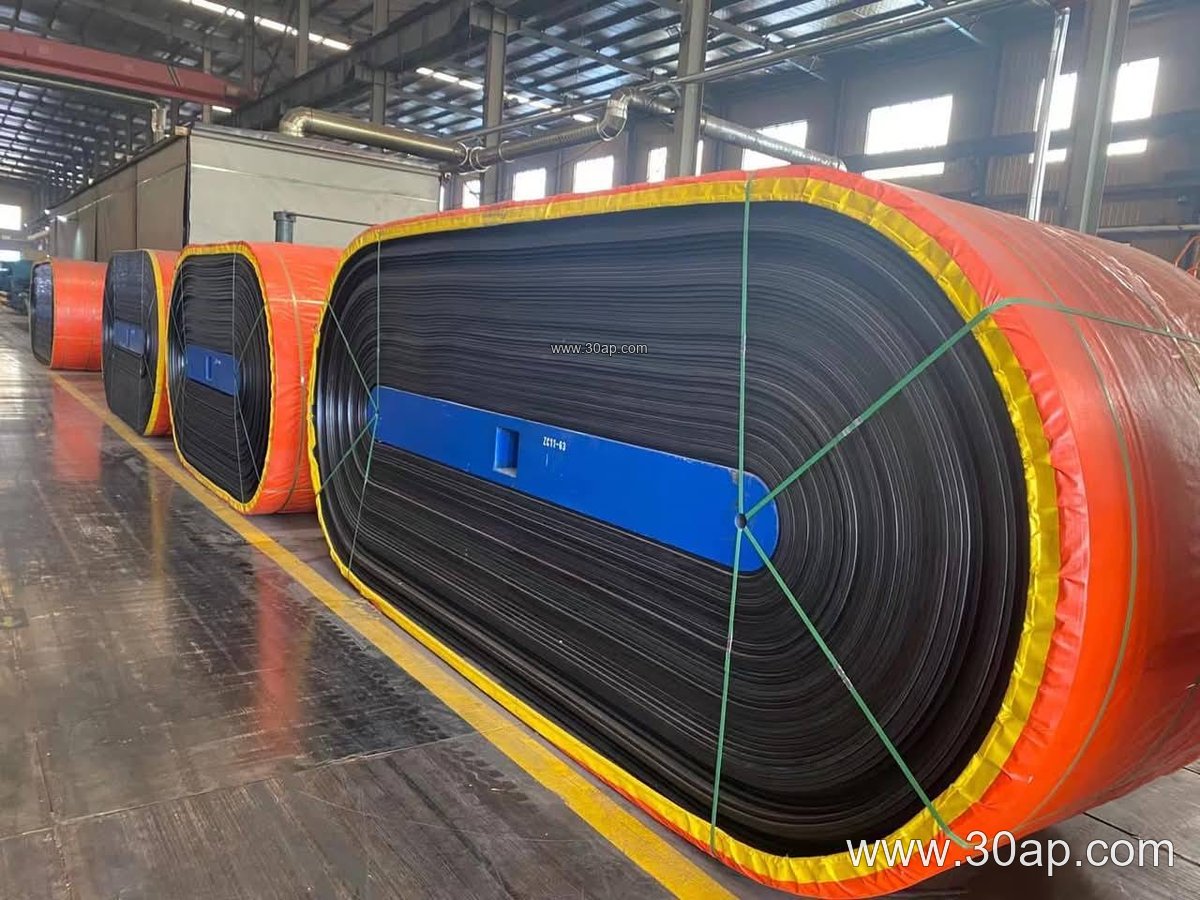
Construction starts with fabric plies that are calendered with rubber friction compound, assembled into a carcass, and then covered with top and bottom rubber sheets. The number of plies and the strength grade determine the belt’s rated tension. Common carcass builds run from two to six plies, and cover gauges such as 3+1.5 mm, 4+2 mm, 5+2 mm, 6+2 mm and 8+3 mm are typical for general duties. The belt edges may be cut and sealed or moulded, depending on the manufacturer and the application.
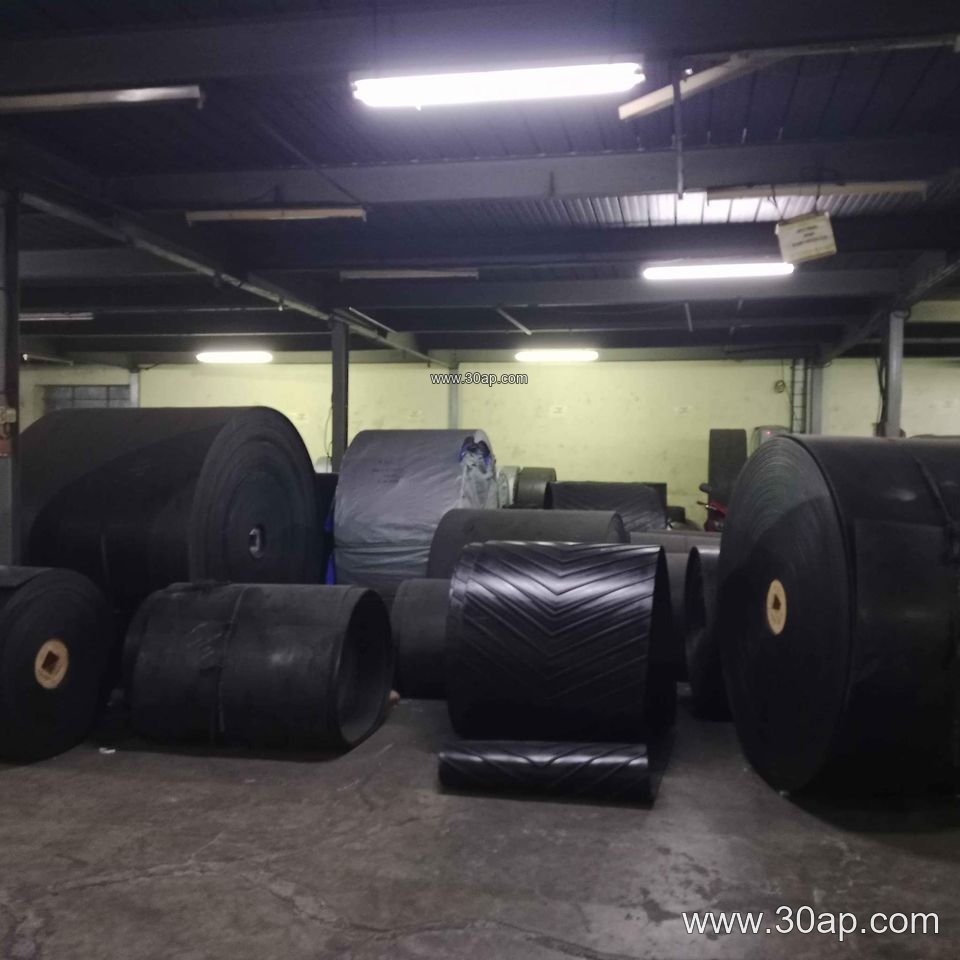
Strength grades for EP belting are usually expressed as EP100, EP200, EP315, EP400, EP500, EP630, EP800, EP1000, EP1250, EP1600 and EP2000, where the number relates to the breaking strength of the carcass per unit width. NN belting follows a similar grading system, such as NN100, NN200, NN300 and NN400. These figures are reference values, not universal supply promises, and the final specification should always be confirmed with the belt maker and the conveyor designer.
Common Specifications at a Glance
The table below lists typical reference data. Actual availability, tolerances and construction details vary by manufacturer and by project design.
- Strength grades: EP200, EP315, EP400, EP500, EP630, EP800, EP1000, EP1250, EP1600, EP2000
- Belt widths: B500, B650, B800, B1000, B1200, B1400, B1600, B1800, B2000
- Cover gauges: 3+1.5 mm, 4+2 mm, 5+2 mm, 6+2 mm, 8+3 mm
- Carcass plies: commonly 2 to 6 layers
- Common carcass types: EP and NN textile fabric
These values are indicative. A 1000 mm wide belt is not tied to a single pulley diameter, and shaft sizes must be calculated from the actual conveyor duty rather than inferred from belt width alone.
Where the Product Is Used
Textile-reinforced belting appears across a wide range of bulk handling operations. In mining and quarrying, it moves ore, rock and overburden on primary and secondary lines. A quarry conveyor belt or crusher conveyor belt often uses an abrasion resistant conveyor belt cover to cope with sharp, heavy lumps. In coal mining, flame retardant conveyor belt grades and anti-static conveyor belt constructions are common requirements, particularly for underground coal mining conveyor belt systems where safety regulations apply.
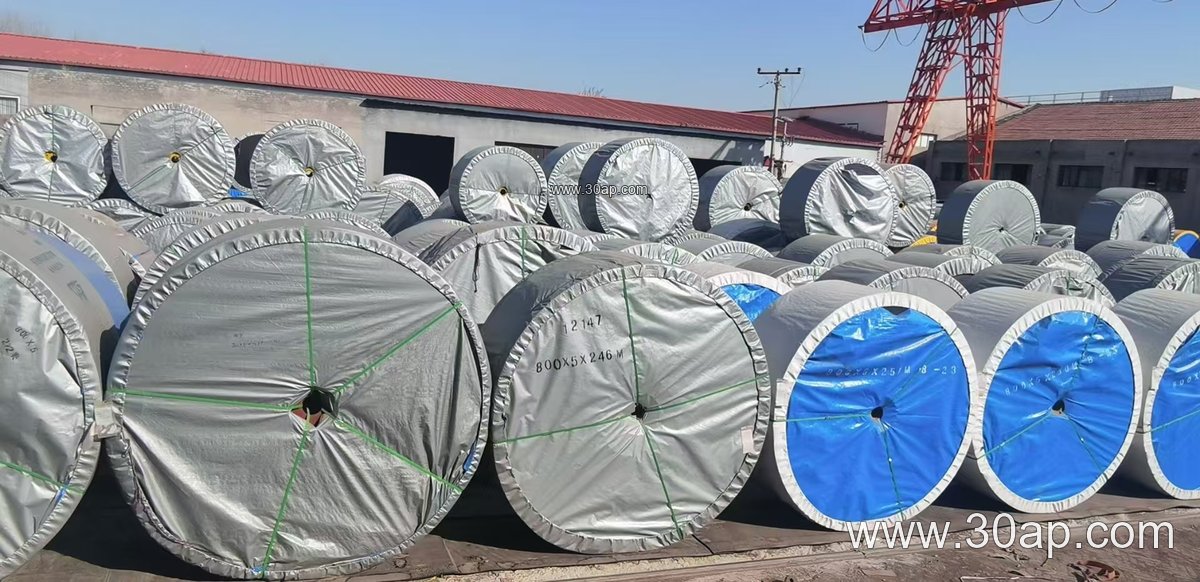
Cement plants use fabric core belting for clinker, limestone and additive transport, sometimes with a heat resistant conveyor belt cover where material temperature demands it. Power plants rely on it for coal and ash handling, and ports and ship loading terminals use wide belts such as 1200 mm, 1400 mm or 1800 mm widths to move large tonnages. Other common duties include sand making plants, stone crushing lines, recycling facilities and general bulk material conveyor belt routes.
Choosing the Right Belt for the Duty
Selection starts with the material being carried, the tonnage per hour, the conveyor length and incline, and the environmental conditions. Abrasive rock calls for a high abrasion resistant conveyor belt cover with adequate thickness. Hot material such as cement clinker or sinter may need a heat resistant conveyor belt, while oily scrap or food-related products may call for an oil resistant conveyor belt or a food grade conveyor belt. Cold climates and outdoor winter operation can justify a cold resistant conveyor belt compound.
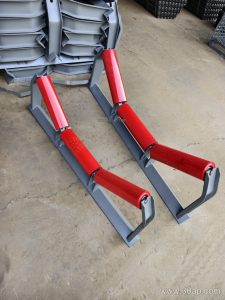
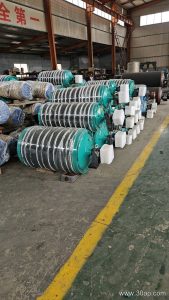
For inclined routes, a chevron conveyor belt or a corrugated sidewall conveyor belt can prevent material rollback; a skirted conveyor belt helps contain material at transfer points. Enclosed routes may use a pipe conveyor belt. When the layout requires a fixed, factory-joined loop, an endless conveyor belt is an option. The conveyor frame itself matters too: idler roller spacing, conveyor pulley diameters, and conveyor bracket condition all influence belt life, and a new belt should not be expected to compensate for worn pulleys or misaligned idlers.
Practical Notes for Buyers
Request the carcass type, ply count, strength grade, cover gauge, cover compound and edge construction in writing, and ask how the belt will be spliced on site. Store belting on a clean, dry surface away from direct sunlight and sharp objects. During installation, check pulley alignment and idler roller condition, and keep the belt tracking correctly from the first run. A fabric core conveyor belt is a long-life component when the specification matches the duty, but mismatched covers or under-rated carcasses will shorten service life quickly.