What a 6204 Bearing Idler Is
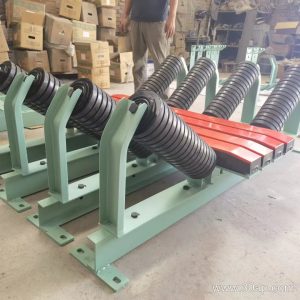
A 6204 bearing idler is a conveyor idler roller built around the 6204 deep groove ball bearing, one of the most common bearing sizes used in light to medium-duty conveyor rollers. In everyday plant language, this is often simply called a 6204 idler roller or a 6204 conveyor roller. It sits under the conveyor belt on the carrying or return side and lets the belt travel with low friction while supporting the load of the material being moved.
The 6204 designation refers to the bearing fitted inside the roller, not to the roller diameter or the belt width. This is an important distinction for buyers: a 6204 bearing can appear in several roller diameters and roller lengths, and the correct match depends on the conveyor design rather than on a single fixed rule.
How the Roller Is Built
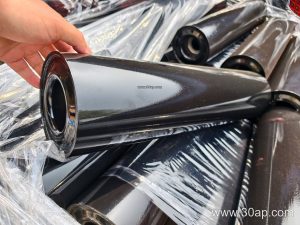
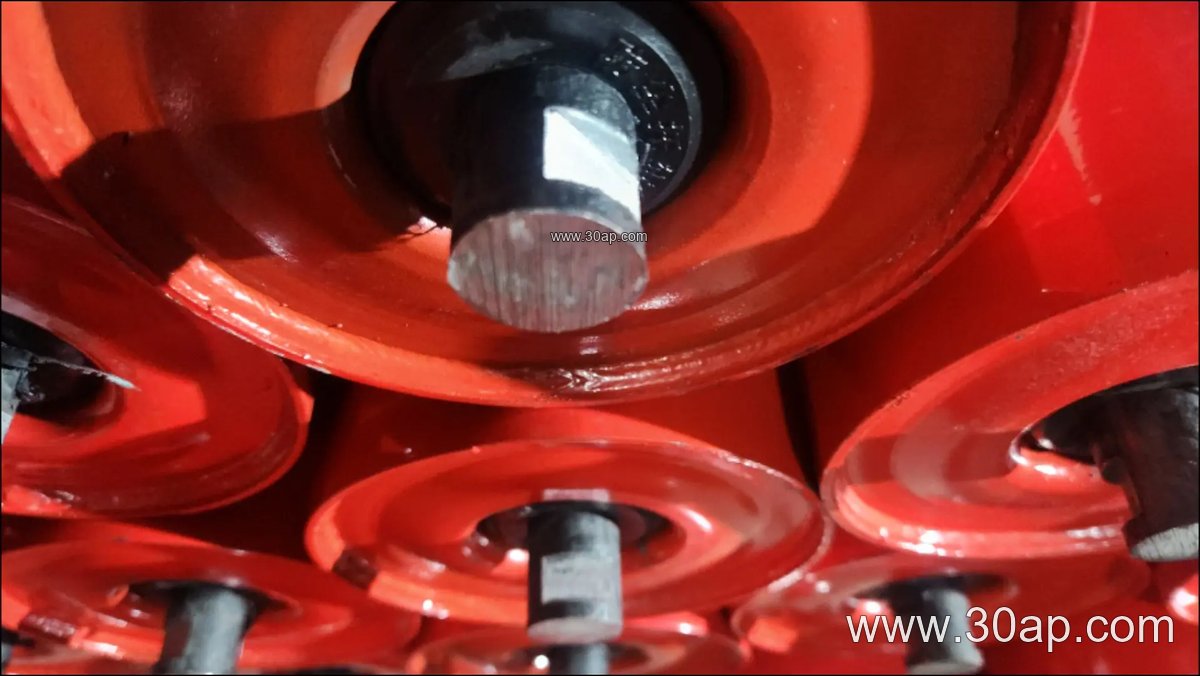
A typical 6204 bearing idler consists of a steel tube shell, a shaft, two bearing housings, seals, and the bearings themselves. The shell is usually machined steel pipe, and the bearing seats are pressed or welded into the ends. Seals are critical in dusty environments such as a quarry, a cement plant, or a coal handling system, because fine grit that reaches the bearing race shortens service life quickly.
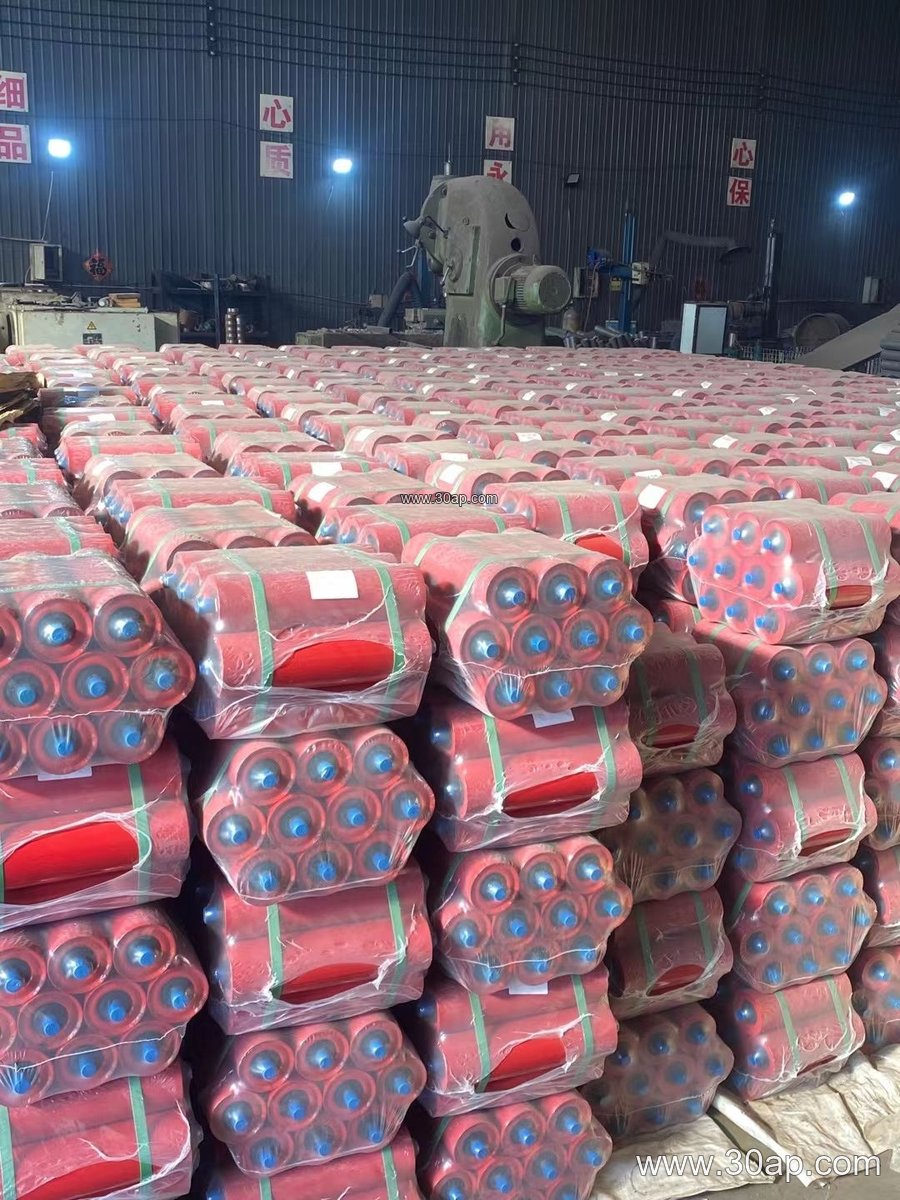
Roller surface options vary by application. Plain steel is the standard choice for general bulk material handling. Rubber rings are added on impact idlers where lump size is large, and nylon or ceramic covers are sometimes used where belt wear or material buildup is a concern. The 6204 bearing itself is a sealed or shielded deep groove ball bearing in most conveyor duty, chosen for its balance of load capacity and low rolling resistance.
Where It Fits on the Conveyor
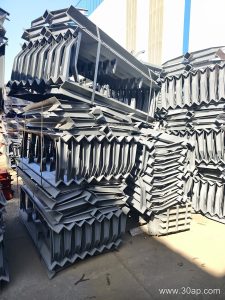
A 6204 bearing idler is most often found in carrying idler sets and return idler sets on medium-width conveyors. In a three-roll troughing set, the idler supports the belt at a trough angle, commonly 20, 30, 35, or 45 degrees, which keeps bulk material centered on the belt. Return rollers, flat or V-shaped, support the empty belt on its way back to the tail pulley.
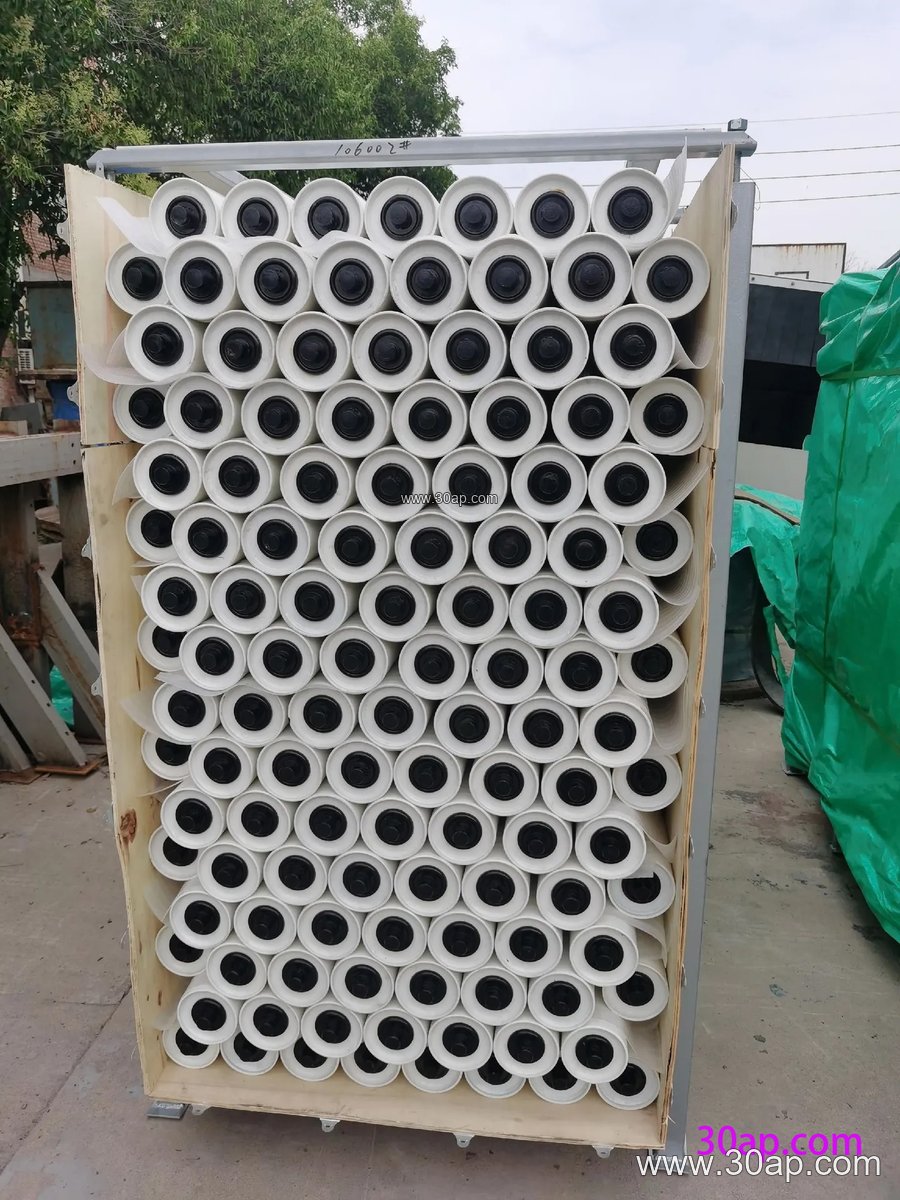
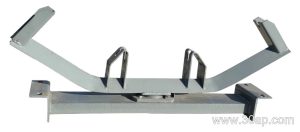
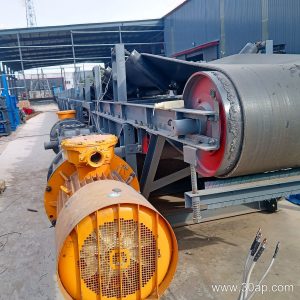
These rollers are common in sand and gravel lines, limestone and iron ore operations, cement plants, power plant coal conveying, and general bulk material handling. They are also used in crushing and screening circuits and in port or ship loading conveyors where the belt width is moderate. The idler works together with the conveyor belt, the conveyor pulley at each end, and the conveyor bracket that holds the roller frame in place.
Common Sizes and Reference Data
Roller diameter, roller length, and bearing size should be selected together. The table below shows typical reference values; actual dimensions are determined by the conveyor design and should be confirmed with the supplier.
| Parameter | Common reference values |
|---|---|
| Bearing | 6204 (also 6205, 6305, 6306, 6308 in heavier duty) |
| Roller diameter | Ø63, Ø76, Ø89, Ø102, Ø108, Ø127, Ø133 mm |
| Belt width | B400, B500, B650, B800, B1000, B1200 mm |
| Trough angle | 20°, 30°, 35°, 45° |
| Roller surface | Steel tube, nylon, ceramic, rubber ring |
For a three-roll troughing set, roller length usually follows belt width. Typical examples are about 200 mm for B500, 250 mm for B650, 315 mm for B800, 380 mm for B1000, and 465 mm for B1200. Side rollers and center rollers can differ, so these figures are examples rather than fixed pairings.
What Buyers Should Check
- Confirm the bearing number and seal type, since a 6204 idler from one supplier may not match another in seal quality.
- Check roller diameter and length against the existing conveyor bracket and frame.
- Match the roller duty to the belt, for example an abrasion resistant conveyor belt in a crusher circuit or a flame retardant conveyor belt in underground coal mining.
- Review the shaft end design and fixing method before ordering a replacement set.
- Consider the environment: dust, moisture, heat, and oil all affect bearing life.
On a heavy-duty mining conveyor belt line, a 6204 idler may be too light for the main carrying positions and is better used on return runs or lighter sections. Matching the roller to the actual load is more reliable than choosing by bearing number alone.
Maintenance Notes
Inspect idlers during routine belt checks. A seized roller can wear through the belt cover quickly, and a wobbly roller usually signals a failing bearing or a worn shaft seat. Keep the belt tracking straight, since misalignment loads the roller ends unevenly. Spare 6204 idlers kept on site reduce downtime in continuous operations such as a cement kiln feed line or a power plant coal yard.
For more on conveyor rollers, belts, and pulleys, visit www.beltconveyorparts.com and review the roller and belt ranges before specifying a replacement set.