What a Multi-Ply Fabric Core Conveyor Belt Is
A Multi-Ply Fabric Core Conveyor Belt is a heavy-duty rubber belt built around several layers of woven fabric, usually polyester-nylon (EP) or nylon-nylon (NN), bonded together with rubber skim compounds and protected by top and bottom cover rubber. The multiple plies share the tensile load, which gives the belt its strength and makes it a practical choice for long conveying lines in mines, cement works, power plants, quarries and port terminals. In everyday language this product is also called a multi-ply fabric conveyor belt, and it belongs to the wider family of fabric core belts rather than to steel cord construction.
The number of plies and the fabric grade together define how much tension the belt can carry. A two-ply belt may suit a short transfer point, while four to six plies are common where the conveyor is long or the material is heavy.
How the Belt Is Built
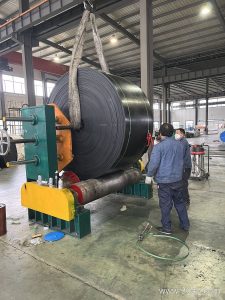
The carcass is the heart of the product. Woven fabric plies are calendered with rubber, stacked, and then vulcanized so that the layers act as one body. Cover rubber is applied to both faces, and the edges are sealed to resist water and grit. Buyers often see the construction written as cover thickness plus carcass, for example 6+2 mm or 8+3 mm, where the first figure is the top cover and the second the bottom cover.
Common Construction Reference
The values below are typical references, not fixed supply promises; actual construction is confirmed by design for each conveyor.
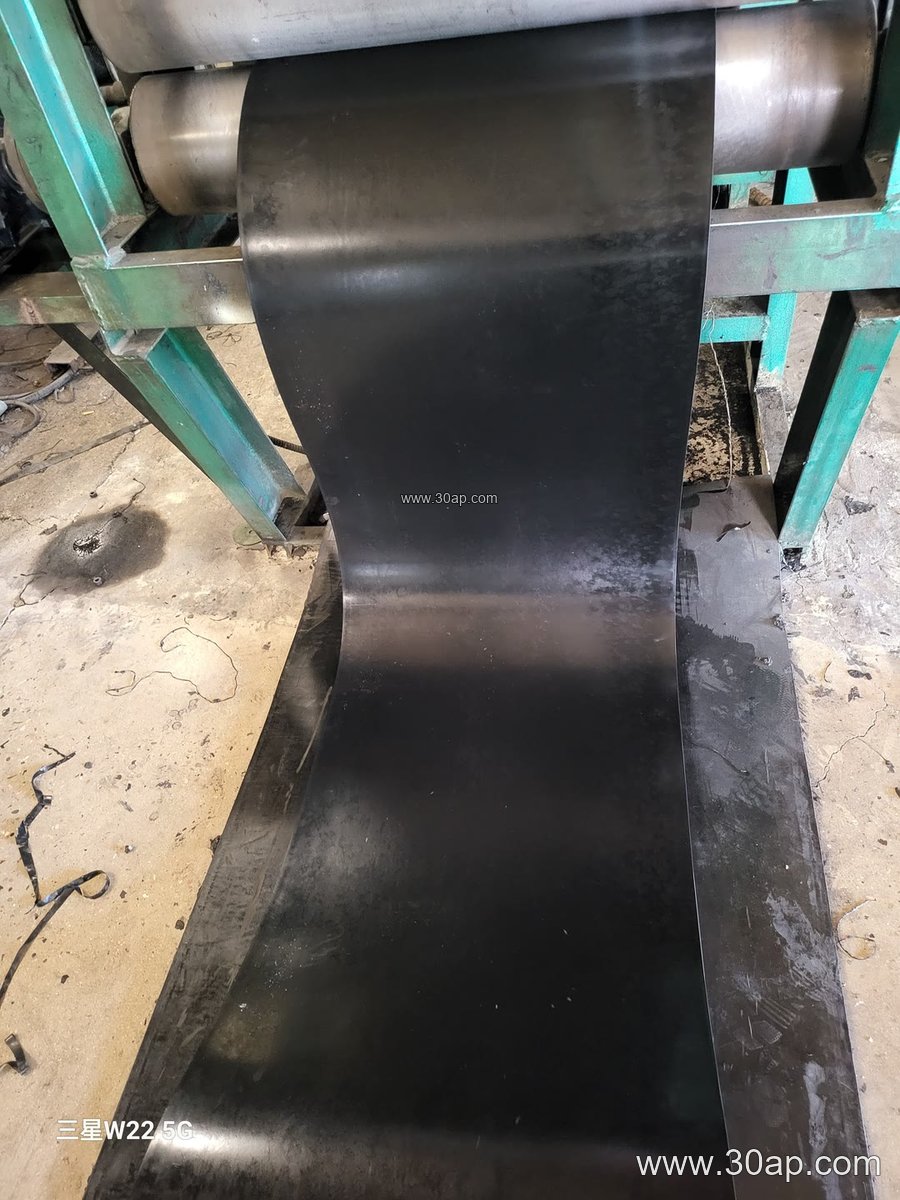
| Item | Common Reference |
|---|---|
| Fabric type | EP (polyester-nylon), NN (nylon-nylon) |
| Ply count | 2 to 6 plies |
| Strength grades | EP200, EP315, EP400, EP500, EP630, EP800, EP1000, EP1250, EP1600, EP2000 |
| Belt width | B500, B650, B800, B1000, B1200, B1400, B1600, B1800, B2000 |
| Cover thickness | 3+1.5, 4+2, 5+2, 6+2, 8+3 mm |
An EP conveyor belt is the most common fabric core type in bulk handling because polyester provides low stretch and nylon gives impact resistance. An NN conveyor belt offers high elongation and good flexibility, which can help at transfer points with sharp lump sizes.
Where It Fits in the Plant
These belts move crushed rock, coal, clinker, limestone, ore, sand and aggregate. In a coal mining conveyor line, a flame retardant conveyor belt grade is often specified for underground use, while a heat resistant conveyor belt may be needed after a kiln or in a sinter plant. An abrasion resistant conveyor belt cover is a sensible choice for quarry conveyor and crusher conveyor duty where sharp stone cuts the surface.
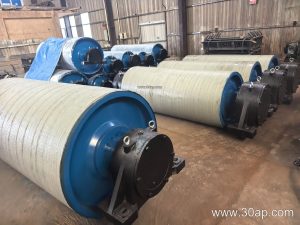
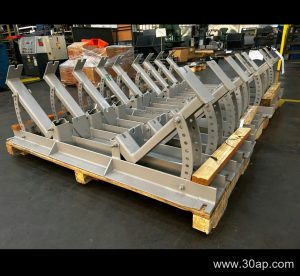
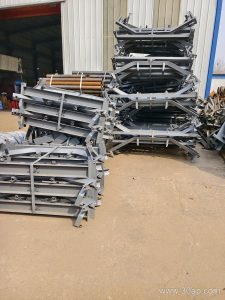
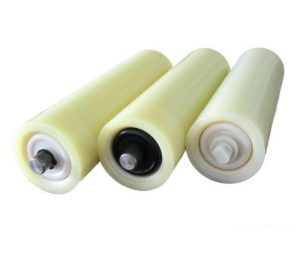
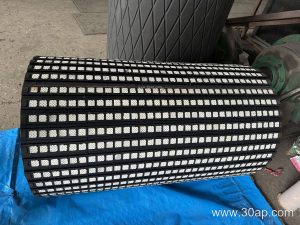
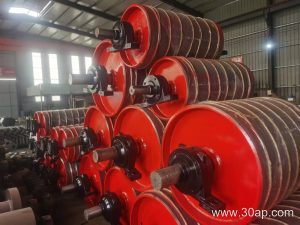
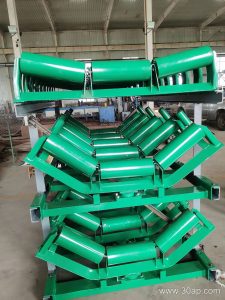
The belt runs over a conveyor pulley at the head and tail, supported by idler rollers and mounted on a conveyor bracket and frame. Drive, tail and bend pulleys each do a different job, so the belt tracking and tension settings should be checked at every pulley station rather than assumed from one end of the line.
Specification and Selection Notes
- Match the strength grade to the calculated maximum belt tension, with a sensible safety margin.
- Choose cover compound by duty: abrasion resistant, heat resistant, oil resistant, cold resistant, anti-static or flame retardant.
- Confirm belt width against the lump size and required capacity, not against pulley diameter alone. A given belt width does not dictate one fixed pulley or shaft size.
- For inclined sections, a chevron conveyor belt or corrugated sidewall belt may be compared, but these are different surface forms and should not replace a flat multi-ply belt where a flat belt is specified.
- For very high tension or long overland routes, a steel cord conveyor belt may be compared as an alternative, since its construction differs from fabric plies.
Widths such as 1000mm conveyor belt, 1200mm conveyor belt and 1400mm conveyor belt are common in cement and power plant service, while wider 1800mm or 2000mm belts appear in large port and bulk terminal projects. Thicker covers add wear life but also weight, so the pulley and idler load rating should be reviewed.
Installation and Maintenance
Store belts in a dry, shaded place and avoid sharp bends. During installation, align the conveyor pulley and idler roller frames so the belt trains correctly. Check splice quality, edge wear and cover cuts at regular intervals, and keep the belt cleaner and return rollers free of build-up. A well-tracked belt with correct tension usually gives longer cover life than one that is over-tensioned.
For buyers sourcing through a supplier of rubber conveyor belt, EP conveyor belt and fabric core conveyor belt products, request the carcass grade, ply count, cover thickness and edge construction in writing. The product name on the quotation should match the construction actually needed for the mine, cement plant, power station or quarry duty.