What a High Wear-Resistant Ceramic Pulley Is
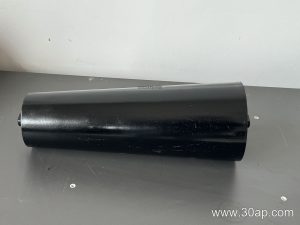
A high wear-resistant ceramic pulley is a conveyor pulley whose shell carries a ceramic lagging layer instead of plain rubber or bare steel. The ceramic tiles are bonded to the drum face, usually in a patterned layout, so that the belt grip stays strong while abrasive material is kept away from the shell. In practice this is a ceramic lagged conveyor pulley, and the two names describe the same component. It is not a drive pulley, a tail pulley or a bend pulley by definition; those are positions on the conveyor, and any of them can be specified with ceramic lagging when the duty calls for it.
The ceramic layer is the point of the product. Hard fired tiles resist the cutting action of sharp rock, sinter and clinker far better than rubber alone, and the raised pattern gives water and fines somewhere to escape so the belt does not slip on a wet or dusty face.
How the Ceramic Lagging Is Built
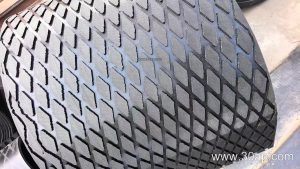
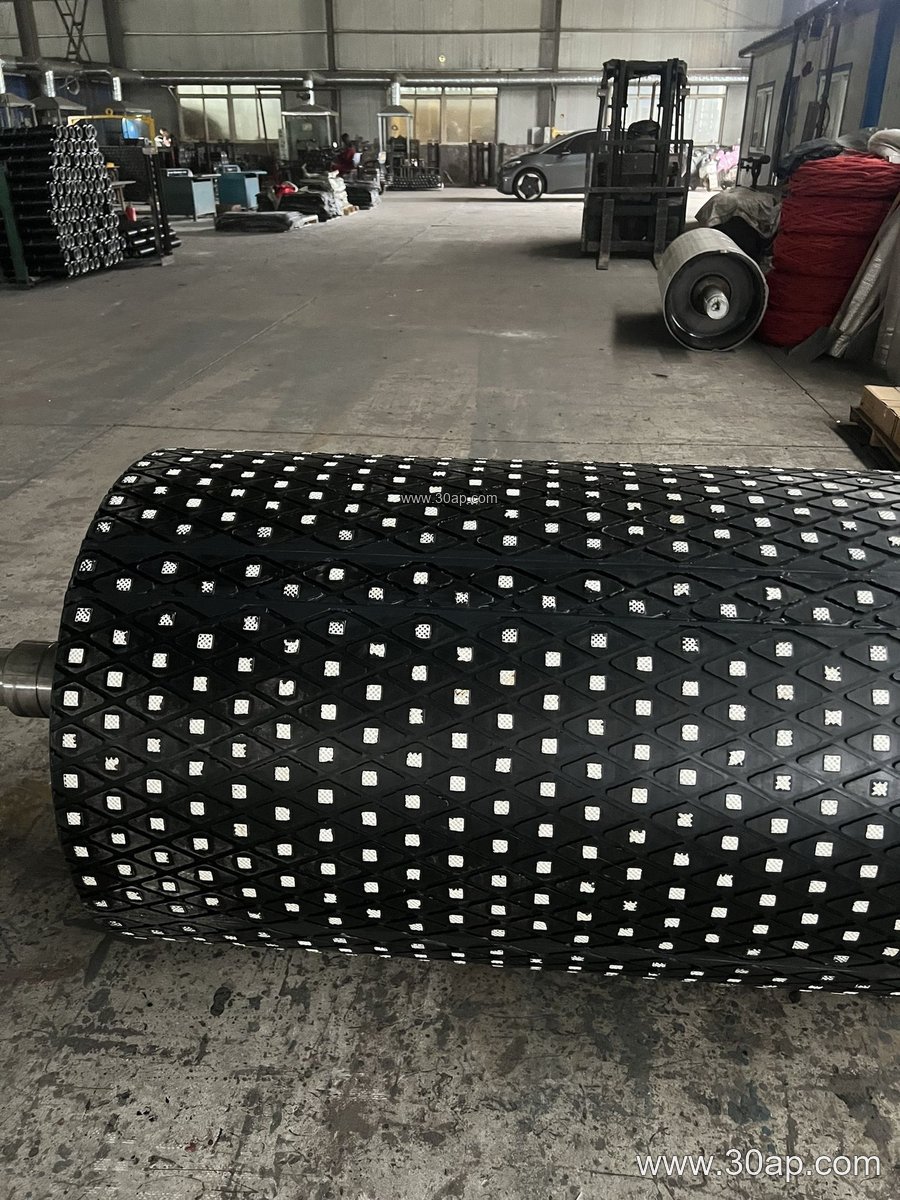
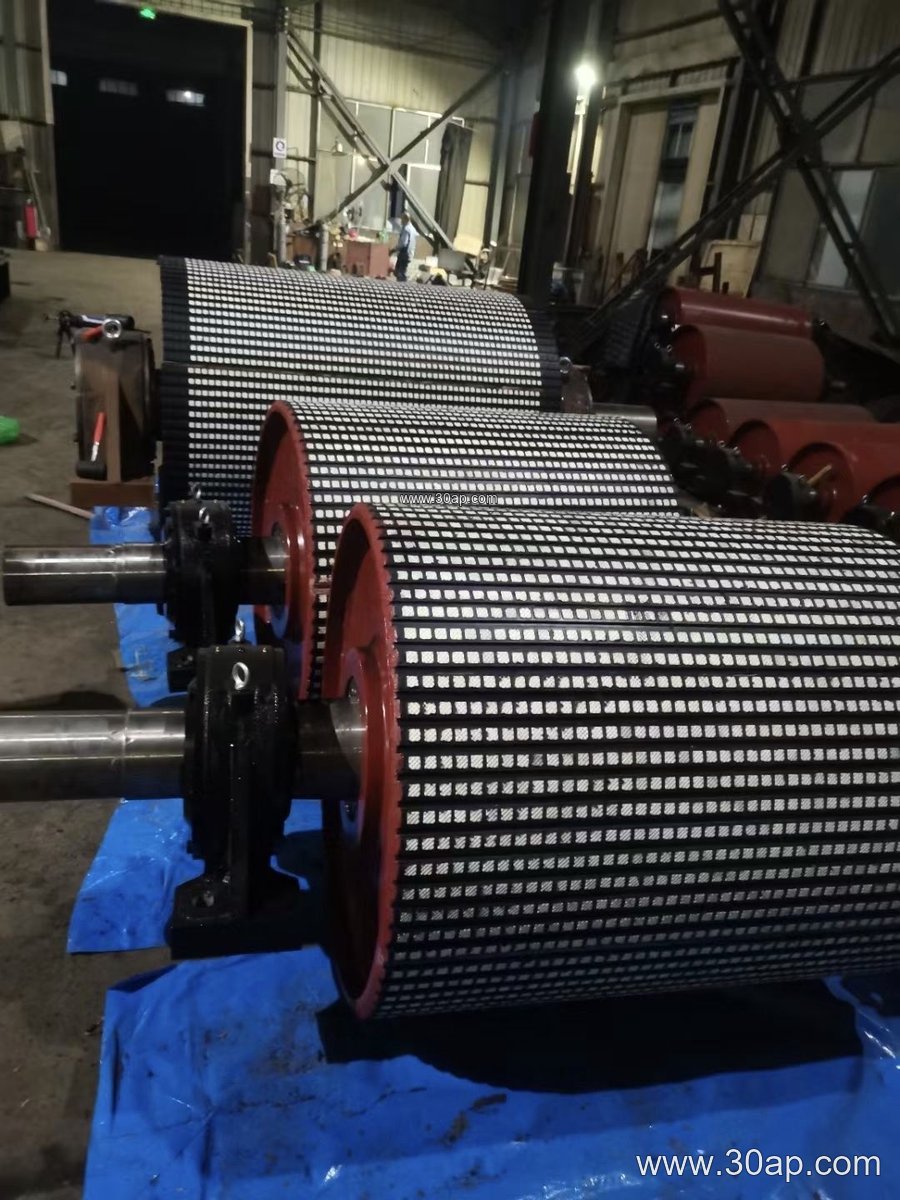
Most ceramic pulleys start with a steel shell that has been machined and cleaned. A bonding system, often a rubber or epoxy backing, is applied, and the ceramic tiles are set into it in a chevron, diamond or plain block arrangement. The tile surface may be smooth or studded. After curing, the lagging is ground or finished so the belt runs on a consistent crown or flat face.
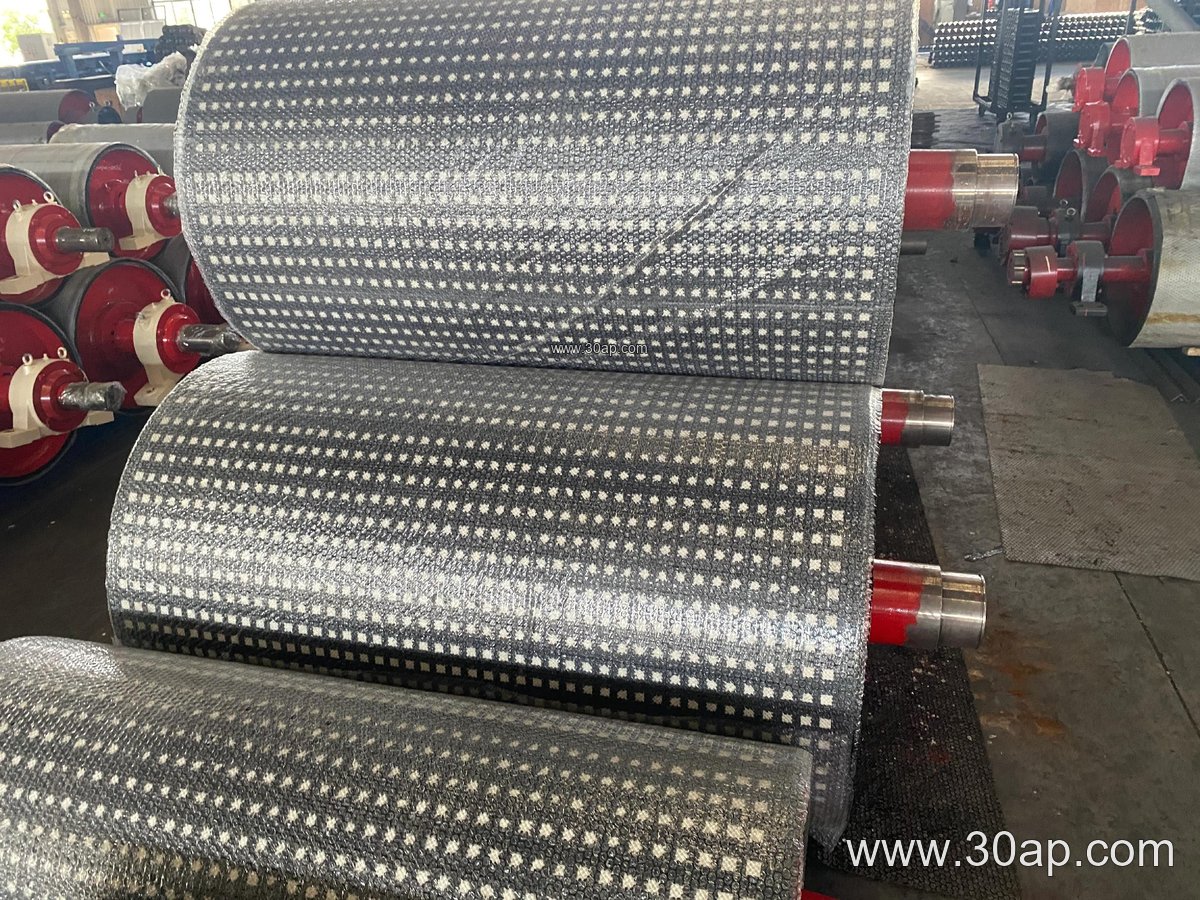
- Ceramic tile layer for abrasion resistance
- Rubber or epoxy backing for impact cushioning and bonding
- Steel shell with hub and shaft sized to the actual torque load
- Optional diamond or herringbone surface patterns for grip
Because the tiles are brittle, the backing matters as much as the ceramic. A good bond keeps tiles from loosening when the pulley is shock-loaded at a transfer point.
Where It Fits on the Conveyor
A ceramic lagged pulley is often chosen at the head or drive position where the belt is under the highest tension and slip would be costly. In a quarry or sand and aggregate line, the head pulley may see sharp crushed stone and wash water all day, which is exactly where a high wear-resistant ceramic pulley earns its place. In a coal handling plant or a power plant coal yard, the same drum can be used at a drive station where dust and moisture reduce friction on a rubber face.
At a tail or tension position, ceramic lagging helps when the return side carries carryback and the belt must still track. A bend pulley with ceramic facing can also be useful on long routes, though the load there is usually lower and the choice should follow the actual wrap angle and tension.
Working With the Belt and Nearby Components
Ceramic pulleys are usually paired with abrasion resistant conveyor belt grades in heavy-duty mining and bulk material service. A steel cord conveyor belt may be used on long overland runs, while EP conveyor belt or NN conveyor belt constructions are common on plant conveyors. The pulley face should match the belt width and the belt’s own stiffness; a very stiff belt on a small diameter drum can cause high bending stress at the splice.
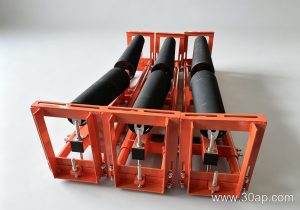
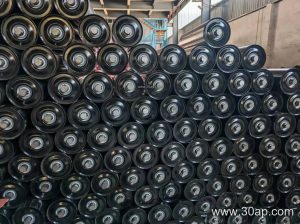
Alignment with the conveyor bracket, the idler roller sets and the frame matters as much as the lagging. A pulley that is square to the belt centreline will keep the ceramic face working evenly instead of wearing one edge. For more on matching drums and belts, see https://www.yourdomain.com/conveyor-pulley.
Common Sizes and Surface Forms
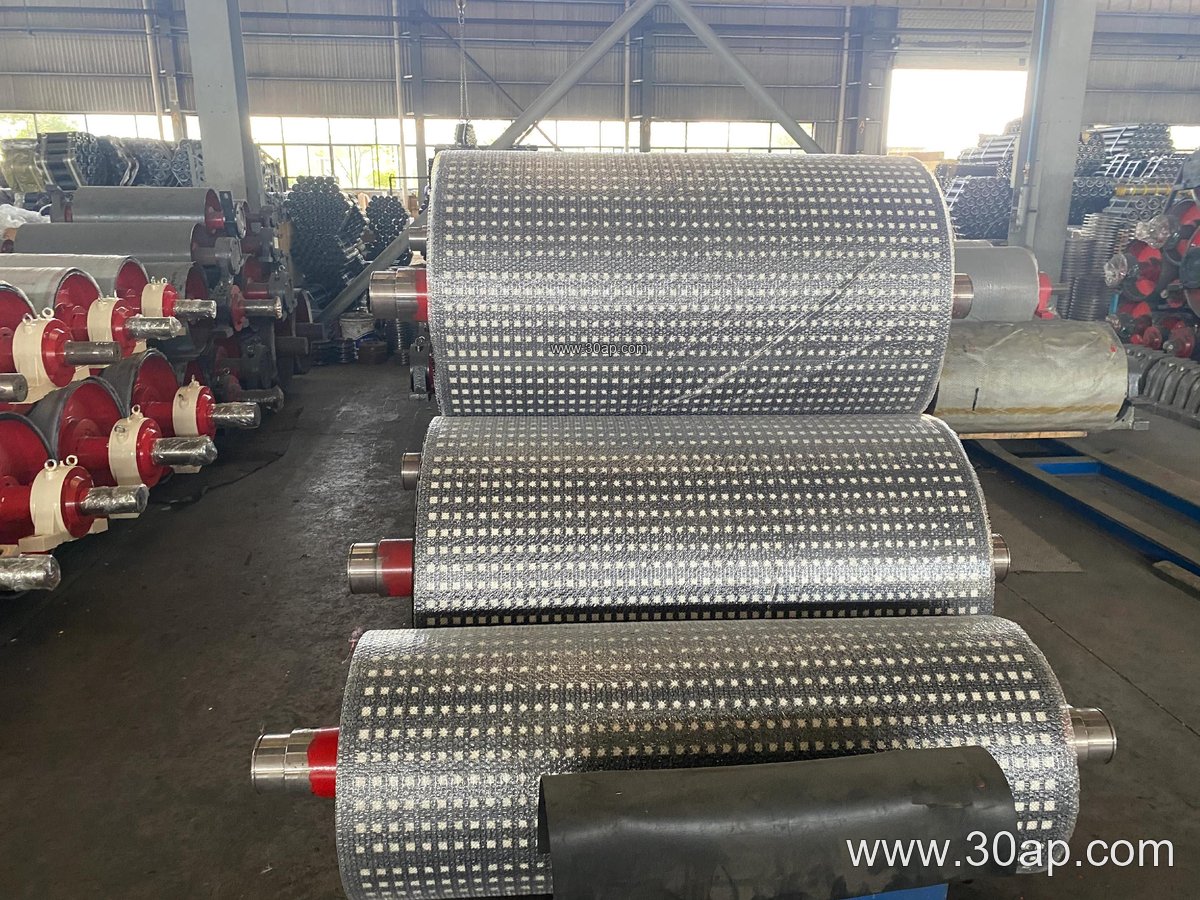
Ceramic lagging is available across a wide range of drum sizes. The figures below are common reference values, not a fixed catalogue, and final dimensions follow the conveyor design.
| Parameter | Common reference values |
|---|---|
| Belt width | B500, B650, B800, B1000, B1200, B1400, B1600, B1800 |
| Pulley diameter | Ø250, Ø315, Ø400, Ø500, Ø630, Ø800, Ø1000, Ø1250 |
| Lagging thickness | 8, 10, 12, 15, 20 mm |
| Face width | Usually wider than the belt, e.g. about 600 mm for B500, about 1150 mm for B1000, about 1600 mm for B1400 |
| Shaft diameter | Ø60, Ø80, Ø100, Ø120, Ø140, Ø160, Ø180, set by torque and load |
| Surface pattern | Plain block, diamond, herringbone |
Typical combinations such as B800 × Ø500 or B1200 × Ø1000 appear in plant layouts, but no single belt width locks the pulley to one diameter. Shaft size is calculated from the drive torque and bearing load, never copied from the belt width alone.
What a Buyer Should Check
Ask for the tile bond method, the backing material and the finished face pattern, since these decide how long the lagging lasts. Confirm the shell thickness and the shaft diameter against the real duty, and state whether the pulley is a drive, tail, tension or bend position. For abrasive ore duties a high abrasion resistant conveyor belt paired with ceramic lagging is a sensible combination, and for hot clinker a heat resistant conveyor belt may be needed alongside it. Further notes on drum selection are at https://www.yourdomain.com/conveyor-pulley, and belt matching guidance at https://www.yourdomain.com/conveyor-belt.
Finally, plan inspection. Ceramic tiles can chip if struck during maintenance, so check the face at each shutdown and replace damaged tiles before the backing is exposed. With correct sizing and reasonable care, a high wear-resistant ceramic pulley gives long service in the harshest bulk handling environments.