What a Conveyor Idler Bracket Does on a Belt Conveyor
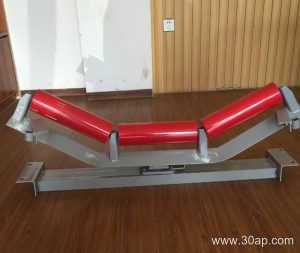
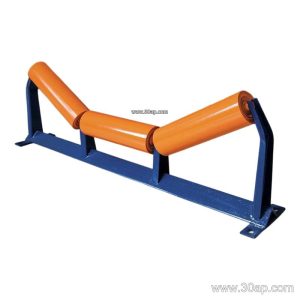
A conveyor idler bracket is the support structure that holds idler rollers at the correct position and angle under or above the conveyor belt. It is a simple-looking part, but it decides how the belt sits, how the load is carried, and how easily rollers can be replaced during maintenance. In a cement plant, a coal handling system, or a quarry conveyor line, the bracket is usually the interface between the steel frame and the rotating idler roller.
The same component is also called an idler support bracket or roller mounting bracket. These names describe the same product, and the choice of wording often depends on the plant or the supplier. Whatever it is called, it works together with the conveyor belt, the idler roller and the conveyor pulley to keep a stable belt path.
Construction and Common Materials
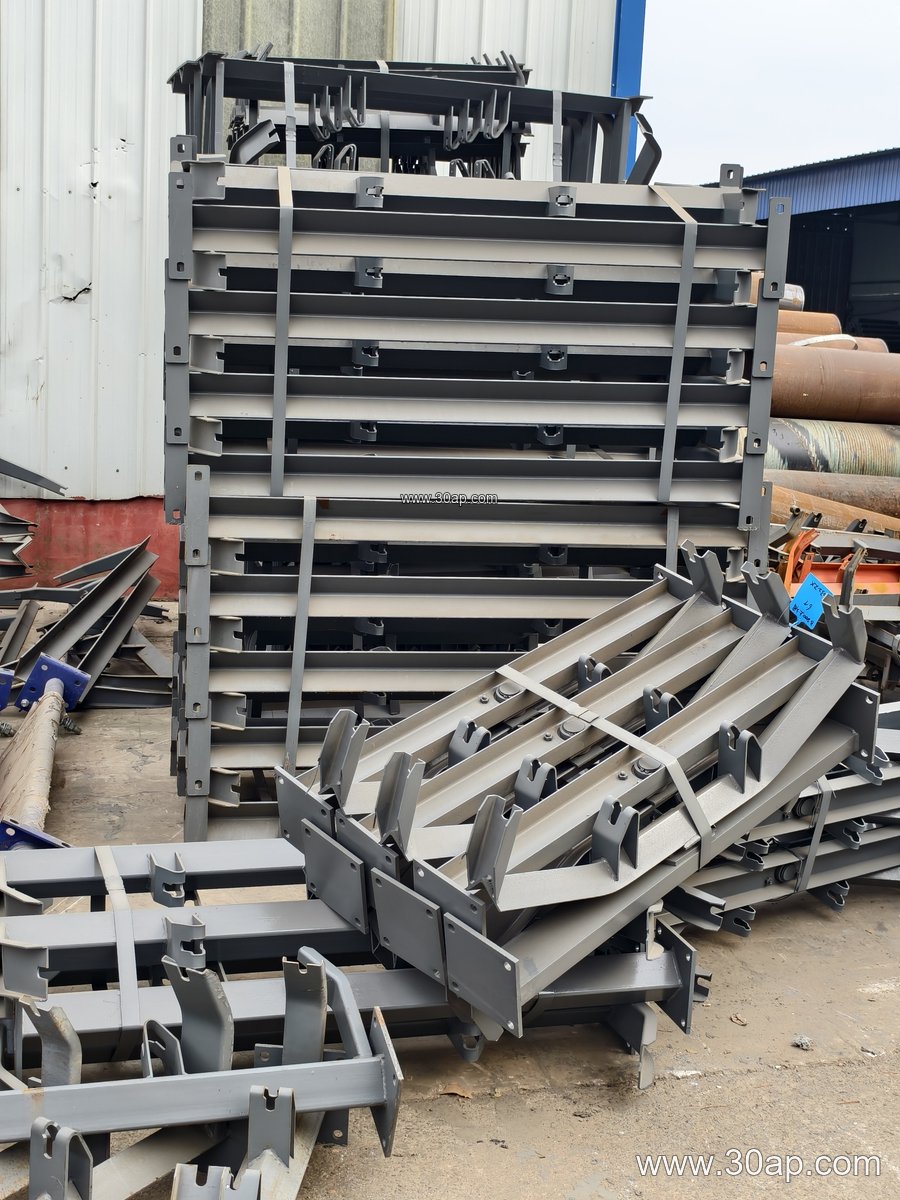
Most brackets are fabricated from angle steel, channel steel, or folded steel plate. The material and thickness are usually selected according to belt width, load, and the environment. A dusty coal preparation plant may call for a robust, easy-to-clean design, while a port conveyor may need good corrosion protection for humid air.
Typical features include mounting slots for the roller shaft, a cross beam or frame connection, and sometimes an adjustable arm that changes the trough angle. Installation hole spacing and beam length are not fixed values; they normally follow the belt width, the trough angle, and the conveyor frame design.
Main Types and Where They Sit
Brackets are usually grouped by their position and function along the conveyor. The table below gives common examples, not a mandatory list.
| Type | Typical Position | Function |
|---|---|---|
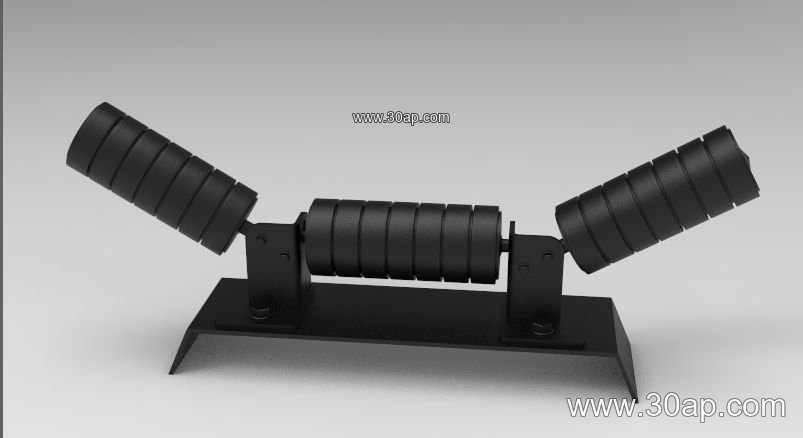
| Troughing bracket | Carrying side | Holds three rollers in a trough shape to support the loaded belt |
| Transition bracket | Near a pulley or loading point | Guides the belt gradually from flat to troughed shape |
| Return bracket / flat return bracket | Return side | Supports the empty belt run |
| V-return bracket | Return side | Helps center the belt and clear loose material |
| Impact bracket | Below a loading chute | Carries impact rollers that absorb falling material |
| Self-aligning bracket | Where belt drift is a concern | Allows slight pivoting to correct belt tracking |
| Adjustable bracket | Carrying side | Permits changes among common trough angles |
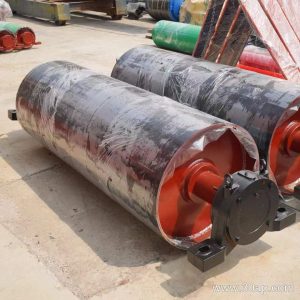
Do not confuse these with a drive pulley, tail pulley, or bend pulley. Those are rotating drums that transmit motion or change belt direction, while the bracket is a stationary support. A conveyor pulley and an idler bracket may be close to each other at a transfer point, but they are not interchangeable parts.
Trough Angle, Belt Width and Roller Diameter
Trough angle affects how the belt contains the load. Common values are 20, 30, 35 and 45 degrees. A 45 degree trough is often used where material needs a deeper bed, while a 20 or 30 degree arrangement may suit lighter or wider belts. Adjustable brackets can move among these angles within their design range.
Typical belt widths include B500, B650, B800, B1000, B1200, B1400, B1600, B1800 and B2000. Roller diameters often range from Ø89, Ø108, Ø133, Ø159 to Ø194. A combination such as B800, 35 degrees, Ø108 or B1200, 45 degrees, Ø133 can appear in design documents, but these are reference examples rather than fixed rules. One belt width can work with more than one trough angle or roller diameter, depending on belt speed, capacity and material.
How the Bracket Works With the Belt and Rollers
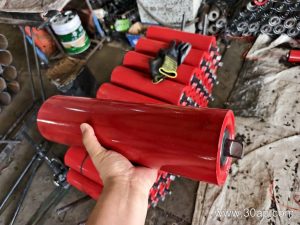
The bracket must match the roller shaft, the frame height, and the belt line. If the mounting height is wrong, the belt may run unevenly or the rollers may not contact the belt properly. In a crushing and screening line, poor alignment can lead to edge damage on an abrasion resistant conveyor belt or a heavy-duty mining conveyor belt. In a power plant coal yard, a loose bracket can cause tracking problems on a flame retardant conveyor belt.
Forward-leaning brackets, often around 1.5 to 2 degrees, are sometimes used to help belt tracking. They are a separate design point from the trough angle and should be specified with the roller arrangement in mind.
Buyer Checklist Before Ordering
- Confirm the bracket type and its position: carrying side, return side, transition, impact or self-aligning.
- Provide belt width and required trough angle; state whether adjustment is needed.
- Match roller shaft size and roller diameter, such as Ø108 or Ø133.
- Check frame dimensions, hole spacing and mounting method against the existing structure.
- Specify material and surface treatment for the site, whether a quarry, cement plant, or port.
- Ask for a dimensional drawing so the bracket fits the conveyor frame without field modification.
For more product information, visit www.example.com/conveyor-idler-bracket or send the drawing of your belt conveyor for a matching check.