What the PVG800S Conveyor Belt Is
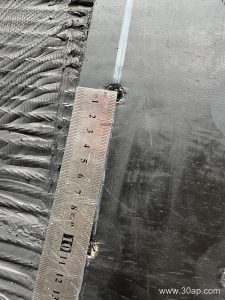
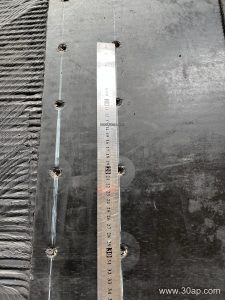
The PVG800S is a solid-woven, PVC-impregnated conveyor belt with a smooth cover, typically supplied as a flame-retardant and anti-static grade for underground coal mining and similar closed environments. In the PVG family, the 800S designation points to a belt with a tensile strength of around 800 N/mm and an S-type cover finish that resists abrasion and material adhesion. Buyers often search for this product as a PVG800 conveyor belt, but the S suffix is a distinct subtype and should not be swapped for a plain PVG800 when a specific surface is required.
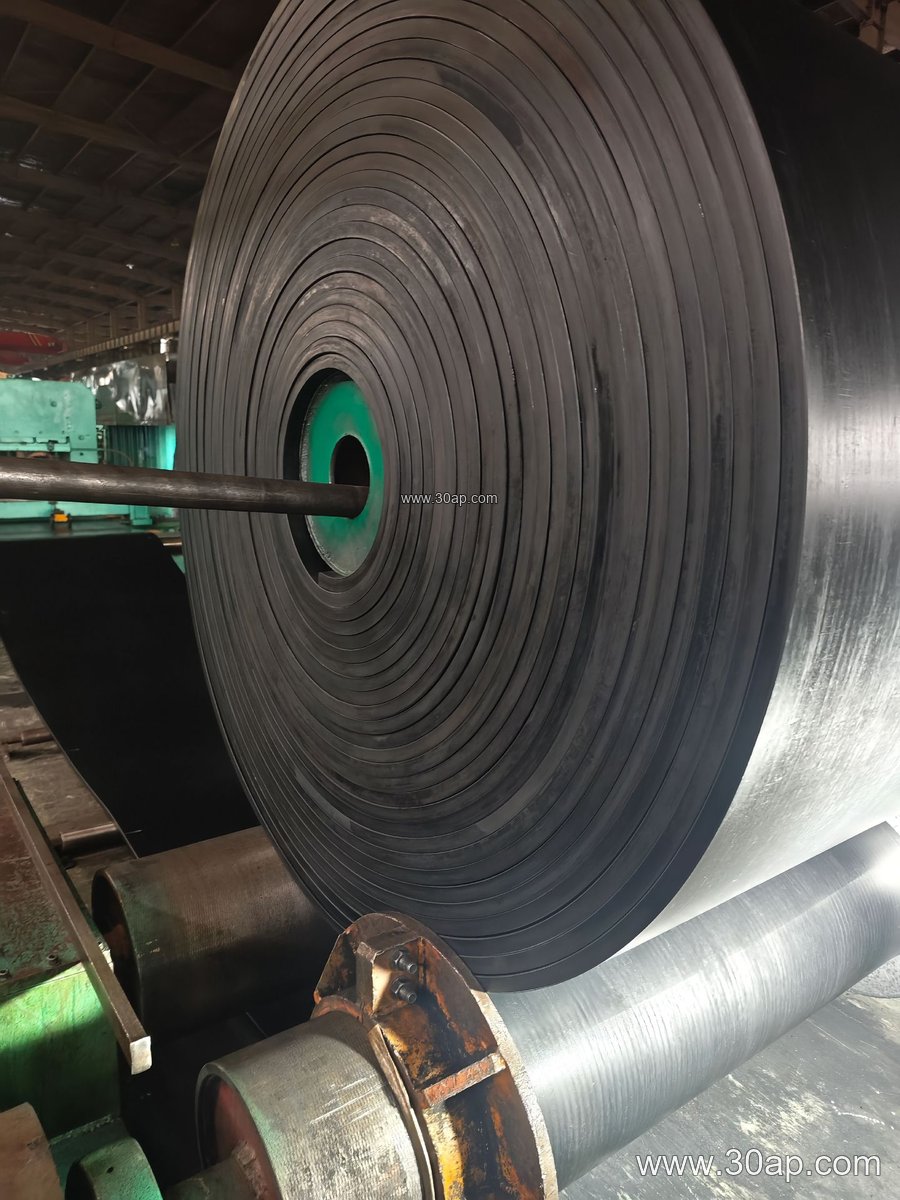
Unlike a multi-ply fabric core conveyor belt, the PVG800S uses a single solid-woven carcass fully dipped in PVC. This construction gives it good troughability, low elongation, and reliable performance on conveyors with relatively small pulleys and tight transitions.
Construction and Surface Details
The carcass is a tightly woven synthetic fabric, usually polyester and nylon, impregnated with polyvinyl chloride. The cover is applied as a PVC layer, and the S-type finish is designed to reduce sticking of wet fines and to improve discharge at the head pulley. Typical property values for this grade are shown below; actual figures depend on the manufacturer and the specific order.
| Property | Typical range |
|---|---|
| Belt type | PVG800S (solid woven, PVC impregnated) |
| Tensile strength | 800 N/mm |
| Belt widths | B800, B1000, B1200, B1400, B1600 |
| Cover thickness | 1.5 mm to 3 mm per side, depending on design |
| Total thickness | 8 mm to 14 mm, by construction |
| Flame retardancy | Available as flame retardant |
| Anti-static | Available as anti-static |
Because the belt is solid woven, it does not delaminate in the same way as a layered fabric belt. The PVC matrix also resists moisture, which is useful in underground coal mining conveyor belt applications where humidity and wet fines are common.
Where It Fits in the Conveyor System
The PVG800S conveyor belt is most often found in coal mining, tunnel development, and underground mining conveyors. Its flame-retardant and anti-static properties make it a practical choice for coal faces and transfer points where fire risk and static charge must be controlled. It also appears in cement plants, power plants, and some quarry conveyor lines handling moderately abrasive bulk material.
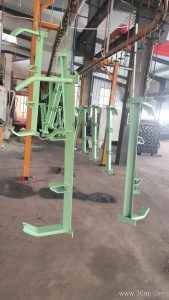
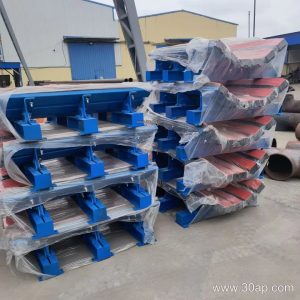
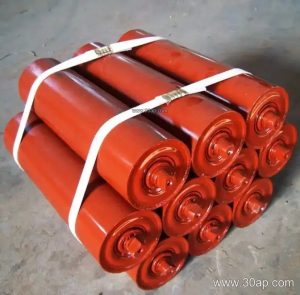
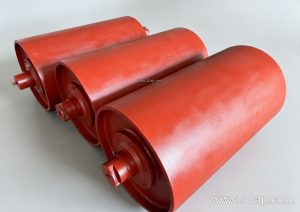
On the conveyor structure, the belt runs over idler rollers that support the load and through conveyor pulleys that drive and redirect it. The drive pulley, tail pulley, and bend pulleys each have a different role, and none of them can be substituted for another during layout or maintenance. Conveyor brackets hold the idlers and pulleys in alignment. The PVG800S is compatible with standard three-roller troughing idlers and with the take-up arrangements used in underground gate roads.
Selection Notes for Buyers
When specifying a PVG800S, confirm the belt width, cover thickness, and whether the S-type cover is required for the material being carried. A belt width such as 1000 mm or 1200 mm does not fix a single pulley diameter; the drive pulley and tail pulley diameters are determined by the conveyor design, the belt tension, and the shaft load. Do not assume a shaft diameter from belt width alone.
Compare this grade with other options only where relevant. A steel cord conveyor belt or an EP conveyor belt may suit long overland runs and higher tensions, while a chevron conveyor belt is a different answer for steep inclines. For sticky wet coal, the smooth S-type cover of the PVG800S often performs better than a rough cover, provided the discharge point is well designed.
Maintenance and Handling
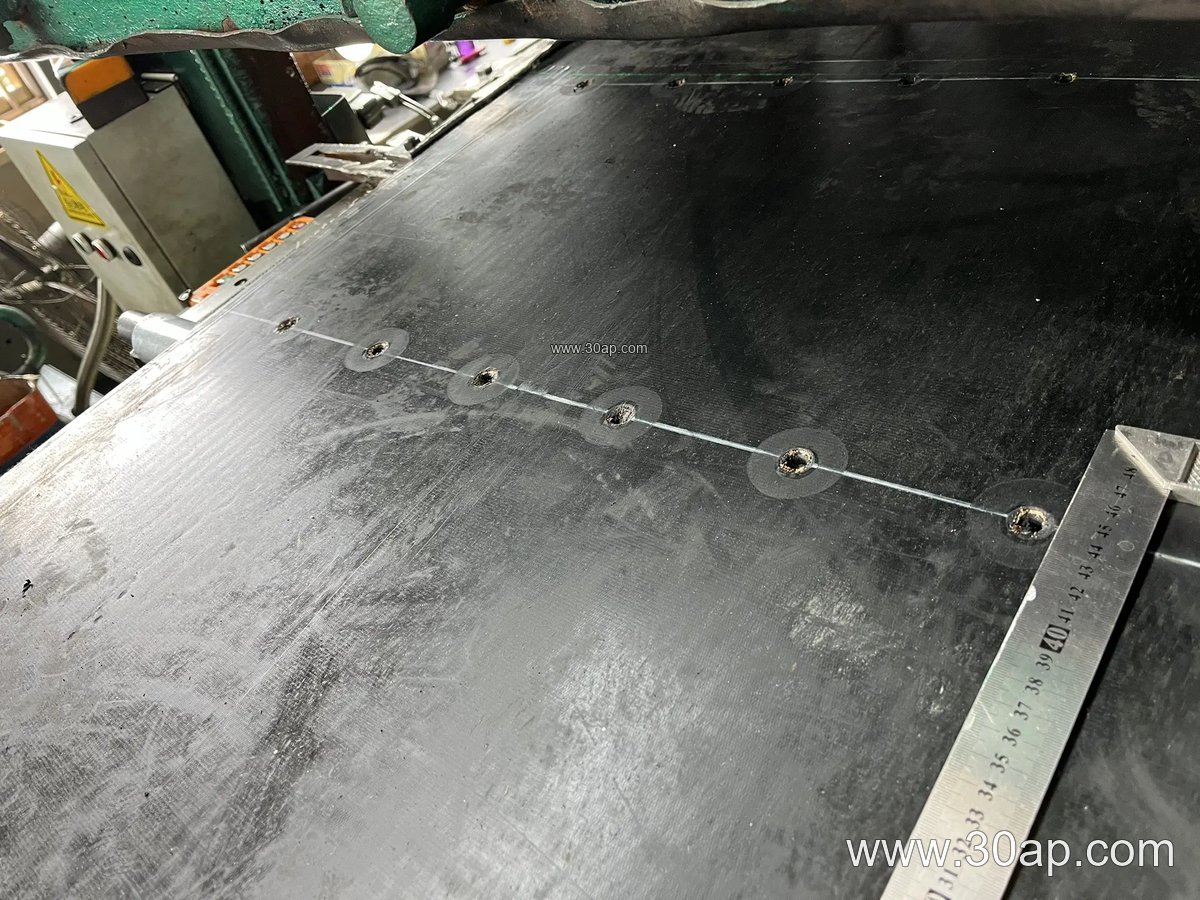
Inspect the belt regularly at the drive pulley, tail pulley, and bend pulleys for edge wear, cover damage, and material buildup. Keep idler rollers turning freely and check conveyor brackets for looseness. Store spare PVG800S belts flat and away from sharp edges. During splicing, follow the belt maker’s instructions and use the correct splice material for PVC solid-woven belts. With proper tensioning and alignment, the belt gives long service in coal and mineral handling.
For related components such as conveyor pulley, idler roller, and conveyor bracket choices, match the belt’s rated tension and width to the conveyor design rather than selecting parts by habit.