What a Return Self-Aligning Idler Does
A return self-aligning idler is a training idler mounted on the return strand of a conveyor. Its job is to keep the conveyor belt centered as it travels back toward the tail pulley. Unlike a fixed flat return idler, this idler responds to belt misalignment by pivoting slightly, which encourages the belt to steer back to the correct path. In quarries, coal preparation plants, and cement lines, this small correction can prevent edge damage and material spillage.
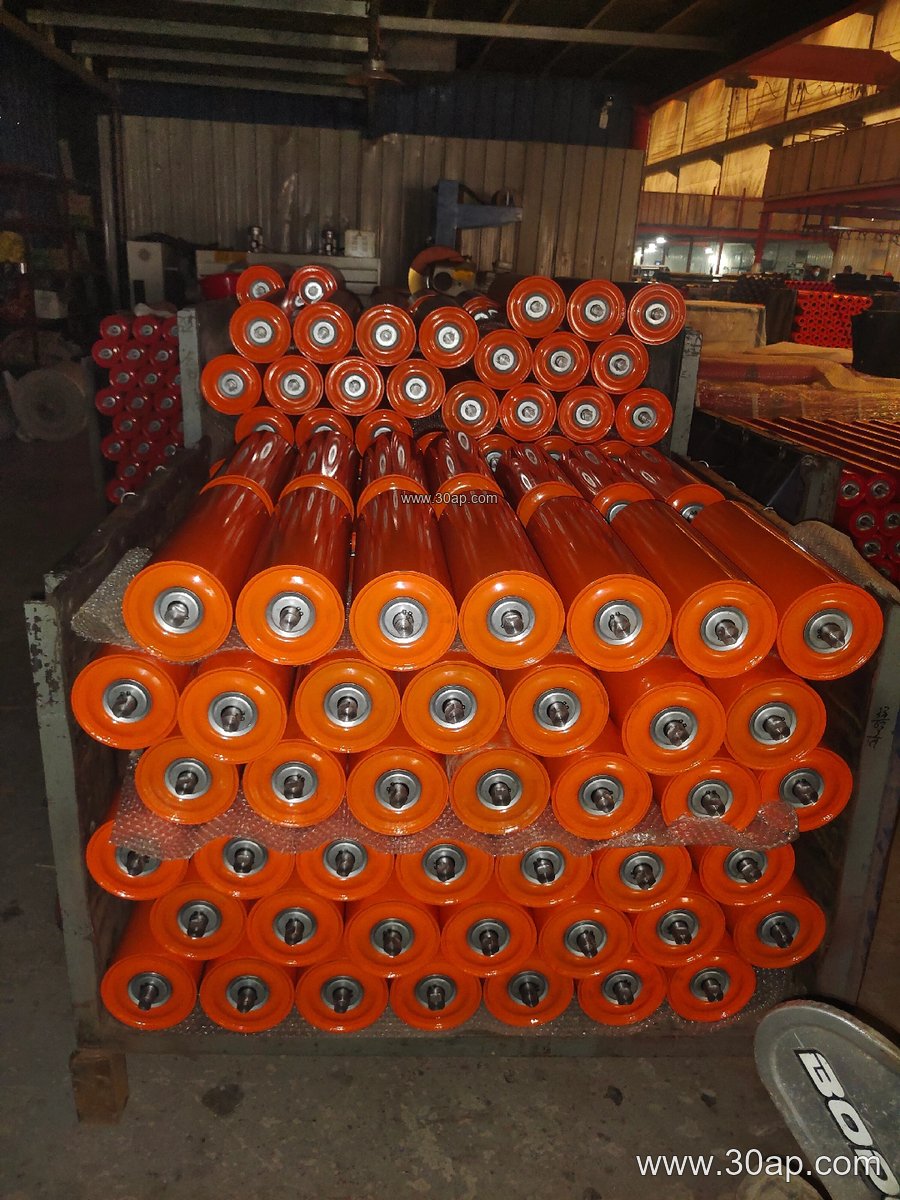
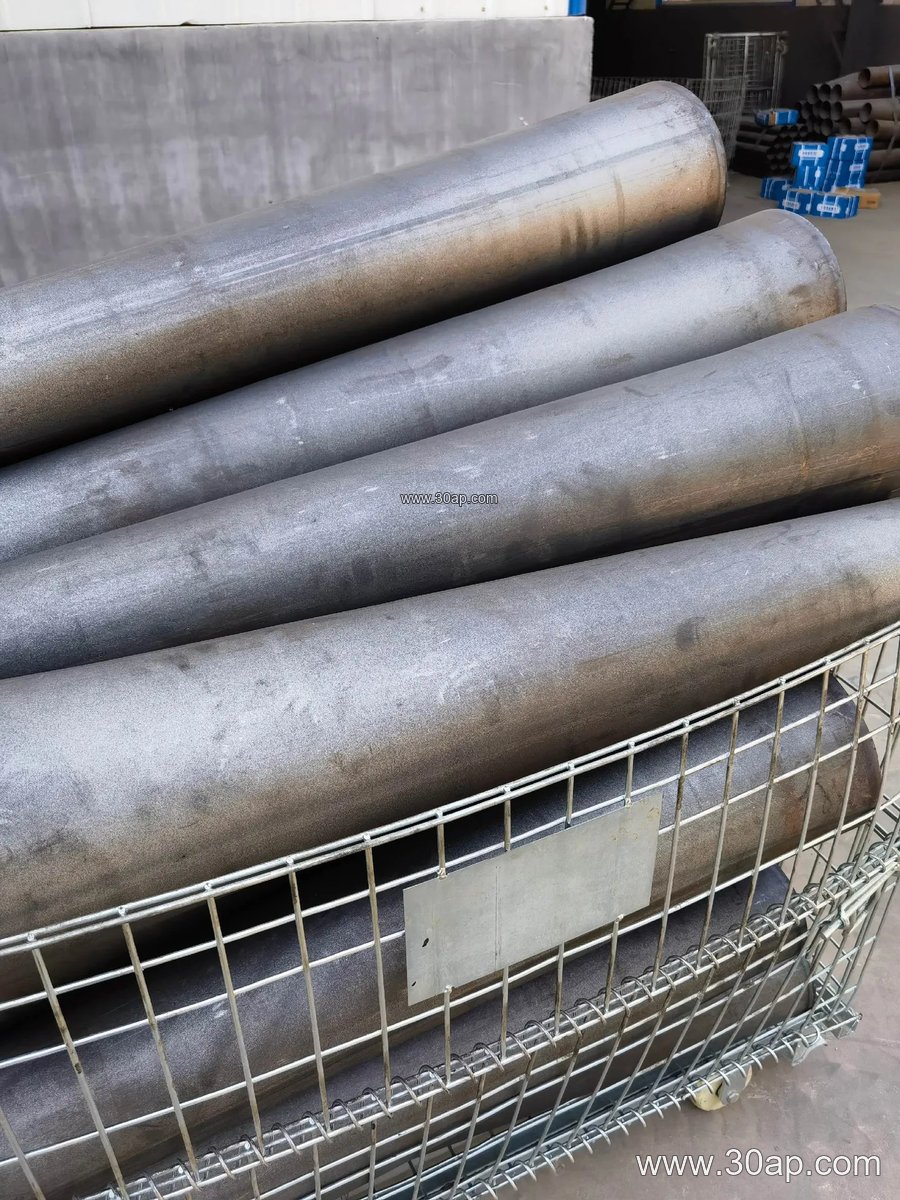
The idler roller itself is usually a steel tube fitted with sealed bearings. The self-aligning action comes from the mounting arrangement, often a pivoting frame or bracket that allows the idler to rotate in the horizontal plane. Some designs use a slight forward tilt of the idler rolls to generate a corrective force when the belt drifts.
How It Is Built and Where It Fits
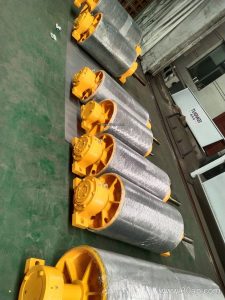
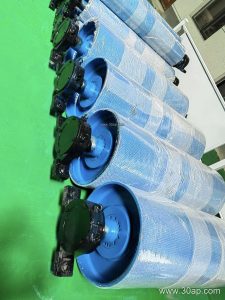
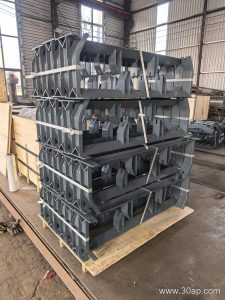
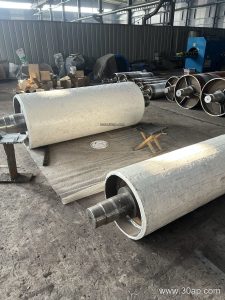
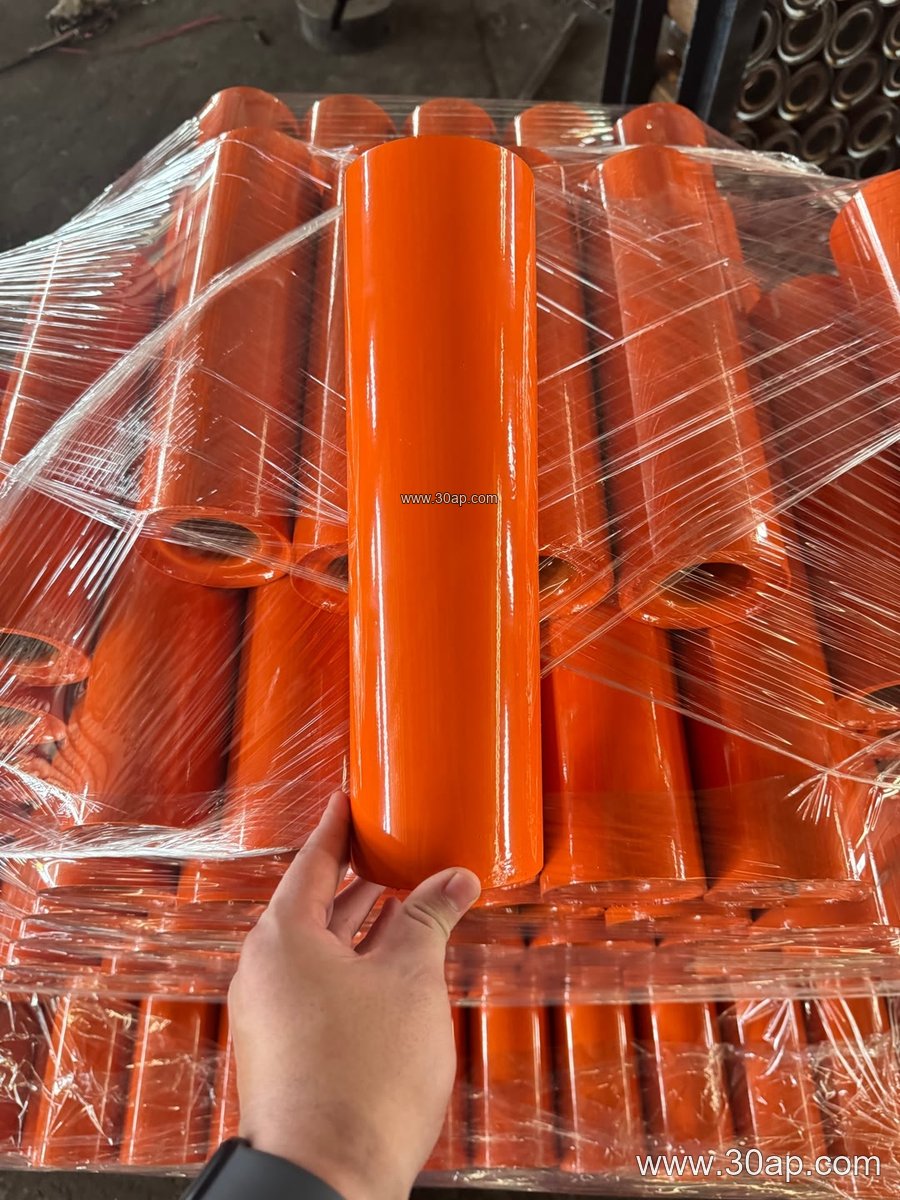
A typical return self-aligning idler consists of one or two rollers, a pivot base, and a sturdy conveyor bracket. The roller surface may be plain steel, or it may carry a rubber disc or nylon covering to reduce wear and buildup. Bearing sizes vary with load and diameter; common options include 6205, 6305, and 6308, but the bearing is selected to match the idler’s load rating, not just its shaft size.
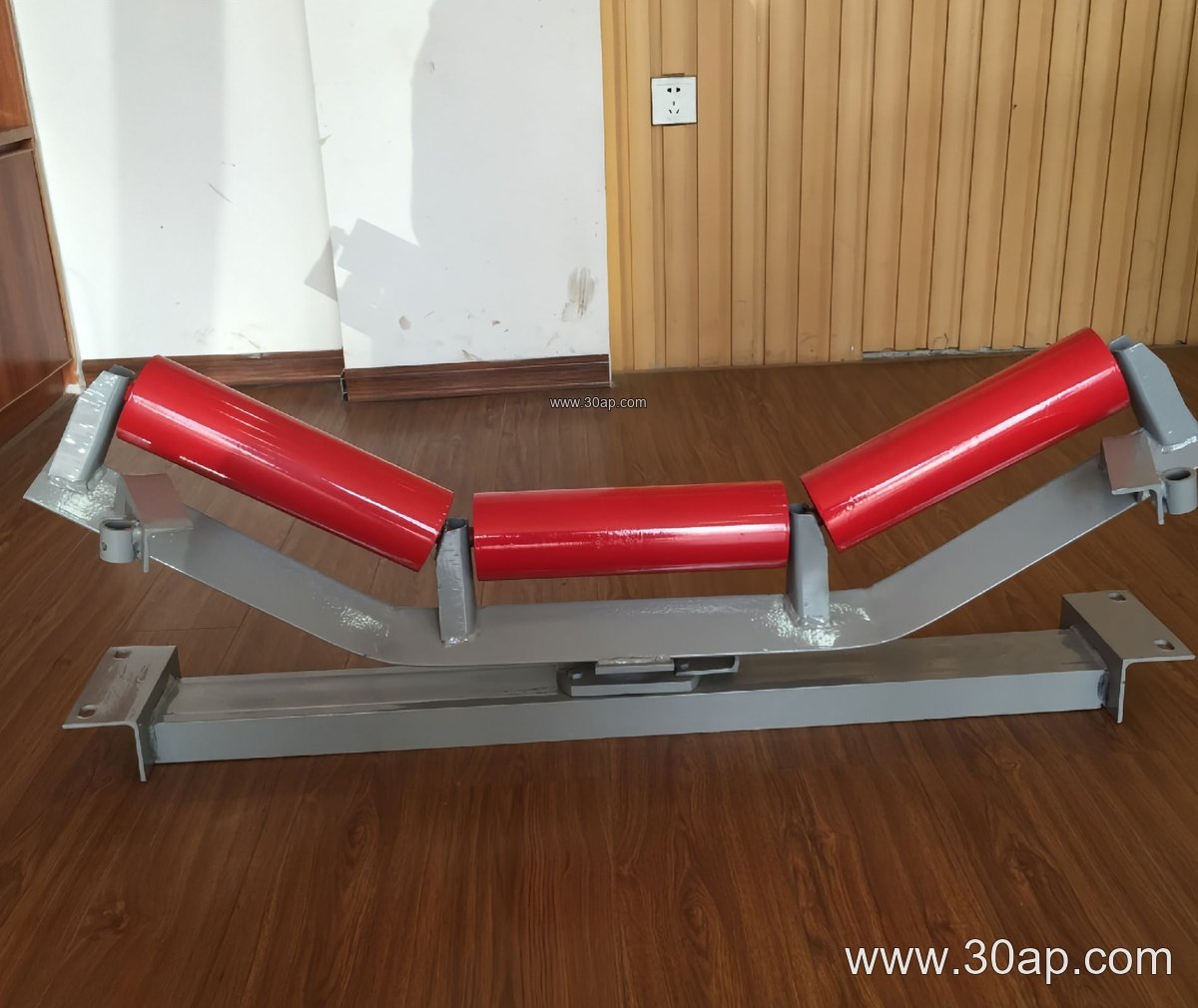
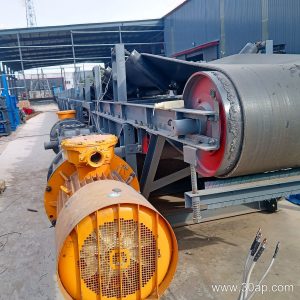
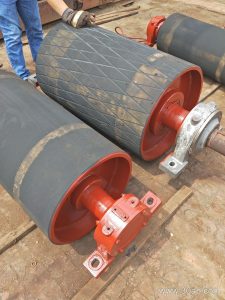
This idler is installed on the return run, after the belt leaves the head pulley and before it reaches the tail pulley. It is not a substitute for a bend pulley or a tail pulley, which serve different functions in the conveyor drive and tensioning system. Rather, it works alongside flat return idlers and V-return idlers to maintain belt alignment.
Typical Applications and Belt Considerations
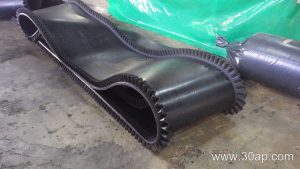
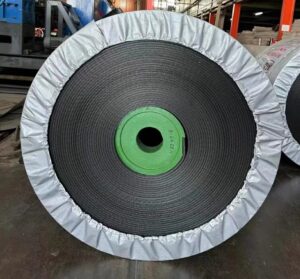
Return self-aligning idlers are common in abrasive and dusty environments such as aggregate plants, iron ore concentrators, and power plant coal handling. They pair well with abrasion resistant conveyor belt, flame retardant conveyor belt, and heat resistant conveyor belt where local conditions demand it. For long overland conveyors carrying bulk material conveyor belt, a few self-aligning return idlers placed at strategic points can reduce the need for manual tracking adjustments.
On wider belts—for example 1200mm conveyor belt or 1400mm conveyor belt—the idler frame must be sized accordingly. The roller length is not fixed; it follows belt width, trough angle, and the idler arrangement. A three-roll troughing set on a 1000mm belt might use a center roll of about 380 mm, but the return self-aligning idler is usually a single or two-roll design with its own dimensions.
Dimensions and Selection Notes
The table below shows common reference values for return self-aligning idlers. These are examples, not universal specifications; actual dimensions depend on the conveyor design and the manufacturer’s catalog.
| Parameter | Common Range or Example | Notes |
|---|---|---|
| Roller diameter | Ø89, Ø102, Ø108, Ø127, Ø133, Ø159 | Selected by load and belt width |
| Belt width | B500 to B2000 | Idler frame sized to belt width |
| Roller surface | Steel tube, rubber disc, nylon | Rubber helps with buildup and impact |
| Bearing | 6205, 6305, 6308, 6310 | Match to load rating, not just shaft |
| Trough angle (reference) | 20°, 30°, 35° | Return idlers are usually flat |
When specifying, state the belt width, the return strand layout, and the expected belt speed. A self-aligning idler on a short conveyor may need only one unit; a long conveyor may need several, spaced according to the manufacturer’s recommendation. Avoid mixing this idler with drive pulleys or tail pulleys in the same selection step—they are different components with different design criteria.
Maintenance and Buyer Checklist
- Check that the pivot mechanism moves freely and is not seized by dust or rust.
- Inspect the idler roller for wear, buildup, or bearing noise.
- Confirm that the conveyor bracket is secure and aligned with the belt path.
- For abrasive service, consider a rubber-covered roller or a design that sheds material.
- Verify that the idler’s load rating suits the belt tension and material load.
A return self-aligning idler is a small but useful part of a conveyor system. It does not replace proper pulley alignment or belt tensioning, but it can extend belt life and reduce downtime in demanding industries such as mining, quarrying, and cement production.