What a Carrying Idler Set Does on a Conveyor
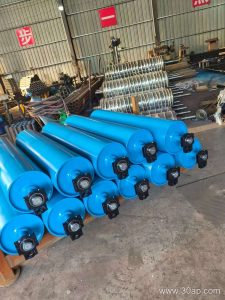
A carrying idler set is the group of rollers mounted on the load side of a conveyor frame, the part that directly supports the belt and the material riding on it. In everyday plant language it is often called a troughing idler set or simply a carrying roller assembly. The set is usually built as one, two or three rollers fixed in a frame, with the side rollers inclined to form a trough so that bulk material stays centered on the belt.
The trough shape matters as much as the roller itself. A three-roll set at 35 degrees is a common choice for general bulk handling, while 45 degrees gives a deeper trough for higher capacity. On a quarry conveyor or a cement plant transfer line, the trough angle influences how much material the belt can carry without spillage, and it also affects the load placed on the belt edges.
Construction Details That Affect Service Life
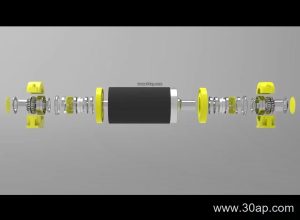
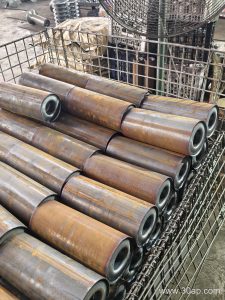
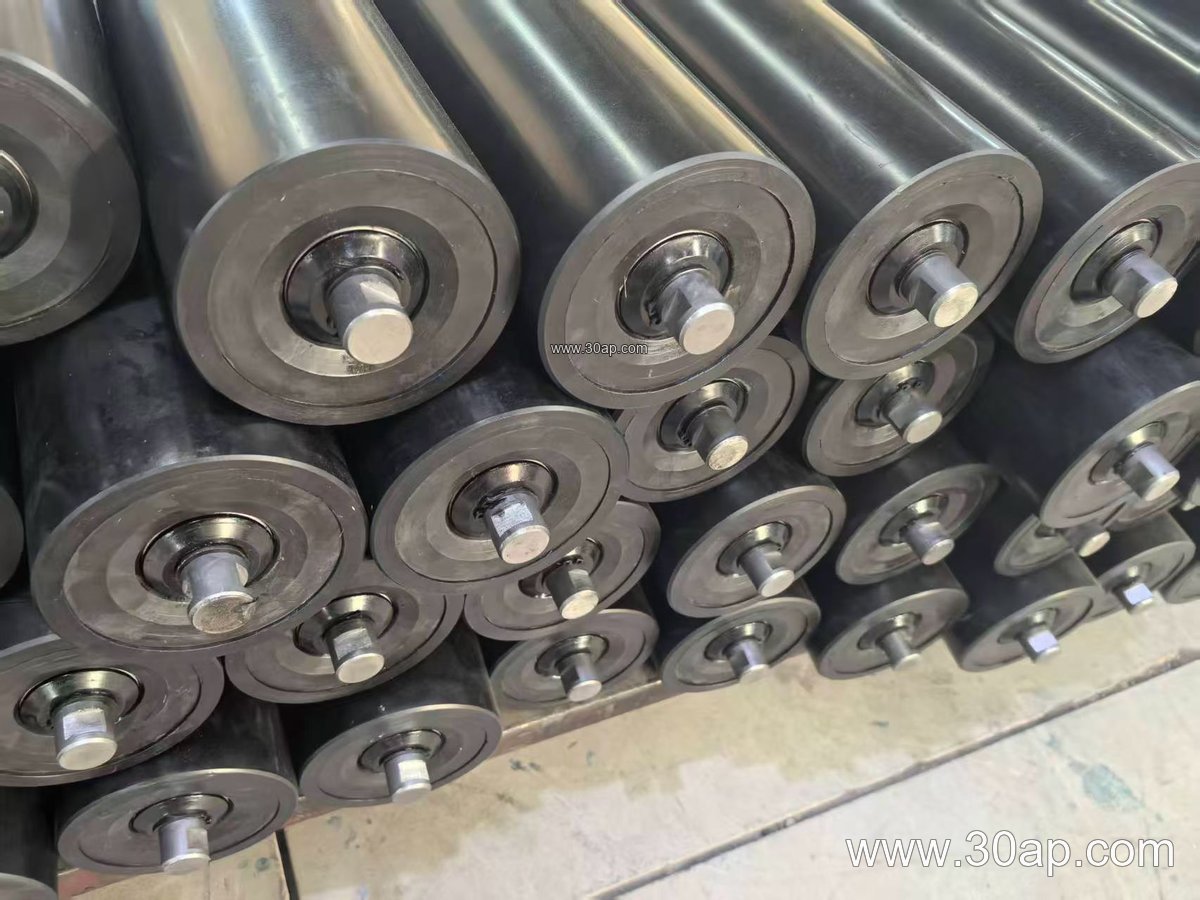
Each roller in the set normally consists of a steel tube, a shaft, bearing housings at both ends, and a sealing arrangement. Roller diameters commonly range from Ø63 up to Ø219, and the diameter is chosen together with belt width and belt speed rather than in isolation. A larger diameter roller turns more slowly, which can help in dusty or high-load positions.
Bearing selection follows the duty. Common bearing sizes include 6204, 6205, 6305, 6306, 6308 and 6310, but the same bearing number can appear in rollers of different diameters depending on the manufacturer’s design. Seals are the quiet hero of the assembly; in a coal mining conveyor or an ore conveyor, fine dust and moisture are the main enemies of bearing life.
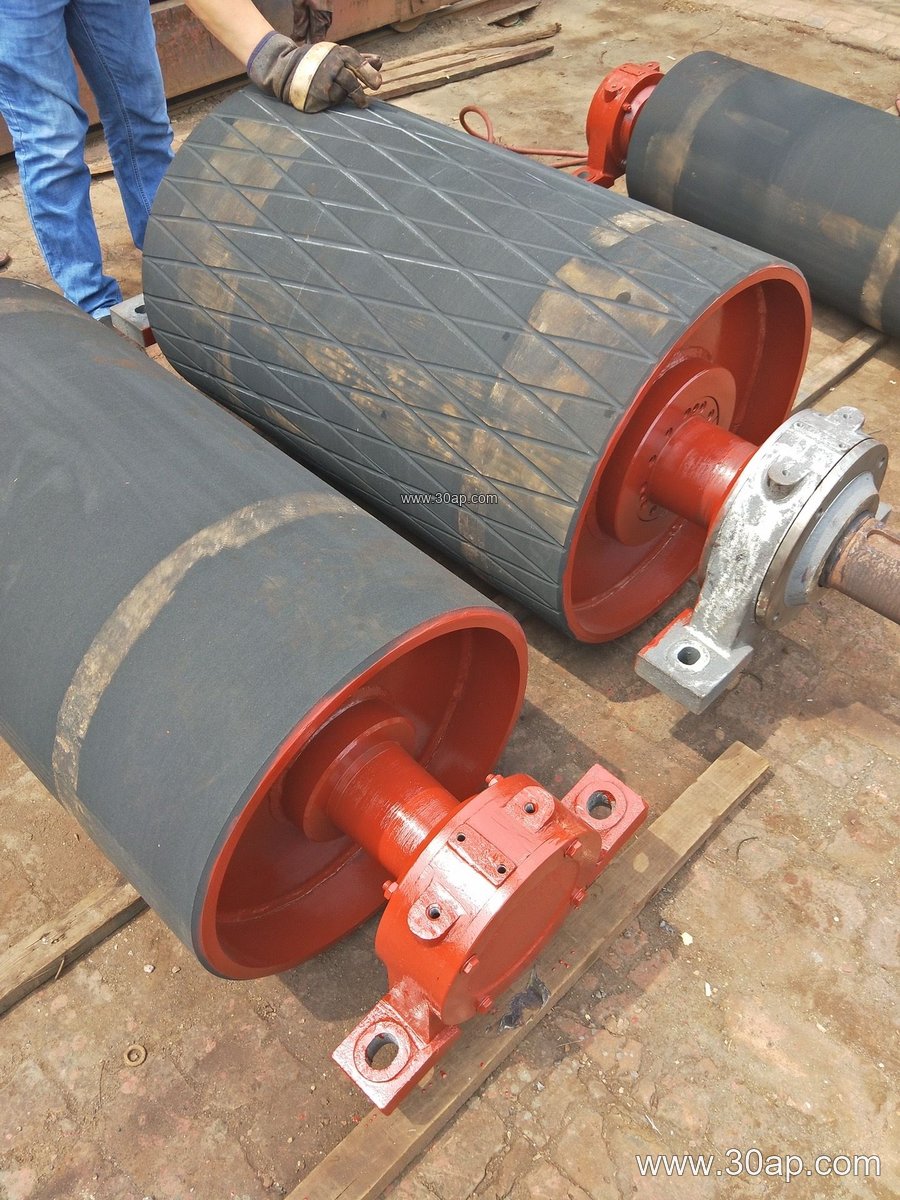
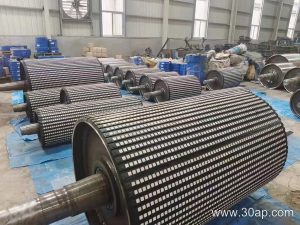
The roller surface may be plain steel, nylon, ceramic or rubber-covered. Rubber rings are often used on impact idler sets at loading points, while ceramic or nylon covers are seen where sticky material builds up on plain steel. The frame and brackets should match the conveyor bracket spacing and the belt width so the set sits squarely under the belt.
Common Sizes and Reference Data
The table below gives typical reference values. These are examples for orientation, not fixed combinations, and final dimensions are confirmed by design.
| Belt width | Typical roller length, three-roll troughing set | Common roller diameters |
|---|---|---|
| B500 | about 200 mm | Ø63, Ø76, Ø89 |
| B650 | about 250 mm | Ø76, Ø89, Ø102 |
| B800 | about 315 mm | Ø89, Ø102, Ø108 |
| B1000 | about 380 mm | Ø102, Ø108, Ø127 |
| B1200 | about 465 mm | Ø108, Ø127, Ø133 |
| B1400 | about 530 mm | Ø127, Ø133, Ø159 |
| B1600 | about 600 mm | Ø133, Ø159, Ø178 |
| B1800 | about 670 mm | Ø159, Ø178, Ø194 |
| B2000 | about 750 mm | Ø178, Ø194, Ø219 |
Side rollers and the center roller can differ in length, so the figures above are a starting point rather than a rule. A set for an 800mm conveyor belt and a set for a 1200mm wide conveyor belt will not share the same frame, even if the roller diameter looks similar.
Where These Sets Are Used
Carrying idler sets appear wherever a belt carries material over distance. In a limestone quarry or a sand and aggregate line they support crushed stone on the main haul conveyor. In a coal preparation plant or a power plant coal yard they carry fuel toward the boiler or stockpile. In a copper ore or iron ore operation they work under heavy, abrasive loads, often paired with an abrasion resistant conveyor belt. Cement plants use them on clinker and raw meal lines, and ports use them on ship loading conveyors.
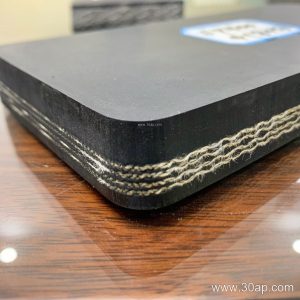
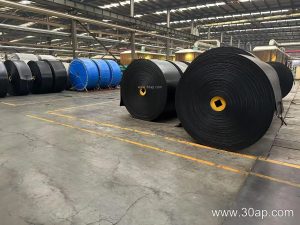
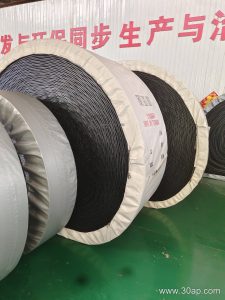
The belt itself is only half of the system. A steel cord conveyor belt or an EP conveyor belt needs consistent roller support to keep its tension and tracking stable, and a poorly aligned carrying set can wear a belt edge long before the belt reaches its expected service life.
What Buyers Should Check Before Ordering
- Confirm belt width, trough angle and whether the set is one, two or three rolls.
- Match the roller diameter to belt speed and load, not to a catalog habit.
- State the environment: dust, water, heat or oil will change seal and cover choices.
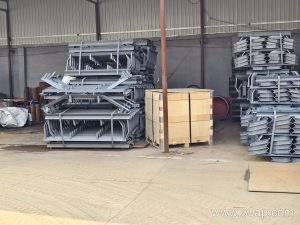
- Check bracket hole spacing and frame height against the existing conveyor bracket.
- Ask for the roller length of each position, since center and side rollers may differ.
- Keep spare rollers from the same batch so wear patterns stay even.
For an existing line, the safest approach is to measure the old set, note the roller diameter and bearing number, and describe the duty to the supplier. A carrying idler set that fits the frame and matches the belt is a small component, but it keeps the whole conveyor running smoothly from the tail to the discharge pulley.