What the EP500 Conveyor Belt Is
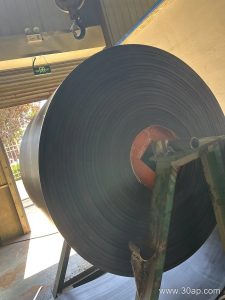
The EP500 Conveyor Belt is a heavy-duty fabric-core belt built around polyester (EP) warp and nylon weft cords. The “500” refers to its nominal tensile strength of 500 N/mm per ply, which places it in the upper-mid range of EP constructions. In practice, this EP rubber conveyor belt is chosen when a single-ply or two-ply design must carry substantial loads without the stiffness and splice complexity of a steel cord belt. It is often supplied as an EP fabric core conveyor belt with two to four plies, depending on the duty and the pulley arrangement.
Buyers searching for a belt that balances strength, troughability and impact resistance frequently compare the EP500 Conveyor Belt with an NN conveyor belt of similar rating. The EP version generally offers lower elongation and better moisture resistance, which matters in washing plants and wet quarries.
Construction and Common Specifications
An EP500 belt usually combines multiple EP fabric plies with top and bottom rubber covers. Cover thickness is selected for the abrasion, impact and temperature profile of the site. Typical cover combinations include 4+2 mm, 5+2 mm, 6+2 mm and 8+3 mm. The table below lists representative values that appear in supplier catalogues; actual figures are confirmed per order and per manufacturer.
| Property | Common range or example |
|---|---|
| Strength grade | EP500 (500 N/mm per ply) |
| Number of plies | 2 to 4 |
| Belt width | B650, B800, B1000, B1200, B1400, B1600 |
| Cover thickness | 4+2 mm, 5+2 mm, 6+2 mm, 8+3 mm |
| Surface form | Smooth, abrasion resistant, flame retardant, heat resistant |
Widths up to 1800 mm or 2000 mm can be produced for large port and bulk terminal conveyors, but the belt width must be matched to the pulley face width, the idler roller spacing and the load profile rather than assumed from the strength grade alone.
Where It Fits in the Plant
The EP500 Conveyor Belt appears across mining, quarrying, cement, power and port operations. In a quarry conveyor belt line it often handles crushed stone from the secondary crusher to the screening tower. In a cement plant conveyor belt it may feed clinker or raw meal, provided the cover compound suits the temperature. Coal handling in a power plant conveyor belt system calls for a flame retardant and anti-static version, while an iron ore conveyor belt or copper ore conveyor belt duty usually emphasizes abrasion resistance and impact resistance at the loading point.
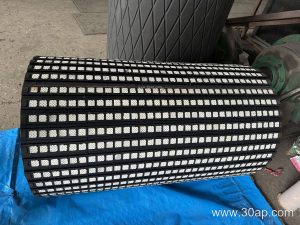
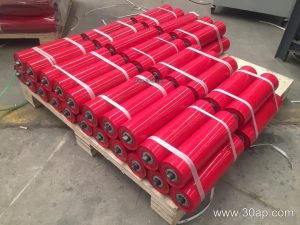
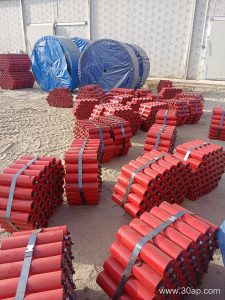
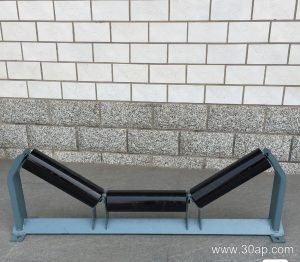
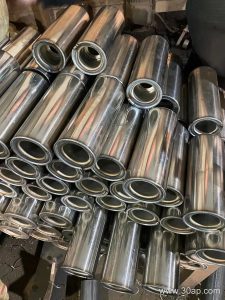
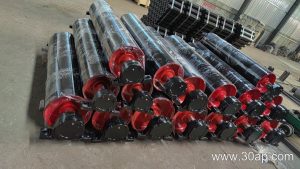
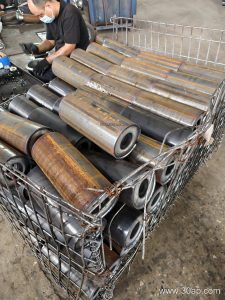
Supporting components matter as much as the belt. A well-aligned idler roller set reduces edge wear, and a correctly sized conveyor pulley at the drive, tail and bend positions protects the splice. The belt, idlers and pulleys are separate items and are not interchangeable; a drive pulley, a tail pulley and a bend pulley each serve a different function in the same conveyor.
Selection Notes for Buyers
- Strength versus ply count: Confirm the required belt tension and the safety factor before fixing the number of plies. A higher-strength EP500 belt does not automatically mean fewer plies are suitable for every conveyor.
- Cover compound: Choose an abrasion resistant conveyor belt cover for sharp rock, a heat resistant conveyor belt cover for hot clinker or sinter, and a flame retardant conveyor belt or fire resistant conveyor belt cover for underground coal mining and enclosed galleries.
- Width and speed: Belt width and speed are designed together with the troughing angle of the idler roller and the material angle of repose. A 1200mm wide conveyor belt is common in primary crushing circuits, but the final choice depends on tonnage and lump size.
- Splice and pulley match: The pulley diameter and the belt thickness must be checked together. Do not derive a shaft diameter from belt width alone; the conveyor bracket and shaft are engineered from the actual load case.
- Environment: For cold climates consider a cold resistant conveyor belt cover; for oily scrap or recycled material consider an oil resistant conveyor belt cover.
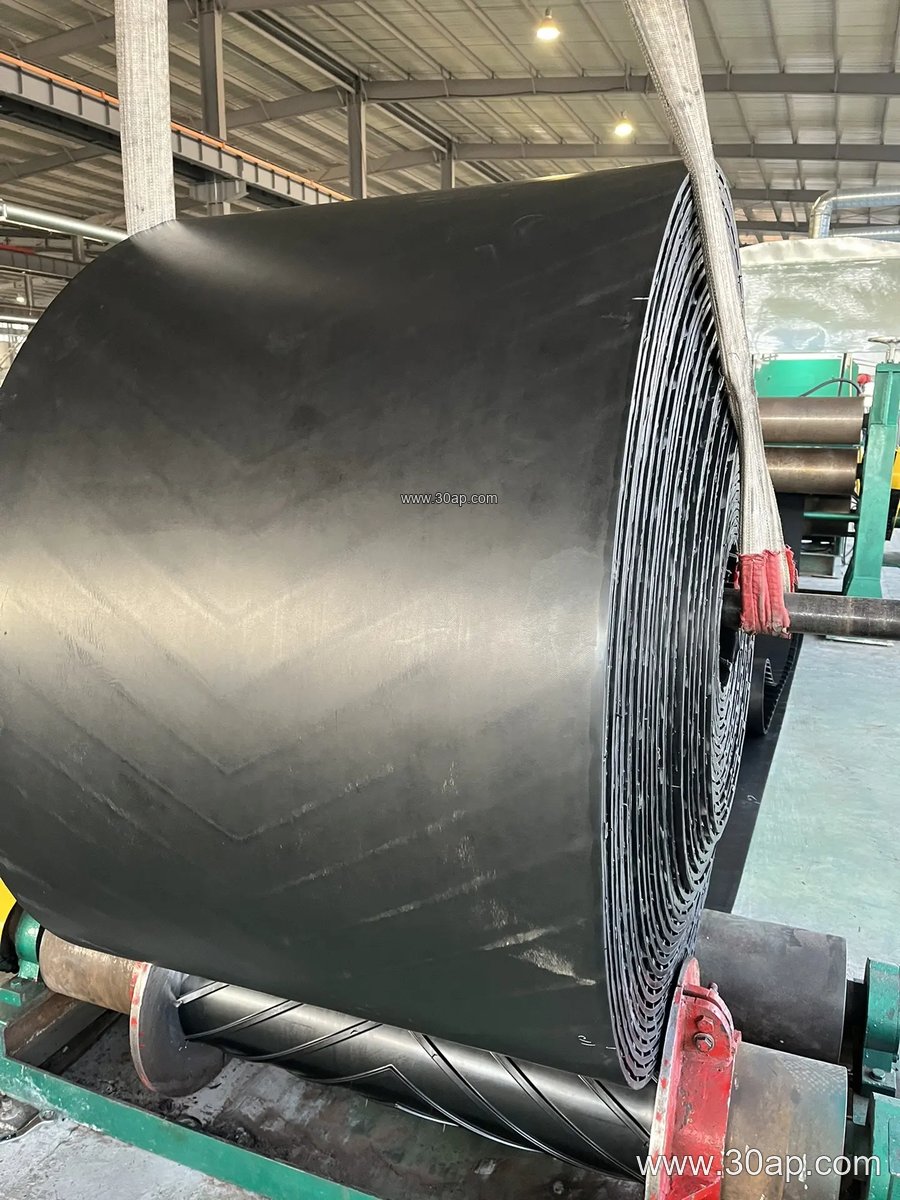
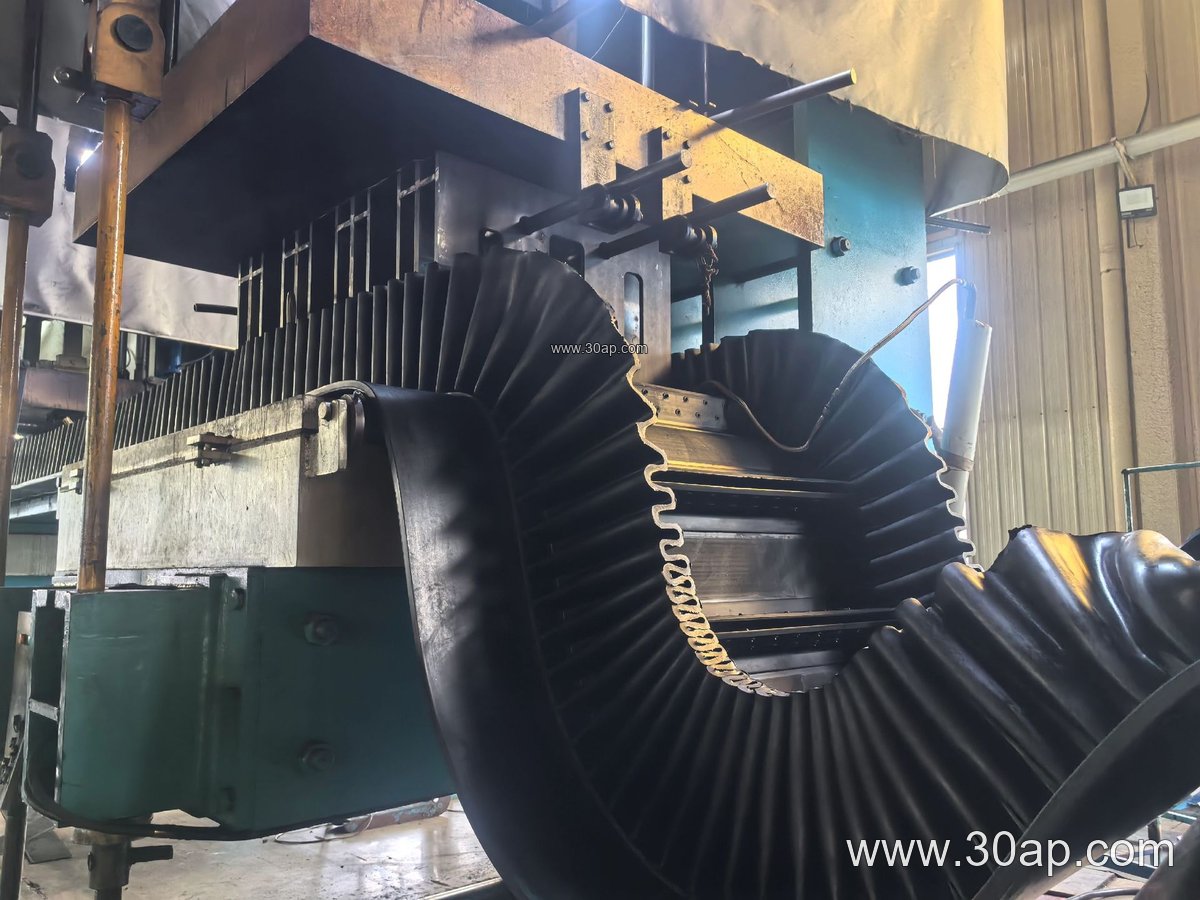
Where a more specialized profile is needed, a chevron conveyor belt or a corrugated sidewall conveyor belt may be considered for steep inclines, but these are separate designs and not replacements for a standard EP500 flat belt on a conventional troughing conveyor.
Installation and Maintenance Basics
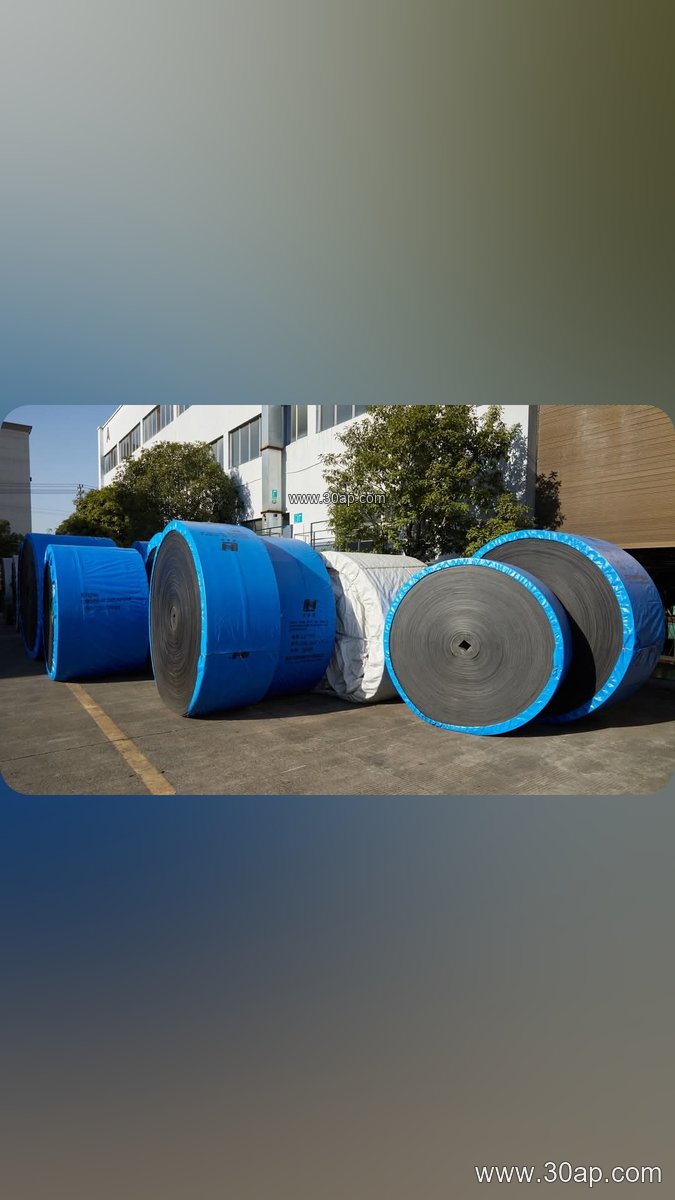
Store the EP500 Conveyor Belt in a dry, shaded area and avoid sharp bends during handling. During installation, check that the conveyor pulley faces are square to the frame and that the idler roller frames are aligned before tensioning. Track the belt at low speed first, then increase load gradually. Inspect the splice, edges and cover wear at regular intervals; a small cover repair is cheaper than a full replacement. Keep the conveyor bracket bolts tight and monitor pulley lagging, because a worn drive pulley reduces grip and can lead to slippage that damages the belt.
For a full selection review, match the EP500 Conveyor Belt grade to the actual tonnage, lump size, incline and ambient conditions, and confirm every dimensional value with the belt manufacturer before ordering.