What a Loading Point Impact Idler Does
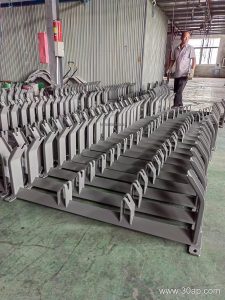
A loading point impact idler is the shock-absorbing roller set installed directly beneath the chute or transfer point where material first lands on the conveyor belt. Instead of a rigid steel shell taking the full drop energy, this impact idler roller uses rubber rings or cushioned discs that compress under load and spread the force across a wider belt area. In a quarry, a limestone mine, or a crusher discharge line, the difference is easy to see: the belt lasts longer, the idler frame stays straight, and the whole conveyor runs with less vibration.
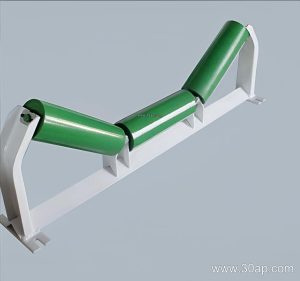
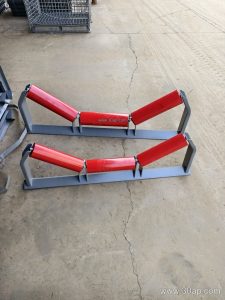
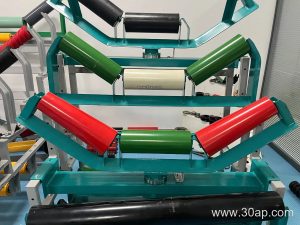
Because the load strikes the belt before it is fully supported, the impact idler is usually positioned in the first few metres after the feed point, often in a three-roll trough arrangement. The product is also called a buffer idler or shock-absorbing idler, and it belongs to the same family as the troughing and return idlers, but its function at the loading zone is distinct.
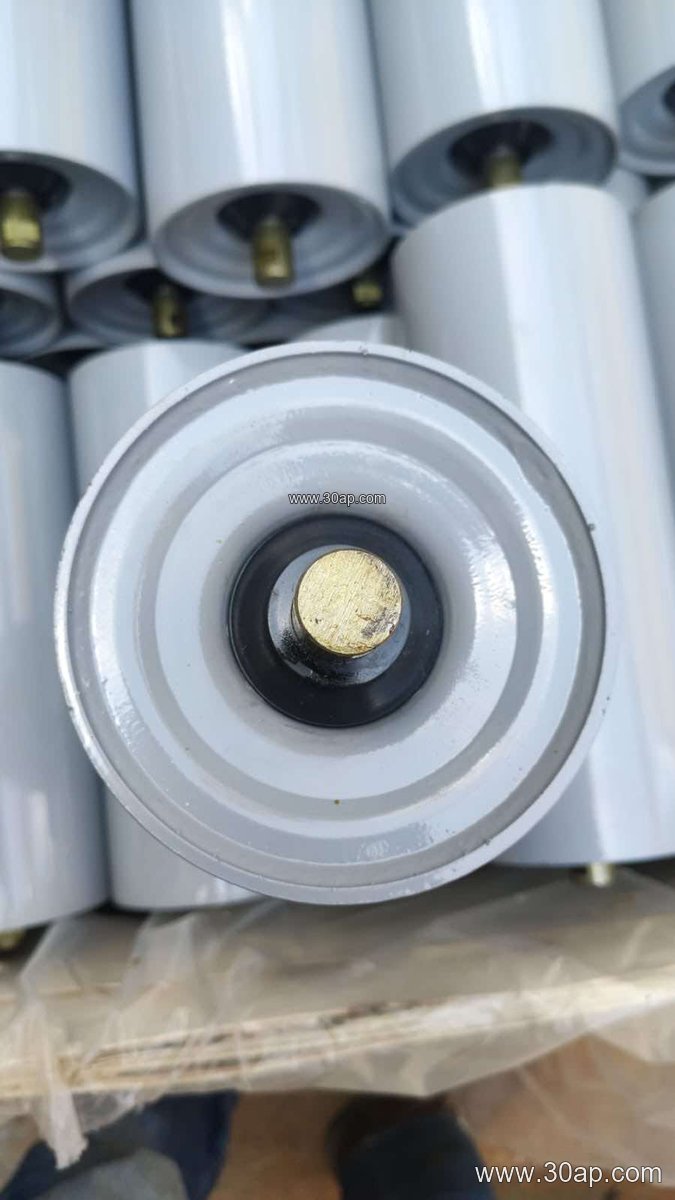
Construction and Surface Options
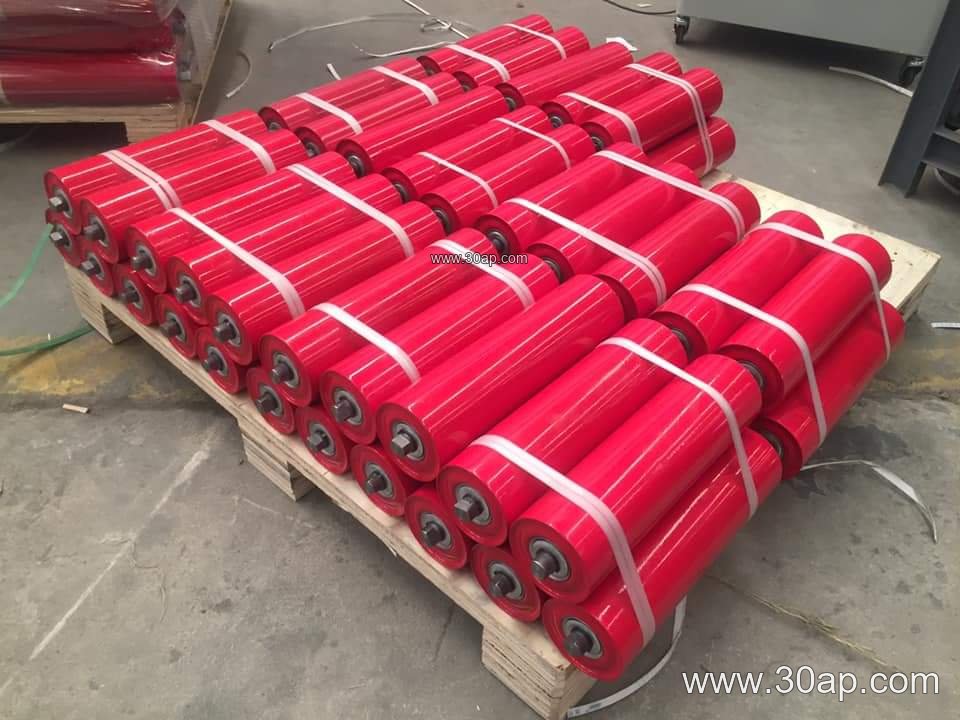
A typical unit combines a steel tube body, a shaft, sealed bearings, and a resilient outer layer. The rubber ring version is the most common in heavy-duty mining conveyor belt service, while nylon or ceramic surfaces may be chosen where sticking or wear is a concern. Bearing selection is matched to load and speed; common sizes include 6205, 6305, 6306, and 6308, but no single bearing is tied to a fixed roller diameter.
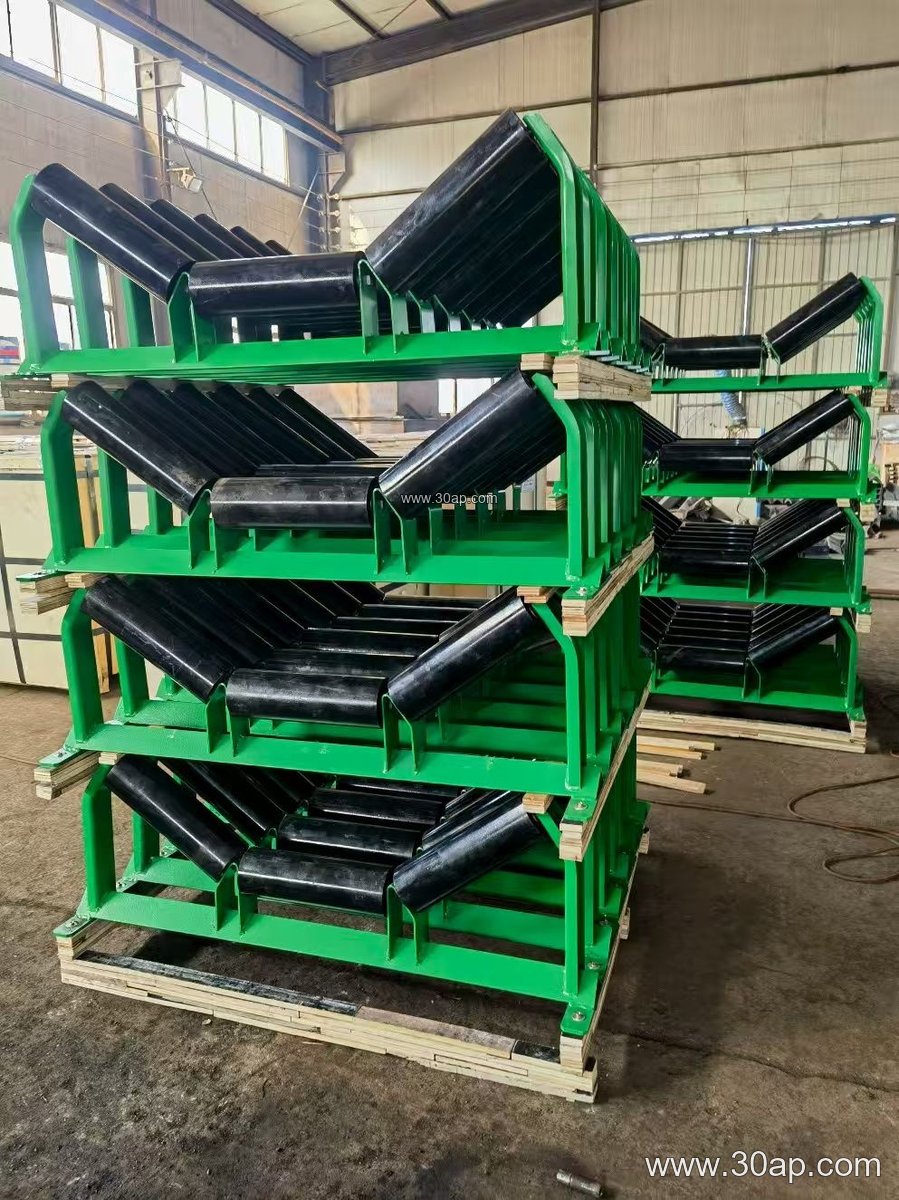
- Roller body: steel tube with rubber rings or full rubber covering
- Bearing housing: sealed, greased-for-life or regreasable design
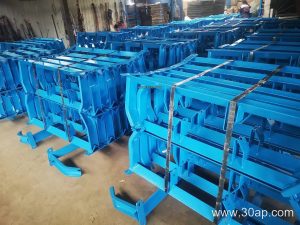
- Frame: fixed or adjustable brackets bolted to the conveyor stringer
- Mounting: three-roll trough, two-roll, or single-roll depending on belt width
Where It Fits on the Conveyor
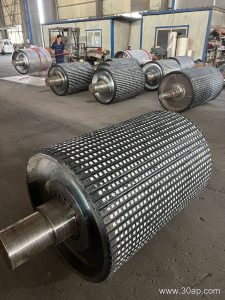
The impact idler is not a replacement for the drive pulley, tail pulley, or bend pulley; those handle power transmission and belt routing. Its job is local support at the drop zone. In a coal mining conveyor belt line, a cement plant clinker transfer, or a power plant coal handling system, the loading point is where a conveyor belt and its idlers take the hardest hits. Pairing the impact idler with a properly skirted chute and a suitable abrasion resistant conveyor belt gives the best result. Where the material is hot, a heat resistant conveyor belt may be needed, and in underground coal mining conveyor belt applications a flame retardant conveyor belt is standard practice.
Common Sizes and Selection Notes
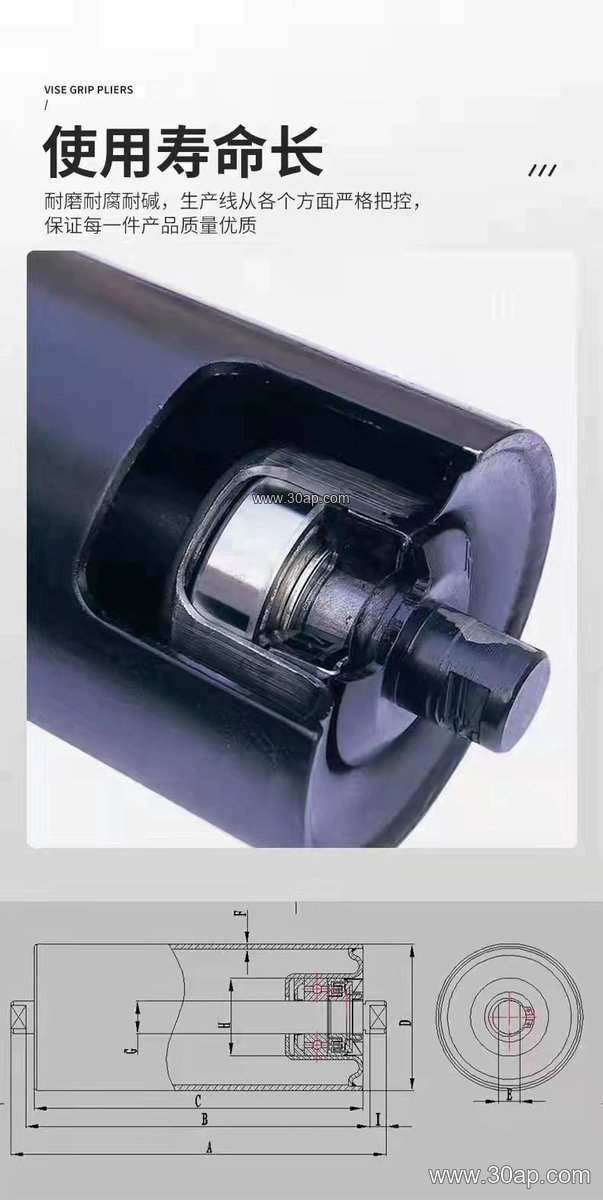
Dimensions follow the belt width, trough angle, and idler arrangement rather than a single universal table. The values below are typical reference examples, not fixed supply promises.
| Belt width | Typical roller diameter | Common trough angle |
|---|---|---|
| B500 | Ø63 to Ø89 mm | 20 to 35 degrees |
| B650 | Ø76 to Ø102 mm | 20 to 35 degrees |
| B800 | Ø89 to Ø108 mm | 30 to 35 degrees |
| B1000 | Ø102 to Ø133 mm | 30 to 35 degrees |
| B1200 | Ø108 to Ø159 mm | 30 to 45 degrees |
| B1400 | Ø127 to Ø178 mm | 35 to 45 degrees |
| B1600 and above | Ø133 to Ø219 mm | 35 to 45 degrees |
Roller length also changes with belt width and roll configuration. For a three-roll trough set, common roll lengths are around 200 mm at B500, 315 mm at B800, 465 mm at B1200, and 600 mm at B1600, though side rolls and centre rolls may differ. A buyer should confirm the shaft diameter, bearing type, and bracket hole spacing with the conveyor design rather than assuming them from belt width alone.
Buyer Checklist
- Drop height and lump size at the transfer point
- Belt width, trough angle, and existing idler frame dimensions
- Material abrasiveness and temperature, which may call for an abrasion resistant conveyor belt or heat resistant conveyor belt
- Rubber ring hardness and spacing for the expected impact energy
- Sealing quality in dusty or wet conditions, especially in a wash plant or port terminal
For a gravel plant, a copper ore concentrator, or a ship loading conveyor, the impact idler is a small part with a large effect on belt life. Matching it to the actual loading conditions, and checking it against the conveyor bracket and roller dimensions, is the practical way to specify it correctly. More conveyor component references are available at zhongyiport.com.