What Drives the Cost of a Conveyor Idler
When a maintenance planner at a coal preparation plant or a quarry manager in an aggregate line asks about conveyor idler price, the answer is rarely a single figure. An idler roller is a small assembly, but its cost depends on the tube, bearing, seal, shaft, and end cap that go into it. A standard carrying idler for a 800mm conveyor belt sits in a different price band than a heavy-duty impact idler built for a crusher discharge point. Buyers who understand the components can compare quotes more confidently and avoid paying for features they do not need.
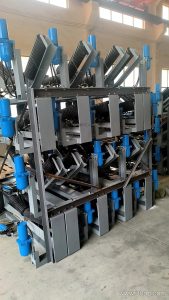
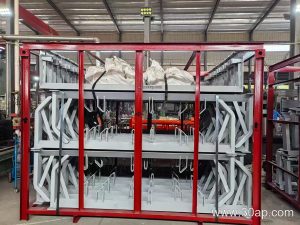
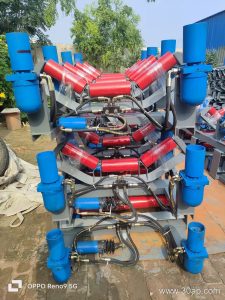
The idler is the rotating part that supports the conveyor belt along its route. On the carrying side, three-roll troughing sets form the belt into a trough; on the return side, flat or V-shaped rollers hold the belt up. Each roller turns on bearings housed in a sealed enclosure, and the quality of that enclosure often matters more than the tube thickness when dust and water are present.
How an Idler Roller Is Built
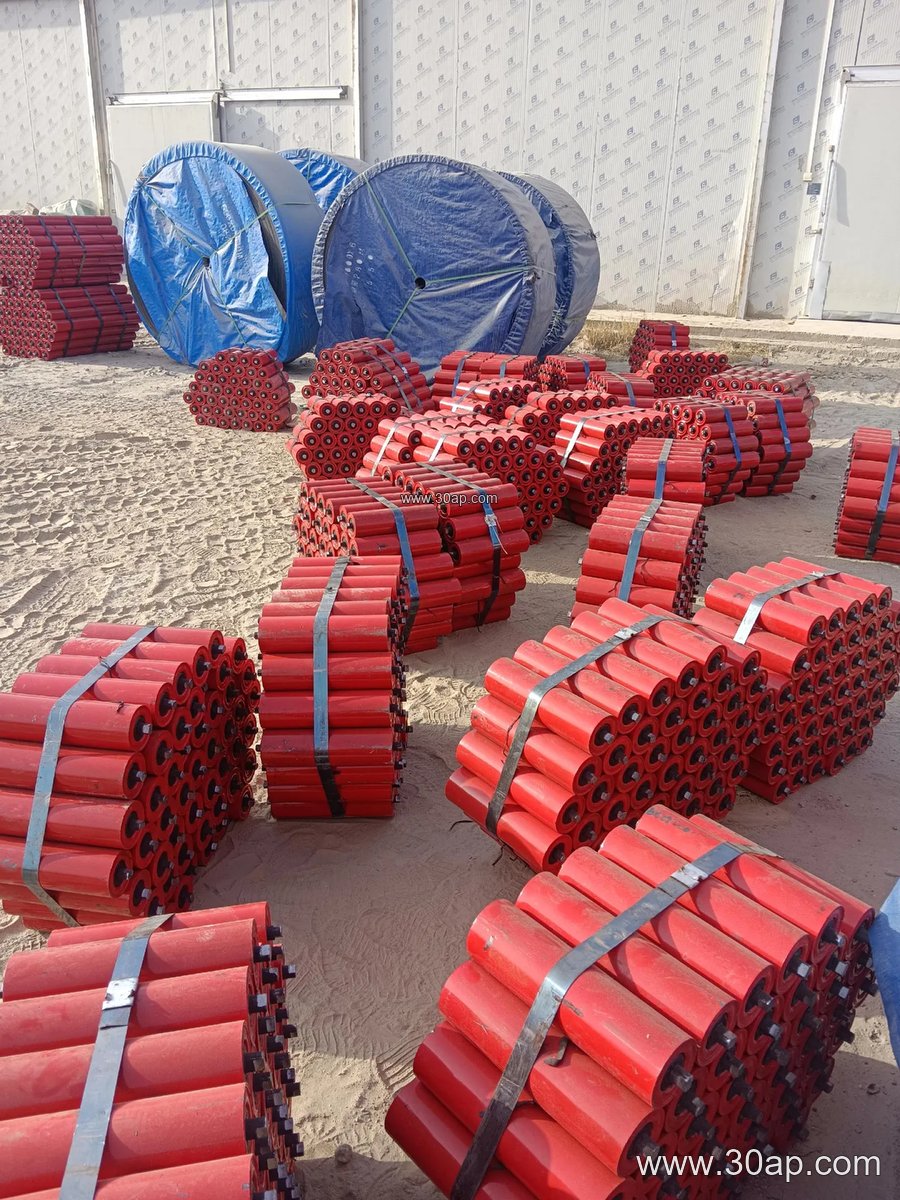
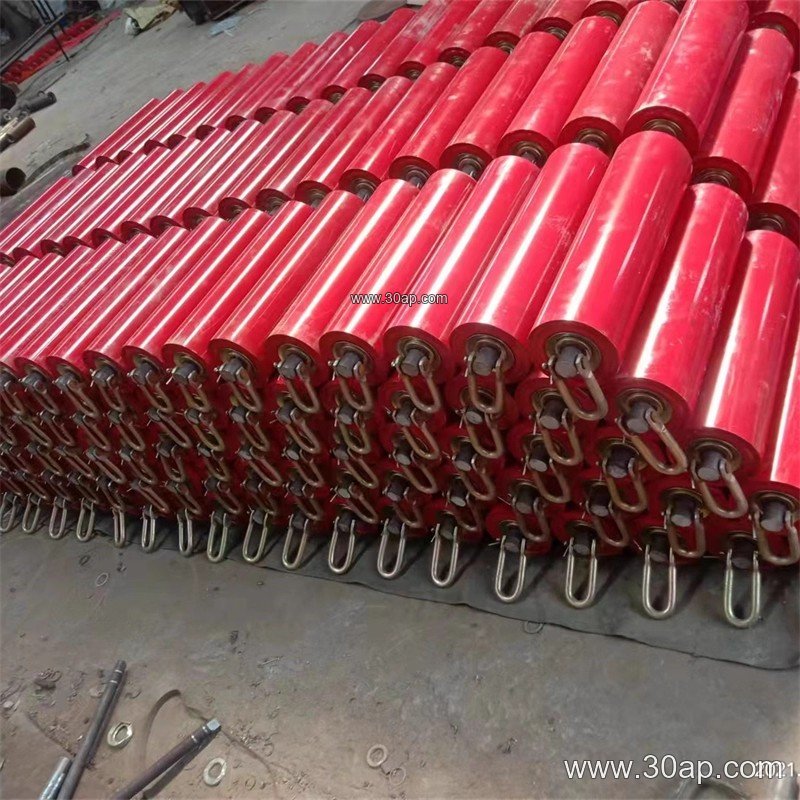
A typical idler roller consists of a steel tube, a shaft, two bearing housings, bearings, and a sealing arrangement. The tube may be plain steel, nylon-coated, ceramic-lined, or fitted with rubber discs for impact absorption. Common bearing sizes include 6204, 6205, 6305, 6306, 6308, and 6310, and the choice depends on load and speed rather than on belt width alone. Seals range from simple labyrinth types to multi-stage designs for wet or dusty service.
Roller diameter is usually selected from a series such as Ø63, Ø76, Ø89, Ø102, Ø108, Ø127, Ø133, Ø159, Ø178, Ø194, and Ø219 mm. Larger diameters suit higher loads and longer spans, while smaller diameters reduce weight and cost on light-duty lines. The roller length follows belt width, trough angle, and roll arrangement. For a three-roll troughing set, common examples are about 200 mm roll length for B500, 250 mm for B650, 315 mm for B800, 380 mm for B1000, 465 mm for B1200, 530 mm for B1400, 600 mm for B1600, 670 mm for B1800, and 750 mm for B2000. Side rolls and center rolls can differ, so these figures are references rather than fixed rules.
Where Idlers Are Used and Why the Application Changes the Price
Idlers appear wherever a conveyor belt carries bulk material. In a limestone quarry, troughing idlers support a rubber conveyor belt loaded with crushed stone; at a power plant coal yard, they carry coal toward the boiler bunkers; in a cement plant, they move clinker and raw meal. A port terminal handling iron ore may use wider belts and larger rollers, while a small sand and gravel operation may run narrower belts with lighter frames.
Application affects conveyor idler price in practical ways:
- Impact zones. Rubber-disc impact idlers under a crusher discharge cost more than standard carrying idlers because of the added cushioning.
- Dusty or wet conditions. Better seals and bearing protection raise unit cost but reduce replacement frequency.
- Corrosive environments. Fertilizer plants and some chemical handling lines may call for coated tubes or special finishes.
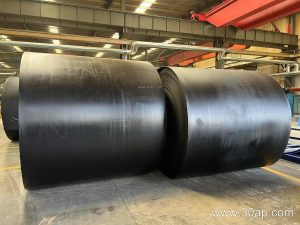
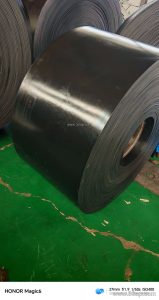
- High-load lines. A steel cord conveyor belt carrying ore at high tension needs robust frames and larger rollers than a fabric core belt on a short transfer.
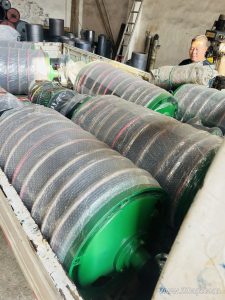
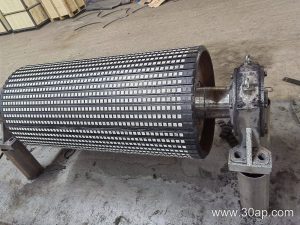
Related equipment such as the conveyor pulley, conveyor bracket, and belt cleaner also influences total conveyor cost, so idler price should be evaluated as part of the whole system rather than in isolation.
Matching Idler Specifications to the Conveyor
Trough angle is one of the most visible choices. Common angles are 20, 30, 35, and 45 degrees. A deeper trough contains material better on a loaded belt, while a shallow angle suits wider belts or materials that need to spread. Transition idlers are placed near pulleys to guide the belt from flat to trough gradually, and self-aligning idlers help correct belt drift on long runs.
Return idlers are often flat or V-shaped, and spiral return rollers shed sticky material. These are different components from the drive pulley, tail pulley, or bend pulley, and they are not interchangeable with them. A buyer comparing quotes should confirm the roller type, diameter, length, bearing size, seal class, and frame style. Asking for a price without these details usually leads to apples-to-oranges comparisons.
Practical Buying Advice
Request a dimensional drawing and a bill of materials for each idler model. Check that the bearing and seal specified match the environment, and confirm whether the roller tube is plain steel or coated. For a mining conveyor belt running in a dusty tunnel, a sealed bearing with good grease retention is often worth the extra cost. For a short aggregate conveyor belt in a dry climate, a standard roller may be sufficient.
Finally, consider the total cost of ownership. A slightly higher purchase price for a well-sealed idler can be recovered quickly if it lasts longer and reduces downtime. Buyers should ask suppliers about roller runout, shaft tolerance, and painting or coating, and should keep spare idlers on hand for critical drives. The conveyor idler price is only one number in the maintenance budget, but it is a number worth understanding.