What a Four-Roll Idler Bracket Does
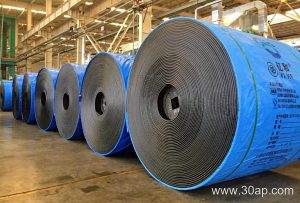
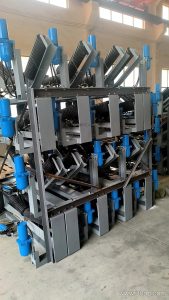
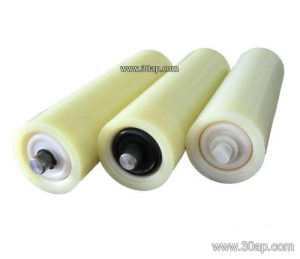
A four-roll idler bracket is a support frame that carries four idler rollers under the belt line, usually in a troughing or transition arrangement. Instead of the common three-roll set, this bracket spreads the load across four contact points, which can reduce point pressure on the belt and help keep the belt profile stable in demanding service. In a quarry conveyor or a cement plant feed line, the bracket works together with the conveyor belt and the idler roller set to guide material without excessive spillage.
This bracket is not a pulley. Drive, tail and bend pulleys are separate components with different duties, and they are not interchangeable with idler brackets or with each other. The four-roll bracket belongs to the idler support family, and its job is to hold rollers at the correct angle and spacing along the carrying side or return side of the conveyor.
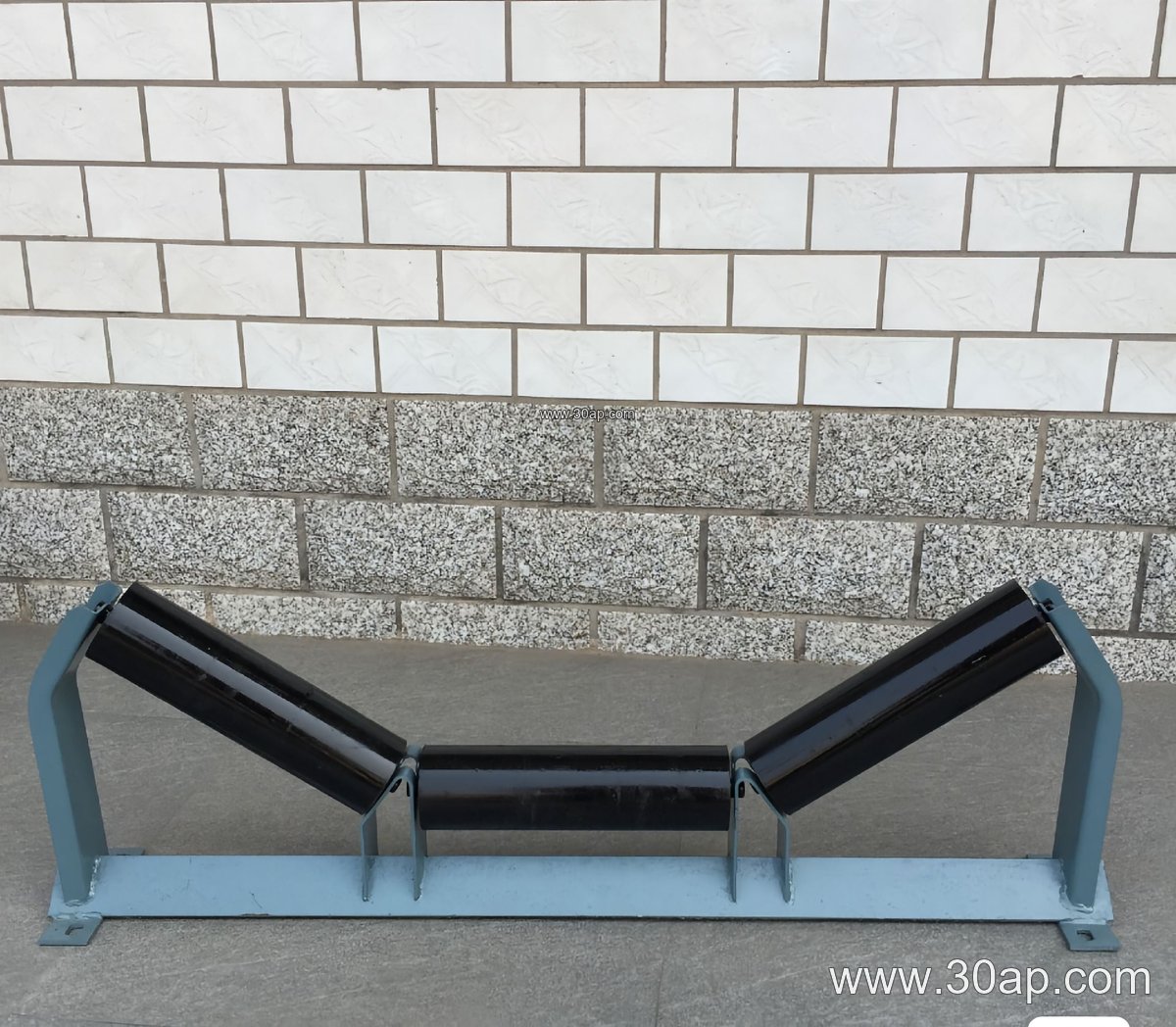
Construction and Common Forms
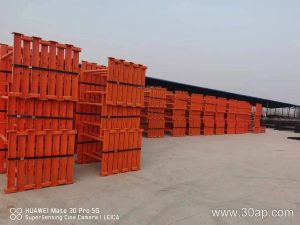
Most four-roll idler brackets are fabricated from angle steel, channel steel, or folded steel plate, then drilled or slotted for roller mounting. The frame may be fixed or adjustable. Adjustable designs allow the trough angle to be set between common values such as 20, 30, 35 or 45 degrees, which helps when a conveyor line needs fine tuning after installation.
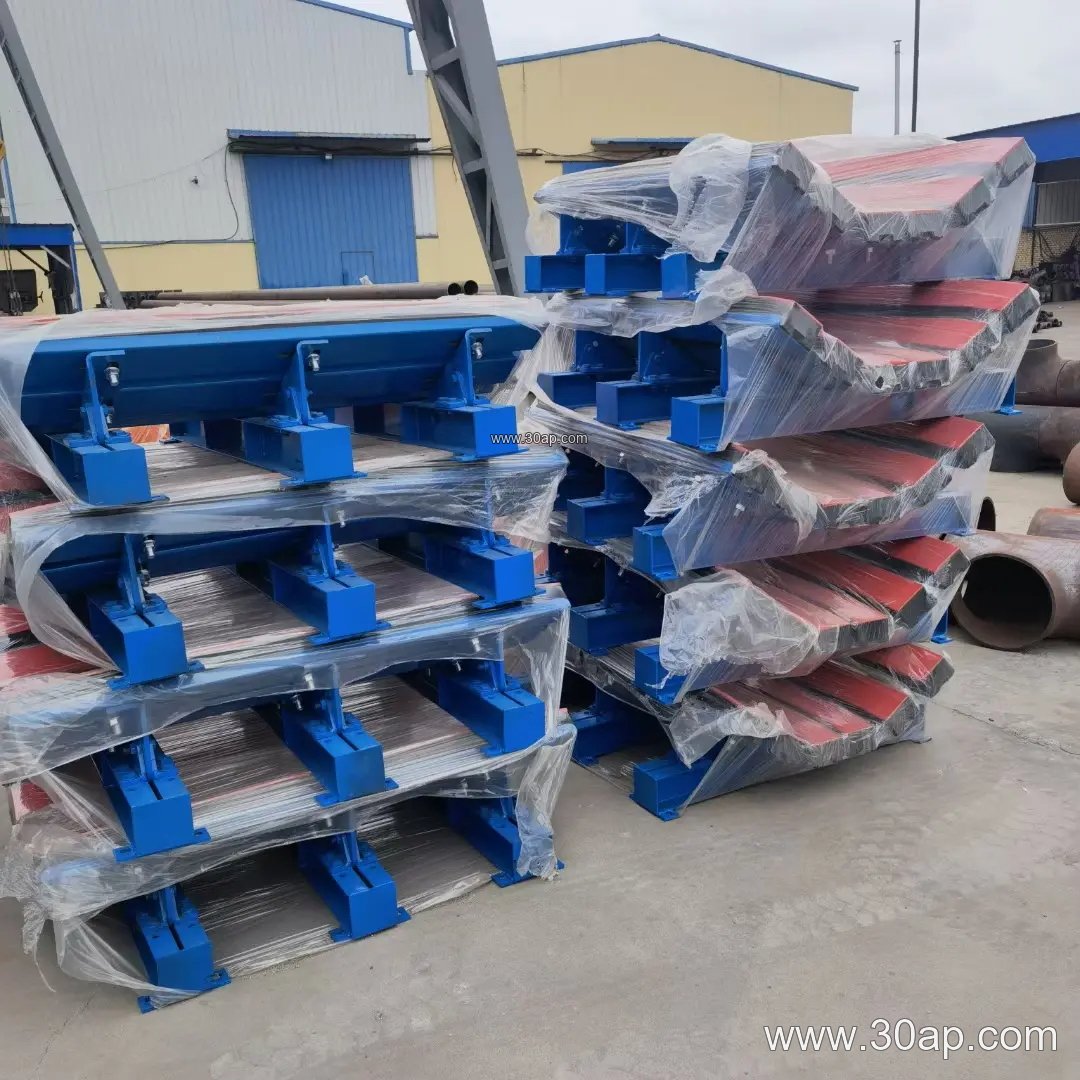
Typical reference data for bracket selection includes belt width and roller diameter. These values are used for orientation only, and actual mounting hole spacing and beam length are determined by the conveyor design. Common belt width references include B500, B650, B800, B1000, B1200, B1400, B1600, B1800, B2000, B2200. Common roller diameter references include Ø89, Ø108, Ø133, Ø159 and Ø194. A bracket for a B800 belt at 35 degrees with Ø108 rollers is one possible combination, but it is not a universal rule, and a B1200 line at 45 degrees with Ø133 rollers is equally plausible depending on the duty.
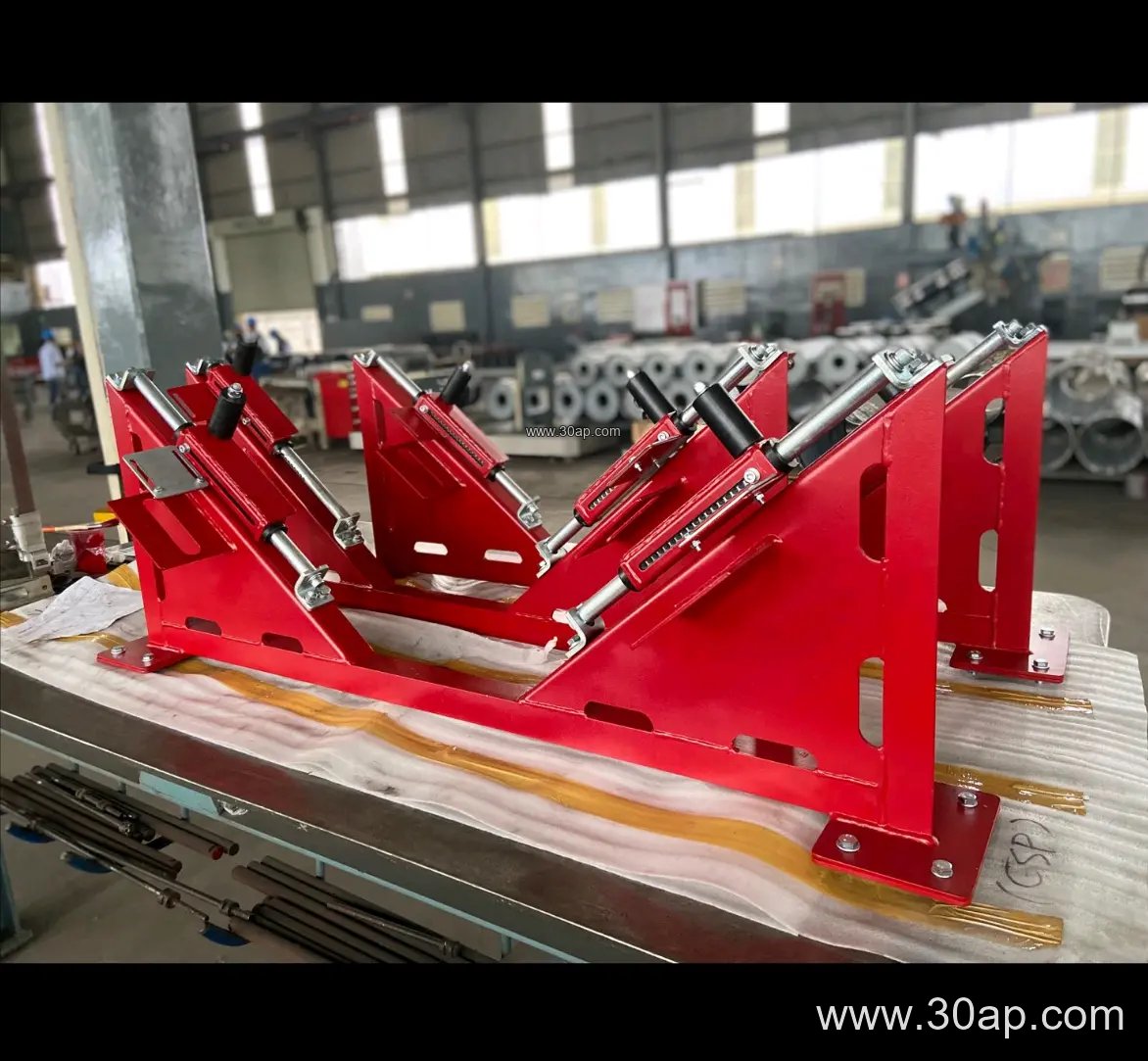
Where It Fits in the Conveyor
Four-roll brackets are often found in bulk handling plants where belt training and load distribution matter. In a coal mining conveyor or a power plant coal yard, the extra roller can help support a wide belt carrying uneven loads. In a limestone quarry or a sand and gravel line, the bracket may be used at transfer points or along sections where the belt needs a smoother transition. The same principle applies in a fertilizer plant or a grain silo conveyor, where gentle belt support helps protect the material and the belt cover.
Related equipment in these systems includes the conveyor pulley at the head or tail, the conveyor bracket that ties the frame together, and the conveyor belt itself. A heavy-duty mining conveyor belt or an abrasion resistant conveyor belt may be paired with a robust four-roll bracket to handle sharp aggregate. In underground coal mining, a flame retardant conveyor belt is common, and the bracket must be compatible with the roller set and frame spacing used in that environment.
Selection Points for Buyers
Buyers should confirm the belt width, the required trough angle, the roller diameter, and the mounting pattern before ordering. The bracket should match the idler roller ends and the conveyor frame. For a quarry conveyor belt or a crusher conveyor belt, check whether the bracket is fixed or adjustable, and whether the application calls for a transition bracket or a standard carrying bracket. A four-roll idler bracket is not a substitute for a drive pulley, tail pulley or bend pulley, and it should not be selected as if it were one.
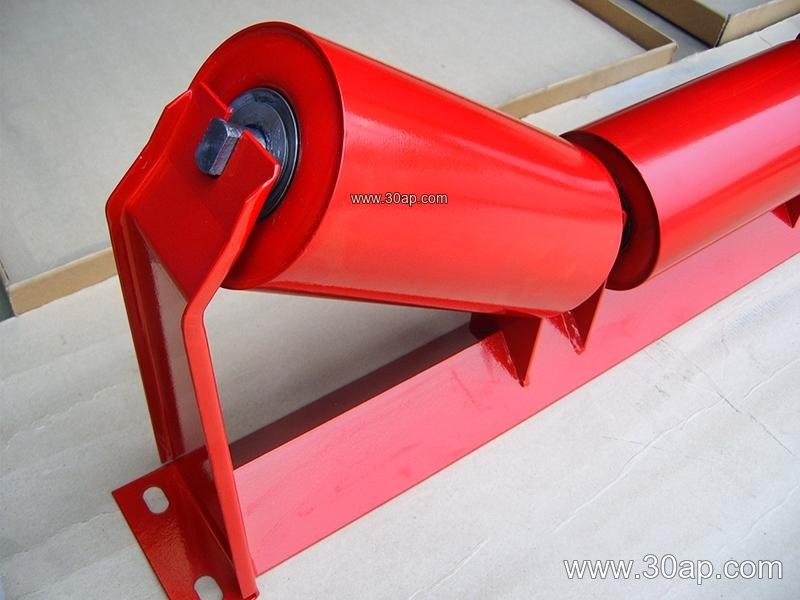
Material thickness and surface treatment also matter. In a cement plant or a steel plant conveyor, dust and heat may influence the choice of coating or galvanizing. In a port conveyor or a ship loading conveyor, salt air may call for extra corrosion protection. The bracket should be inspected for weld quality, hole alignment and squareness so that the rollers sit correctly and the belt runs true.
Maintenance and Compatibility
During service, check the bracket for loose bolts, bent beams or worn mounting slots. Replace damaged rollers promptly, because a seized idler roller can wear the belt cover and put extra stress on the bracket. Keep the bracket aligned with the conveyor centerline, and verify the trough angle if the frame is adjustable. A four-roll idler bracket works best when it is treated as part of a system that includes the conveyor belt, the idler rollers and the conveyor pulleys, each with its own role.