What a Mining Fire Resistant Conveyor Belt Is
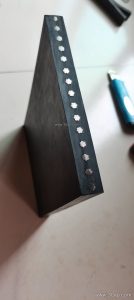
A mining fire resistant conveyor belt is a heavy-duty rubber belt built to move coal, ore, aggregate and other bulk materials while limiting the risk of flame spread in the event of a heat source or friction fire. In daily conversation, operators often shorten the name to fire resistant conveyor belt or flame retardant conveyor belt. The product is not simply a standard rubber belt with a different label; its cover compound and core construction are normally designed together so the belt can resist ignition, carry heavy loads and survive abrasive service.
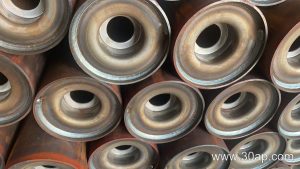
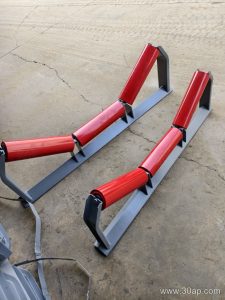
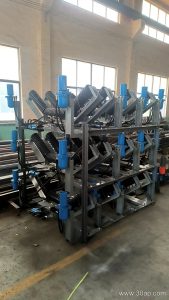
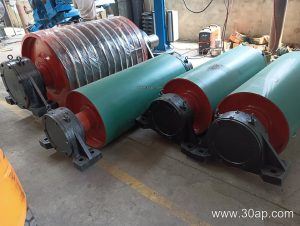
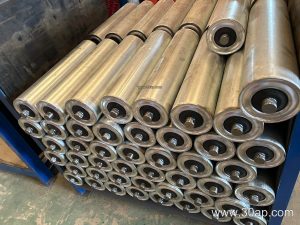
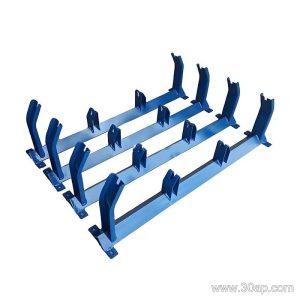
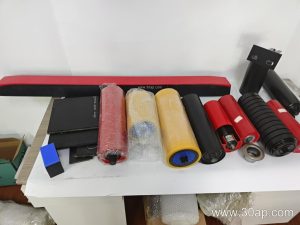
The fire resistance requirement matters most in underground coal mining, enclosed transfer houses, cement plants, power plants and port bulk terminals where dust and heat sources may exist. In these places, a conveyor belt, idler roller, conveyor pulley and conveyor bracket work as one system, so the belt specification should be matched to the whole conveyor design rather than selected in isolation.
Construction and Common Configurations
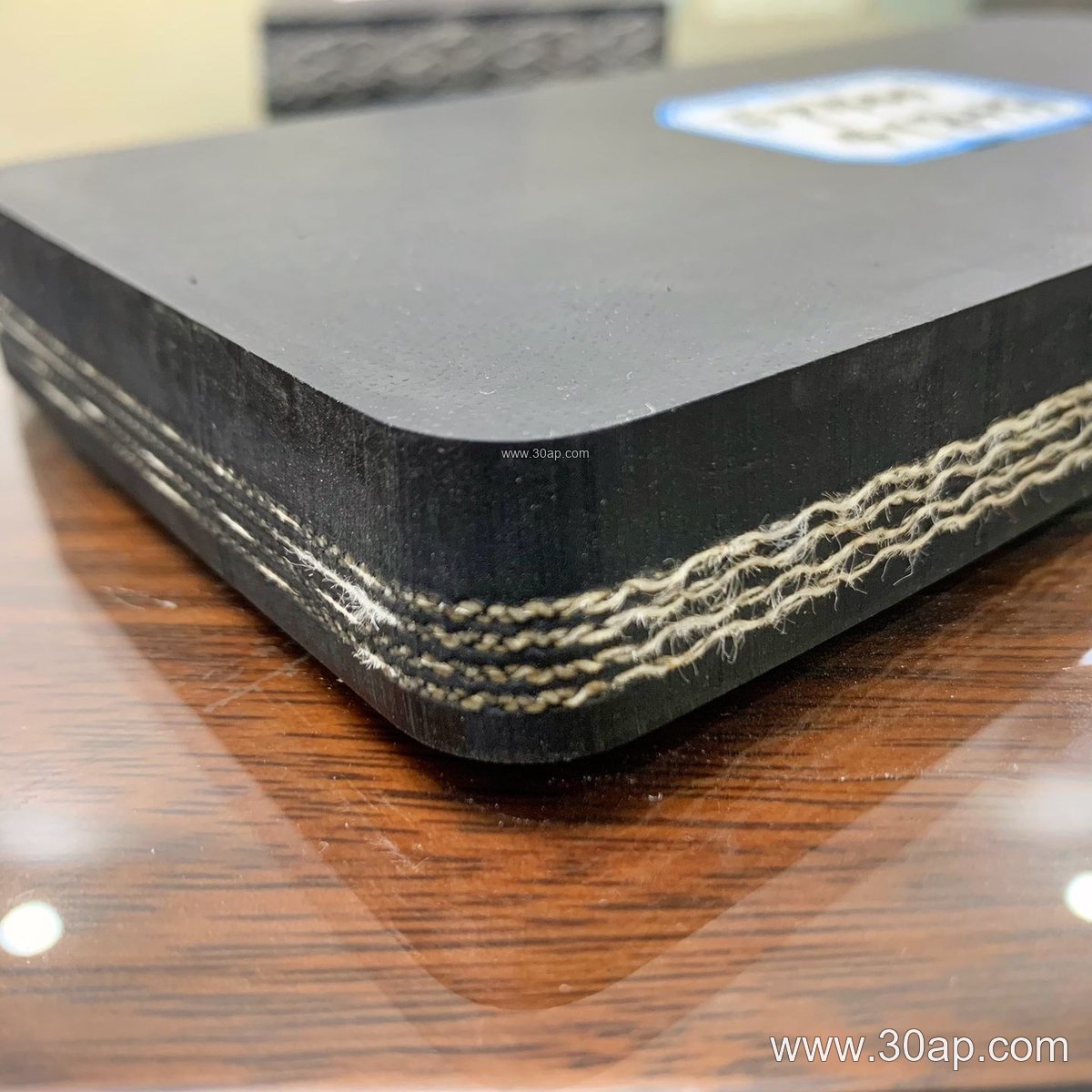
Most mining fire resistant belts use a fabric core, a steel cord core or a solid-woven core depending on the duty. A fabric core conveyor belt may be an EP conveyor belt, an NN conveyor belt or a multi-ply fabric core design. Steel cord conveyor belt constructions are chosen when very long center distances and high tension are involved. PVC and PVG conveyor belts are also common in underground service, and PVG800S is one designation buyers may meet in tender documents.
The cover grade and thickness have a direct effect on wear life. Common cover combinations include 3+1.5, 4+2, 5+2, 6+2 and 8+3 mm, and the carcass usually has around two to six fabric plies. These figures are reference values, not a universal rule; final thickness and ply count should follow the conveyor design, material lump size and loading conditions.
| Configuration | Typical reference | Notes |
|---|---|---|
| Fabric core grade | EP200, EP315, EP400, EP630, EP1000 | Selected by tension and safety factor |
| Steel cord grade | ST1000, ST1600, ST2500 | For long haul and high tension |
| Belt width | B650, B800, B1000, B1200, B1400 | Width follows capacity and lump size |
| Cover thickness | 4+2 mm, 6+2 mm, 8+3 mm | Thicker top cover for impact and abrasion |
Where the Belt Fits in the Plant
In a coal mining conveyor line, the belt may run from a primary crusher to a stockpile or through an underground roadway. In a quarry or sand making plant, a quarry conveyor belt handles sharp rock, so abrasion resistance and impact resistance matter as much as flame protection. A cement plant usually combines hot clinker, fine dust and long operating hours, which makes a heat resistant conveyor belt or a combined heat and fire resistant grade worth discussing with the supplier. Power plants and steel plants often need oil resistant or anti-static properties in the same belt.
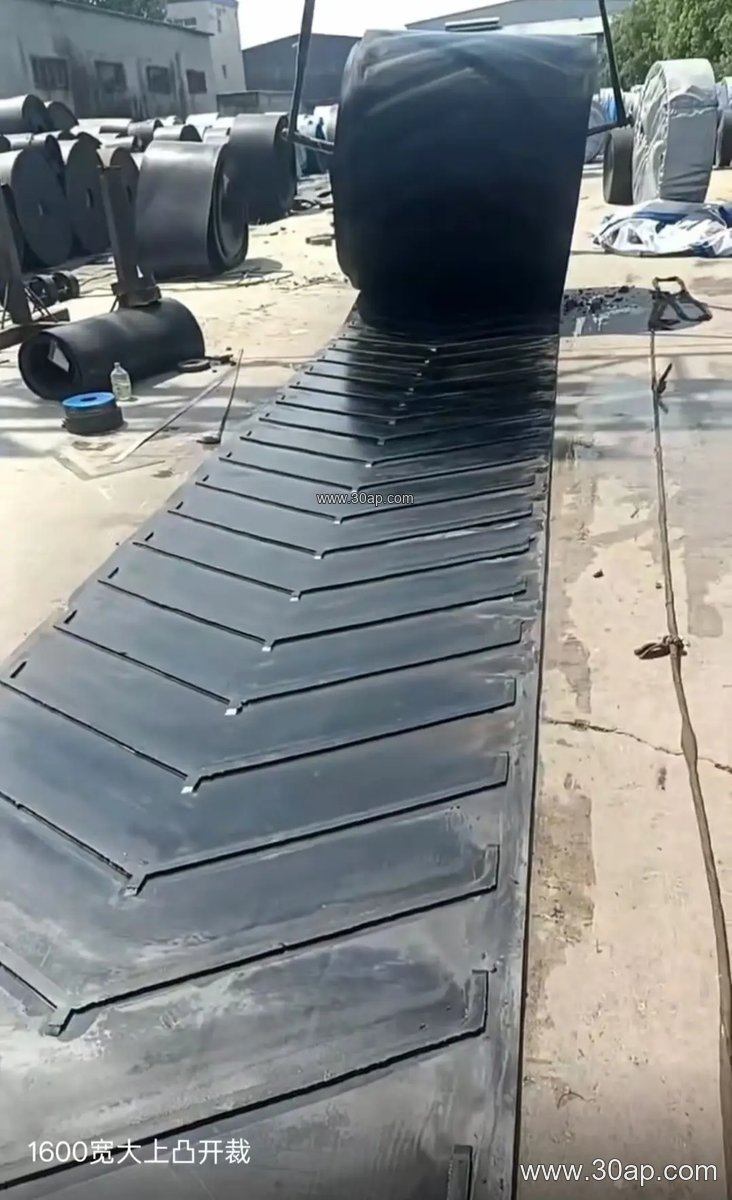
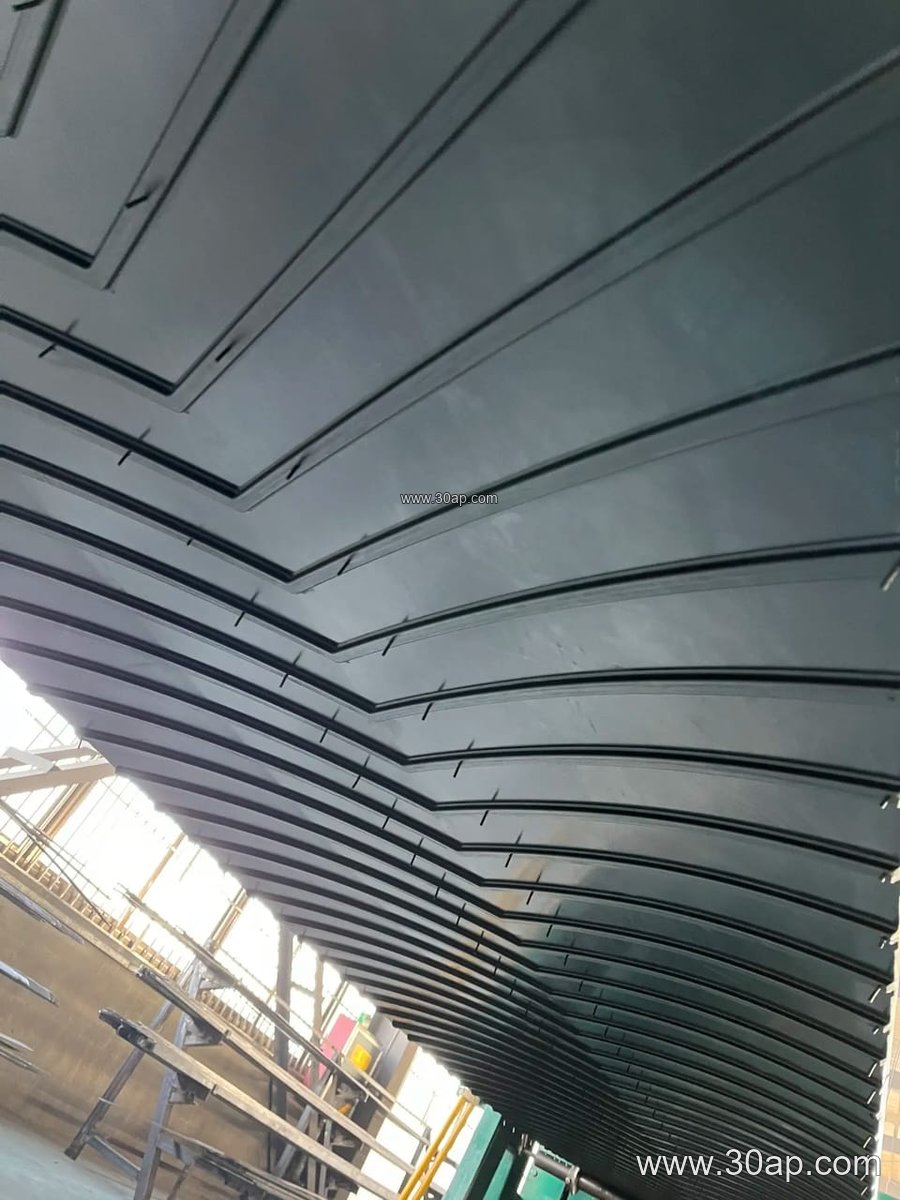
Where the route climbs steeply, a chevron conveyor belt or corrugated sidewall conveyor belt may be considered, but these are different belt forms and should not be treated as a direct replacement for a flat fire resistant belt. An endless conveyor belt can reduce splice problems on critical circuits. If the material is wet and sticky, a pipe conveyor belt may be evaluated for enclosed transport. All of these choices should be confirmed against the actual conveyor pulley, idler roller and conveyor bracket layout.
Selection Points for Buyers
- Confirm the material being carried, lump size, moisture and temperature range.
- State the required fire performance and whether anti-static behavior is also needed.
- Provide belt width, center distance, incline angle and expected tonnage.
- Check the existing conveyor pulley diameter and shaft arrangement before changing belt thickness.
- Review cover grade, carcass type and splice method together.
- Ask for the manufacturer’s test data and storage recommendations.
Do not assume that one belt width matches one pulley diameter, or that a fixed shaft size can be derived from width alone. Those details come from the conveyor designer. A wider belt such as B1600 or B2000 needs a properly engineered pulley and frame, not a guessed upgrade.
Maintenance and Safe Operation
Keep the belt tracking correctly, inspect the idler roller for seizure and check the conveyor pulley lagging for wear. A misaligned belt rubs against the conveyor bracket and generates heat, which is exactly the condition a fire resistant belt is meant to limit, not invite. Clean spillage around transfer points, control dust and replace damaged sections before cracks reach the carcass. Store spare belts away from direct sunlight, oil and ozone sources.
For buyers sourcing from China, a clear specification sheet with belt type, strength grade, width, cover thickness and fire requirement will produce more accurate quotations. Whether the final choice is an EP conveyor belt, a steel cord conveyor belt or a PVG conveyor belt, the mining fire resistant conveyor belt should be selected as part of a complete, well-maintained conveying system.