What an Acid Resistant Conveyor Belt Is
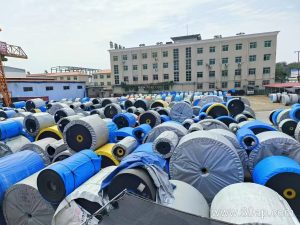
An acid resistant conveyor belt is a rubber conveyor belt built to carry materials that would attack ordinary cover compounds. In fertilizer plants, mineral processing lines, battery recycling facilities and some chemical halls, spillage and airborne mist can shorten the life of a standard belt within months. The acid resistant conveyor belt answers that problem through a cover compound selected for low swelling and slow penetration when exposed to dilute acids and similar aggressive substances.
It is a specialist member of the chemical resistant conveyor belt family. Buyers often describe it simply as an acid resistant belt, but the same construction can also be ordered with resistance to alkalis, salts and mixed chemical splash, depending on the compounds the supplier can offer.
How the Belt Is Built
The carcass carries the load, and the cover protects the carcass. A typical acid resistant conveyor belt uses a fabric core conveyor belt carcass, usually EP conveyor belt or NN conveyor belt fabric, with two to six plies. For very long runs or high tension, a steel cord conveyor belt carcass may be considered, but the cover remains the deciding factor for chemical exposure.
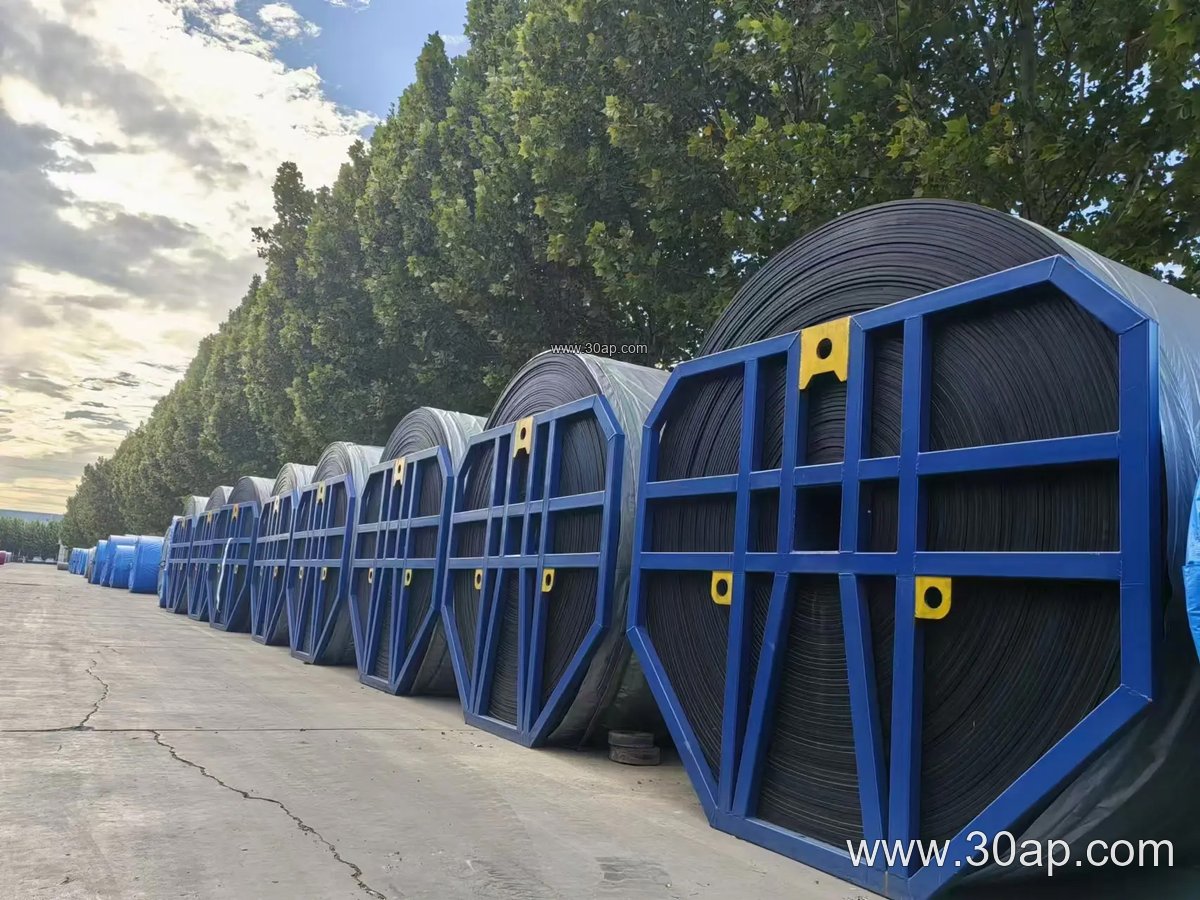
- Carcass: EP or NN fabric, commonly 2 to 6 plies; higher-strength designs such as EP200 to EP1000 are frequently requested.
- Cover compound: a chemically resistant rubber grade, usually black, formulated to limit acid uptake.
- Cover thickness: common combinations include 3+1.5 mm, 4+2 mm, 5+2 mm, 6+2 mm and 8+3 mm, with the top cover normally thicker.
- Edges: cut edges or moulded edges, depending on the risk of wicking along the fabric.
The belt should not be confused with a heat resistant conveyor belt or an oil resistant conveyor belt. Each addresses a different attack mechanism, and mixing them up leads to premature failure.
Where It Fits on the Conveyor
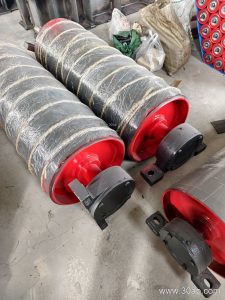
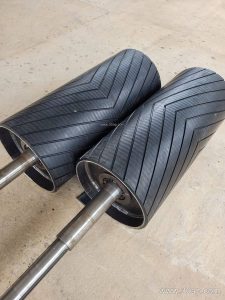
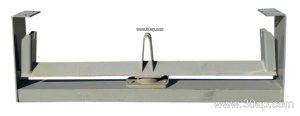
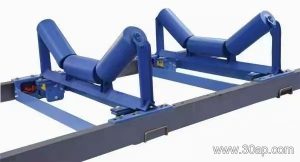
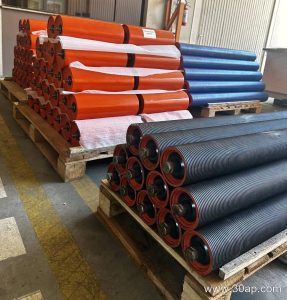
An acid resistant conveyor belt runs on the same hardware as any other belt: a drive pulley at the head, a tail pulley at the return end, and bend pulleys along the route. These pulley roles are not interchangeable, and each one should be checked for correct diameter and lagging before a chemical-duty belt is installed. Idler rollers should turn freely, because a seized roller can wear through a cover far faster than mild acid mist would.
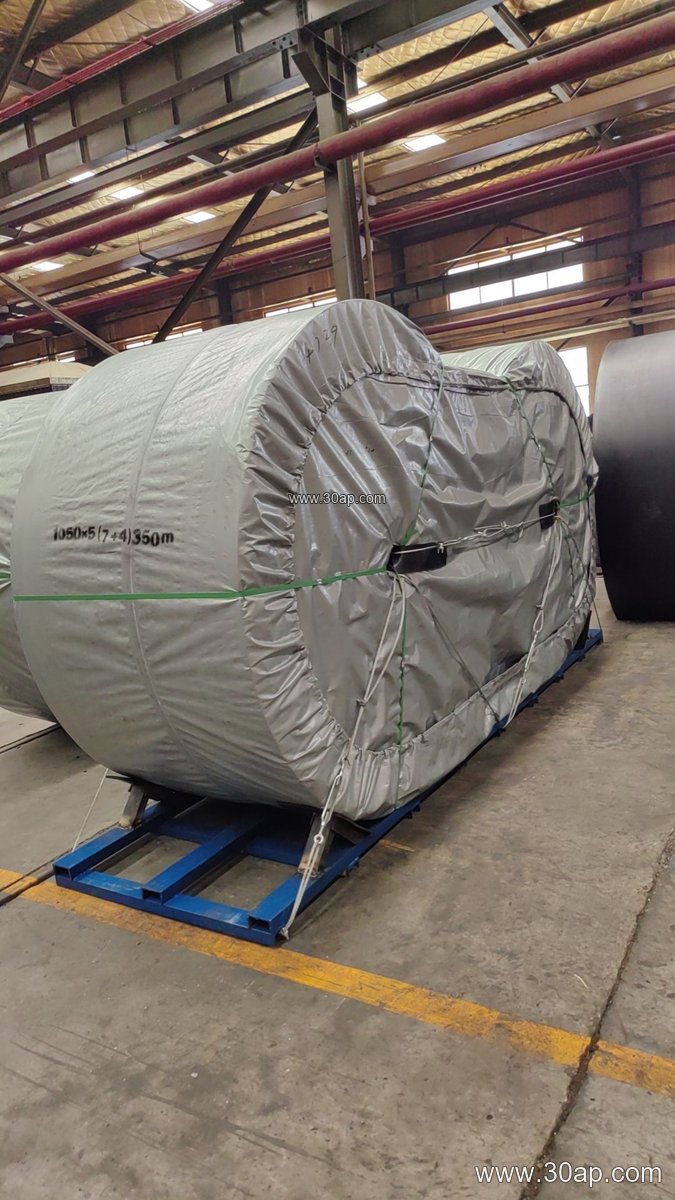
Typical duty points include:
- Fertilizer and phosphate handling in chemical plants
- Acid leaching circuits in copper ore and gold mining operations
- Gypsum and by-product transport at power plant and cement plant sites
- Battery and metal recycling lines where acidic residue is present
- Port conveyor belt systems transferring treated bulk material
Where the same line also carries sharp, heavy lumps, an abrasion resistant conveyor belt grade may be a better compromise, or a cover that combines moderate abrasion and chemical resistance.
Common Specifications at a Glance
The values below are reference ranges only. Actual supply depends on the manufacturer and on the duty calculation for each conveyor.
| Parameter | Common Range | Notes |
|---|---|---|
| Belt width | B500, B650, B800, B1000, B1200, B1400, B1600, B1800, B2000 | Selected from lump size and throughput |
| Fabric strength | EP200, EP315, EP400, EP500, EP630, EP800, EP1000, EP1250 | Higher grades for long or inclined runs |
| Ply count | 2 to 6 | Balanced against pulley diameters |
| Cover thickness | 3+1.5, 4+2, 5+2, 6+2, 8+3 mm | Thicker top cover for wet splash zones |
| Surface form | Plain, chevron, corrugated sidewall | Chevron aids incline; sidewall contains spillage |
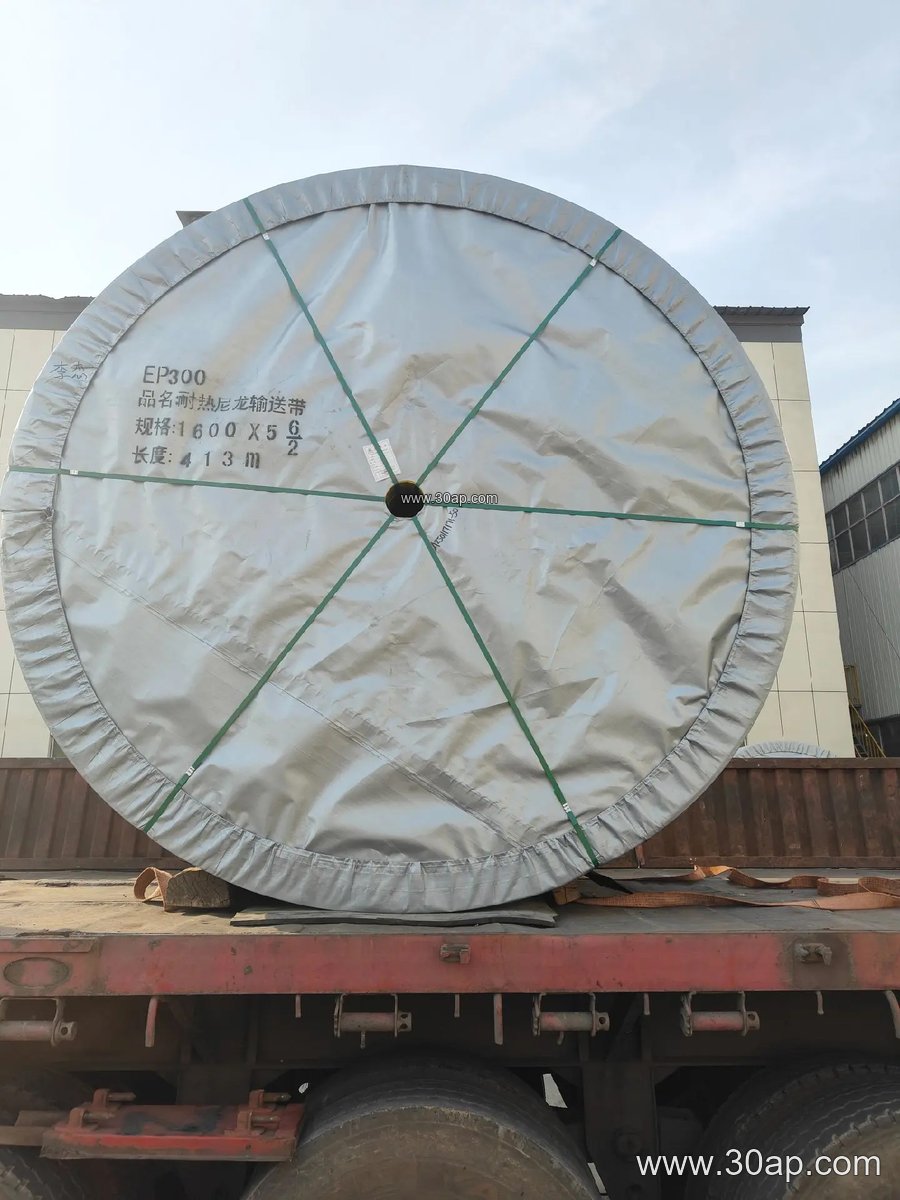
A 1000mm or 1200mm belt is common in medium-capacity chemical plants, while 1400mm and 1600mm widths appear in high-tonnage bulk material conveyor belt systems. None of these widths dictates a single pulley diameter; the pulley size follows the carcass specification and the belt manufacturer’s recommendation.
Selection and Maintenance Notes
Start with the chemistry, not the price. Identify the acid type, concentration, temperature and whether the exposure is continuous immersion, splash or vapour. A belt that performs well in dilute splash may swell badly in concentrated immersion. Confirm the compound with the supplier before ordering, and ask for the recommended cover grade in writing.
During operation, keep the belt reasonably clean and avoid letting acidic spillage sit on the return side. Check the tail pulley area for build-up, inspect idler rollers for sticking, and verify that conveyor brackets and frames are still square so the belt does not mistrack and rub its edges. Store spare belts away from sunlight, ozone sources and pooled chemicals.
For mixed duties, consider a flame retardant conveyor belt or anti-static conveyor belt version where the plant atmosphere requires it, and specify both properties together rather than assuming one covers the other. A well-chosen acid resistant conveyor belt, matched to the real chemical load and maintained with care, will usually outlast a general-purpose belt by a wide margin.