What an 800mm Drive Pulley Does
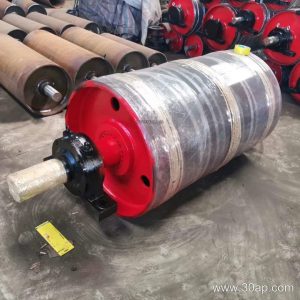
In a belt conveyor system, the drive pulley is the component that transmits power from the motor and gearbox to the conveyor belt. The 800mm dimension refers to the pulley diameter, a size that offers a good balance between torque capacity and belt wrap. This head pulley, also called the drive drum, is typically installed at the discharge end and pulls the belt around its arc to move bulk materials. While tail and bend pulleys serve different roles—such as redirecting or tensioning the belt—the 800mm drive pulley is specifically engineered to deliver the driving force.
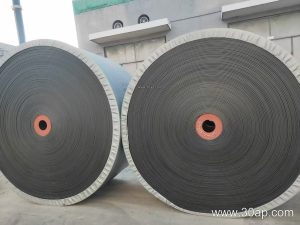
Common industries relying on this size include quarry operations, cement plants, and power plant coal handling. In these settings, an 800mm drive pulley often pairs with a heavy-duty conveyor belt, such as an EP conveyor belt or steel cord conveyor belt, to move abrasive aggregates or hot clinker.
Construction and Key Features
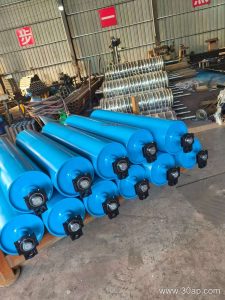
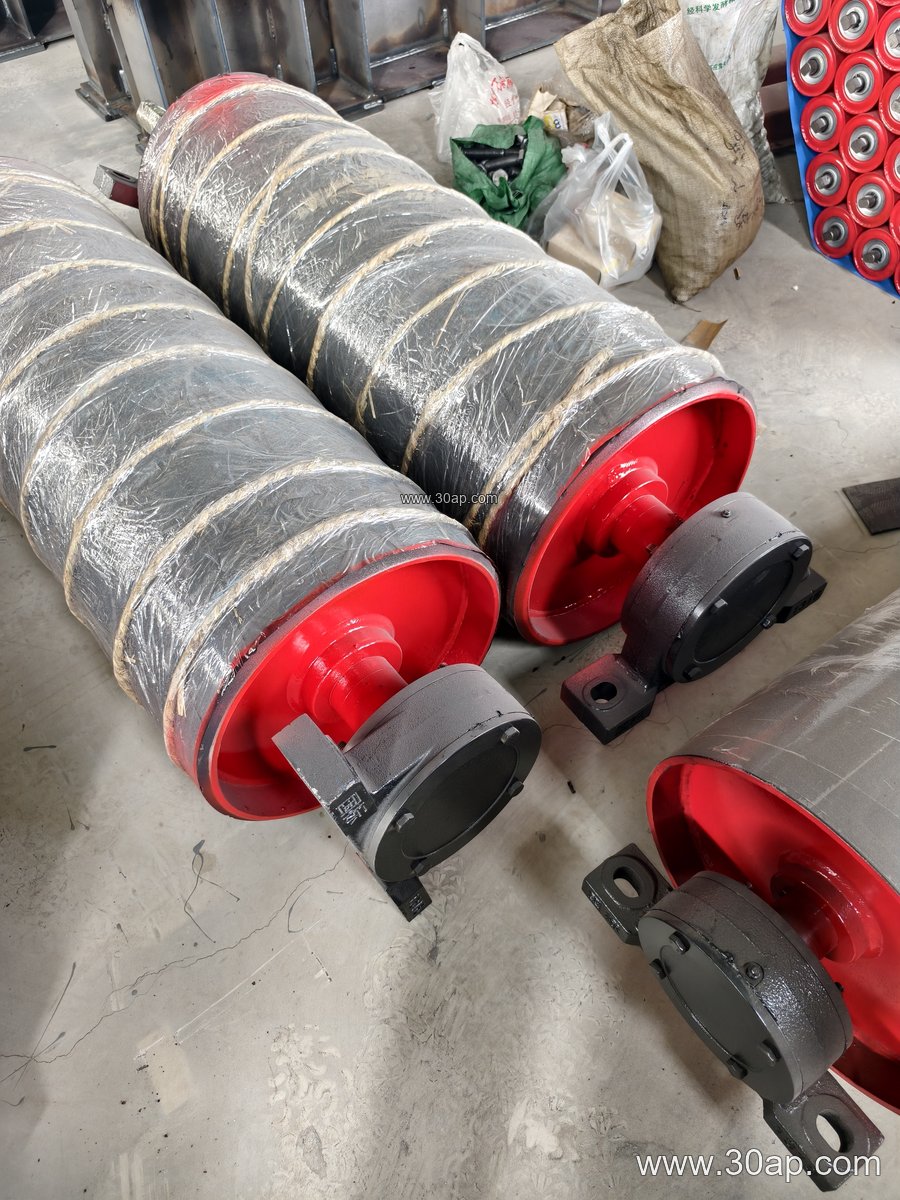
An 800mm drive pulley is built around a robust steel drum with a shaft sized to handle the torque. The shaft diameter is determined by the actual load and torque requirements, not simply by the belt width. Typical shaft sizes might range from Ø120 to Ø200, but the final choice depends on the conveyor design. The pulley face width usually exceeds the belt width by 100–200 mm to ensure proper support; for an 800mm belt, a face width around 950 mm is common. The pulley surface can be plain, rubber-lagged, or ceramic-lagged to improve grip. Rubber lagging, such as diamond or herringbone pattern, is often chosen when the belt needs extra traction in wet or dusty conditions. This is especially relevant when using a rubber conveyor belt in a quarry or a coal mining conveyor belt handling raw material.
Applications Across Industries
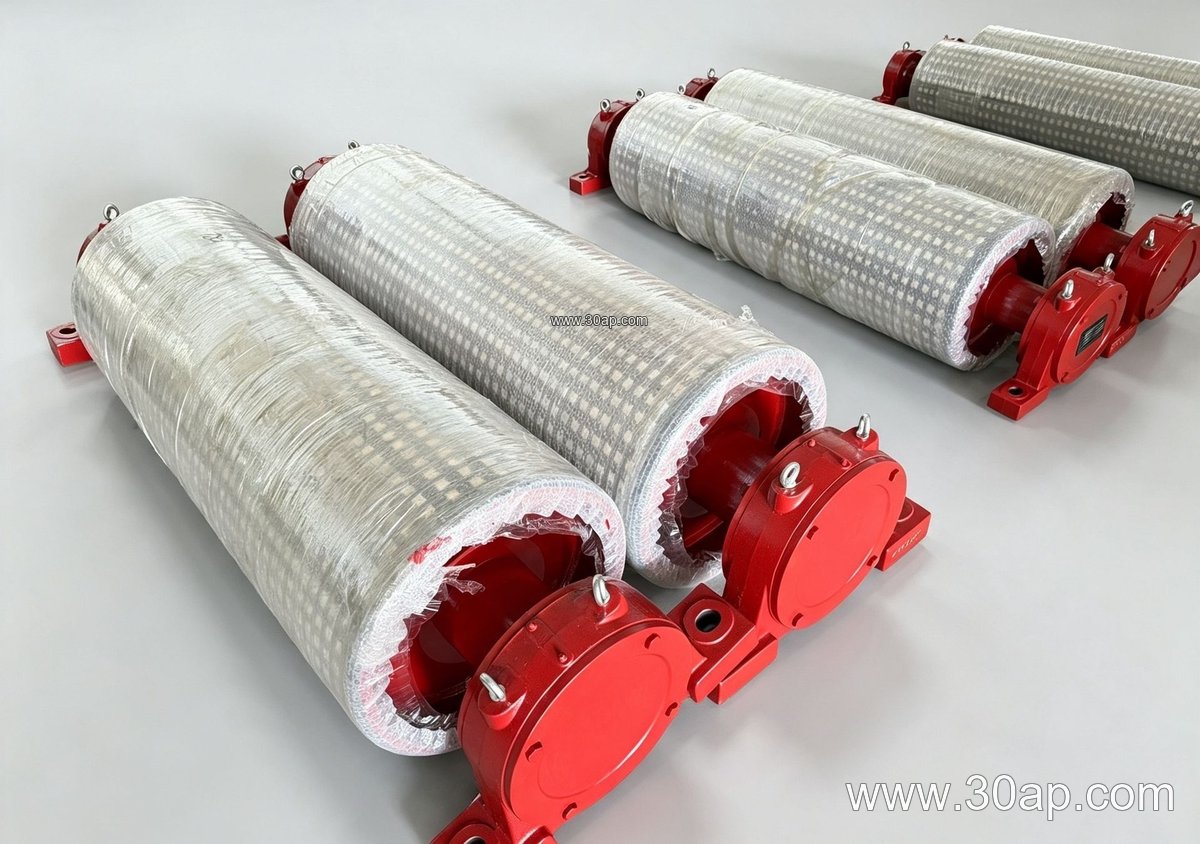
The 800mm drive pulley is frequently found in the primary or secondary crushing stages of a stone crushing plant, where it drives an aggregate conveyor belt carrying crushed rock. In the cement industry, it might be part of a clinker conveyor system, often paired with a heat resistant conveyor belt to withstand elevated temperatures. Power plants use this size for coal conveying, where a flame retardant conveyor belt is essential for safety. In mining, an 800mm drive pulley can be used with an underground mining conveyor belt or an abrasion resistant conveyor belt to handle sharp ores. Other applications include port bulk material handling and fertilizer plants, where the pulley ensures reliable operation even in corrosive environments.
Specifications and Selection Considerations
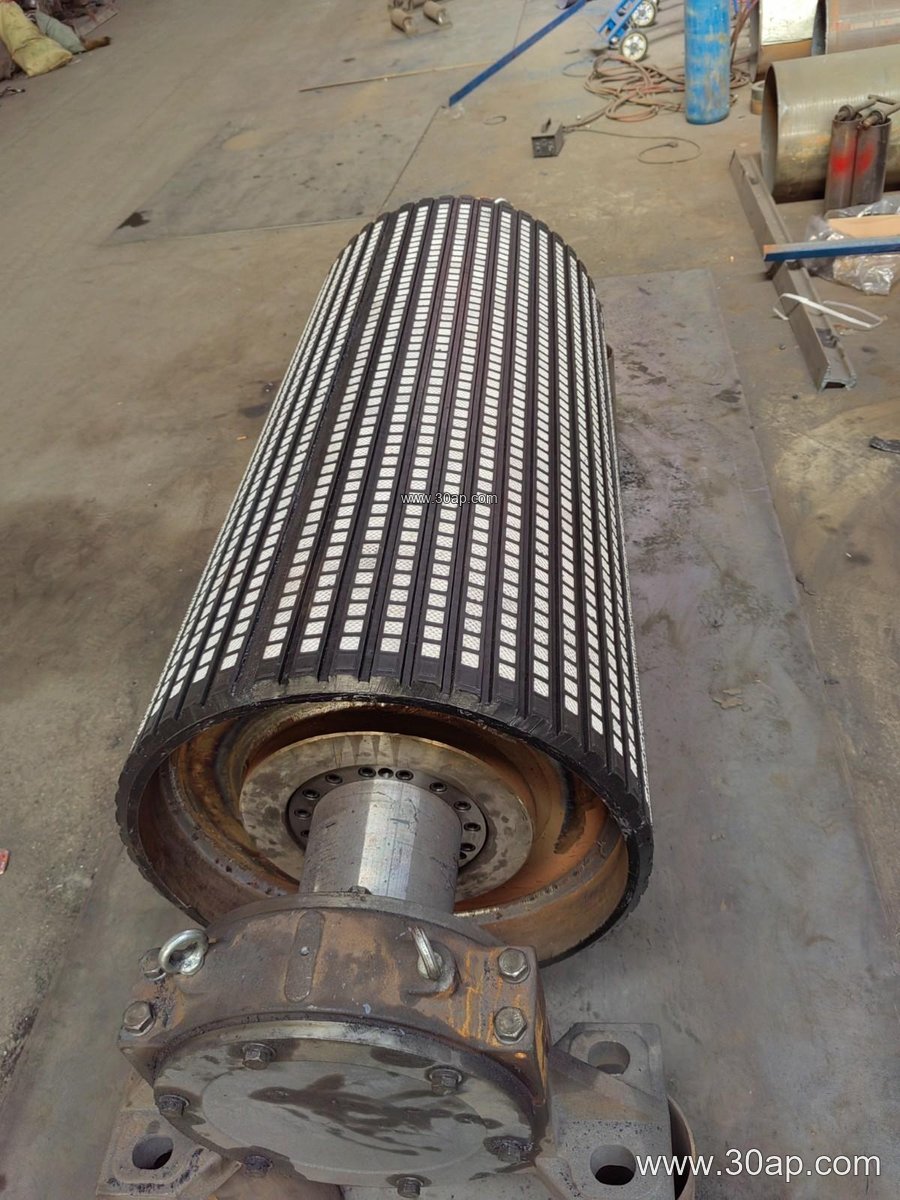
When specifying an 800mm drive pulley, several parameters must be considered. The pulley diameter is fixed at 800 mm, but the face width and shaft diameter are tailored to the belt width and load. The table below lists common combinations for reference; these are not mandatory and should be adjusted based on actual engineering calculations.
| Belt Width (mm) | Typical Pulley Face Width (mm) | Common Shaft Diameter Range (mm) |
|---|---|---|
| B650 | 750 | Ø80 – Ø120 |
| B800 | 950 | Ø100 – Ø140 |
| B1000 | 1150 | Ø120 – Ø160 |
| B1200 | 1400 | Ø140 – Ø180 |
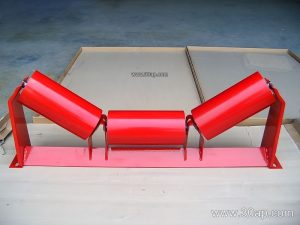
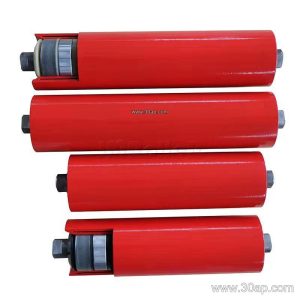
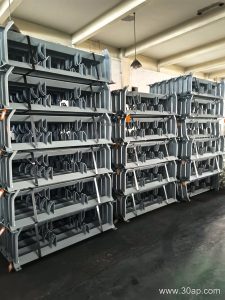
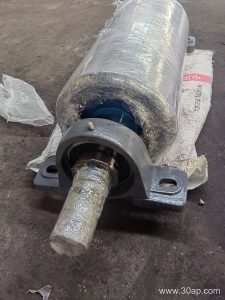
Note that the shaft diameter is not directly tied to belt width alone; it must be calculated based on the torque transmitted and the radial loads from the belt tension. Lagging thickness can vary from 8 mm to 20 mm, with 10 mm or 12 mm being common for general applications. The pulley should be dynamically balanced for smooth operation, especially at higher speeds. The bearing selection and locking assembly are also critical for reliable performance. When integrating with a conveyor bracket and idler roller, ensure that the pulley aligns properly to avoid belt mistracking.
Maintenance and Buyer Tips
Regular inspection of the lagging surface is important; worn or glazed lagging reduces friction and can cause belt slip. Check for any build-up of material on the pulley face, which can damage the belt. Lubricate bearings according to the manufacturer’s schedule and monitor for unusual noise or vibration. When purchasing an 800mm drive pulley, provide the supplier with details of the conveyor belt type (e.g., EP200 or steel cord), belt width, operating tension, and environmental conditions. This ensures the pulley is designed for the specific duty. Buyers should also consider the availability of spare parts and the supplier’s experience with similar industrial applications. For instance, if the conveyor uses a pipe conveyor belt or a corrugated sidewall conveyor belt, special pulley designs might be needed. Always verify that the pulley meets the required safety and quality standards for the intended industry.