What an Impact Resistant Idler Does
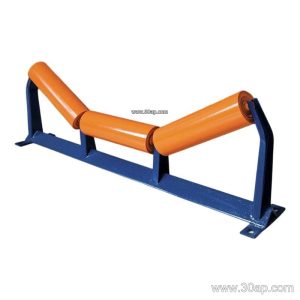
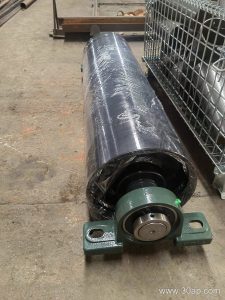
An impact resistant idler is a specialized roller used at conveyor loading points to absorb the force of falling material. Unlike standard carrying idlers, this roller features rubber rings or discs that cushion the impact, protecting the belt and extending service life. In industries such as mining, quarrying, and cement plants, where heavy lumps drop onto the belt, an impact resistant idler is essential for reliable operation.
Construction and Key Components
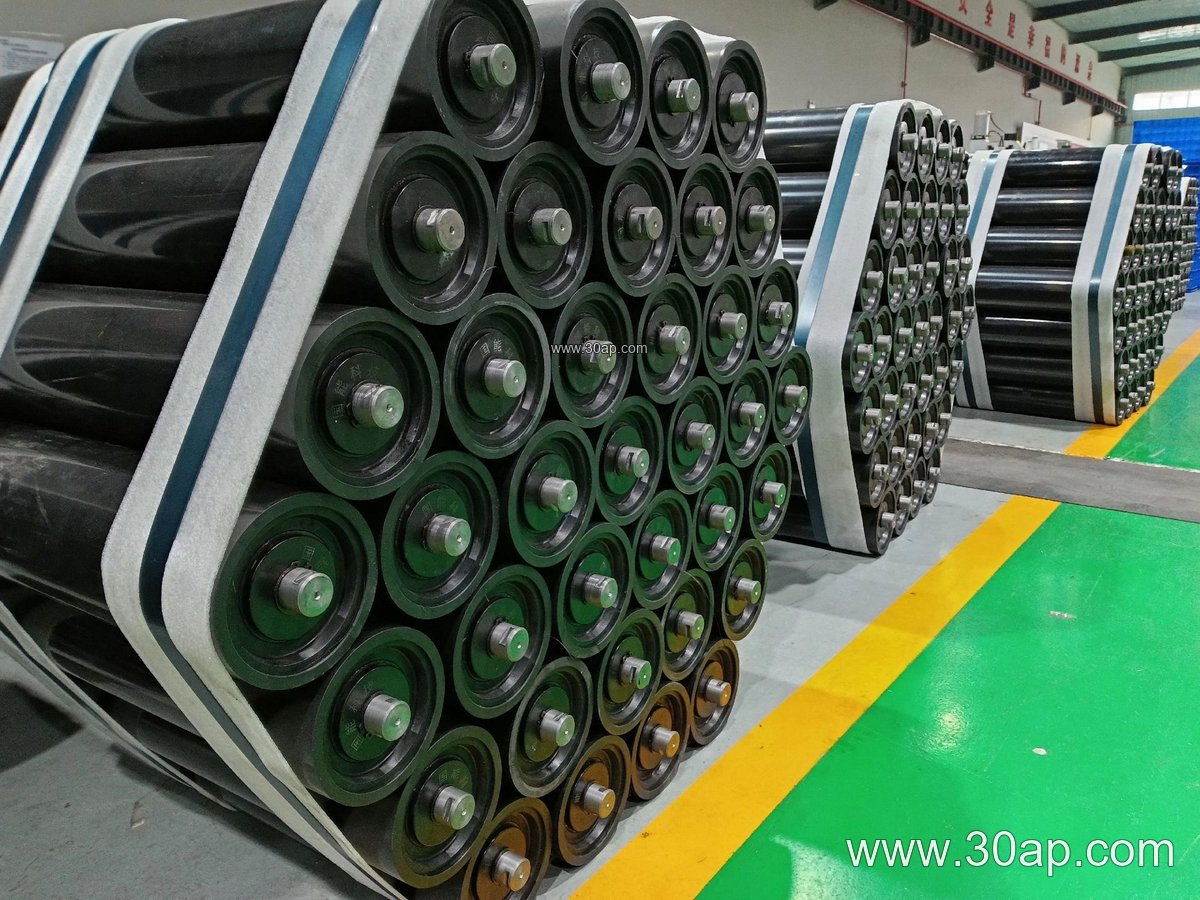
The impact resistant idler typically consists of a steel tube core covered with thick rubber rings or a continuous rubber sleeve. The rubber compounds are formulated for high elasticity and abrasion resistance. Bearings are selected to handle both radial and axial loads; common sizes include 6205, 6305, and 6308, but the choice depends on the application. The roller ends are sealed to prevent dust and water ingress, which is critical in harsh environments.
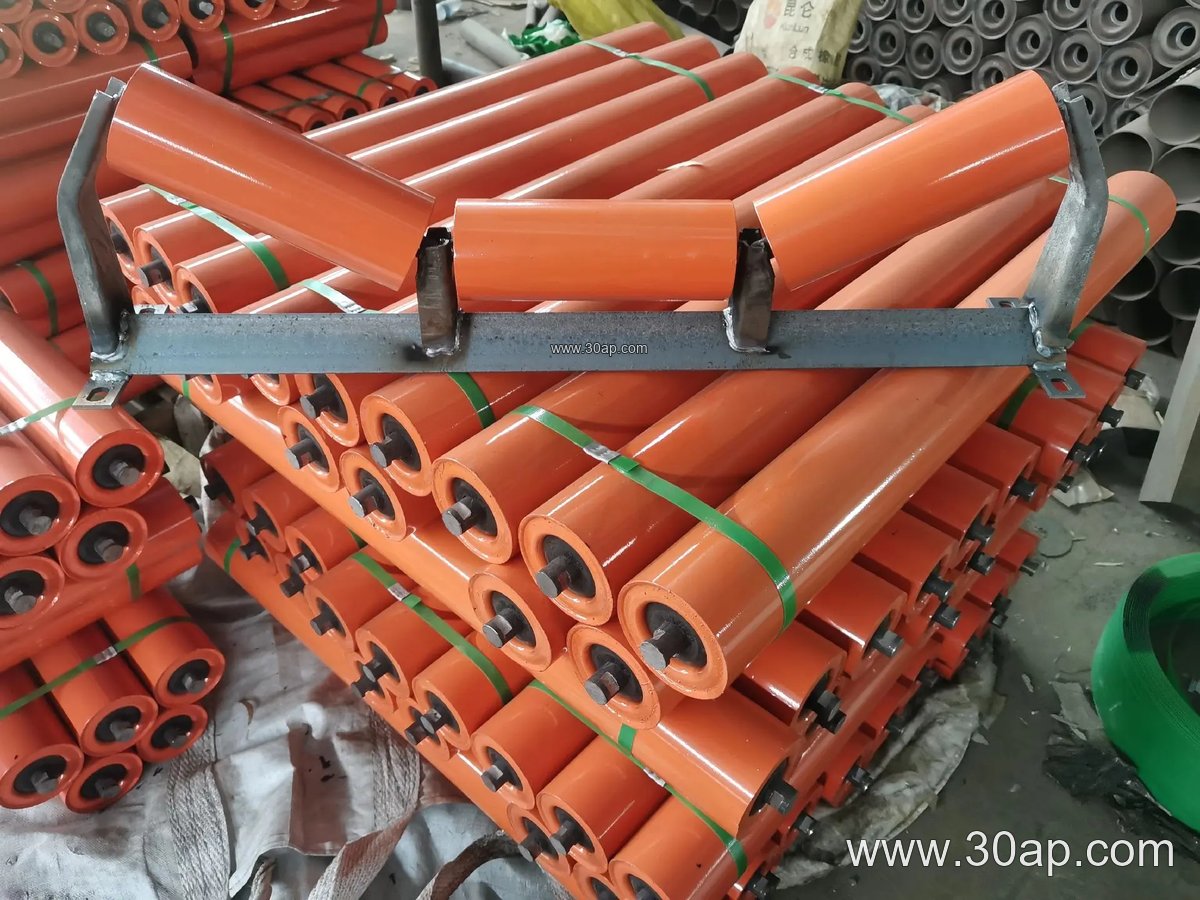
Roller Diameter and Belt Width
Impact resistant idlers are available in various diameters, such as Ø89, Ø108, Ø133, and Ø159. The belt width also dictates the idler length. For example, a 1000mm wide conveyor belt might use an idler with a roller length around 380mm for a three-roll troughing set, but this is not a fixed rule. The table below shows common reference dimensions for impact idlers in troughing configurations.
| Belt Width (mm) | Typical Roller Length (mm) | Common Diameter (mm) |
|---|---|---|
| B500 | 200 | 89 |
| B650 | 250 | 89 |
| B800 | 315 | 108 |
| B1000 | 380 | 108 |
| B1200 | 465 | 133 |
| B1400 | 530 | 133 |
| B1600 | 600 | 159 |
| B1800 | 670 | 159 |
| B2000 | 750 | 159 |
These values are for reference only; actual dimensions should be confirmed with the conveyor design. The impact resistant idler is often used in the impact zone of a conveyor belt, where material is loaded. It can be installed as a single roller or as part of a troughing set with two or three rollers. The trough angle, commonly 20°, 30°, or 35°, affects material containment.
Where Impact Resistant Idlers Are Used
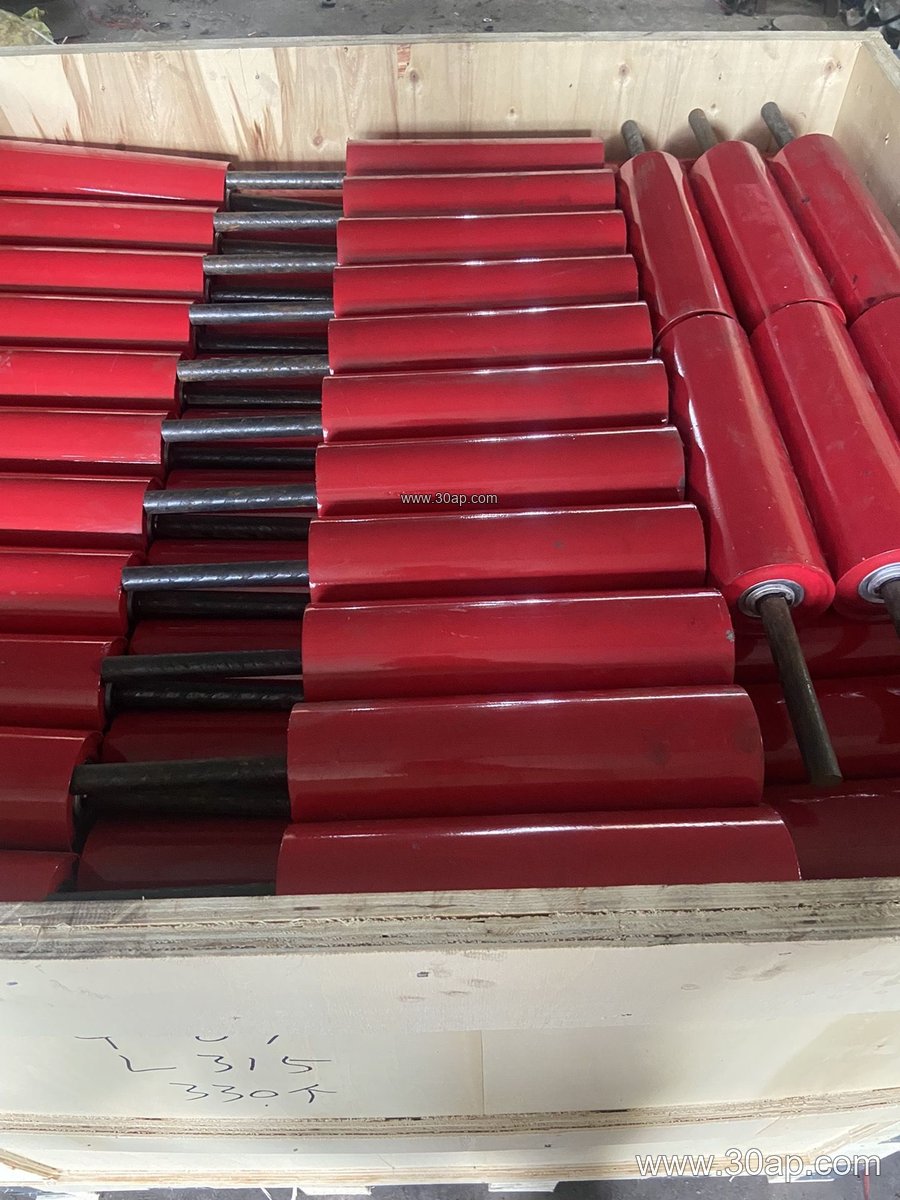
These idlers are found in quarrying and mining operations, particularly at transfer points where crushed rock or ore falls onto the belt. In a coal mining conveyor system, impact idlers help withstand the shock of coal lumps. Cement plants also use them under crusher discharge. The rubber rings reduce belt damage and noise, and they also help center the belt. For extreme conditions, such as high abrasion, a high abrasion resistant conveyor belt may be paired with impact idlers to maximize service life. In iron ore operations, heavy-duty mining conveyor belts and impact idlers work together to handle sharp, dense material.
Selection and Maintenance Tips
When choosing an impact resistant idler, consider the material lump size, drop height, and throughput. The rubber ring hardness and thickness should match the impact energy. Bearing selection must account for the load and speed; common bearings like 6204, 6206, and 6306 are often used, but the final choice is determined by the manufacturer. Regular inspection of the rubber rings for wear and the bearings for lubrication is recommended. In dusty environments, proper sealing is vital. Also, ensure that the idler is compatible with the conveyor bracket and frame. For those specifying a conveyor system, it is important to note that the impact resistant idler is not interchangeable with a bend pulley or drive pulley; each has a distinct role.
For more information on conveyor components such as conveyor idlers, conveyor pulleys, and conveyor brackets, please visit our website at www.example.com/conveyor-idler.