What a Conveyor Belt Guide Idler Does
A conveyor belt guide idler is a small but decisive component in keeping a belt centred on its structure. Often called a training idler or self-aligning idler, this roller assembly senses a drifting belt and steers it back toward the pulley centreline. In a quarry, a cement plant or a power plant coal yard, a belt that wanders a few centimetres can rub the frame, spill material and shorten the life of the conveyor belt itself.
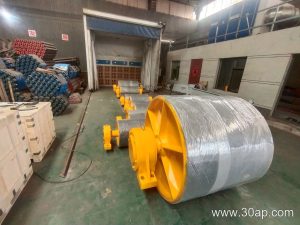
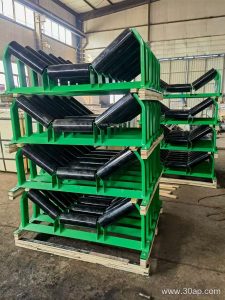
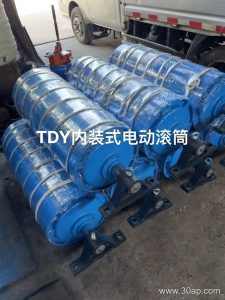
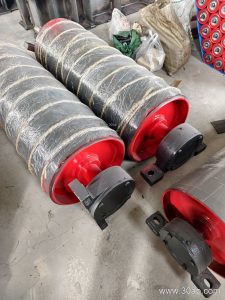
The guide idler is not a drive pulley, a tail pulley or a bend pulley. Those parts transmit power and change belt direction. The guide idler works on tracking, usually mounted on the carry side or return side where drift is most likely. It may be a single roller, a two-roll assembly or a three-roll troughing set, depending on belt width and load.
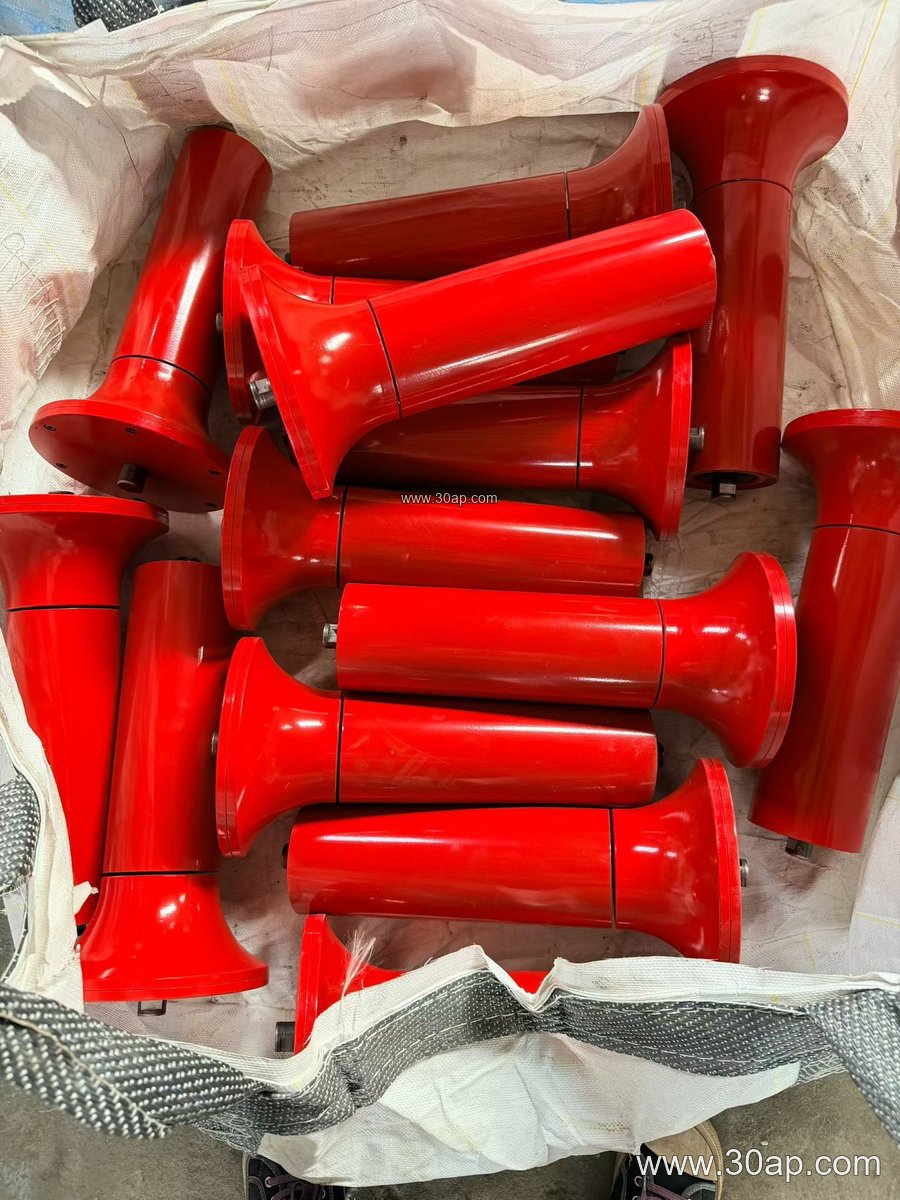
How the Assembly Is Built
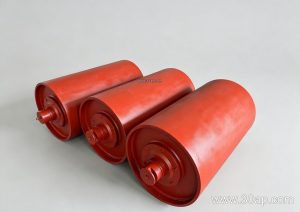
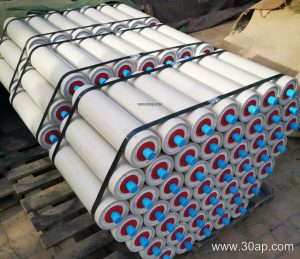
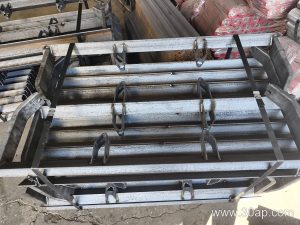
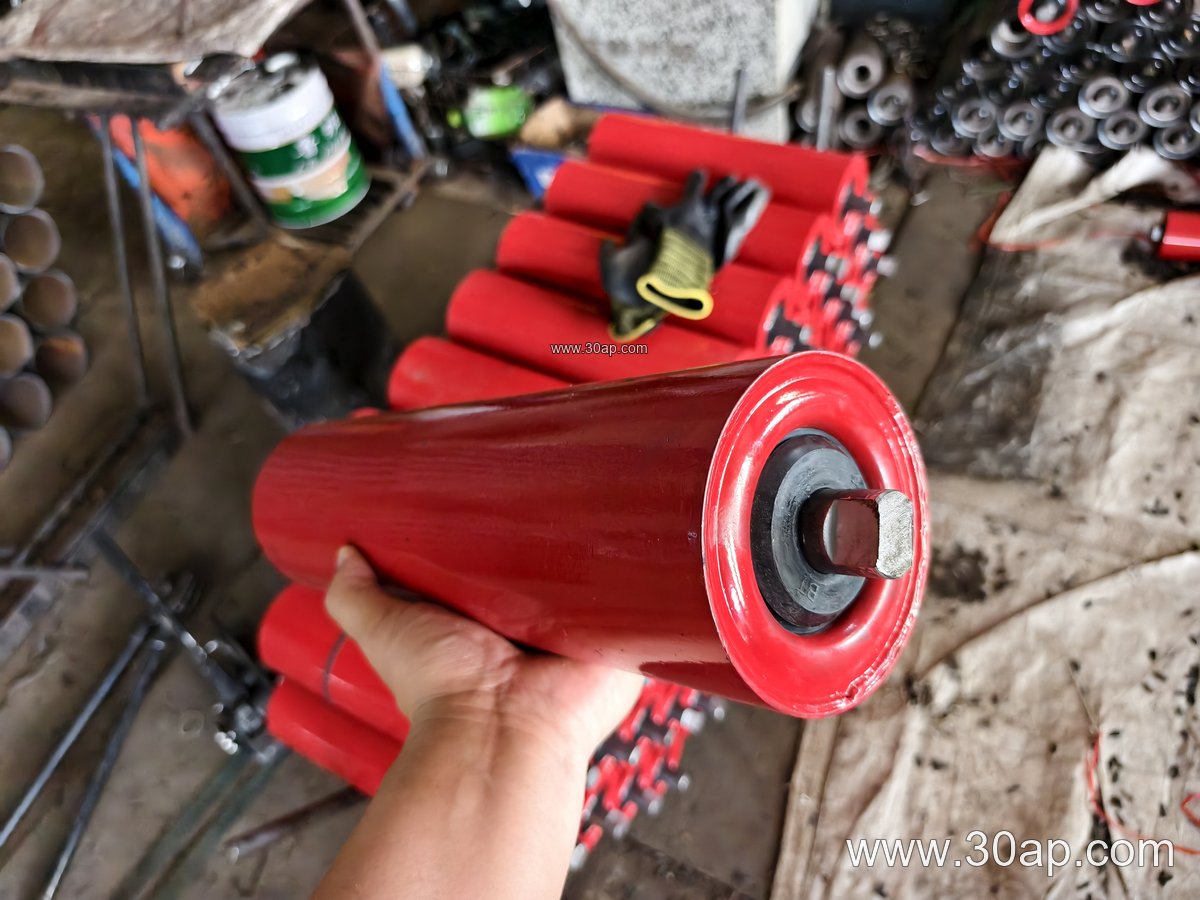
A typical unit pairs a steel tube shell with sealed bearings, a fixed shaft and a bracket that allows a small pivoting action. When the belt edges contact the guide rollers, the assembly rotates slightly and nudges the belt back. Friction training idlers use the same principle with rubber-covered rollers for extra grip.
- Shell options: steel tube, nylon, ceramic or rubber ring
- Common bearing sizes: 6204, 6205, 6305, 6306, 6308, 6310
- Common roller diameters: Ø63, Ø76, Ø89, Ø102, Ø108, Ø127, Ø133, Ø159, Ø178, Ø194, Ø219
- Trough angles for related carrying sets: 20, 30, 35 and 45 degrees
Roller length follows belt width, trough angle and the number of rolls. As a reference, a three-roll troughing set might use roughly 200 mm rolls at B500, 250 mm at B650, 315 mm at B800, 380 mm at B1000, 465 mm at B1200, 530 mm at B1400, 600 mm at B1600, 670 mm at B1800 and 750 mm at B2000. These are common examples only; side rolls and centre rolls can differ, and final dimensions are set by design.
Where Guide Idlers Earn Their Place
In a limestone mine, a training idler near the loading point helps a Fabric Core Conveyor Belt stay aligned after material lands off-centre. In a coal washing plant, a flame retardant conveyor belt running on a long incline benefits from guide rollers on the return strand, where drift is easy to miss. A crusher discharge belt in an aggregate line often uses a rubber ring buffer idler for impact, then a guide idler downstream to correct the wander caused by uneven loading.
Other industries follow similar logic: iron ore and copper ore handling, sinter plants, port ship loaders, tunnel spoil removal and fertiliser plants. The belt may be an EP Conveyor Belt, an NN Conveyor Belt, a steel cord conveyor belt or a heat resistant conveyor belt; the guide idler’s job stays the same, though shell material and bearing seals should suit the environment.
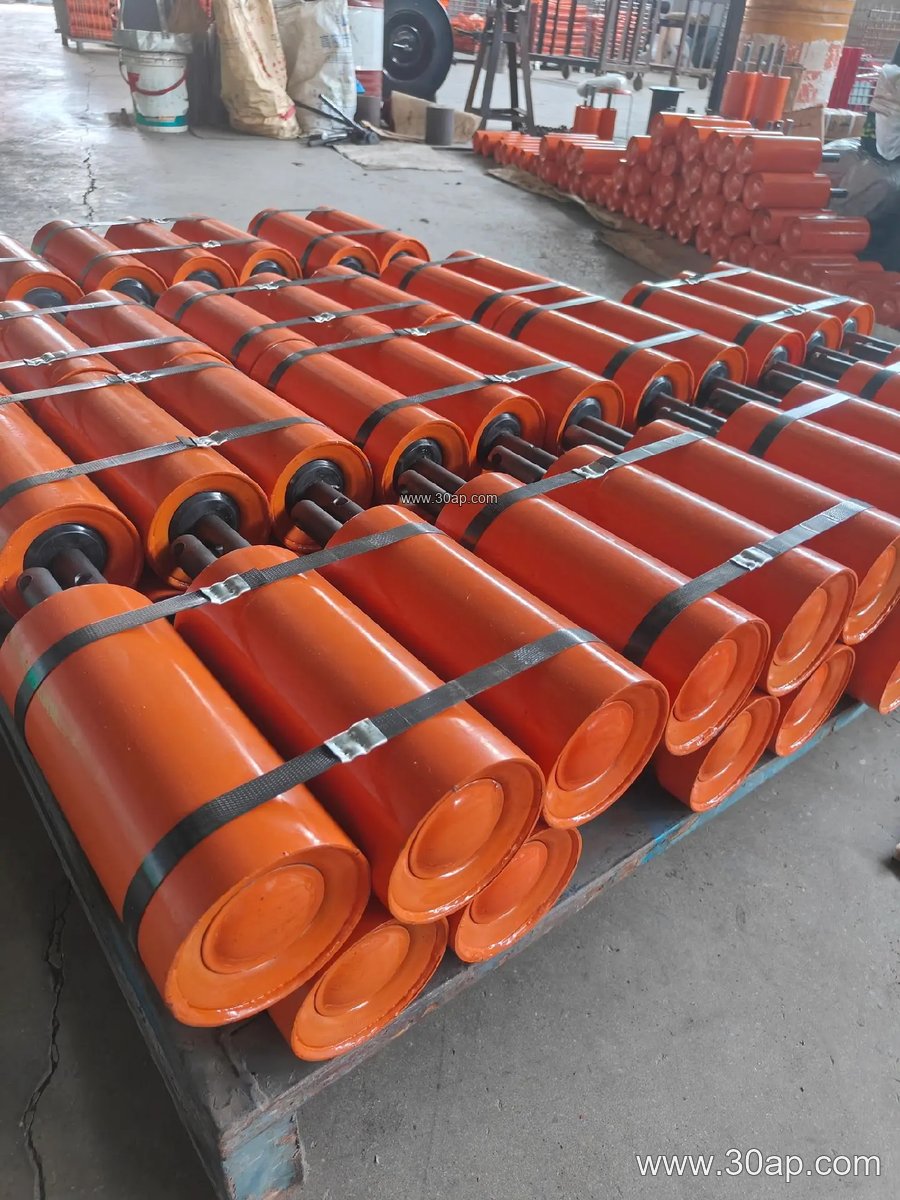
Buyer Checklist Before Ordering
Start with belt width and the position on the conveyor. A guide idler for the carry side sees material and impact, while a return-side unit deals with dust and belt sag. Confirm the roller diameter, shell type, bearing size and bracket pattern that match the existing conveyor bracket and frame. Ask how the unit pivots and whether the mounting holes align with the current structure.
For dusty coal mining or cement service, sealed bearings and abrasion resistant roller surfaces matter. For wet or corrosive conditions, check the finish and seal arrangement. A guide idler is a small purchase, but the wrong one can fight the belt instead of helping it. Pair it with well-aligned pulleys and a properly tensioned belt, and tracking becomes far more predictable.
For matching belts, rollers and related components, review conveyor belt and idler roller options at gtconveyorbelt.com, and compare conveyor pulley and bracket details before finalising the order.