What a Q235 Conveyor Bracket Does on a Belt Conveyor
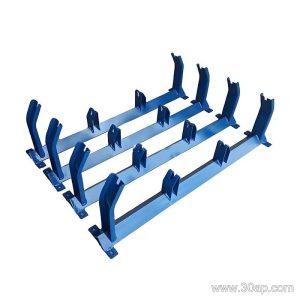
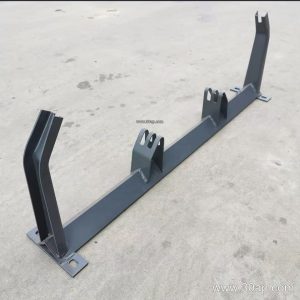
The Q235 Conveyor Bracket, also called a Q235 steel conveyor support bracket, is the structural component that holds idler rollers at the correct position and angle beneath and beside a conveyor belt. In a quarry, coal preparation plant, or power station coal yard, the bracket carries the load of the belt, the material, and the rollers, then transfers it into the conveyor frame. Q235 is a common structural carbon steel in general fabrication, chosen for good weldability and predictable strength. For a buyer, the bracket is a small item with a large effect on belt tracking, roller life, and maintenance time.
How the Bracket Is Built
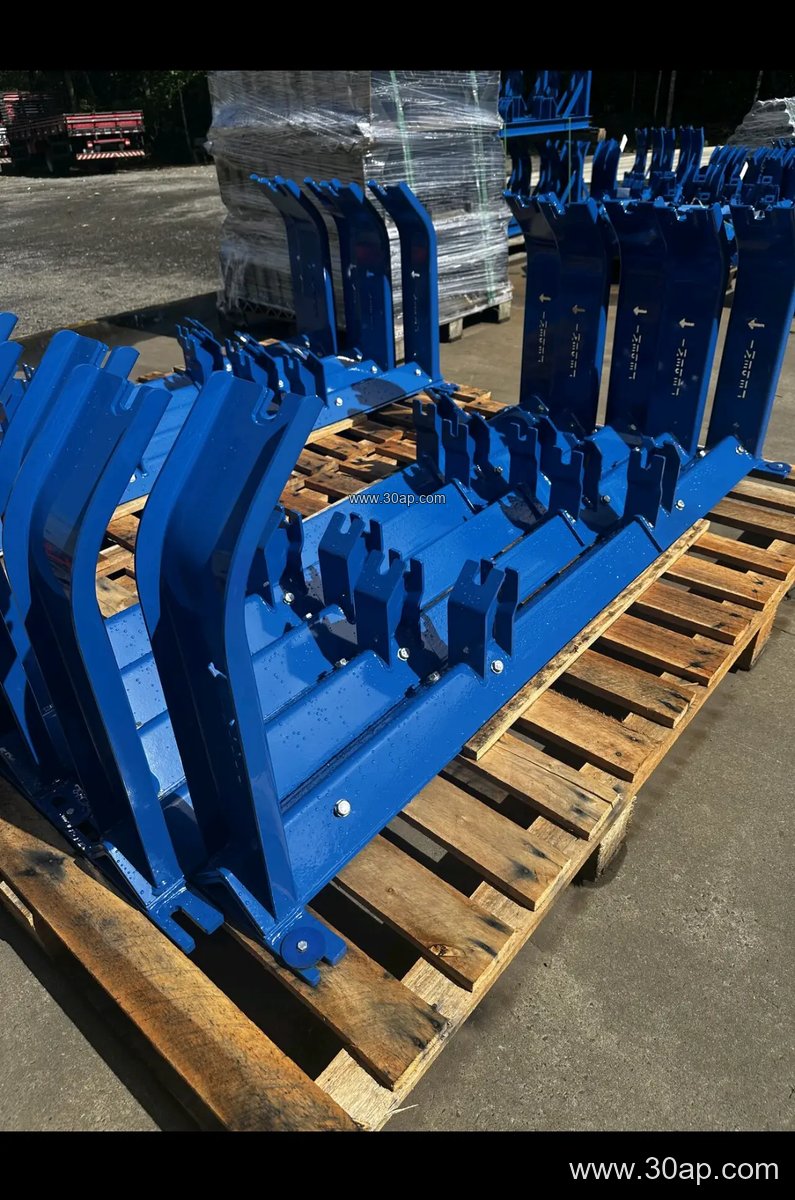
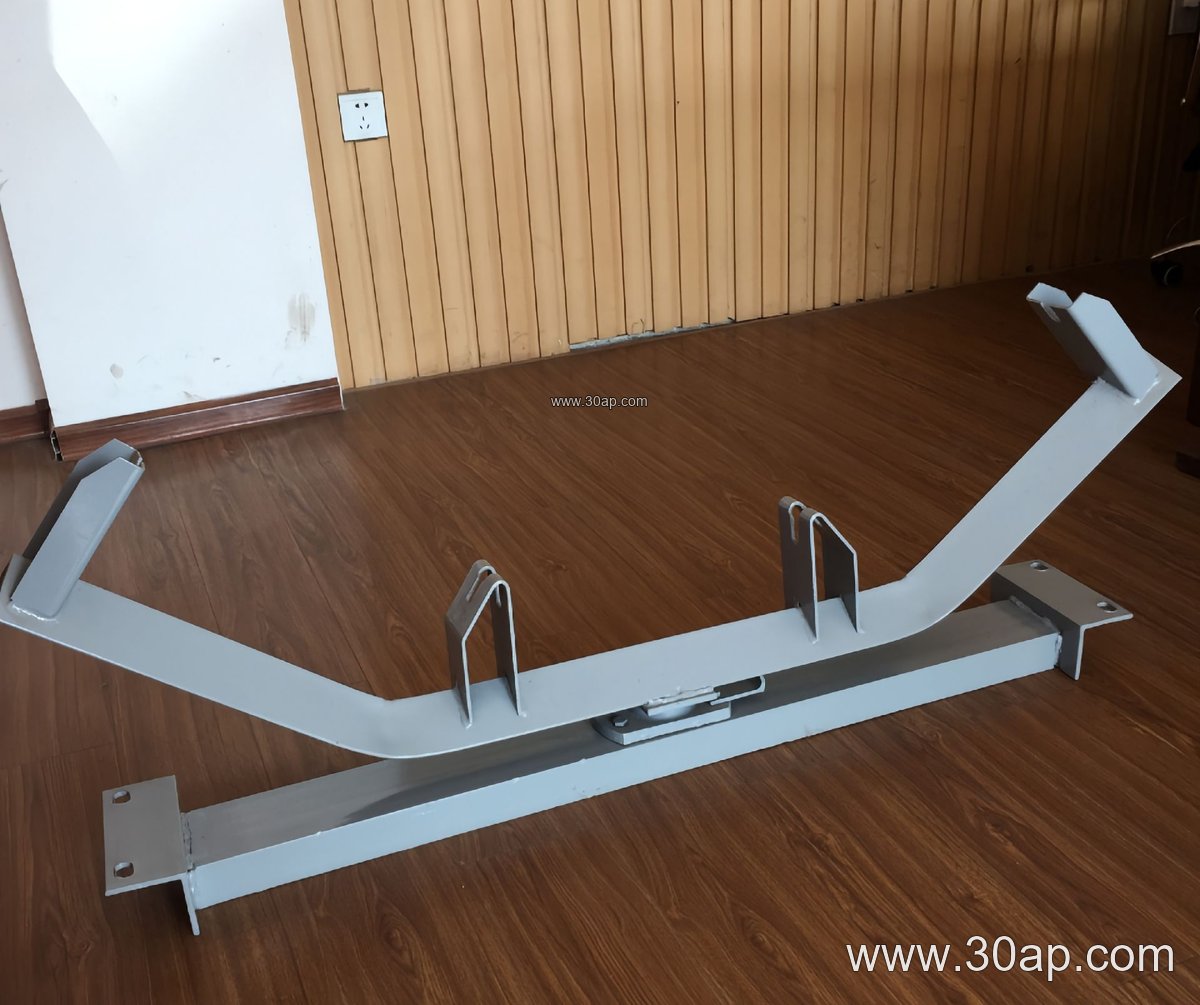
Most units are fabricated from angle steel, channel steel, or folded steel plate. A troughing bracket usually has two inclined arms and a base beam, with mounting holes for the idler roller shaft ends. Return brackets are flatter in form, and V-return or buffer versions add their own geometry. Welding quality matters more than appearance: check for continuous welds at load points, clean hole alignment, and a consistent galvanized or painted finish where the plant environment is wet or dusty.
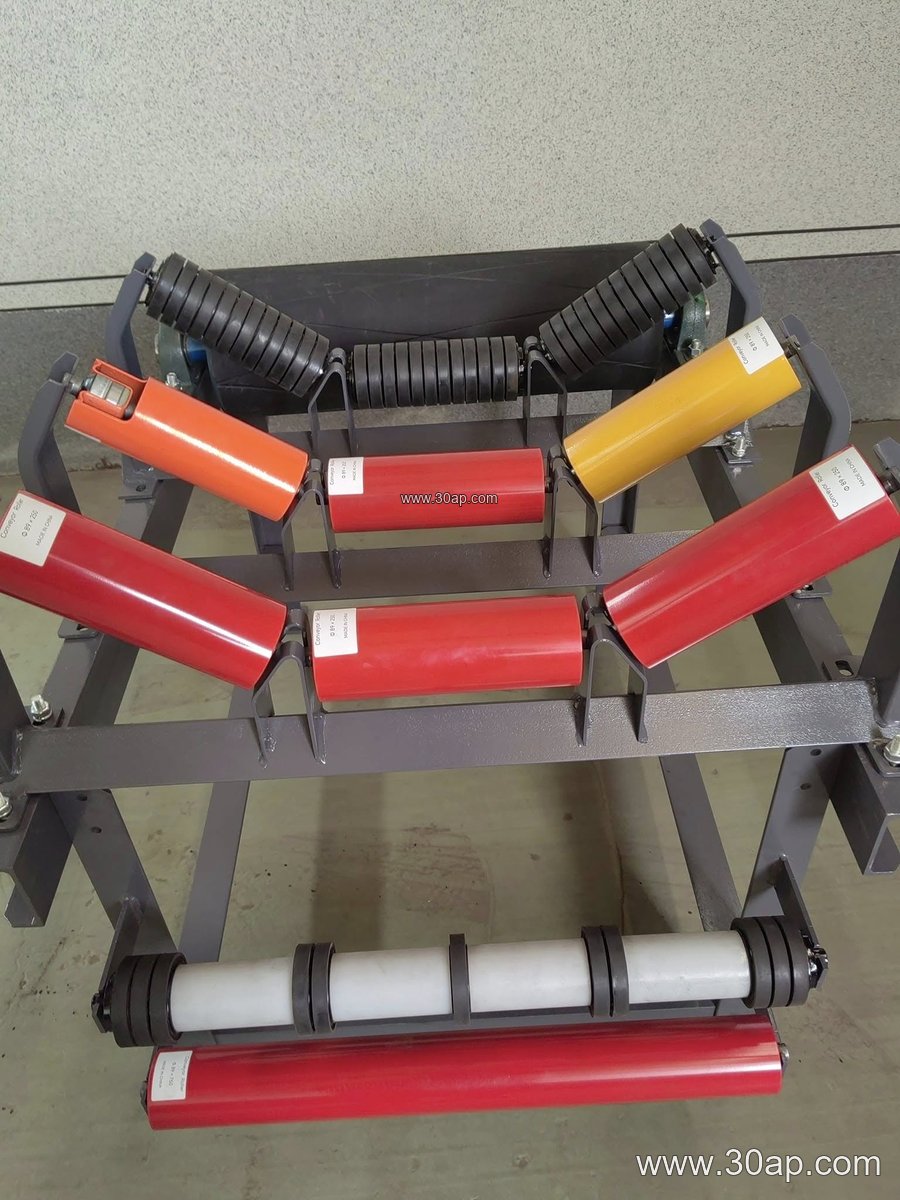
- Material: Q235 carbon steel, welded or bolted assembly
- Common forms: troughing, transition, return, V-return, impact, self-aligning, suspended, adjustable
- Surface: painted, galvanized, or bare steel depending on specification
Where It Fits in the Conveyor Line
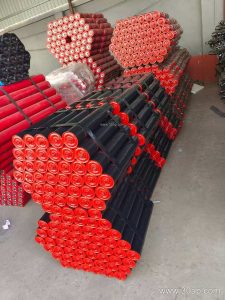
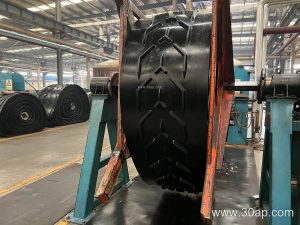
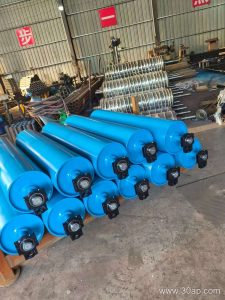
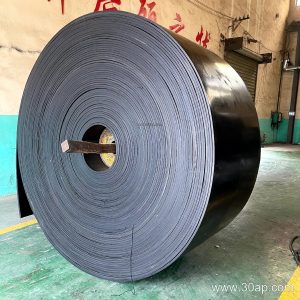
On a typical aggregate conveyor, troughing brackets sit along the carrying side at a set spacing, holding three rollers in a trough that shapes the belt. Transition brackets near the head and tail pulleys ease the belt from flat to troughed. Return brackets support the empty side, and self-aligning or forward-leaning brackets help correct minor belt wander. The same hardware appears under a rubber conveyor belt in a sand and gravel line, beneath an abrasion resistant belt in an iron ore plant, and along a flame retardant belt in an underground coal mining conveyor. Belt type does not change the bracket principle, but it does affect the load and the environment the bracket must survive.
Matching Bracket, Belt Width, and Roller Diameter
Bracket size follows belt width and the idler roller diameter selected for the duty. Common belt widths include B500, B650, B800, B1000, B1200, B1400, B1600, B1800, B2000, B2200, and the bracket crossbeam length and hole spacing are determined by the design rather than a single fixed figure. Trough angles of 20, 30, 35, and 45 degrees are usual; adjustable brackets allow a range of these angles to be set on site. Forward-leaning brackets are often set at about 1.5 to 2 degrees. Roller diameters such as 89 mm, 108 mm, 133 mm, 159 mm, and 194 mm are common, and one belt width may accept more than one roller diameter depending on load and speed.
| Reference combination | Typical trough angle | Roller diameter |
|---|---|---|
| B650 | 30 degrees | 89 mm |
| B800 | 35 degrees | 108 mm |
| B1000 | 35 degrees | 108 mm or 133 mm |
| B1200 | 45 degrees | 133 mm |
| B1400 | 35 or 45 degrees | 159 mm |
These are references, not mandatory pairings. Designers confirm spacing, angle, and roller size against belt tension, material density, and lump size.
Choosing and Maintaining the Right Bracket
Start with the belt width and the roller diameter already used on the conveyor, then confirm the trough angle that suits the material. A long-distance line carrying a steel cord conveyor belt at high tension may call for heavier brackets and closer spacing than a short crusher discharge. In dusty or corrosive sites, specify a finish that suits the conditions. At installation, align brackets to the frame, tighten bolts to the specified torque, and check that all rollers sit level. During routine inspections, look for loose bolts, bent arms, weld cracks, and worn mounting holes; replacing a damaged bracket early protects both the idler roller and the belt. For spare parts planning, keep a small stock of the most common bracket form used on each conveyor at your site.
Buyer Checklist
- Confirm belt width, trough angle, and roller diameter before ordering
- State the bracket type: troughing, return, transition, impact, self-aligning, or adjustable
- Ask for material grade, steel thickness, and surface treatment
- Check hole spacing and crossbeam dimensions against the existing frame
- Verify weld quality and dimensional tolerance on delivery
The Q235 Conveyor Bracket is a straightforward steel part, but matching it correctly to the belt, rollers, and frame keeps a bulk handling line running with fewer stoppages.