What a Fire Resistant Conveyor Belt Is
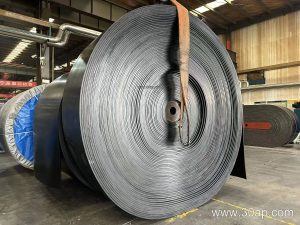
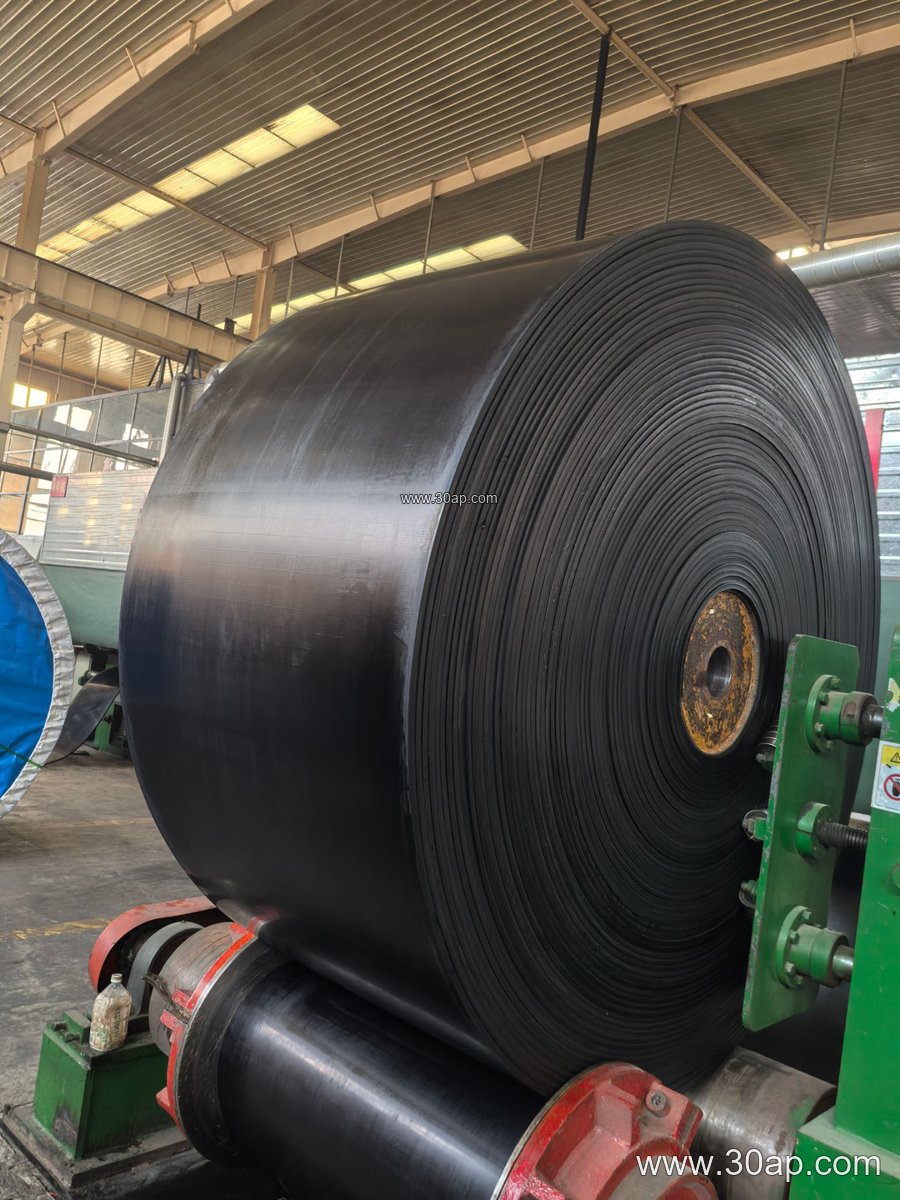
A Fire Resistant Conveyor Belt is a rubber conveyor belt engineered to resist ignition and limit flame spread when it is exposed to sparks, hot material, or an open flame. It is not simply a standard belt painted with a special coating. The flame-retardant property comes from the compound itself, usually through halogenated or non-halogenated additives blended into the cover rubber and, in many designs, into the core compound as well. In coal handling, power plants, cement kilns, and underground mining, this belt is often specified as a Flame Retardant Conveyor Belt or as a Mining Fire Resistant Conveyor Belt, depending on the standard the buyer is working to.
The belt still has to carry load, survive abrasion, and run true on the conveyor. That means fire resistance is one property among several, and a good specification balances it against tensile strength, cover thickness, and troughability.
How the Belt Is Built
Most fire resistant belts use a fabric core or a steel cord core. In fabric constructions, EP Conveyor Belt and NN Conveyor Belt carcasses are common because they offer good strength-to-weight ratios and resist fatigue around pulleys. A Multi-Ply Fabric Core Conveyor Belt with two to six plies is typical for medium-duty service, while a Steel Cord Conveyor Belt is chosen for long overland runs and high tension. The cover rubber is where much of the flame protection sits, and cover gauges such as 4+2 mm, 5+2 mm, 6+2 mm, and 8+3 mm are common in heavy-duty mining and quarry work.
Some designs add anti-static properties, because static discharge can be an ignition source in dusty coal or grain environments. An Anti-Static Conveyor Belt paired with flame resistance is a frequent combination for Underground Coal Mining Conveyor Belt service. PVG Conveyor Belt and PVC Conveyor Belt constructions are also used underground, particularly where the whole belt must meet strict flame and static criteria.
Where It Is Used
- Coal Mining Conveyor Belt lines, including Underground Mining Conveyor Belt and Underground Coal Mining Conveyor Belt systems
- Power Plant Conveyor Belt and Coal Conveyor Belt handling yards
- Cement Plant Conveyor Belt and Cement Conveyor Belt clinker transport
- Steel Plant Conveyor Belt and coke handling
- Quarry Conveyor Belt, Aggregate Conveyor Belt, and Crusher Conveyor Belt discharge points
- Port Conveyor Belt and Ship Loading Conveyor Belt operations handling dusty bulk cargo
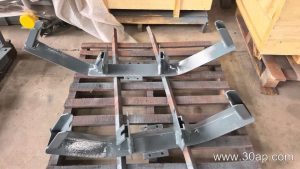
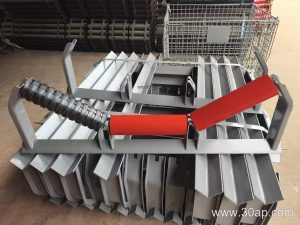
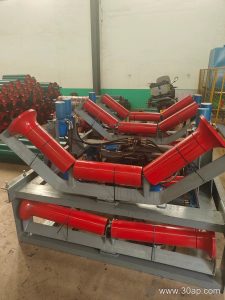
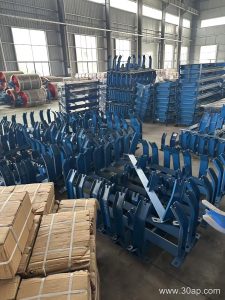
In these settings the belt runs over conveyor pulleys, idler rollers, and conveyor brackets that must be aligned and maintained, because a misaligned belt that rubs or stalls can generate heat. Fire resistance helps, but good conveyor design and housekeeping remain part of the safety picture.
Construction and Surface Options
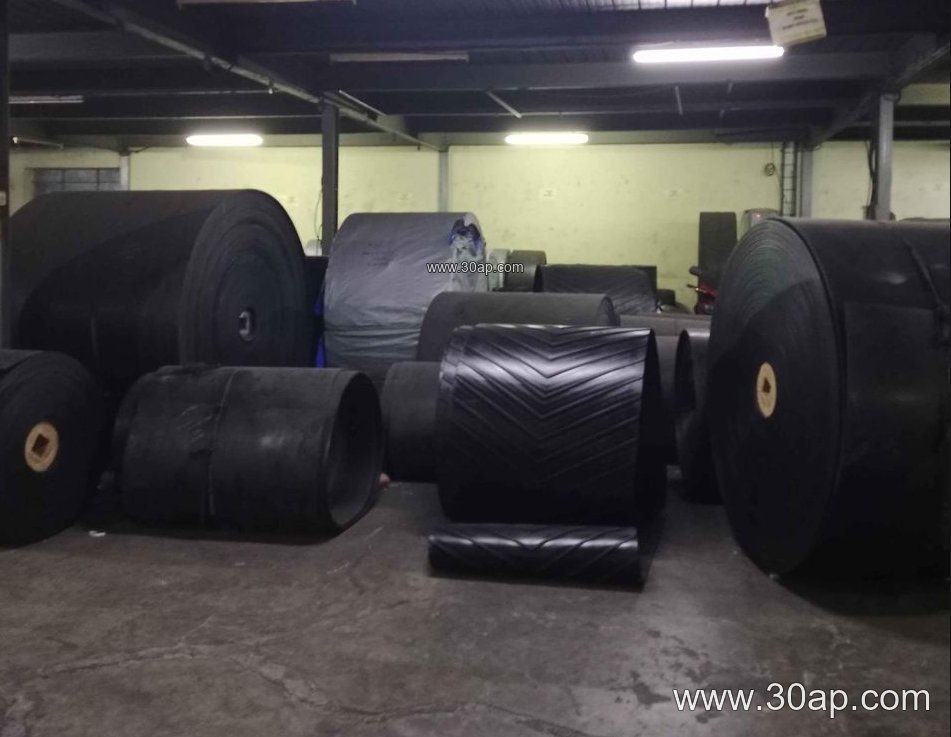
Fire resistant belts are available in several surface forms. A smooth cover suits general bulk material handling. A Chevron Conveyor Belt or Corrugated Sidewall Conveyor Belt may be needed on inclines where material would otherwise slide back, and the flame-retardant compound can be applied to these profiles as well. A Skirted Conveyor Belt is used where material containment matters at transfer points. A Pipe Conveyor Belt offers enclosed transport for dusty or sensitive cargo, and fire-resistant grades exist for that design too.
| Property | Typical Range | Notes |
|---|---|---|
| Belt width | B500 to B2000 | Common widths include 650mm, 800mm, 1000mm, 1200mm, 1400mm, and 1600mm |
| Fabric strength | EP200 to EP2000 | NN grades also available |
| Steel cord strength | ST1000 to ST3150 | For high-tension routes |
| Cover thickness | 3+1.5 to 8+3 mm | Selected by duty and material size |
| Ply count | 2 to 6 | Fabric core constructions |
Values above are common reference ranges. Actual belt construction is confirmed by design for each conveyor.
What a Buyer Should Check
Start with the duty. A 1200mm Wide Conveyor Belt carrying coal at a power plant has different demands from a 650mm belt on a small aggregate line. Confirm the required flame standard, whether anti-static behavior is needed, and whether the belt will run underground. Check the pulley diameters, trough angle, and idler roller spacing, because a stiff, thick belt may not trough well on a tight layout.
Ask how the cover compound performs after abrasion. A belt that loses its flame-retardant cover in a few months is a false economy. For hot clinker or sinter, a Heat Resistant Conveyor Belt may be the better base, with flame resistance added to the specification. For oily scrap or recycled material, an Oil Resistant Conveyor Belt may be needed instead. These are different products, and each solves a different problem.
Finally, review splicing. A fire resistant belt is only as good as its joint, and a poorly made splice can create a weak point that overheats. Keep conveyor pulleys, idler rollers, and conveyor brackets in good condition, and train operators to stop the line when they see smoke or a hot smell. For buyers sourcing in volume, a clear specification sheet listing width, strength, cover gauge, and flame grade is the best way to compare offers.