What an Adjustable Conveyor Bracket Does on the Line
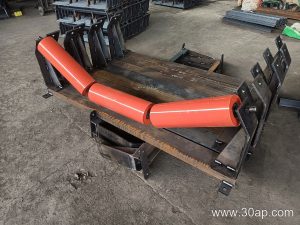
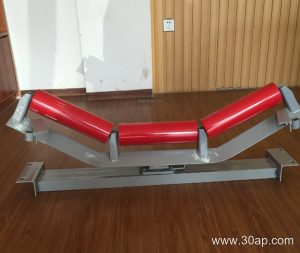
An adjustable conveyor bracket is a mounting component that carries idler rollers while allowing the trough angle, alignment, or working position to be changed after installation. On a running conveyor, small differences in structure, belt tracking, and loading conditions mean that a rigidly welded frame is not always the practical answer. The adjustable bracket gives maintenance teams a way to correct the idler position without cutting and re-welding the frame.
The part is often used on the carrying side as an adjustable troughing bracket, where the side rollers can be set between common trough angles. It may also appear as an adjustable return bracket or a transition support near a conveyor pulley, where the belt changes profile. In all these positions, the bracket works with the conveyor belt, the idler roller, and the surrounding frame rather than as a standalone item.
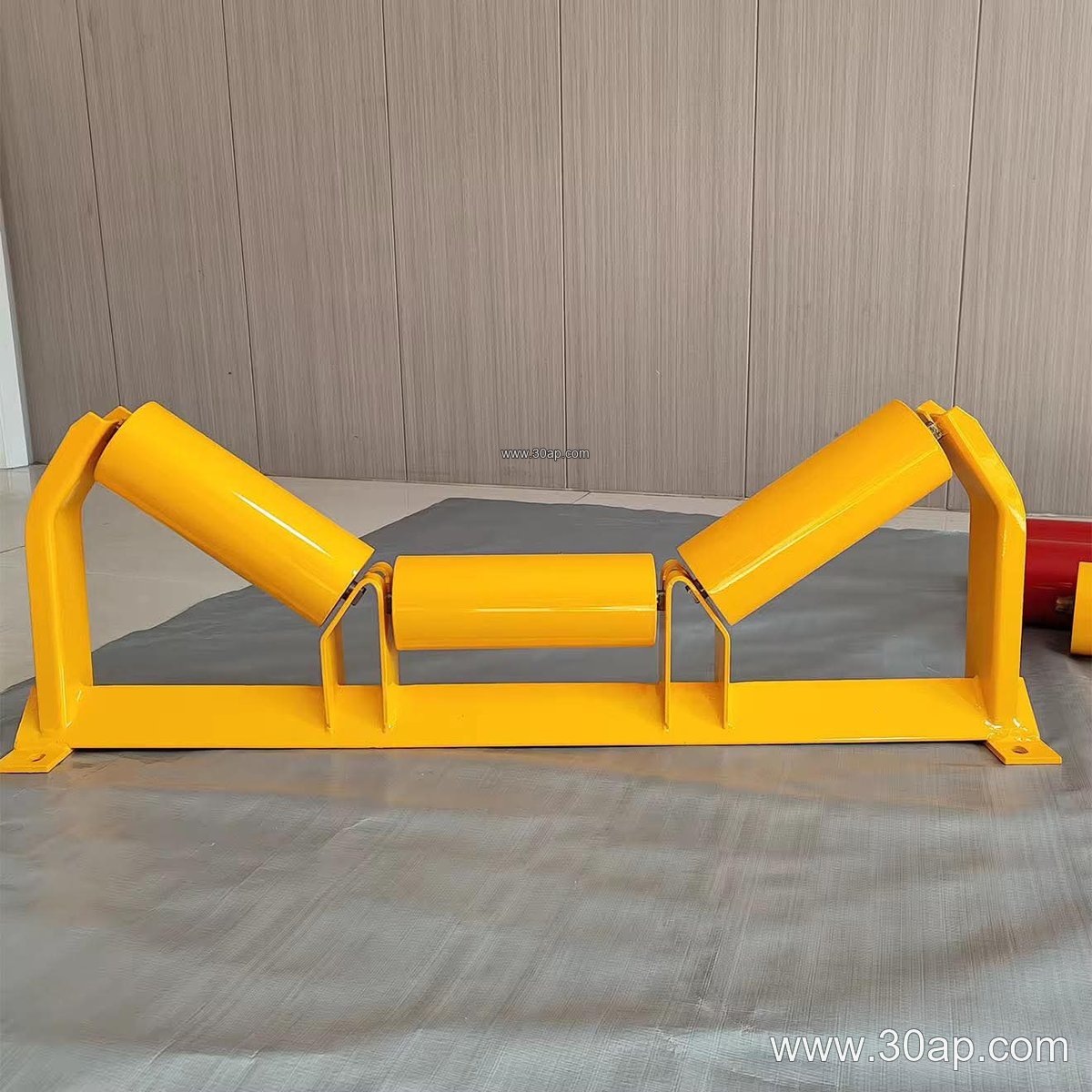
Construction and Adjustment Features
The bracket is normally fabricated from angle steel, channel steel, or folded steel plate welded into a strong base. Adjustment is usually achieved through slotted holes, bolted pivot points, or a set of positioning holes. Some designs use a hinged side arm that is fixed at the required angle by a bolt, while others use a sliding bracket that moves the roller along the frame.
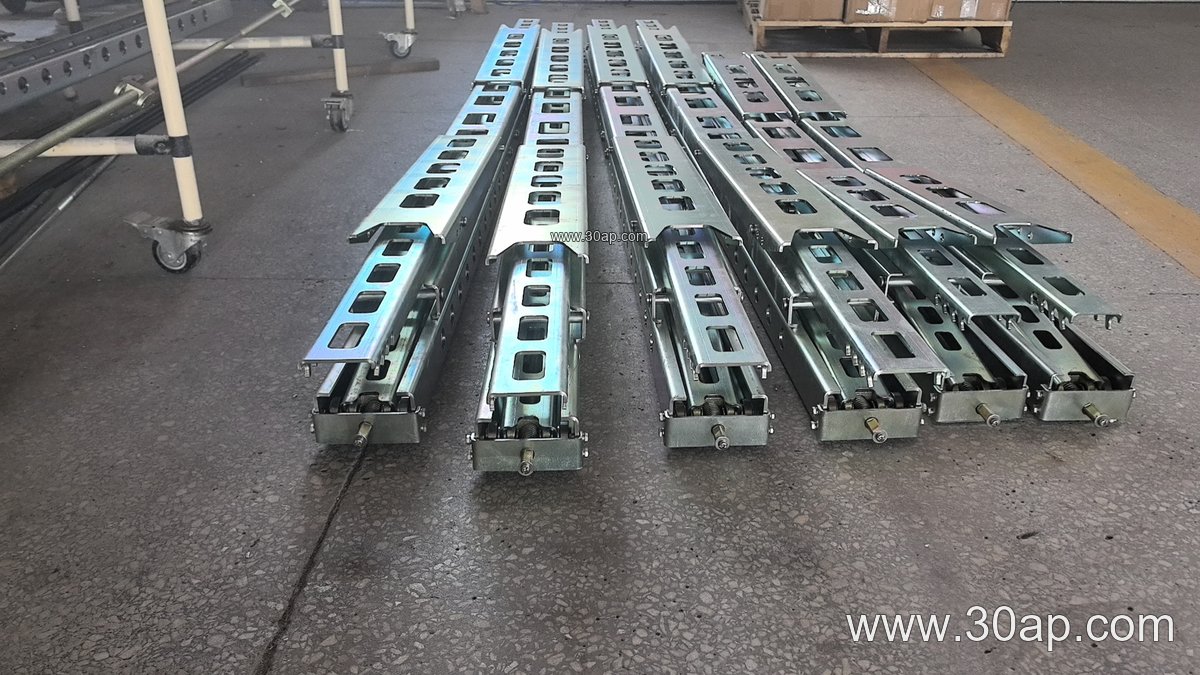
- Slotted mounting holes allow fine forward or backward movement of the idler.
- Pivot or hinge points permit the side roller to be set at different trough angles.
- Reinforced weld areas help resist vibration from bulk material loading.
- Replaceable bolts and pins keep the adjustment mechanism serviceable.
Materials are commonly selected to suit the duty, and galvanized or painted finishes are often specified for outdoor installations. The adjusting bolts should be checked after the first weeks of operation, because a loose fixing can let the roller drift and cause belt misalignment.
Where Adjustable Brackets Are Used
These brackets are common in a limestone quarry, an iron ore transfer station, a cement plant clinker line, a power plant coal handling system, and a crushing and screening circuit. In a quarry, the adjustable troughing bracket lets crews set the trough angle to match the load and keep the belt centered after a chute change. In a coal handling plant, the same component helps maintain proper support where the belt leaves a drive or tail pulley and the material profile changes.
In a sand and aggregate line, a small adjustment can reduce spillage at the loading point. In a fertilizer or grain silo installation, the bracket helps keep the belt supported without over-tightening the roller frame. Where dust and fines are present, the adjustable bracket should be easy to clean and inspect, and the fixing holes should not fill with compacted material.
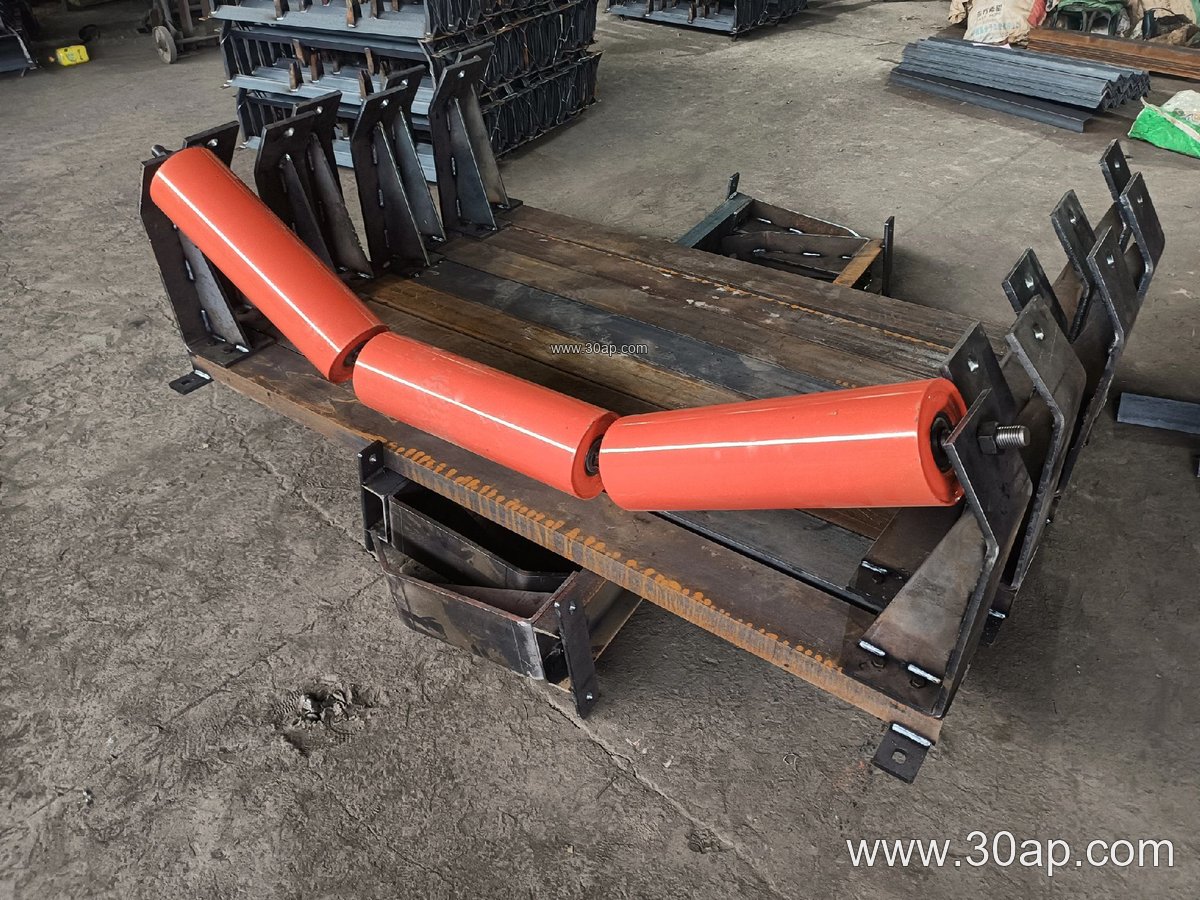
Matching the Bracket to Belt Width, Trough Angle, and Roller Diameter
Selection starts with the conveyor width and the required trough angle. Common belt widths include B500, B650, B800, B1000, B1200, B1400, B1600, B1800, B2000, B2200. Trough angles are usually 20, 30, 35, or 45 degrees, and an adjustable bracket allows the angle to be set within the design range rather than fixed at one value. Roller diameters such as Ø89, Ø108, Ø133, Ø159, and Ø194 are matched according to the load and frame design, not by a single fixed rule.
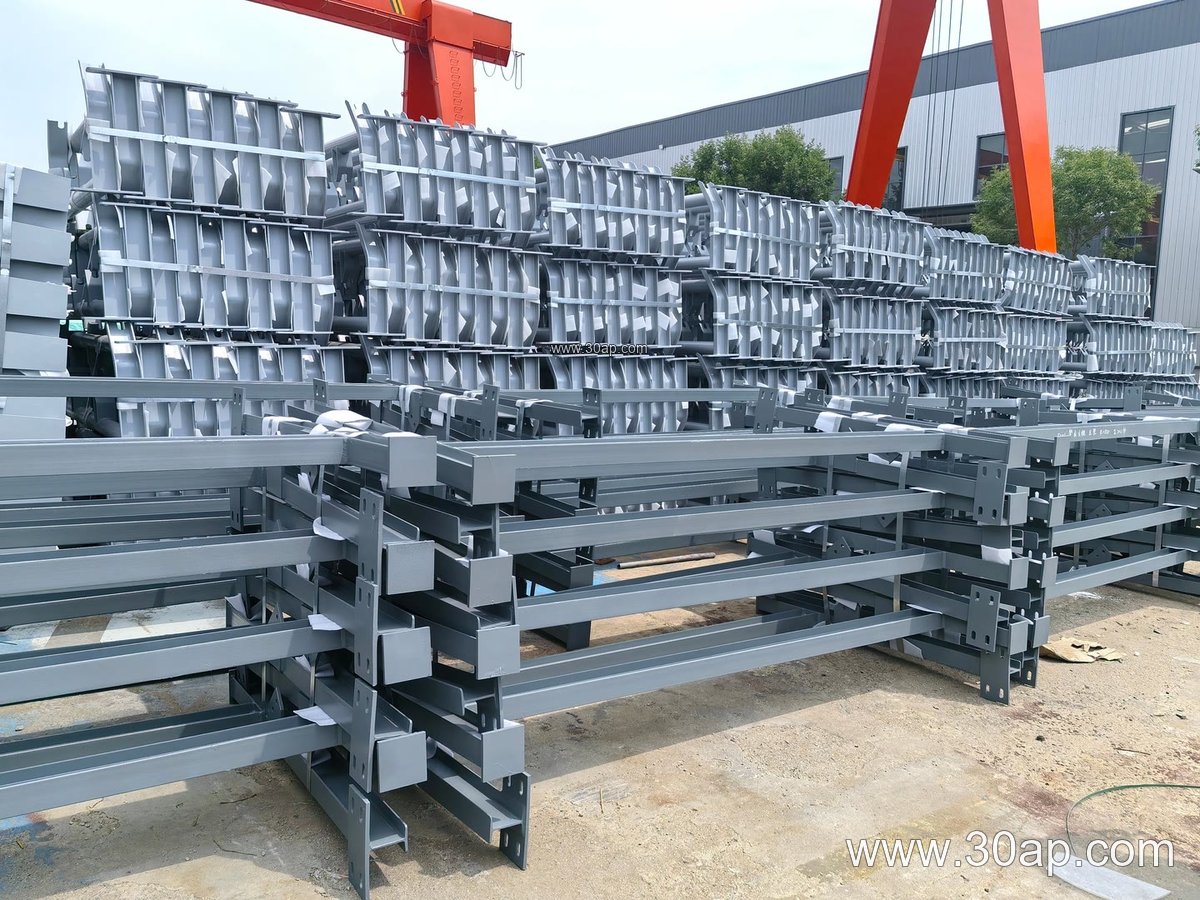
| Reference Item | Typical Options | Notes |
|---|---|---|
| Belt width | B500, B650, B800, B1000, B1200, B1400, B1600, B1800 | Bracket span and mounting hole spacing follow the frame design |
| Trough angle | 20°, 30°, 35°, 45° | Adjustable within the bracket’s designed range |
| Idler diameter | Ø89, Ø108, Ø133, Ø159, Ø194 | Selected by load, speed, and frame type |
| Fixing method | Bolted slot, pivot pin, positioning holes | Choose for ease of field adjustment |
A combination such as B800 with a 35 degree trough and Ø108 rollers is common, but it is not a universal rule. A wider frame may use B1200, 45 degrees, and Ø133 rollers, while a lighter B650 line may run 30 degrees with Ø89 idlers. The important point is that the bracket, roller, and belt must be checked together.
Fixed versus Adjustable Brackets
A fixed bracket is simple and rigid, and it is often suitable where the conveyor geometry will never change. An adjustable conveyor bracket costs more in fabrication but saves time during installation and alignment. It is also useful when the same conveyor handles different materials, or when the belt has a tendency to wander after loading changes. The adjustable version does not replace the need for a proper conveyor pulley alignment or a correctly tensioned belt; it only gives the maintenance team a practical tuning point.
Buyer Checklist
- Confirm the belt width and the frame fixing centers before ordering.
- State the required trough angle range, not just one angle.
- Match the bracket to the actual idler roller diameter and bearing type.
- Check whether the bracket is for the carrying side, return side, or transition zone.
- Ask for the adjustment travel and the bolt size so field work is straightforward.
- For abrasive or dusty duty, consider wear protection and easy cleaning.
Users working with rubber conveyor belt, EP conveyor belt, or steel cord conveyor belt should also confirm that the selected trough angle suits the belt stiffness and the material being carried. On a heavy-duty mining conveyor belt line, a robust adjustable bracket and well-chosen idler roller spacing are often more useful than a complex fixed frame. For more information on compatible conveyor components, visit beltconveyorparts.com and review the roller, pulley, and bracket options together.