What a High-Capacity Conveyor Idler Does
A high-capacity conveyor idler is the rotating support that carries a loaded conveyor belt on a heavy-duty bulk handling line. In a quarry, a coal preparation plant, or a power plant coal yard, the belt may run continuously with a deep material bed, so each idler must hold the belt line, keep the trough shape, and turn freely under load. The same component is also called a heavy-duty conveyor idler roller, and that name describes the job rather than a single model.
The idler does not move material by itself. It supports the belt while the drive pulley pulls the belt forward. If the idlers are undersized, the belt sags between frames, the belt edges wear, and motor load rises. On a long overland or plant conveyor, small losses at each idler add up quickly.
Construction Details That Matter
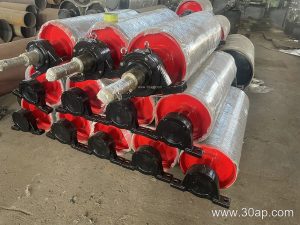
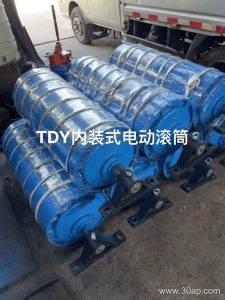
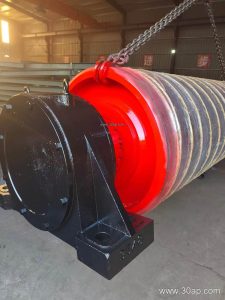
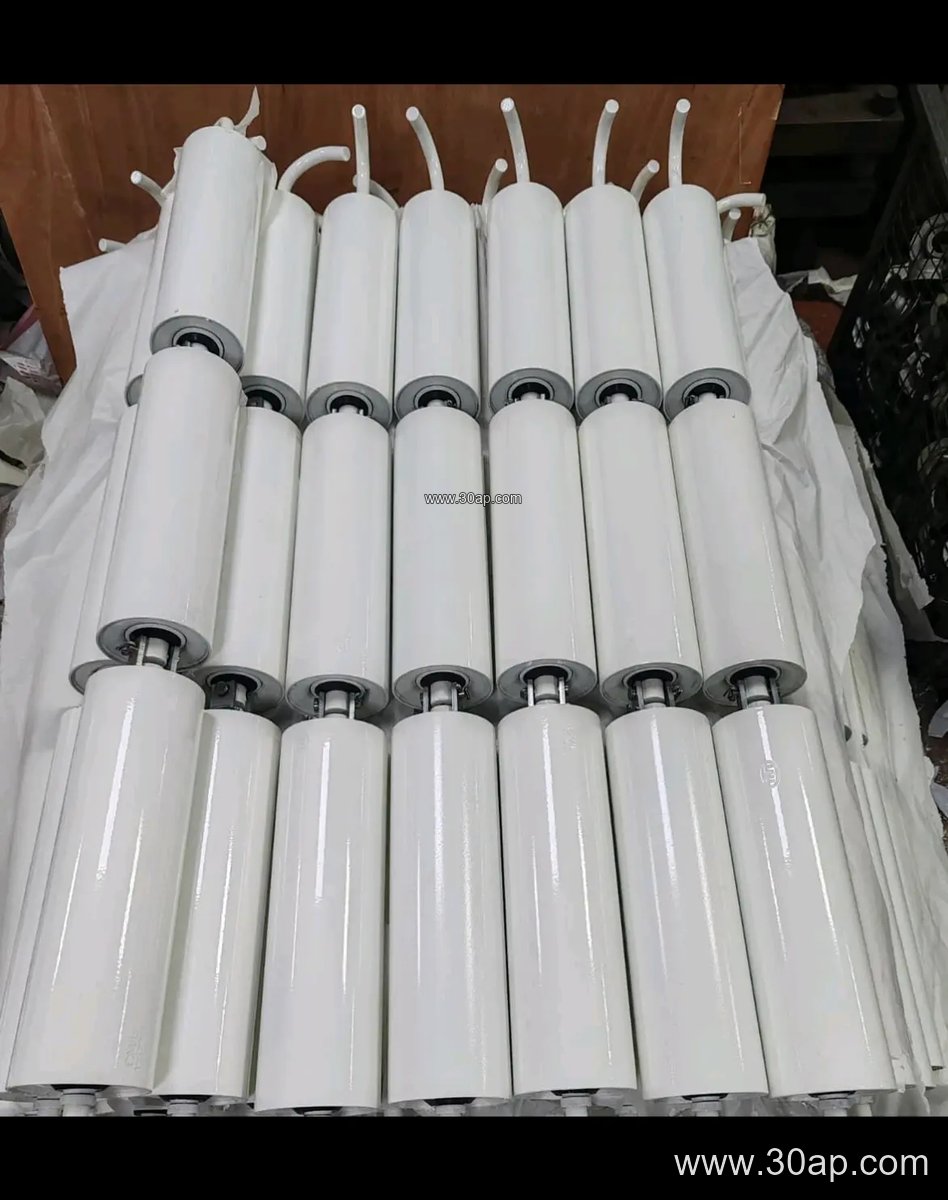
A typical unit is built from a steel tube shell, a shaft, bearing housings, and a sealing arrangement. Roll diameter, wall thickness, bearing size, and seal type are chosen together. Common roll diameters include Ø108, Ø127, Ø133, Ø159, and Ø178 mm, while larger lines may use Ø194 or Ø219 mm. Bearing numbers such as 6205, 6305, 6308, and 6310 appear across many sizes; a given bearing is not tied to one roll diameter.
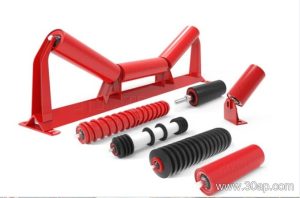
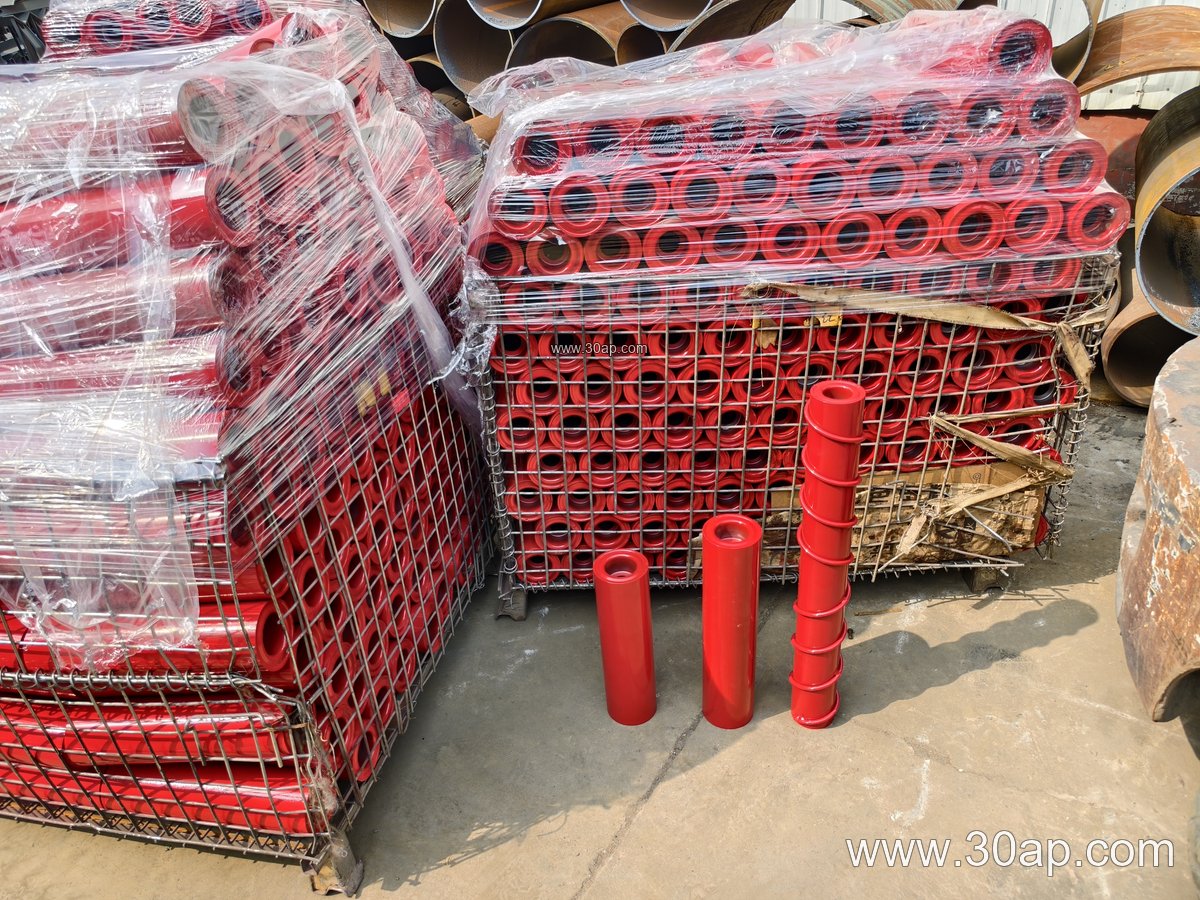
The shell surface may be plain steel, nylon, ceramic, or rubber rings. Rubber-ring impact idlers are common below a crusher discharge, while plain steel rolls suit clean, steady loads. Seals are critical in dusty sites: a labyrinth seal with grease retention protects the bearing from fine grit, and a well-sealed idler usually lasts longer than a larger but poorly sealed one.
Trough Sets and Belt Width
Most high-capacity lines use three-roll trough sets. The trough angle affects how the material sits on the belt. Common angles are 20, 30, 35, and 45 degrees. A deeper trough holds more material and reduces spillage, but it also increases the load on the side rolls. The idler length must follow the belt width, trough angle, and frame design, not a fixed rule.
The table below shows common reference values for three-roll trough sets. Side rolls and center rolls can differ, and final sizing is set by the conveyor designer.
| Belt width | Typical roll length (three-roll trough) | Common roll diameter examples |
|---|---|---|
| B500 | about 200 mm | Ø89, Ø108 |
| B650 | about 250 mm | Ø89, Ø108, Ø127 |
| B800 | about 315 mm | Ø108, Ø127, Ø133 |
| B1000 | about 380 mm | Ø108, Ø133, Ø159 |
| B1200 | about 465 mm | Ø127, Ø159, Ø178 |
| B1400 | about 530 mm | Ø133, Ø159, Ø178 |
| B1600 | about 600 mm | Ø159, Ø178, Ø194 |
| B1800 | about 670 mm | Ø159, Ø178, Ø194 |
| B2000 | about 750 mm | Ø178, Ø194, Ø219 |
These figures are common examples only. A wide belt does not force one pulley diameter, and belt width alone does not fix the shaft size. The conveyor bracket, frame spacing, and load calculation decide the final combination.
Where These Idlers Are Used
Heavy-duty idlers appear in limestone mines and aggregate crushing lines, where sharp rock and dust attack seals and shells. They also serve in cement plants on clinker and raw meal conveyors, and in iron ore or copper ore handling where the belt carries dense, abrasive material. In these places, an abrasion resistant conveyor belt is often paired with robust rolls to reduce total wear cost.
For underground coal mining, flame retardant conveyor belt and anti-static conveyor belt requirements shape the whole system, and idler selection follows the same safety logic. On a steep incline, a chevron conveyor belt or corrugated sidewall conveyor belt may be used, and the idler layout must still support the belt line without pinching the profiles. In a port or ship loading line, long conveyors with EP conveyor belt or steel cord conveyor belt benefit from low rolling resistance and reliable sealing.
Buyer Checklist
- Confirm the actual belt width, trough angle, and frame spacing before ordering.
- Match roll diameter and bearing class to the calculated load, not to habit.
- Ask how the seal works in dust and water; check grease passage and housing fit.
- For impact zones, consider rubber-ring buffer idlers; for return runs, check V-type or flat return rolls.
- Keep a spare set of idler rollers and conveyor brackets so a failed roll does not stop the line.
A high-capacity conveyor idler is a small part of the conveyor, but it decides how smoothly the belt runs. Buyers who compare shell thickness, bearing size, sealing, and roll length against real duty will get longer service from the whole belt line.