What a Carbon Steel Conveyor Bracket Does
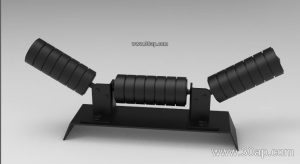
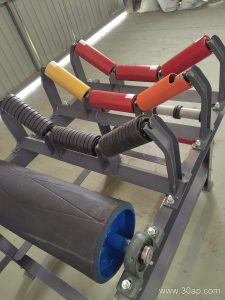
A carbon steel conveyor bracket is the structural component that holds idler rollers in the correct position along a conveyor frame. Often called a carbon steel conveyor support bracket, it connects the roller shaft to the main stringer or cross member, maintaining the trough angle and alignment that keep the conveyor belt tracking smoothly. In quarry, cement plant, and power plant coal handling systems, these brackets are the quiet workhorses that determine how well the belt is supported under load.
Construction and Common Forms
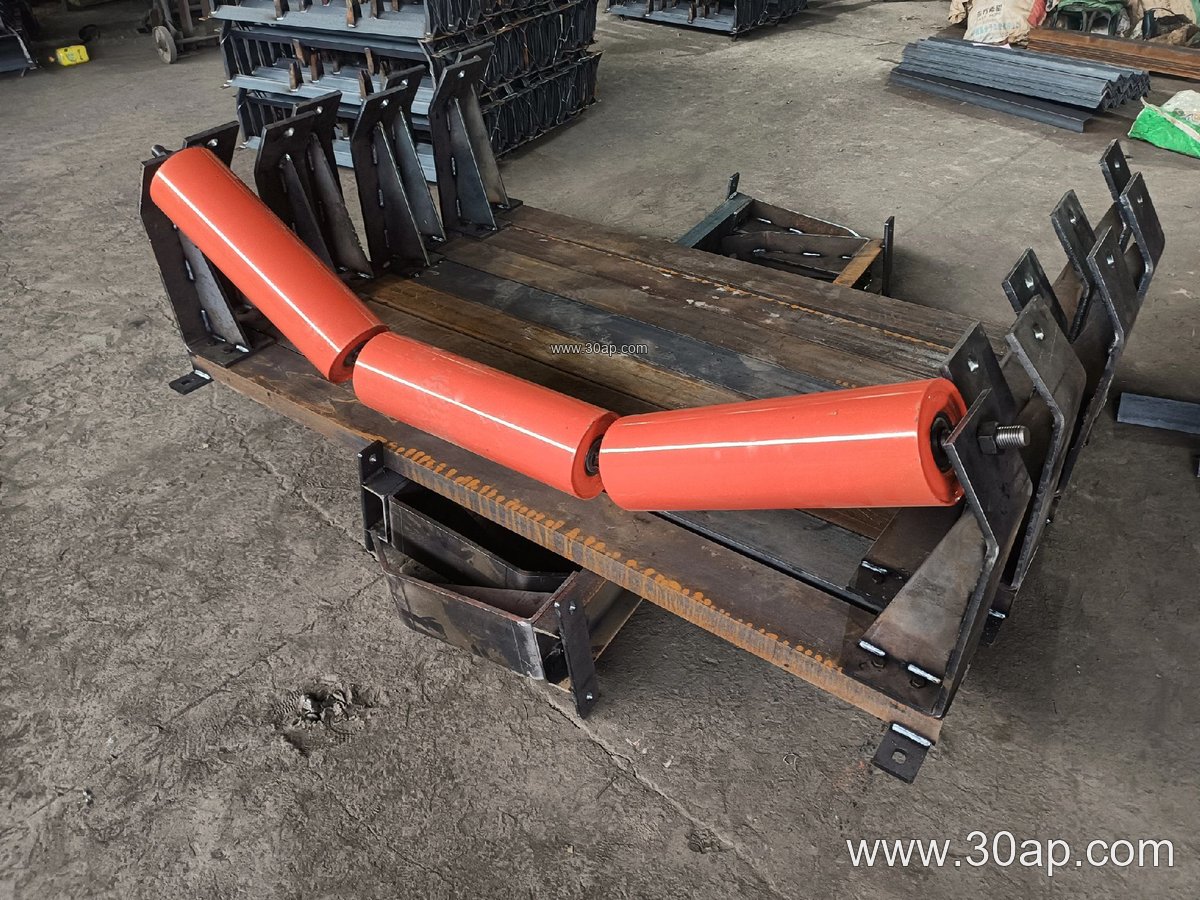
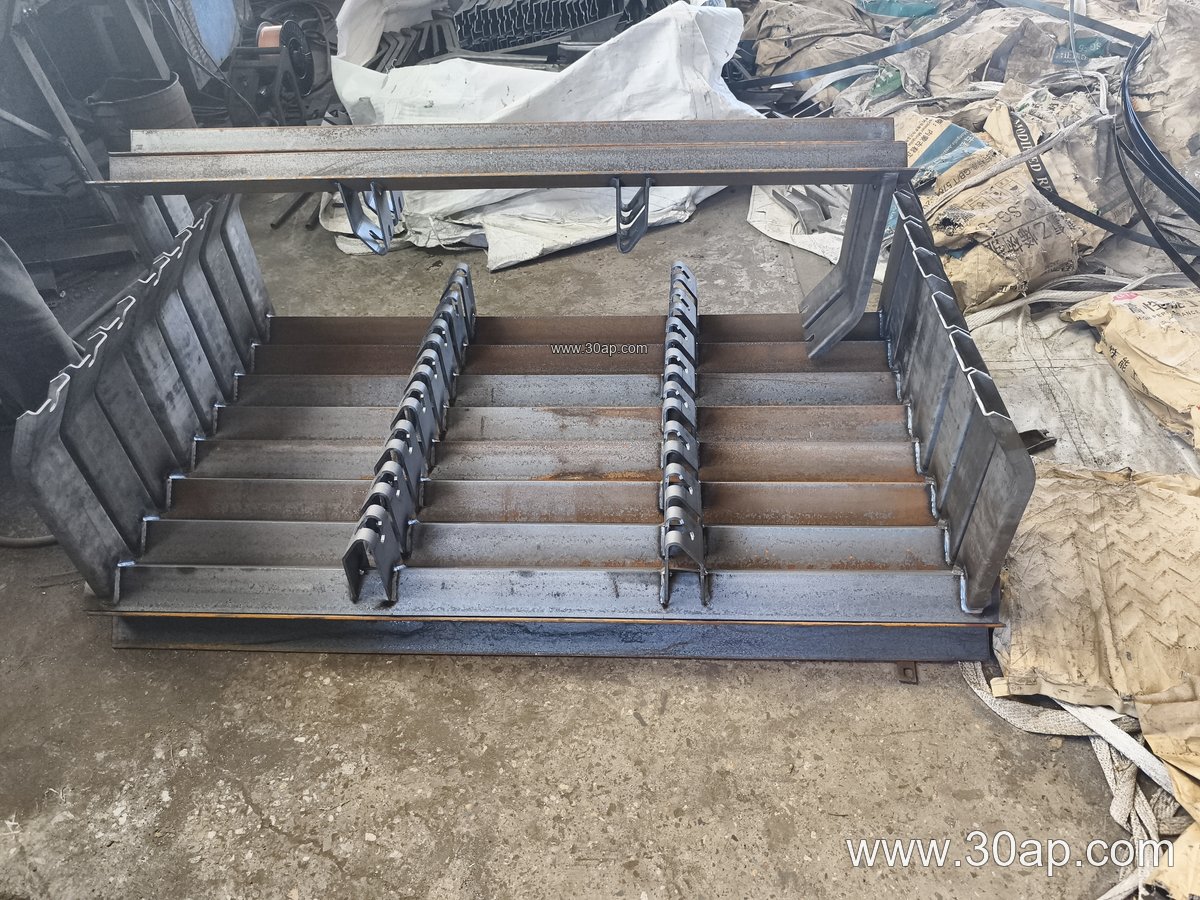
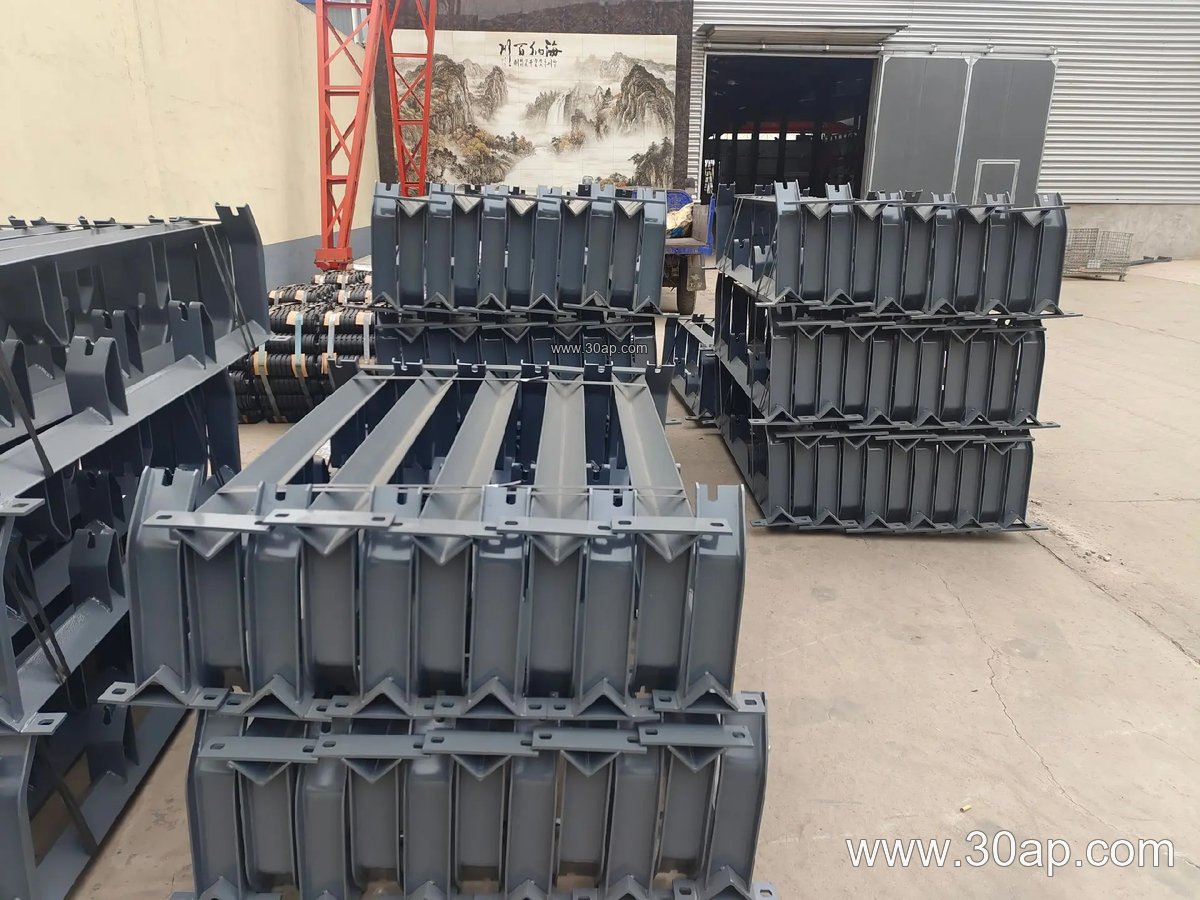
Most brackets are fabricated from angle steel, channel steel, or folded steel plate. The material choice affects stiffness and corrosion allowance, but carbon steel remains the default for general bulk handling because it balances strength and cost. Common configurations include troughing brackets for the carrying side, return brackets for the empty side, and impact brackets positioned under loading points. Adjustable versions allow the trough angle to be set on site, which helps when a conveyor handles materials with different surcharge angles.
Typical Bracket Types
- Troughing bracket (upper trough support)
- Transition bracket near pulleys
- Return bracket and V-return bracket
- Impact bracket under the loading zone
- Self-aligning bracket for belt tracking
- Forward-leaning bracket (about 1.5 to 2 degrees)
- Suspended bracket for lighter frames
Matching Brackets to Belt Width and Roller Diameter
A bracket is not selected in isolation. The belt width, trough angle, and roller diameter all influence the bracket geometry. For example, a B800 belt with a 35-degree trough and Ø108 rollers uses a different bracket than a B1200 belt with a 45-degree trough and Ø133 rollers. Installation hole spacing and crossbeam length usually vary with belt width and trough angle, so these should be confirmed against the conveyor design rather than assumed.
| Belt Width | Common Trough Angle | Typical Roller Diameter |
|---|---|---|
| B500 | 20°–30° | Ø89 |
| B650 | 30° | Ø89–Ø108 |
| B800 | 35° | Ø108 |
| B1000 | 35°–45° | Ø108–Ø133 |
| B1200 | 45° | Ø133 |
| B1400 | 35°–45° | Ø133–Ø159 |
| B1600 | 35°–45° | Ø159 |
| B1800 | 35°–45° | Ø159–Ø194 |
| B2000 | 35°–45° | Ø194 |
These values are common references, not fixed rules. A single belt width can be paired with more than one roller diameter or trough angle depending on load and belt stiffness.
Where These Brackets Are Used
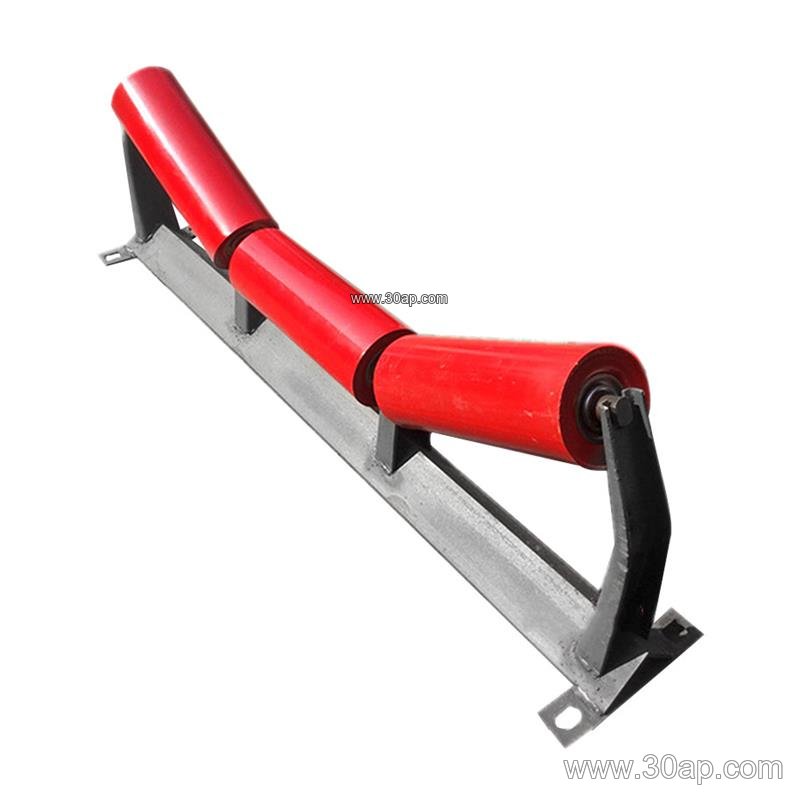
In a limestone quarry, carbon steel conveyor brackets support the troughing idlers along a primary crushing line, where dust and occasional impact are normal. In a coal-fired power plant, they hold return rollers and troughing sets on coal conveyors that feed the bunkers. The same bracket design appears in sand and gravel plants, cement clinker lines, and iron ore handling facilities. Because the bracket is often the first component to show wear at a frozen roller or misaligned shaft, it pays to specify a robust section and a coating suitable for the site conditions.
Buyer Checklist
When ordering, confirm the belt width, trough angle, roller diameter, and the mounting hole pattern of your existing frame. Ask whether the bracket is fixed or adjustable, and check the steel section and surface treatment. For high-abrasion service, consider how the bracket interacts with abrasion resistant conveyor belt and idler roller selection. In underground coal mining, flame retardant conveyor belt and anti-static properties matter for the whole system, though the bracket itself is structural. A well-chosen carbon steel conveyor bracket keeps the conveyor pulley, idler roller, and conveyor belt working together with less downtime.
For related conveyor components, visit conveyor bracket and conveyor roller pages, or review EP conveyor belt options when specifying a complete line.