What a Conveyor Vertical Roller Does
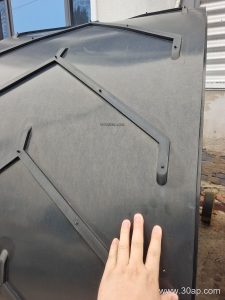
A conveyor vertical roller is a specialized idler used to press the belt into a steep incline or vertical section, keeping material in place where gravity would otherwise cause it to slide back. Unlike a standard carrying idler that supports the belt from below, this roller applies controlled pressure to the belt surface, often working with a corrugated sidewall or chevron profile to maintain traction. In aggregate plants, cement kiln feed lines, and underground coal mining conveyor systems, vertical rollers help transition bulk material through tight vertical curves without spillage.
Construction and Key Components
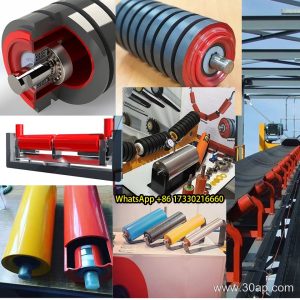
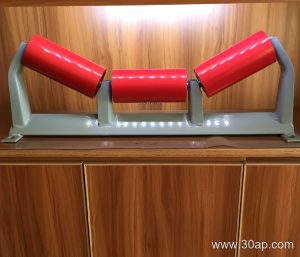
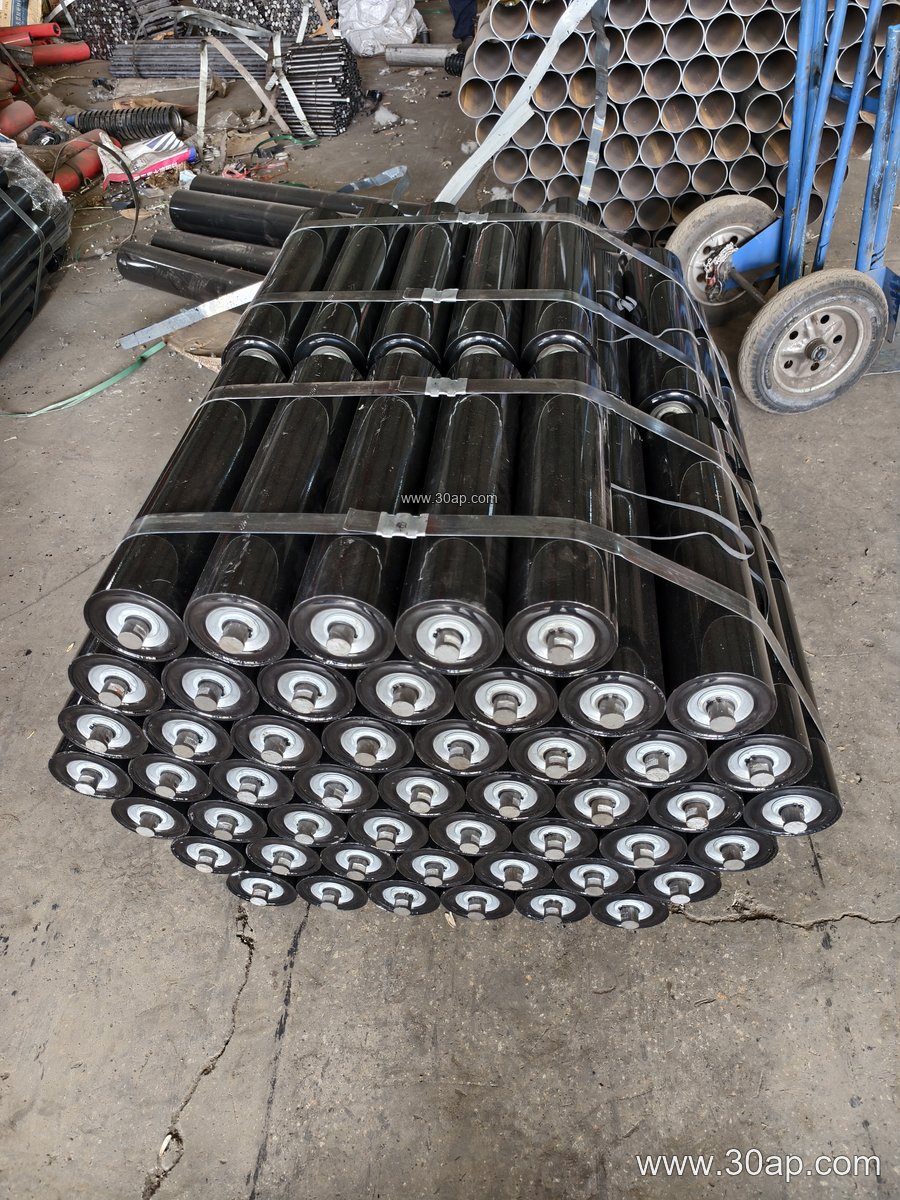
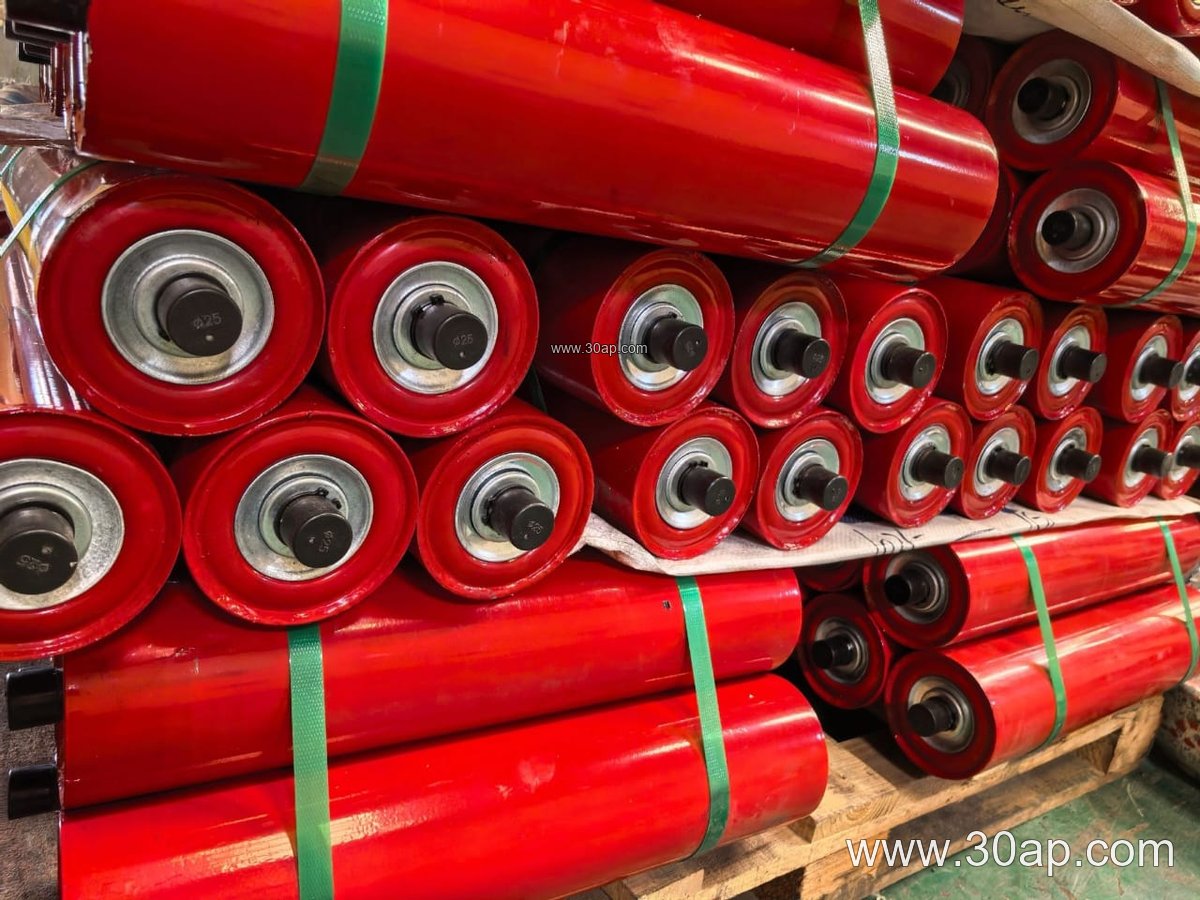
These rollers are built around a heavy-duty steel tube, typically with a rubber or polyurethane cover to grip the belt without marking it. The shaft runs through sealed bearings—common sizes include 6205, 6306, and 6308—housed in a protective end cap. The roller body is mounted on a conveyor bracket that allows adjustable spring or gravity loading against the belt. For abrasive environments such as iron ore or quarry conveyor belts, the cover may be reinforced with ceramic or extra-thick rubber. The roller length is matched to the belt width and the specific vertical section geometry, not chosen from a single fixed table.
Where Vertical Rollers Are Used
You will find conveyor vertical rollers in applications where space is limited and the belt path must rise sharply. Common sites include:
- Underground coal mining conveyor systems that need to follow seam gradients
- Cement plant clinker transport with corrugated sidewall belts
- Port ship loading conveyors with vertical lift sections
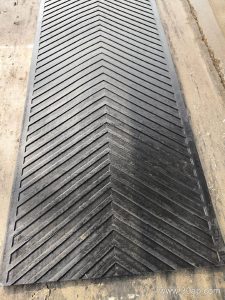
- Sand and gravel plants using chevron conveyor belts on steep inclines
In these settings, the vertical roller works alongside the conveyor belt, idler roller, and conveyor pulley to maintain belt tracking and material containment. It is not a replacement for a drive pulley or a bend pulley; each has a distinct role in the conveyor drive and path control.
How to Specify a Vertical Roller
Buyers should start with the belt width and the vertical section length. Common belt widths in vertical applications range from B650 to B1800, though wider belts may use multiple rollers across the belt. The roller diameter is usually selected from standard idler sizes such as Ø89, Ø108, Ø127, or Ø159 mm, depending on the load and belt stiffness. The surface form—plain rubber, grooved rubber, or ceramic—should match the material being conveyed. For example, a coal mining conveyor belt with high moisture may need a grooved rubber cover for better drainage, while a heat resistant conveyor belt in a cement plant may require a heat-tolerant elastomer.
Reference Parameters for Vertical Roller Selection
The table below shows typical reference values, not universal specifications. Final dimensions depend on the conveyor design and the belt manufacturer’s recommendations.
| Parameter | Common Reference Range |
|---|---|
| Belt width (B) | B650, B800, B1000, B1200, B1400, B1600 |
| Roller diameter | Ø89, Ø108, Ø127, Ø133, Ø159 mm |
| Roller length | Matched to belt width and vertical section; e.g., 250–600 mm for B650–B1600 |
| Bearing size | 6205, 6305, 6306, 6308, 6310 |
| Surface cover | Plain rubber, grooved rubber, ceramic, polyurethane |
| Mounting | Adjustable bracket with spring or gravity load |
Note that a single belt width does not dictate one roller diameter or shaft size. The load, belt tension, and vertical section angle all influence the final choice.
Maintenance and Compatibility
Vertical rollers should be checked for cover wear and bearing play during routine conveyor inspections. Because they press against the belt, a worn cover can cause belt slippage or tracking problems. Replace the roller when the cover is grooved beyond the original pattern or when the bearing clearance exceeds the manufacturer’s limit. Keep in mind that the vertical roller is only one part of the system; the conveyor pulley, idler roller, and conveyor bracket must all be aligned for the vertical section to work correctly. For harsh environments such as a copper ore conveyor or a fertilizer plant, choose sealed bearings and corrosion-resistant covers. When specifying, confirm that the roller’s pressure does not exceed the belt’s allowable edge loading, especially with a pipe conveyor belt or a skirted conveyor belt that has less flexibility.
For more information on compatible belts and rollers, visit conveyor vertical roller and conveyor belt resources. Our site also covers idler roller and conveyor pulley selection guides.