What an EP100 Conveyor Belt Is
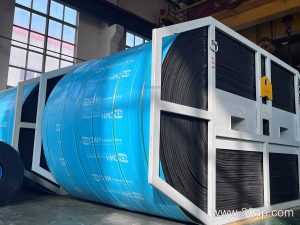
An EP100 Conveyor Belt is a fabric-reinforced rubber belt built around polyester-polyamide (EP) carcass plies. The number 100 refers to the nominal tensile strength of the carcass, commonly expressed as 100 N/mm per ply. Because the EP fabric stretches less than cotton or nylon-only carcasses, this belt holds its length well on long runs and keeps take-up travel moderate. It sits at the lighter end of the EP family, below EP200 and EP315, so it suits medium-duty duties rather than the hardest primary crushing lines.
The same product is also described as an EP rubber conveyor belt or an EP fabric core conveyor belt. Those are equivalent names for the same construction, not different products.
Construction and Cover Compounds
The carcass usually carries 2 to 6 plies of EP fabric, bonded with skim rubber and protected by top and bottom covers. Common cover combinations include 3+1.5 mm, 4+2 mm, 5+2 mm and 6+2 mm; thicker covers such as 8+3 mm are chosen where abrasion is severe. Buyers should think of the cover as the wear part and the carcass as the strength member.
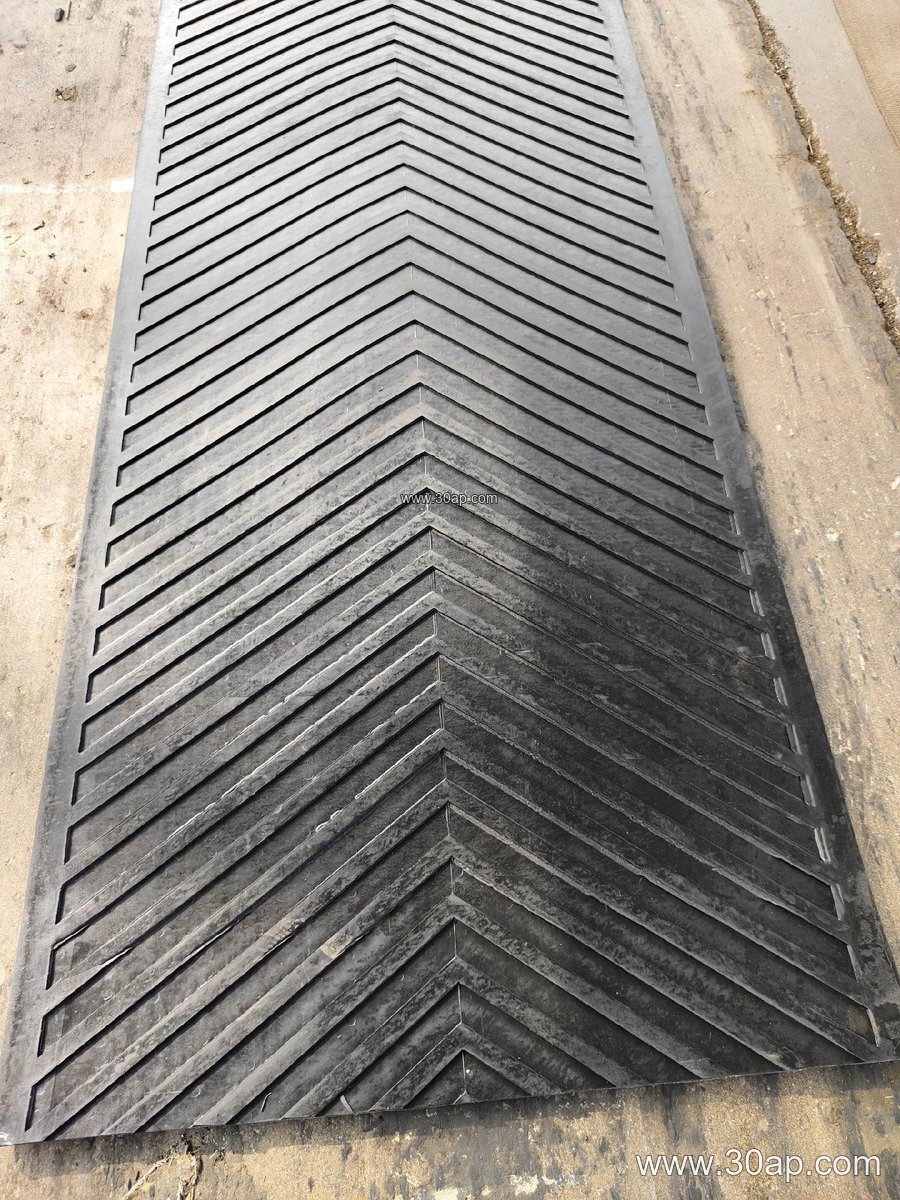
Cover grade matters as much as strength. A quarry or sand and gravel line may call for an abrasion resistant conveyor belt, while a cement kiln area or a power plant coal yard can require a heat resistant conveyor belt or a flame retardant conveyor belt. Underground coal mining conveyor belts usually need anti-static and fire resistant properties as well. Oil resistant and cold resistant grades are available for workshops and northern yards. Each grade changes the compound, not the EP100 carcass rating.
Where It Fits in a Plant
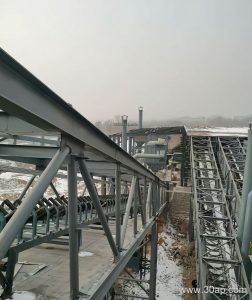
In a stone crushing plant, an EP100 belt often runs on secondary and tertiary screens and on transfer conveyors feeding stockpiles. In a cement plant it may carry clinker, limestone or additives on medium-length runs. Ports and ship loading terminals use it for lighter bulk streams, and recycling lines use it where sharp scrap is limited. It is also seen in iron ore, copper ore and gold mining circuits on conveyors that are not the main high-tonnage trunk lines.
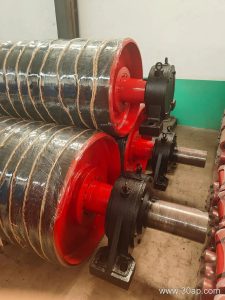
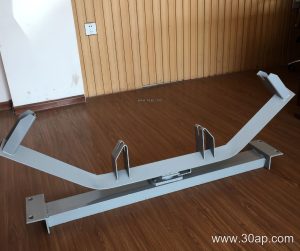
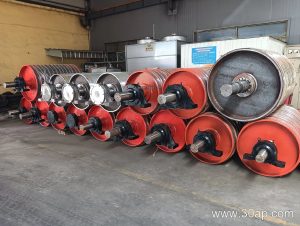
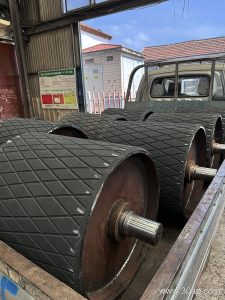
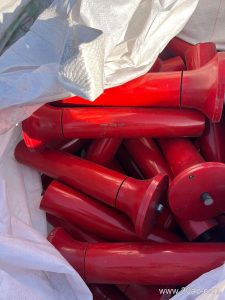
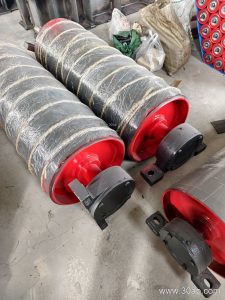
On a typical conveyor, the belt wraps around a drive pulley, a tail pulley and one or more bend pulleys, and rides on idler rollers supported by conveyor brackets. These parts are separate components and are not interchangeable with one another; the drive pulley transmits torque, the tail pulley sets the return point, and a bend pulley only changes belt direction.
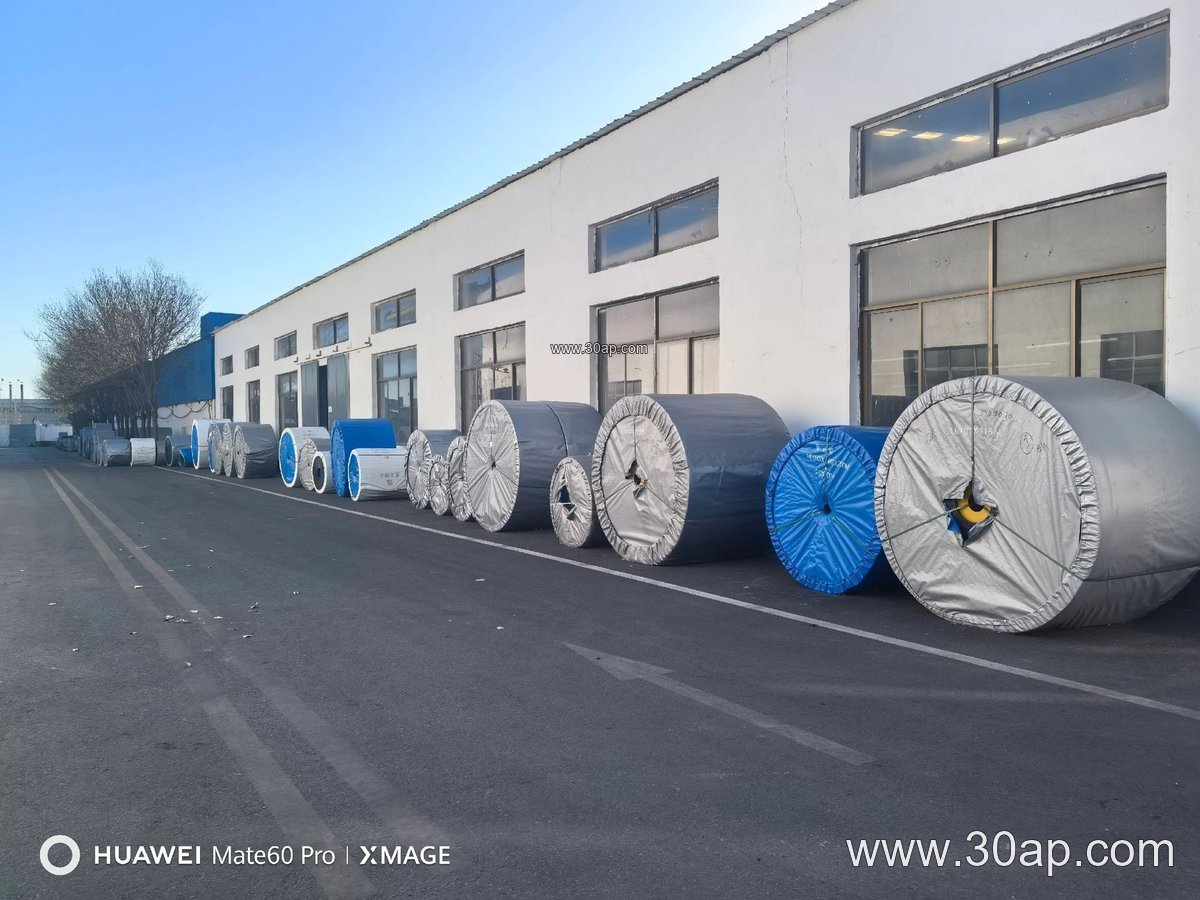
Typical Reference Sizes
The table below gives common reference values. Actual figures follow the conveyor design and vary between manufacturers; no single size is mandatory for every installation.
- Strength grades in the EP range: EP200, EP315, EP400, EP500, EP630, EP800, EP1000 and above
- Belt widths: B500, B650, B800, B1000, B1200, B1400 and wider
- Carcass plies: usually 2 to 6
- Cover thickness: 3+1.5 mm, 4+2 mm, 5+2 mm, 6+2 mm, 8+3 mm
Width and pulley diameter are matched by tension and shaft load calculations, not by a fixed rule, so a 1000 mm belt may run on different pulley sizes in different plants.
Buyer Checklist
- Confirm the duty: tonnage, lump size, incline and daily running hours.
- Check whether the line needs a flame retardant conveyor belt, heat resistant grade or high abrasion resistant cover.
- Ask for the ply count and cover thickness rather than strength alone.
- Specify belt width, edge condition and whether an endless conveyor belt splice is preferred.
- Review pulley and idler roller condition before fitting a new belt, since worn rollers shorten belt life.
- Consider whether a chevron conveyor belt or corrugated sidewall conveyor belt is better for steep or confined routes.
For heavier trunk conveyors, EP200 or EP315, or a steel cord conveyor belt, may be the better comparison point, while NN conveyor belts remain an alternative where elongation is less critical. For most medium-duty mining, cement and aggregate duties, though, an EP100 conveyor belt offers a practical balance of strength, splice reliability and cost.