What a Corrugated Sidewall Conveyor Belt Is
A Corrugated Sidewall Conveyor Belt is a belt with raised, wave-shaped edges molded or vulcanized onto the base belt, usually combined with horizontal cleats between the sidewalls. This design lets one conveyor lift bulk material at steep angles, often close to vertical, where a standard flat belt would let the load slide back. In a quarry, cement plant, or coal handling system, this belt can replace a series of inclined conveyors and transfer points with a single, compact run.
The same product is also called a skirted conveyor belt with corrugated sidewalls, or simply a sidewall belt with cleats. It is a distinct design from a chevron conveyor belt: the chevron pattern improves grip on a moderate incline, while corrugated sidewalls actually contain the material between raised edges.
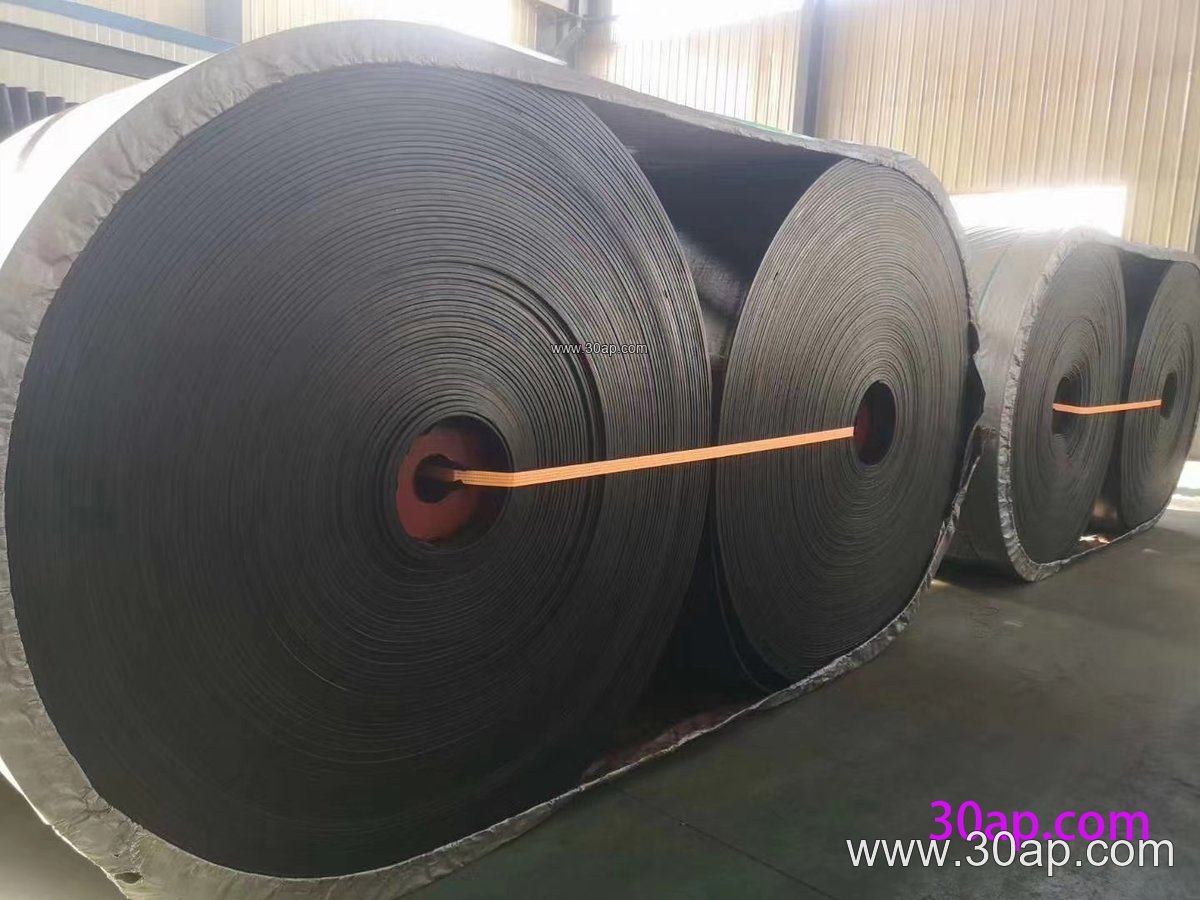
How the Belt Is Built
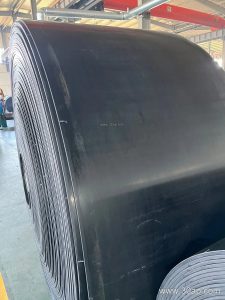
The base belt is usually a fabric core construction, such as an EP conveyor belt or NN conveyor belt, selected for the duty. Sidewalls are hot-vulcanized to the belt edges, and cleats are added at a pitch that matches the material and incline. Common base specifications include:
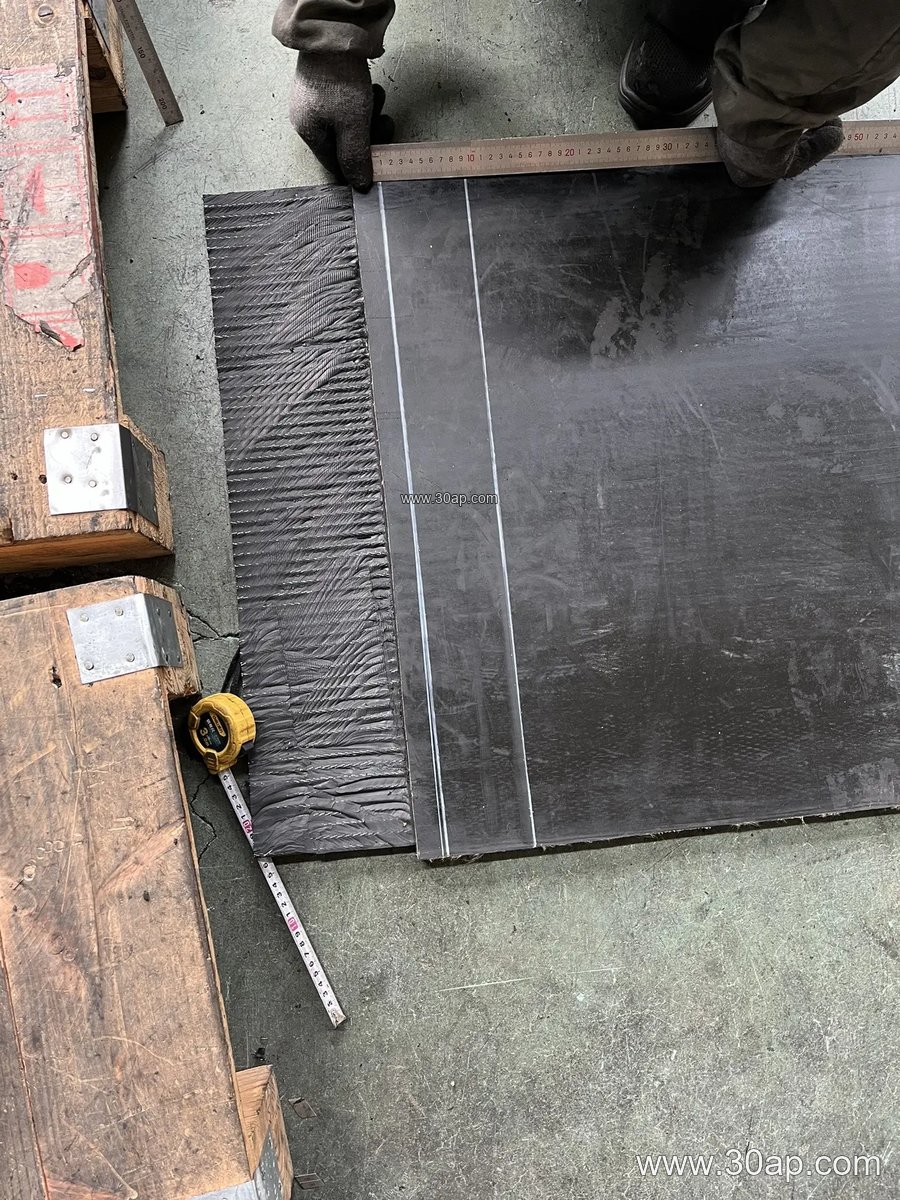
| Item | Typical Range |
|---|---|
| Base belt type | EP200 to EP1000, NN100 to NN400, or steel cord where tension is high |
| Belt width | B500, B650, B800, B1000, B1200, B1400; wider belts by design |
| Sidewall height | Usually 40 mm to 300 mm, according to capacity and incline |
| Cleat pitch | Commonly 100 mm to 500 mm, matched to sidewall height |
| Cover grade | Abrasion resistant, heat resistant, oil resistant, flame retardant, or cold resistant |
| Cover thickness | Common 3+1.5, 4+2, 5+2, 6+2, 8+3 mm |
Food grade and anti-static versions exist for special duties. For underground coal mining, a flame retardant and anti-static construction is normally requested, and a PVG or PVC belt may be considered where regulations call for it.
Where It Fits in a Plant
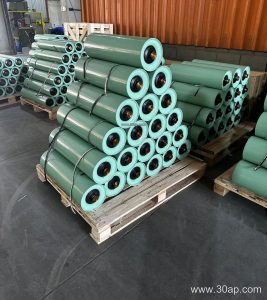
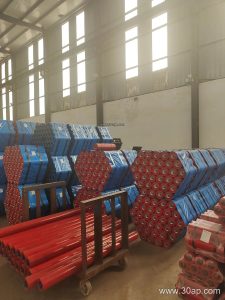
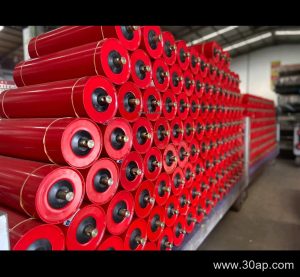
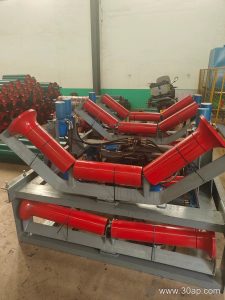
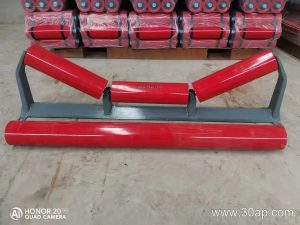
Steep-angle sidewall belts are common in cement plants feeding clinker silos, in power plants handling coal, in sand and gravel operations, and in iron ore or copper ore concentrators. They also appear in ship loading, recycling lines, and confined spaces where a long inclined conveyor will not fit. Because the belt is often short and heavily loaded, the conveyor frame, idler roller set, and conveyor pulley arrangement need careful layout so the sidewalls and cleats clear all components.
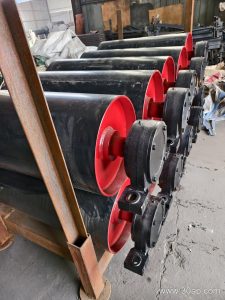
On these conveyors the drive pulley, tail pulley, and bend pulleys each do a different job and are not interchangeable. Bend pulleys in particular must be sized and positioned so the corrugated edges run freely without rubbing. A conveyor bracket that holds the pulley bearings should be rigid enough to keep alignment under load.
Selection Points for Buyers
- Material and lump size. Cleat height and pitch must suit the largest lump and the required capacity; fine powders behave differently from coarse rock.
- Incline and discharge. Confirm the actual angle and how the belt will discharge, since the sidewall height must contain the load at that angle.
- Tension and core. Higher lifts and longer runs may call for an EP conveyor belt with higher strength, or a steel cord conveyor belt. Do not assume one belt width matches one pulley diameter; that is a design decision.
- Environment. Select abrasion resistant, heat resistant, oil resistant, or flame retardant covers to match the site. A mining conveyor belt in a coal mine has different requirements from a quarry conveyor belt.
- Belt speed and loading. Fast belts and impact loading from a crusher conveyor belt discharge can damage cleats, so transition zones need attention.
Installation and Maintenance Notes
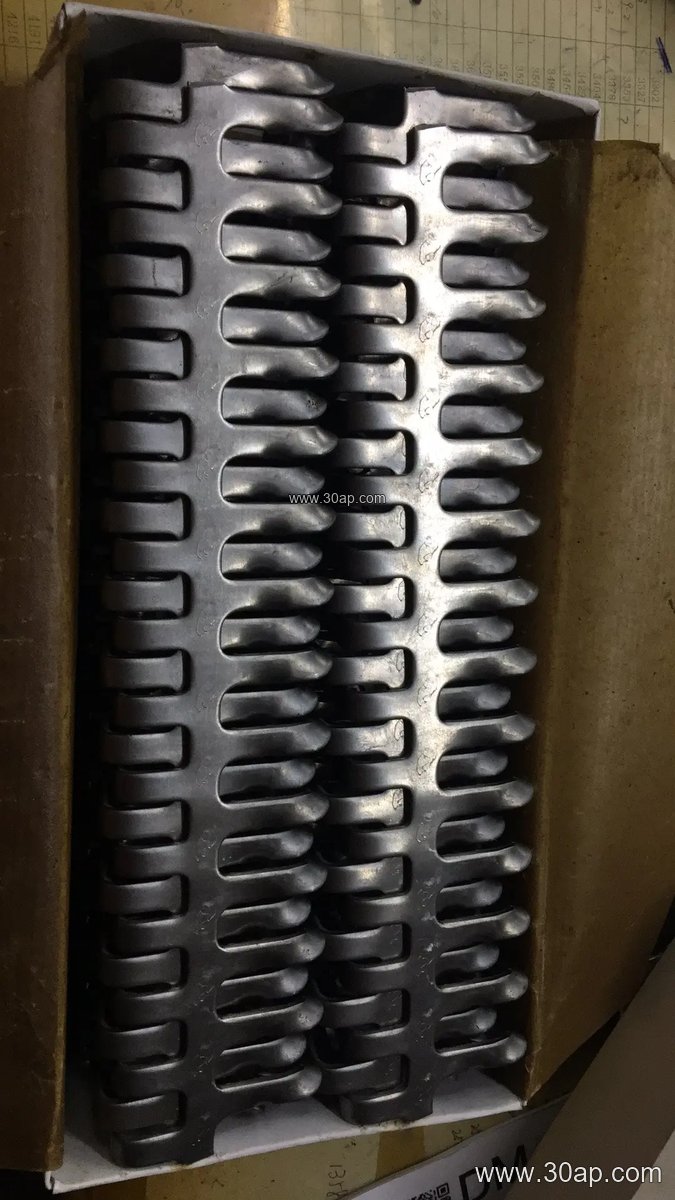
Alignment matters more than on a flat belt. Check that the drive pulley, tail pulley, and bend pulleys are square to the frame, and inspect idler roller and conveyor pulley surfaces for build-up. Keep the belt tracking straight so the corrugated sidewalls do not contact the frame. Check cleat and sidewall joints for cracks, especially on heat resistant or cold resistant belts that work in severe conditions. Store spare belts flat and away from sunlight, and follow the maker’s splicing instructions, since field splices on sidewall belts need care.
For more on matching belt, pulley, and frame components, visit conveyor belt and conveyor pulley resources, or compare skirted conveyor belt options before specifying a steep incline line.