What a 6205 Bearing Idler Is
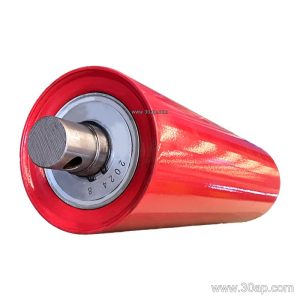
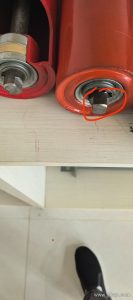
A 6205 bearing idler is a conveyor idler roller built around a single-row deep-groove ball bearing with a 25 mm bore. In conveyor terms, it is the rotating roller that supports the belt between the head and tail pulleys, and the 6205 bearing is the small component that decides how smoothly that roller turns. Buyers often search for this idler by bearing number because the bearing is the wear part they can source quickly, while the roller shell and shaft are made to match the belt width and load. The same product is also described as a 6205 bearing conveyor idler roller or a 6205 ball bearing idler, and both names refer to the same item.
On a quarry conveyor or a cement plant transfer line, the idler may look unremarkable, but a seized bearing can drag a rubber conveyor belt, heat the roller, and eventually damage the belt cover. That is why maintenance teams track idlers by bearing size rather than by appearance alone.
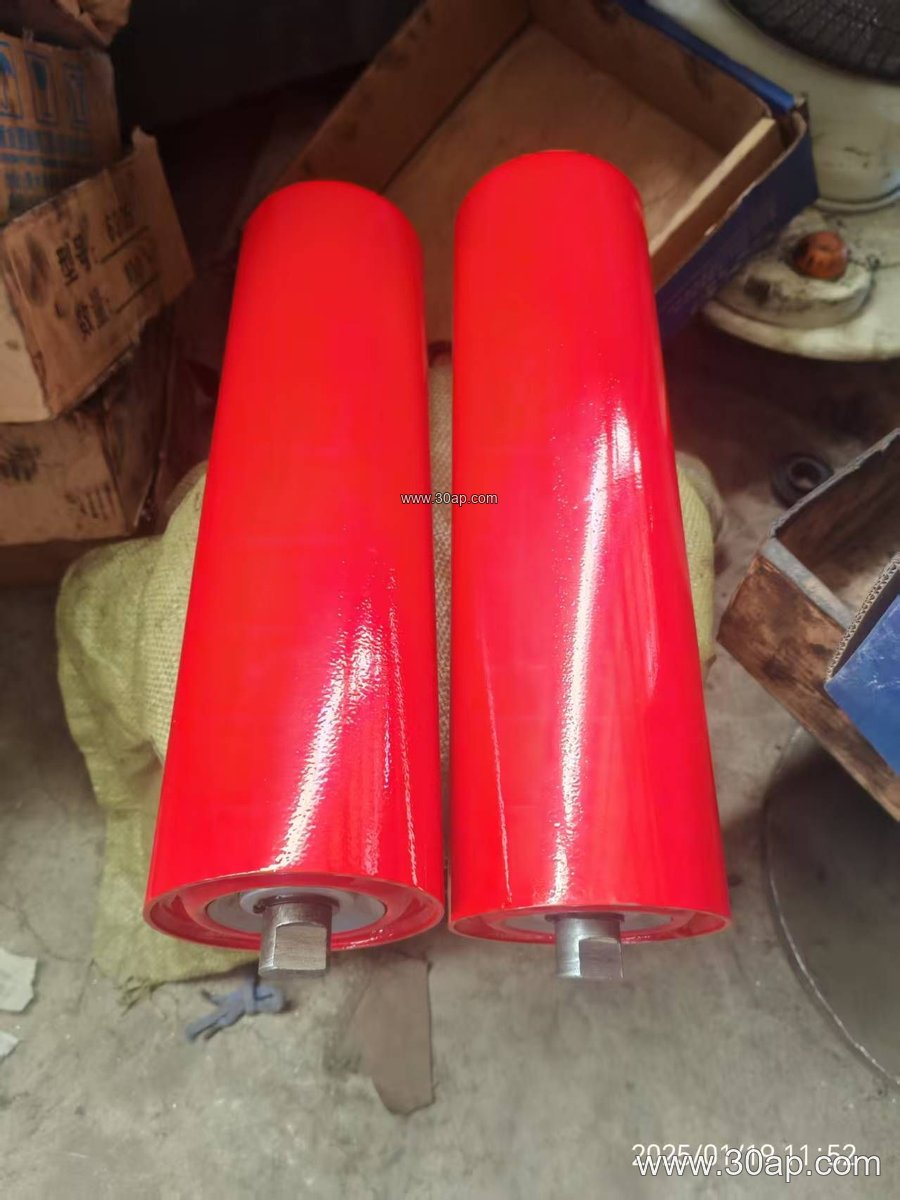
How the Roller Is Built
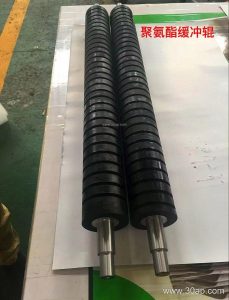
A typical unit combines a steel tube shell, a through shaft or stub shafts, bearing housings, seals, and the 6205 bearing at each end. The shell is usually a seamless or welded steel tube; some versions use nylon, ceramic, or rubber rings on the surface for special duties. Seals matter as much as the bearing itself. A labyrinth seal or a contact seal keeps dust out, and in a stone crushing plant or an iron ore terminal that dust protection is what separates a long-service idler from a short one.
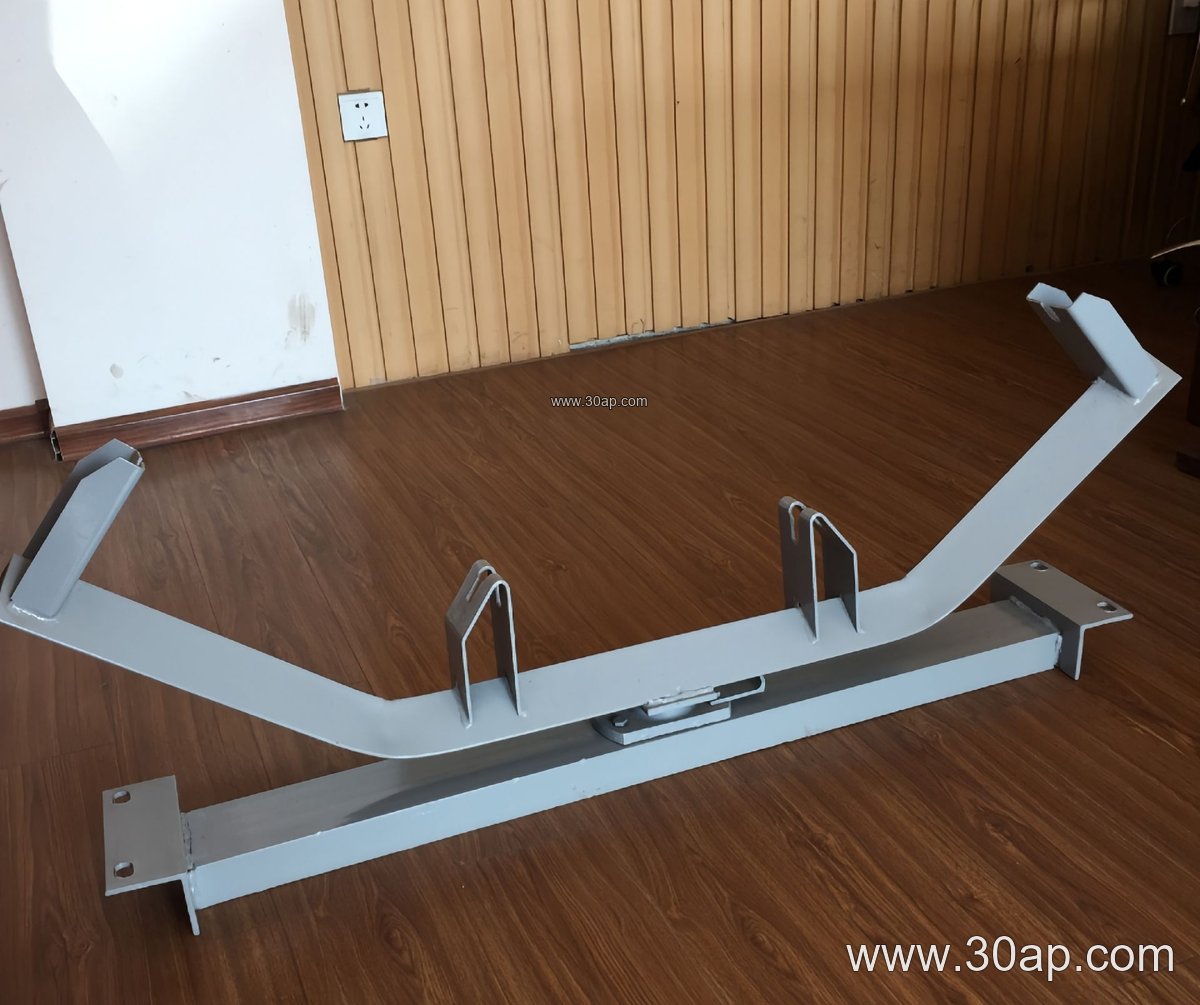
- Bearing: 6205 deep-groove ball bearing, 25 mm bore
- Shell: steel tube, with nylon, ceramic or rubber-ring options
- Sealing: labyrinth or contact seal, grease retained
- Shaft: through or stub type, sized to the bracket and frame
The 6205 is not tied to one roller diameter. It commonly appears in troughing and return idlers in the middle of the size range, but the roller diameter, shaft, and bearing housing are all chosen by the conveyor designer. A 6205 idler on a 800 mm belt line and one on a 1000 mm belt line may share the same bearing yet differ in shell length and shaft details.
Where It Fits on the Conveyor
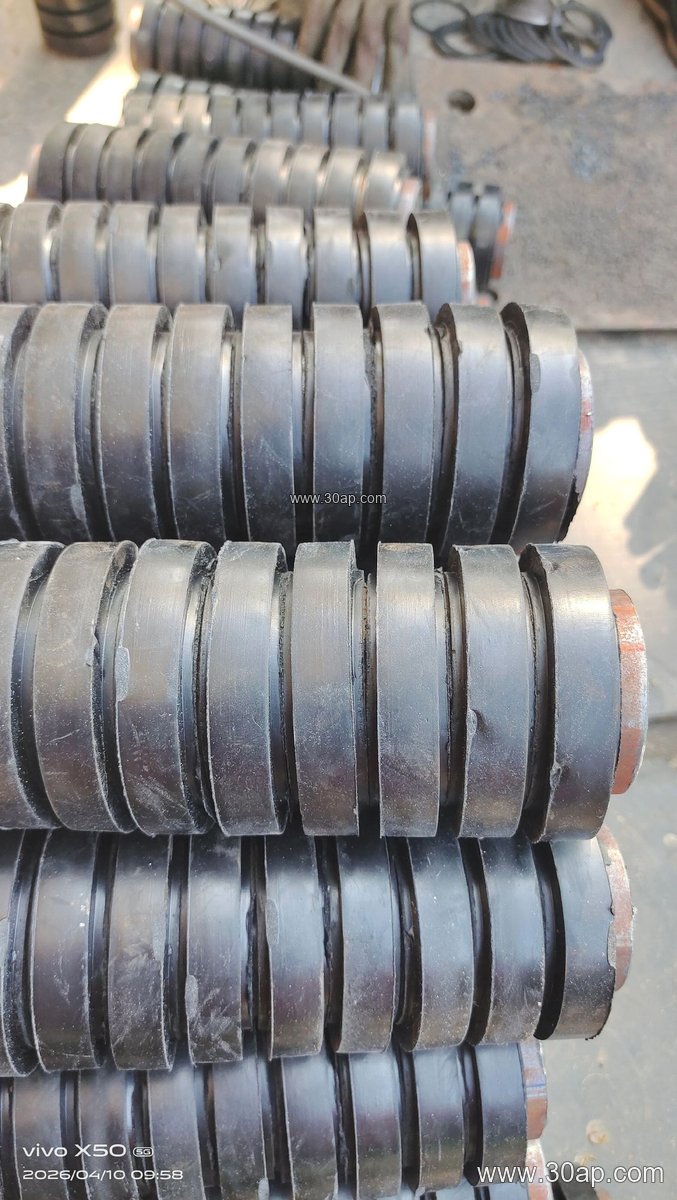
These idlers are used across bulk handling: a sand and gravel line, a limestone mine, a coal washing plant, a power station coal yard, a steel plant sintering area, or a port ship loader. In a three-roll troughing set the side rollers carry the belt edges at the trough angle, while the center roller supports the load. Return idlers under the belt keep the return strand from sagging. A 6205 bearing idler can appear in either position, and in transition zones where the belt changes from flat to troughed.
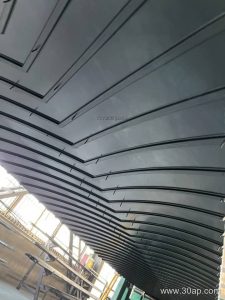
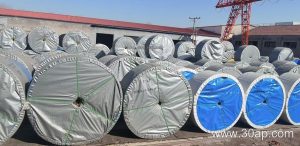
The belt itself sets the duty. An abrasion resistant conveyor belt moving sharp aggregate needs idlers that seal well; a heat resistant conveyor belt on a clinker line needs attention to bearing grease and roller clearance. A flame retardant conveyor belt in an underground coal mine brings its own safety expectations, and the idler should suit the same environment. Matching the idler to the belt and the conveyor bracket is more important than matching a single number.
Sizes and Selection Notes
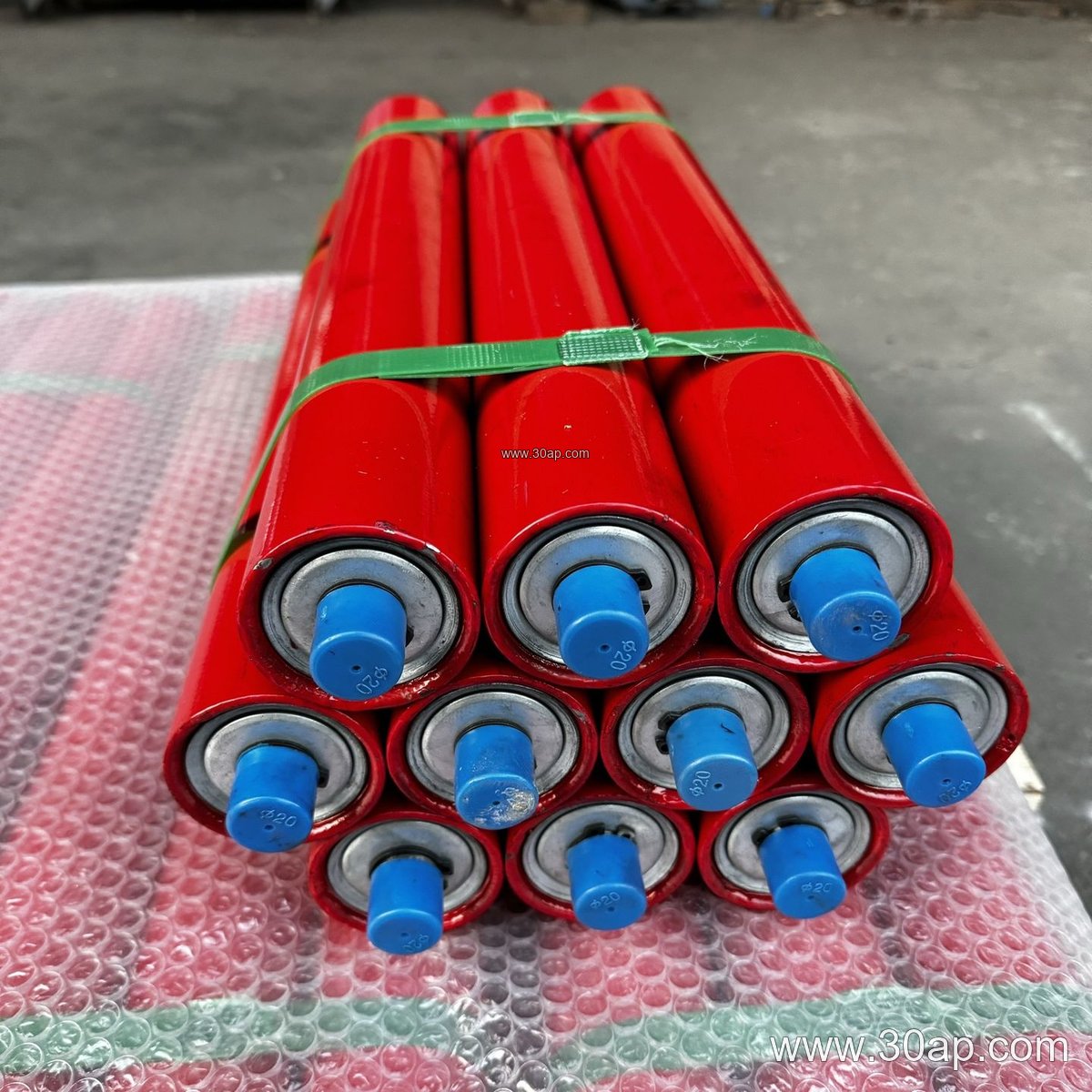
Roller diameter is usually chosen from a standard range, and the 6205 bearing can be found in several of those sizes. The table below shows common reference values; these are examples, not fixed combinations.
| Item | Common Reference |
|---|---|
| Bearing | 6205 (25 mm bore) |
| Roller diameter | Ø89, Ø102, Ø108, Ø127, Ø133 mm |
| Belt width | B650, B800, B1000, B1200, B1400 mm |
| Trough angle | 20°, 30°, 35° |
| Roller length (three-roll, example) | about 250 mm for B650, 315 mm for B800, 380 mm for B1000 |
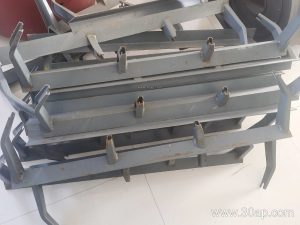
Do not read the table as a rule that one belt width only fits one roller length. Side rollers and center rollers differ, and the frame design changes the result. A 6205 idler specified for a 1200 mm wide conveyor belt may use a different shell length than the same bearing on a narrower line. The shaft diameter follows the load and bracket, not the belt width alone.
What to Check Before Ordering
- Confirm the bearing number and whether the shaft is through or stub type.
- Check the roller diameter, shell length, and the distance between mounting flats.
- Match the seal type to the dust and moisture level at the site.
- Confirm the trough angle and whether the position is carrying or return.
- Ask how the idler is greased or whether it is sealed for life.
For a coal mining conveyor belt or an ore conveyor belt, spare idlers are usually stocked in small batches so a failed roller can be swapped during a short shutdown. Keeping the same 6205 bearing idler model across several conveyors simplifies that spare parts list. Whether the plant runs an EP conveyor belt, an NN conveyor belt, or a steel cord conveyor belt, the idler selection follows the belt width, load, speed, and environment rather than the belt brand.
Finally, treat the 6205 bearing idler as part of a system. A correct roller on a worn conveyor bracket will still misalign, and a good bracket with a dry bearing will still fail. Inspect both, and replace idlers in sets when several in one frame show the same wear pattern.