What a Heavy-Duty Conveyor Pulley Does on a Belt Line
A heavy-duty conveyor pulley is the rotating drum that transmits motion and tension to the conveyor belt. In a crusher discharge line, a cement clinker circuit, or a power plant coal handling system, this component carries the full belt pull and the weight of the material on the belt. The heavy-duty designation points to thicker shells, larger shafts, reinforced end discs, and heavier bearing housings than a light-duty drum, so the unit can survive continuous operation under shock loads and abrasive dust.
The same product is often called a heavy-duty conveyor drum or heavy-duty belt pulley. Drive, tail, and bend pulleys are separate subtypes with different jobs, so the term should not be used as a loose replacement for any of them.
How the Drum Is Put Together
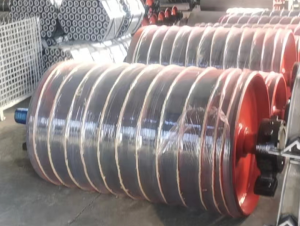
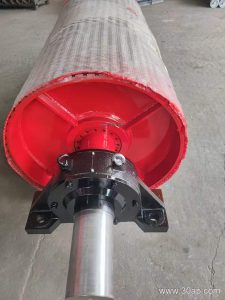
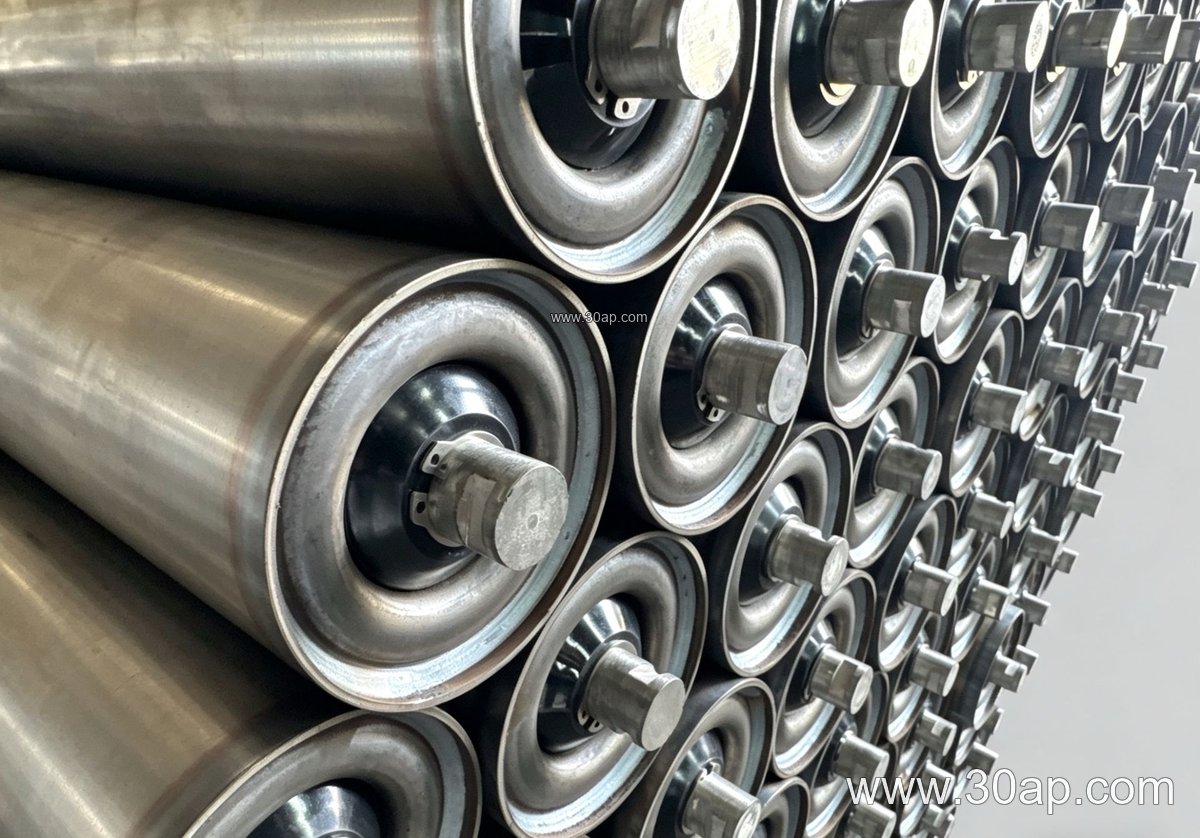
A typical heavy-duty conveyor pulley combines a rolled steel shell, machined end discs, a through shaft or stub shafts, bearing assemblies, and a lagged surface. The shell is usually thicker than on a standard drum to resist deflection between the end discs, and the welds are sized for the torque of the drive. Shaft diameter is set by torque and radial load, not by belt width alone; common shaft sizes include Ø80, Ø100, Ø120, Ø140, Ø160, and Ø180 mm, with larger values used on high-tension installations.
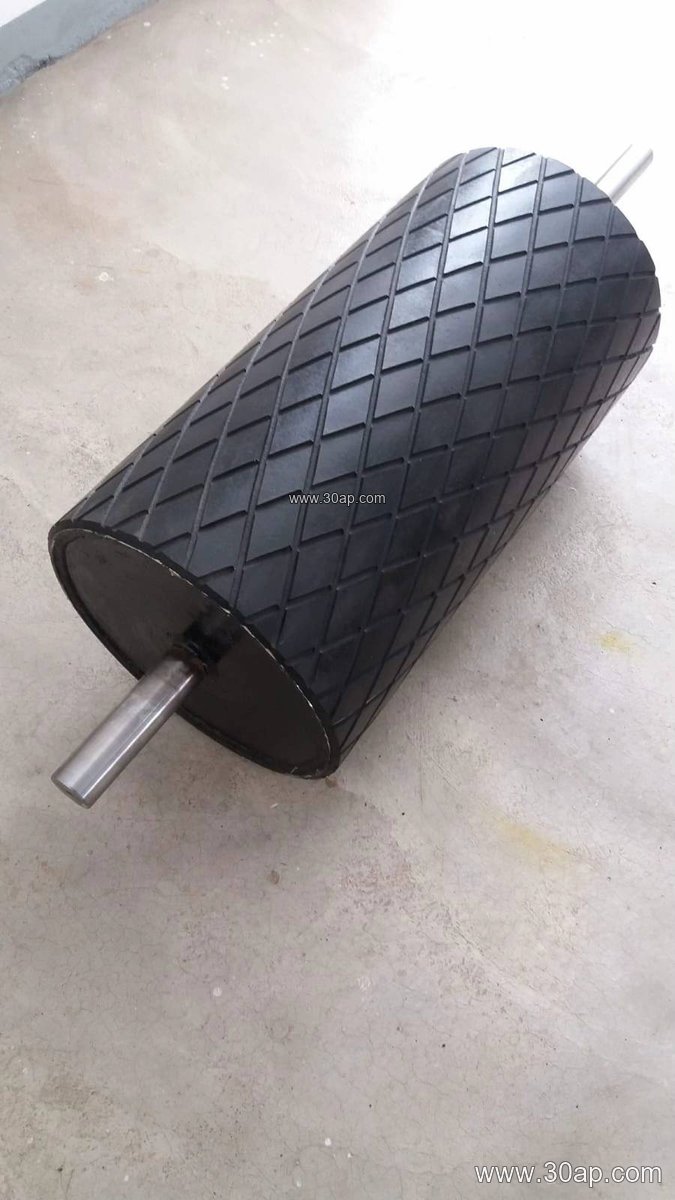
Surface treatment matters as much as the shell. Plain face works for some clean applications, while rubber lagging improves grip and sheds fines. Diamond grooving helps water and slurry escape, ceramic tiles suit very abrasive service, and hot-vulcanized rubber is often chosen where bond strength is critical. Lagging thickness commonly ranges from 8 to 20 mm depending on duty.
Common Reference Dimensions
The values below are reference examples, not fixed matches. Any belt width can be paired with more than one drum diameter, and final sizing follows the conveyor design.
- Belt width B650 mm, drum face about 750 mm, diameter options Ø400 to Ø630 mm
- Belt width B800 mm, drum face about 950 mm, diameter options Ø500 to Ø800 mm
- Belt width B1000 mm, drum face about 1150 mm, diameter options Ø630 to Ø1000 mm
- Belt width B1200 mm, drum face about 1400 mm, diameter options Ø800 to Ø1250 mm
- Belt width B1400 mm, drum face about 1600 mm, diameter options Ø800 to Ø1400 mm
Typical combinations quoted in project documents include B800 × Ø500, B1200 × Ø1000, and B1400 × Ø800. Larger drums increase wrap angle and reduce belt bending stress, but they also add weight and cost.
Where These Drums Are Used
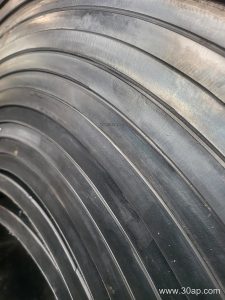
Heavy-duty conveyor pulleys appear in quarry and aggregate plants, iron ore and copper ore handling, coal preparation plants, cement kilns and clinker lines, and port bulk terminals. They also work in tunnel muck removal and fertilizer or grain silo systems where high capacity is required. In these settings the pulley must match the belt it drives: a steel cord conveyor belt or a high-strength EP conveyor belt pulls harder than a light fabric belt, so the drum, shaft, and bearings need to be sized accordingly. A flame retardant conveyor belt used underground adds another requirement, because the whole assembly must be built for a confined, dusty environment.
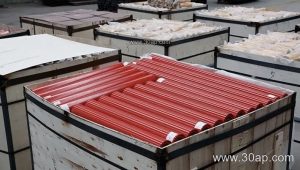
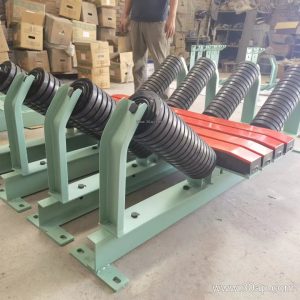
Related equipment such as the idler roller, conveyor bracket, and belt cleaner all affect pulley life. Misaligned idlers or worn brackets can load one side of the drum and shorten bearing life.
Buyer Checklist Before Ordering
- Confirm the pulley subtype: drive, tail, take-up, or bend, since each has its own load profile.
- State belt width, belt type, and belt tension so the supplier can size the shell and shaft.
- Choose lagging based on material: abrasive ore favors ceramic or thick rubber, wet fines favor grooved rubber.
- Check bearing type, housing position, and shaft extension against the conveyor bracket layout.
- Ask for balance and runout tolerances, especially on high-speed drives.
- Plan inspection of lagging wear and bearing condition as part of routine maintenance.
A well-matched heavy-duty conveyor pulley keeps the belt tracking true and protects the whole conveyor from premature belt and bearing failure. Buyers who compare the drum against the actual belt specification, rather than a single catalog number, get the most reliable result.