What an Underground Mining Conveyor Belt Is
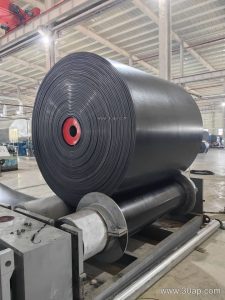
An underground mining conveyor belt is the load-carrying element of a continuous haulage system installed in tunnels, shafts and inclined roadways. It moves coal, ore, rock and other bulk material from the working face to the shaft bottom or surface without truck traffic. Because the belt runs in a confined, often damp and dusty space, the carcass, covers and edge construction must be chosen for far more than simple tonnage. A flame retardant conveyor belt and an anti-static conveyor belt are typical requirements in coal mining conveyor belt duties, while hard-rock operations often focus on abrasion resistant conveyor belt grades.
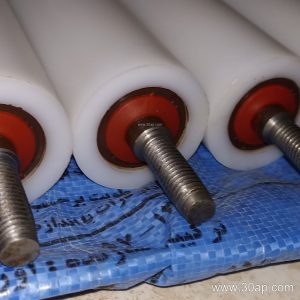
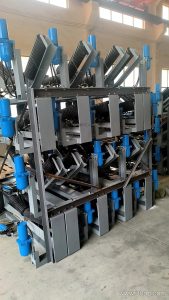
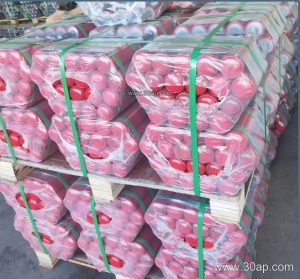
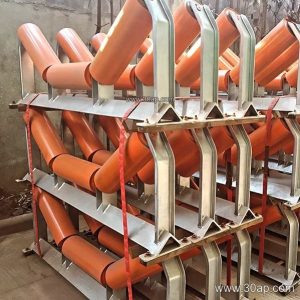
The belt itself is only one part of the line. Conveyor pulleys at the drive, tail and bend positions, idler roller sets, and the conveyor bracket frames all interact with the belt. Drive pulleys transmit power, tail pulleys return the belt, and bend pulleys change its path. These are separate components and should never be treated as interchangeable when specifying a system.
Construction and Common Belt Types
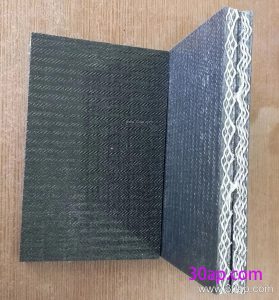
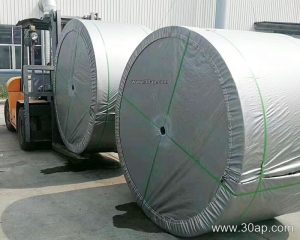
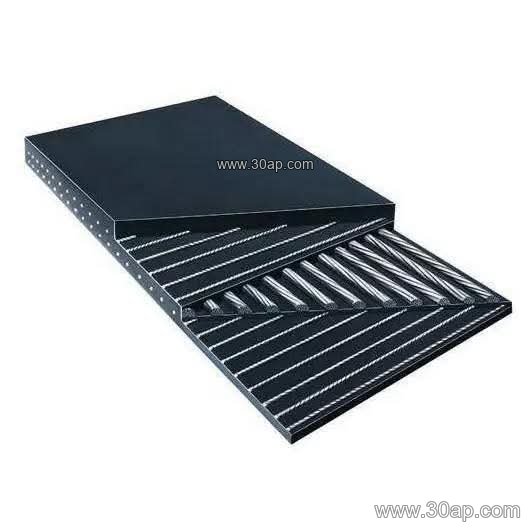
Underground belts are built around a fabric or steel carcass with rubber or PVC covers. The choice of carcass drives strength, splice method and troughability.
- Fabric core conveyor belt: EP conveyor belt (polyester/nylon) and NN conveyor belt (nylon/nylon) are common. Multi-ply fabric core conveyor belt constructions of two to six plies suit medium tensions and are easier to splice underground.
- Steel cord conveyor belt: used for long, high-tension runs and high strength conveyor belt duties; splices are more demanding and need controlled conditions.
- PVC conveyor belt and PVG conveyor belt: solid-woven or PVC-impregnated constructions are widely used in coal mining conveyor belt service where flame resistance and low stretch matter.
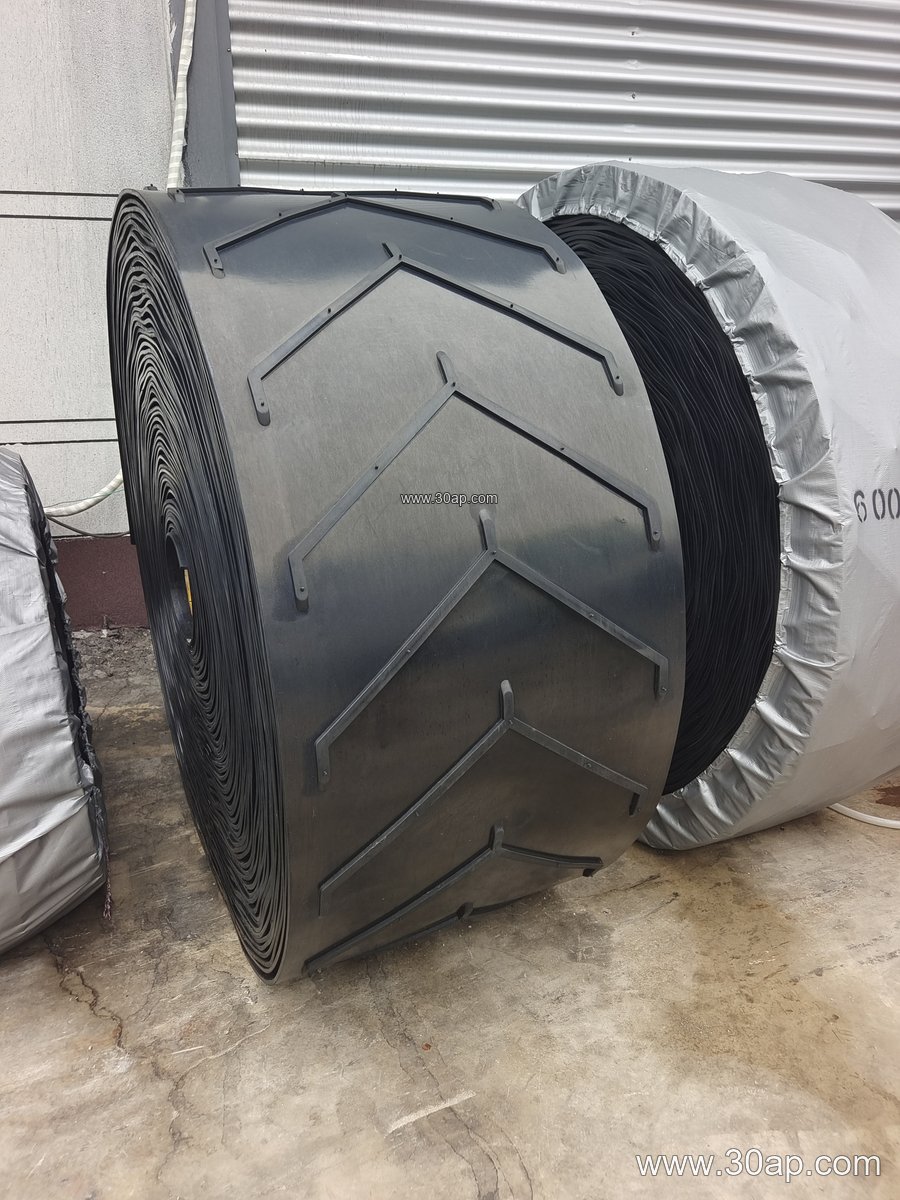
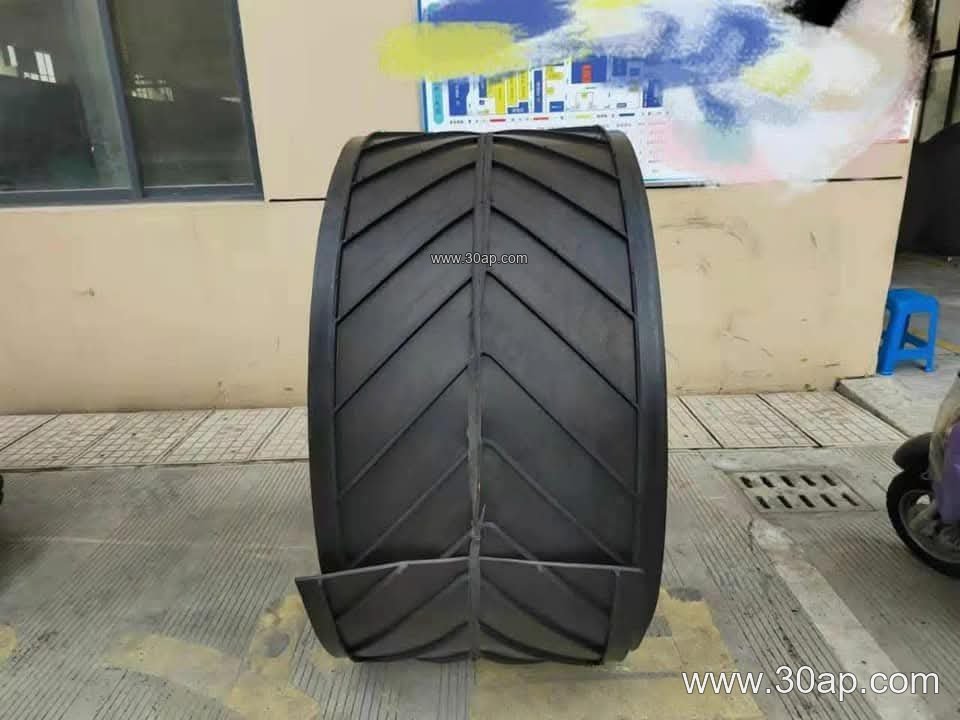
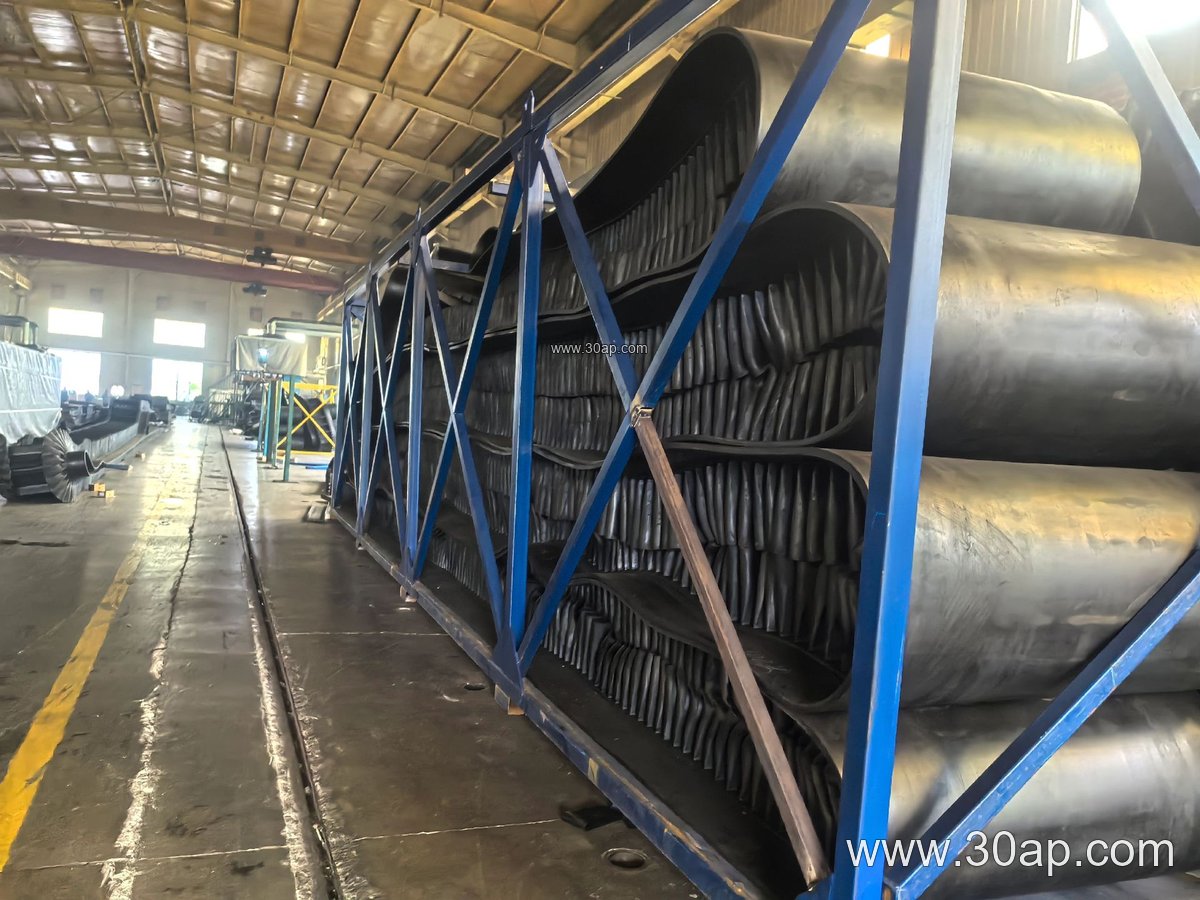
Cover compounds address the environment: heat resistant conveyor belt for hot clinker or sinter, oil resistant conveyor belt near lubricated equipment, cold resistant conveyor belt in cold shafts, and acid or chemical resistant belt where water is aggressive. Chevron conveyor belt and corrugated sidewall belt profiles help on steep inclines, while skirted conveyor belt edges contain material at transfer points. Pipe conveyor belt can enclose the load on curved routes, but it is a distinct design used only where the route justifies it.
Typical Sizes and Reference Data
The table below lists common workshop references, not a supply promise. Actual values are confirmed by design for each conveyor.
| Parameter | Common reference values |
|---|---|
| Belt width | B500, B650, B800, B1000, B1200, B1400, B1600, B1800, B2000 |
| EP strength grades | EP200, EP315, EP400, EP500, EP630, EP800, EP1000, EP1250, EP1600, EP2000 |
| Cover thickness | 3+1.5, 4+2, 5+2, 6+2, 8+3 mm |
| Carcass plies | usually 2 to 6 layers for fabric cores |
Width and pulley diameter are selected together from belt tension, trough angle and pulley loading, not from a fixed one-to-one rule. A wider belt does not automatically dictate a particular shaft diameter; that comes from the conveyor design calculation.
Where These Belts Work
Underground coal mining conveyor belt systems dominate in room-and-pillar and longwall haulage. Metal mines use ore conveyor belt and iron ore conveyor belt lines in drifts and ore passes. Potash, salt and industrial mineral mines apply similar fabric belts where moisture and dust are present. The same belt technology also appears in surface operations such as quarry conveyor belt and aggregate conveyor belt circuits, and in cement, steel plant and power plant material handling, though underground service places tighter limits on flame spread, static and ventilation.
Buyer Checklist
- Confirm the required flame retardant and anti-static performance for the mine class before choosing a carcass.
- Match cover grade to the duty: high abrasion resistant belt for sharp rock, heat resistant belt for hot loads, oil resistant belt near hydraulic equipment.
- State width, strength grade, cover thickness and splice preference clearly, for example EP1000 with 6+2 mm covers at B1200.
- Check pulley and idler roller compatibility, including bend pulley placement and conveyor bracket clearances in narrow roadways.
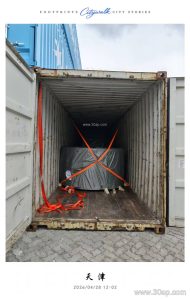
- Plan spare belt, splice materials and roller stock so that a stoppage does not halt the whole face.
For more on matched components, see the belt, idler roller and conveyor pulley ranges at example-mining.com and the underground conveyor belt notes at example-mining.com/underground. A correctly specified underground mining conveyor belt, paired with suitable pulleys and rollers, keeps haulage predictable in conditions where access for repair is limited.