What a Conveyor Frame Does on a Bulk Handling Line
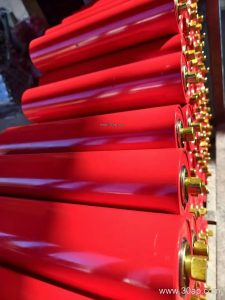
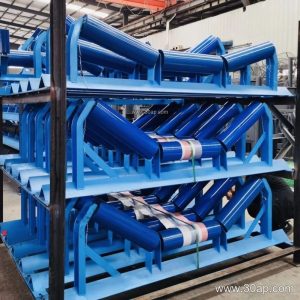
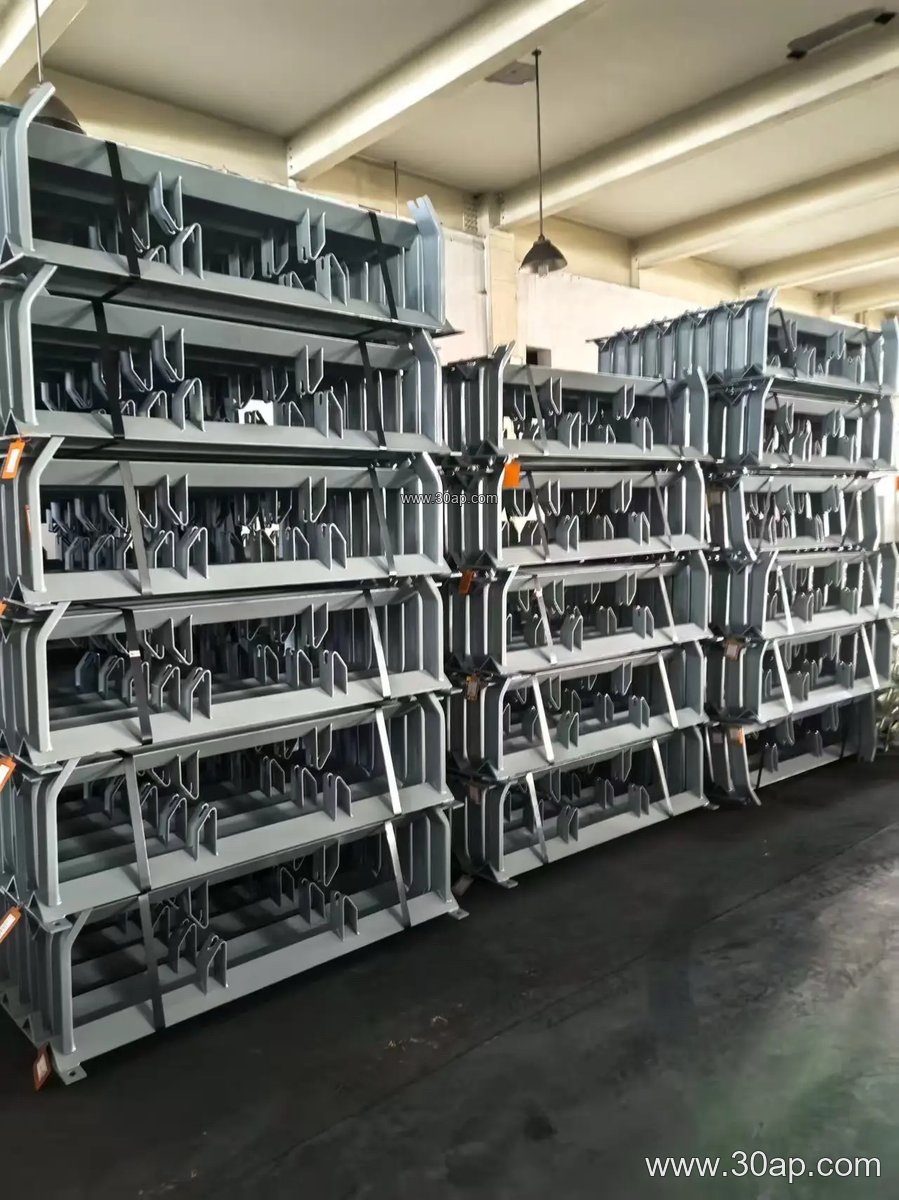
A conveyor frame is the structural backbone of a belt conveyor. It carries the idler roller sets, holds the conveyor pulley assemblies at each end, and keeps the belt path straight and stable from loading point to discharge. In a quarry, a cement plant, or a power plant coal yard, the frame is the part that turns a loose collection of rollers and belting into a working machine. Without a rigid, well-aligned frame, even a premium conveyor belt will wander, spill material, and wear out early.
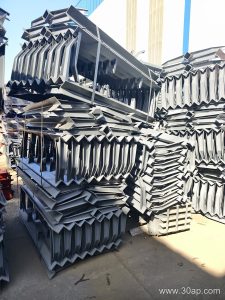
Frames are usually fabricated from angle steel, channel steel, or folded steel plate. Stringers run along the belt line, cross beams tie the two sides together, and mounting brackets locate each idler station. The design looks simple, but small errors in hole spacing or beam height show up quickly as belt misalignment and edge damage.
How the Frame Is Built and Installed
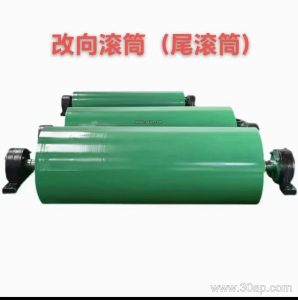
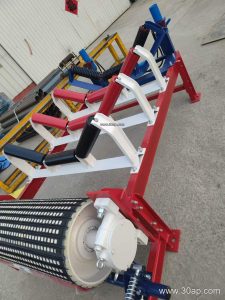
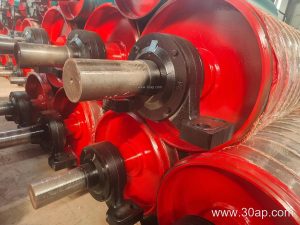
A typical section includes upper carrying frames that support troughing idlers, lower frames for return idlers, and transition frames near the head and tail. The frame connects to conveyor brackets fixed on the ground or on a steel structure, and it must line up with the drive pulley, tail pulley, and bend pulley so the belt runs true through every change of direction. Drive, tail, and bend pulleys have different jobs and are not interchangeable, and the frame layout has to respect each one’s position.
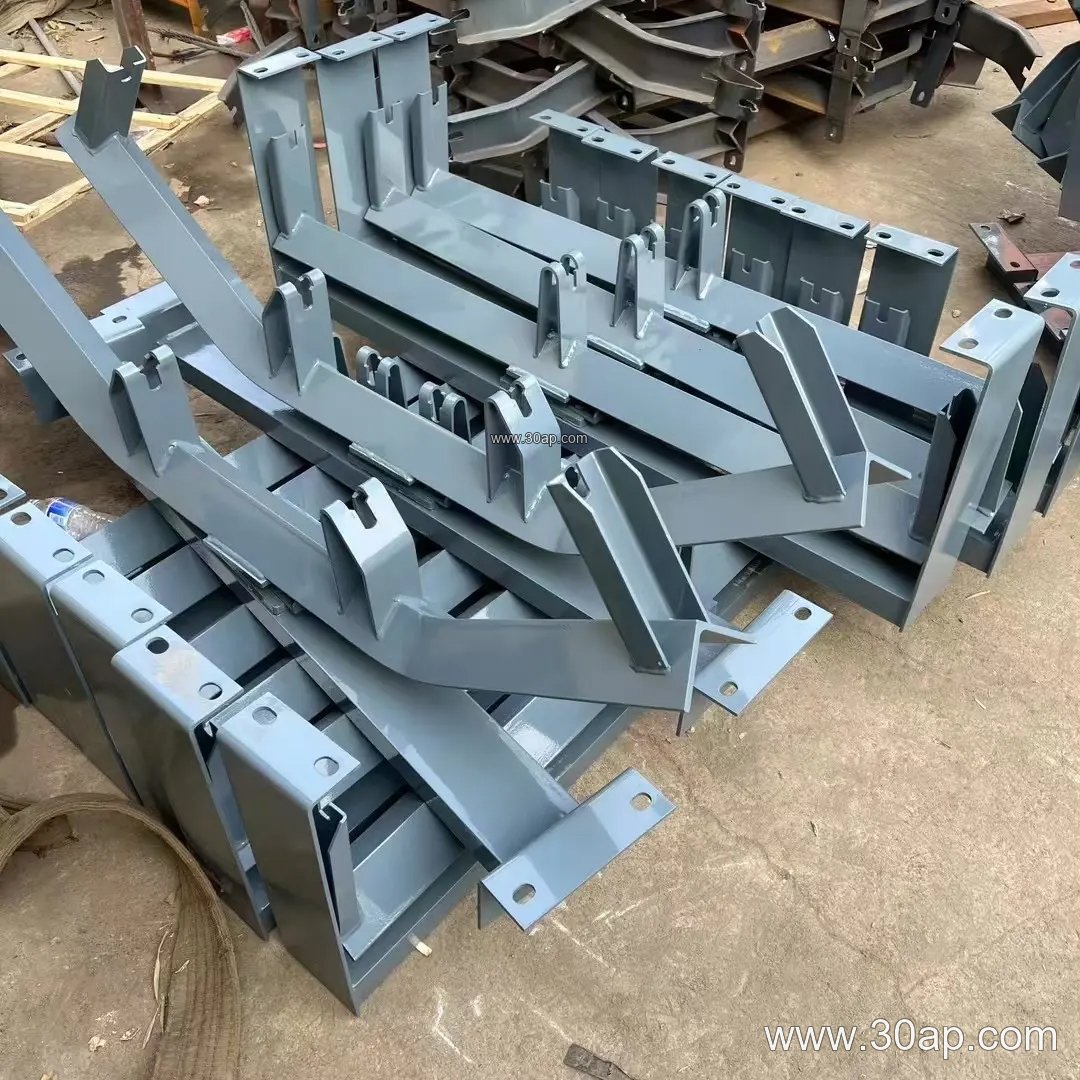
- Stringer and cross beam fabrication from angle or channel steel
- Idler mounting slots or holes sized to the chosen roller diameter
- Bolt-on or welded bracket connections to the conveyor structure
- Optional adjustable sections for trough angle and belt tracking
Installation quality matters as much as fabrication. Frames should sit level across the belt width and square along the line. A frame that is twisted over a few metres will pull the belt to one side no matter how well the idlers are set.
Trough Angle, Belt Width, and Roller Diameter
The carrying frame sets the trough angle, and that angle affects how much material the belt can hold. Common trough angles are 20, 30, 35, and 45 degrees, and adjustable frames allow the angle to be changed within that range. Forward-leaning idler stations, often around 1.5 to 2 degrees, are used on some carrying frames to help centre the belt. Typical belt widths range from B500 up to B2200, and roller diameters commonly include Ø89, Ø108, Ø133, Ø159, and Ø194. A B800 frame at 35 degrees with Ø108 rollers is a common mid-size combination, while a B1200 line at 45 degrees with Ø133 rollers suits heavier bulk loads. These are reference pairings, not fixed rules; final selection depends on belt tension, material weight, and support spacing.
| Parameter | Common Options |
|---|---|
| Belt width | B500, B650, B800, B1000, B1200, B1400, B1600, B1800, B2000, B2200 |
| Trough angle | 20°, 30°, 35°, 45° |
| Roller diameter | Ø89, Ø108, Ø133, Ø159, Ø194 |
| Frame material | Angle steel, channel steel, folded steel plate |
| Frame types | Troughing, transition, return, V-return, impact, self-aligning, suspended, adjustable |
Hole spacing and cross beam length change with belt width and trough angle, so frames are normally made to order rather than picked from a single universal size.
Matching the Frame to the Application
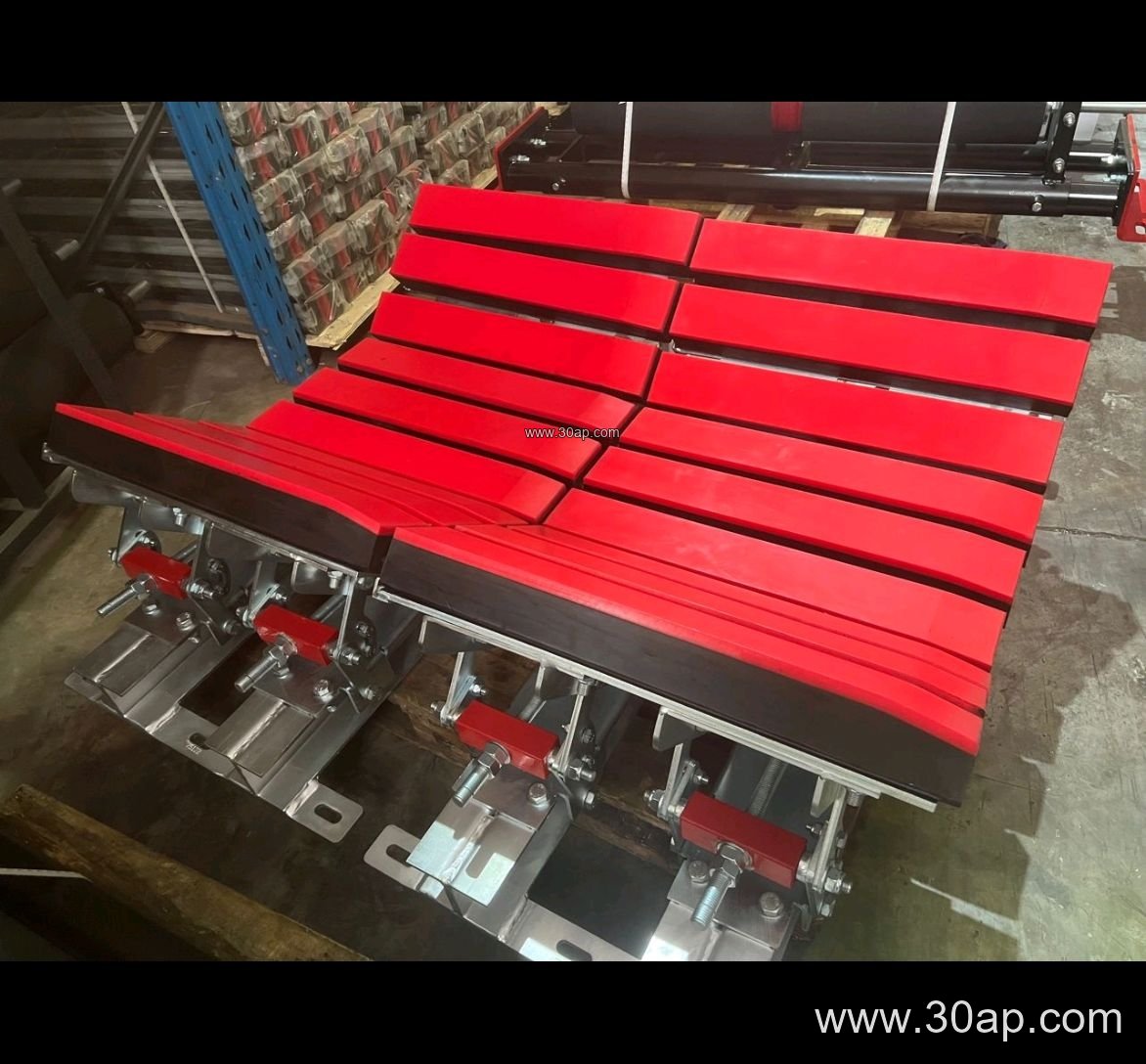
In a limestone quarry or aggregate line, impact frames with buffer idlers are often placed under the crusher discharge to absorb falling rock. In a coal preparation plant or underground coal mining conveyor, flame retardant conveyor belt and anti-static belting are common, and the frame must allow enough clearance for cleaning and inspection. Cement plants and power plant coal handling systems usually run long straight sections where alignment and idler spacing decide belt life. Ports and ship loading conveyors may combine wide belts with heavy-duty frames to handle high tonnage.
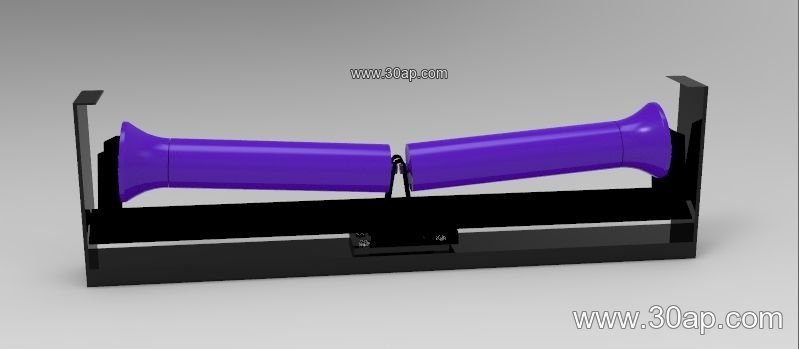
The frame also interacts with the belt itself. A chevron conveyor belt or corrugated sidewall belt needs adequate clearance around the frame and idlers, while a pipe conveyor belt requires a completely different support structure. Where heat resistant conveyor belt or oil resistant conveyor belt is used, frame components near the hot or oily zone should be checked for expansion and buildup.
Buyer Checklist Before Ordering
- Confirm belt width, trough angle, and roller diameter together, not separately
- State whether frames are fixed or adjustable, and which stations need adjustment
- Provide the pulley layout so transition frames fit the drive and tail positions
- Check material build-up and cleaning access in dusty plants
- Ask for drawings showing hole spacing and beam length for each frame type
A well-specified conveyor frame keeps the idler rollers, pulleys, and belting working as one system, which is the cheapest way to protect a conveyor investment over years of service.