What a Steel Plant Conveyor Pulley Does
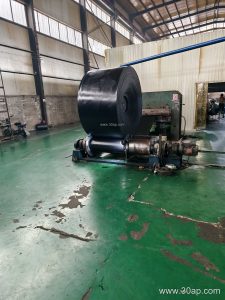
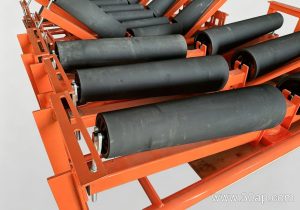
In a steel plant, raw materials such as iron ore, coke, limestone, and sintered ore move continuously between stockyards, blast furnaces, and converter shops. The steel plant conveyor pulley is the rotating drum that transmits power to the conveyor belt, maintains tension, and changes belt direction. As a core component of the conveyor system, it works alongside the conveyor belt, idler rollers, and conveyor brackets to keep material flowing reliably under high loads and harsh conditions.
Unlike a simple idler roller, a conveyor pulley is engineered to handle the full belt tension and torque of the drive system. In steel plants, these pulleys are often exposed to abrasive dust, heat, and heavy impact, so their construction and surface treatment must be chosen with care.
Construction and Key Components
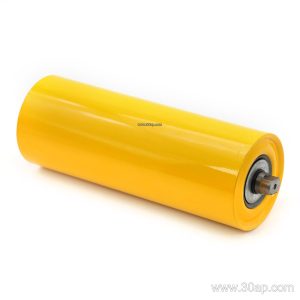
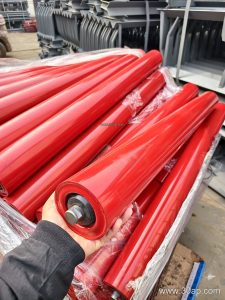
A typical steel plant conveyor pulley consists of a cylindrical shell, end discs, a shaft, and bearing housings. The shell is usually made from rolled steel plate, machined for balance and concentricity. The shaft is sized according to torque and radial load, not simply by belt width. Common shaft diameters include Ø50, Ø60, Ø80, Ø100, Ø120, Ø140, Ø160, Ø180, and Ø200, but the final value depends on the specific design and load case.
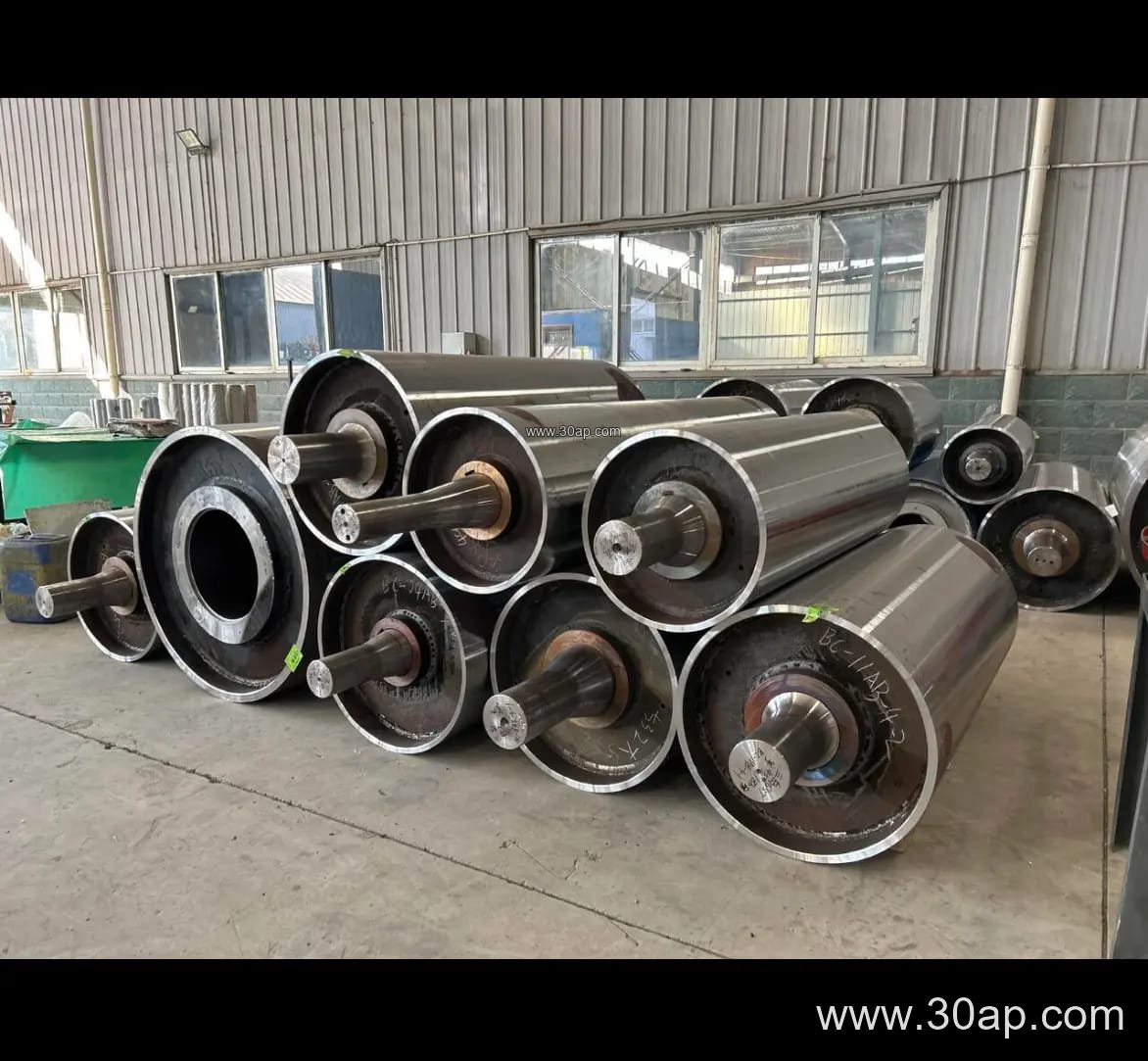
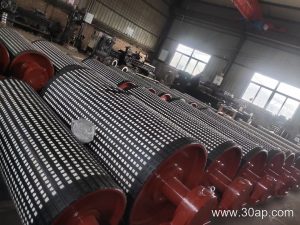
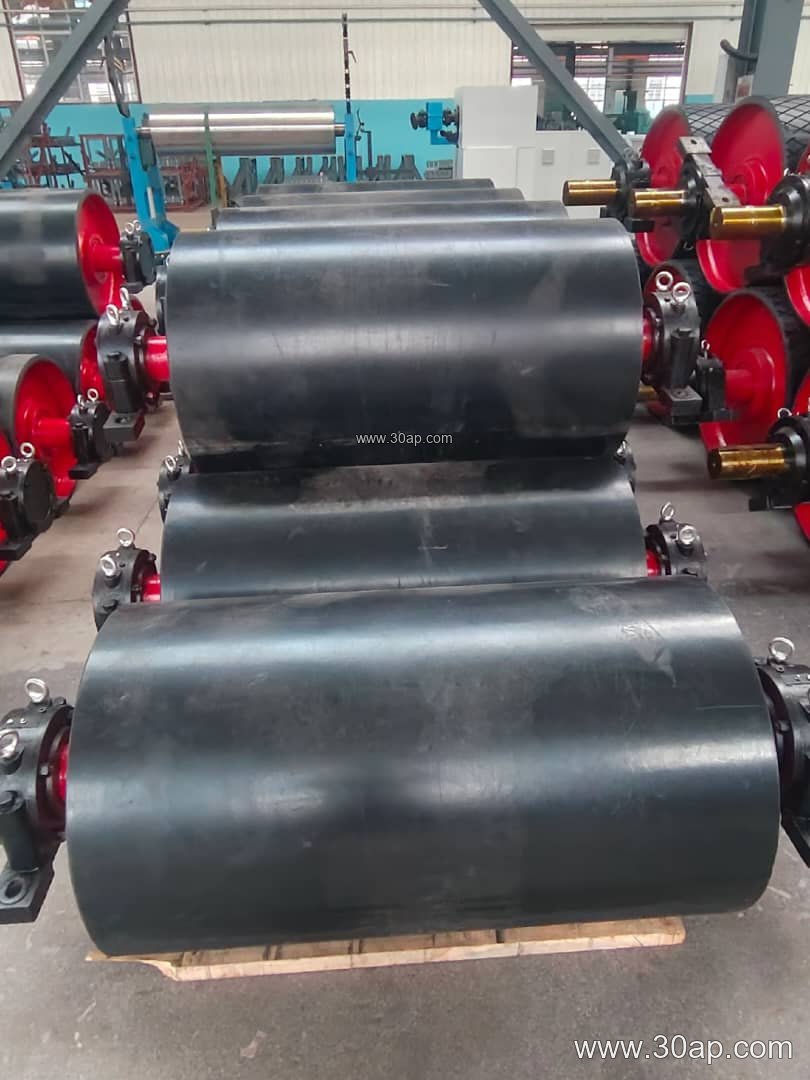
Surface treatment is critical. Pulleys may be supplied plain, with cast rubber, cold-bonded rubber, hot-vulcanized rubber, diamond grooving, herringbone grooving, ceramic lagging, or flat rubber. Lagging thickness commonly ranges from 8 mm to 20 mm. The choice affects friction, wear life, and material release. For example, diamond or herringbone lagging can improve grip in wet or dusty conditions, while ceramic lagging offers high abrasion resistance for sinter and ore handling.
Common Types and Their Roles
In a steel plant, different pulley positions serve different functions. The drive pulley, also called the head pulley, transmits power from the motor to the belt. The tail pulley at the loading end maintains belt tension and supports the belt as it returns. Bend pulleys and take-up pulleys guide the belt and maintain proper tension in the return run. These types are not interchangeable; each has a specific duty in the conveyor layout.
For instance, a drive pulley may be B1200 × Ø1000 with diamond lagging to handle high torque, while a tail pulley in the same system might be B1200 × Ø800 with plain or flat rubber surface. A bend pulley could be smaller, such as B1200 × Ø500, depending on the belt path and tension requirements. The table below lists common dimensional references, but these are examples, not fixed matches.
| Belt Width (mm) | Typical Pulley Face Width (mm) | Common Diameter Range (mm) |
|---|---|---|
| B500 | 600 | Ø200–Ø400 |
| B650 | 750 | Ø250–Ø500 |
| B800 | 950 | Ø315–Ø630 |
| B1000 | 1150 | Ø400–Ø800 |
| B1200 | 1400 | Ø500–Ø1000 |
| B1400 | 1600 | Ø630–Ø1250 |
| B1600 | 1800 | Ø800–Ø1400 |
Remember that a given belt width can accommodate several pulley diameters. The final selection depends on belt speed, tension, shaft load, and available space. Never assume a fixed shaft diameter from belt width alone.
Where It Fits in Steel Plant Material Handling
Steel plants rely on conveyor systems to move bulk materials at every stage. A steel plant conveyor pulley is used in ore receiving, sinter plant feed, coke handling, and slag transport. In these areas, the pulley must withstand abrasive dust and occasional high temperatures. For sinter and coke, heat-resistant conveyor belts are often paired with pulleys that have heat-resistant lagging or plain steel surfaces. For iron ore and limestone, abrasion-resistant conveyor belts work with ceramic or diamond-lagged pulleys to reduce slip and wear.
In a coal preparation plant or power plant coal yard, flame-retardant conveyor belts are common, and the pulleys may be designed with anti-static properties. In a quarry or aggregate line, rugged pulleys with thick rubber lagging handle sharp rock and continuous impact.
Buyer Checklist for Steel Plant Conveyor Pulleys
When specifying a steel plant conveyor pulley, consider the following:
- Belt width and pulley face width: The pulley face is usually wider than the belt, e.g., B800 belt with a 950 mm face. Confirm the actual dimensions with the conveyor design.
- Diameter and shaft size: Diameter affects belt curvature and tension; shaft diameter must be calculated from torque and load. Do not rely on a single rule of thumb.
- Lagging type and thickness: Choose based on material abrasiveness, moisture, and required friction. Common thicknesses are 8, 10, 12, 15, and 20 mm.
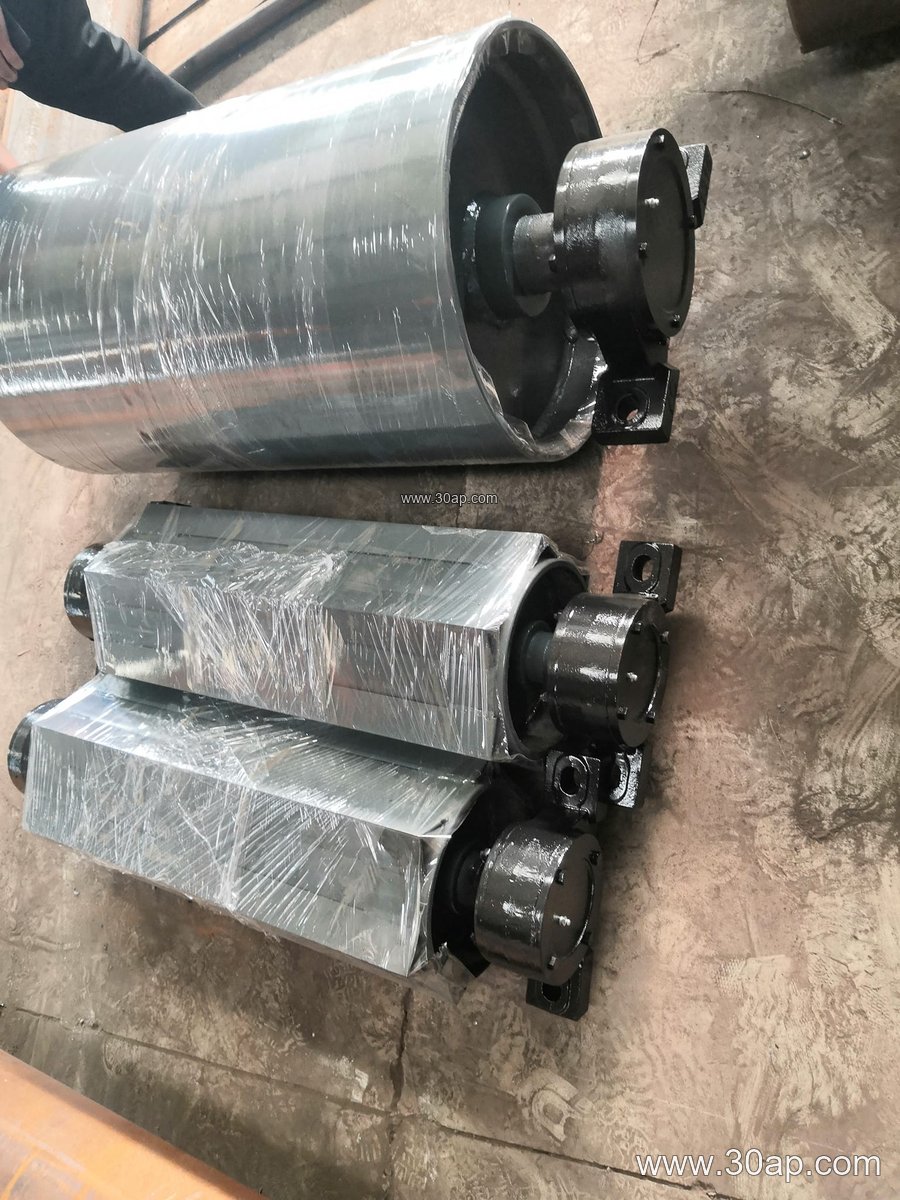
- Bearing and sealing: In dusty steel plant environments, effective sealing extends service life.
- Balancing and runout: Critical for high-speed conveyors to reduce vibration and belt tracking issues.
Also consider the conveyor belt type in use. A steel cord conveyor belt may require larger pulleys to avoid excessive bending stress, while an EP conveyor belt or NN conveyor belt may suit smaller diameters. For heavy-duty mining conveyor belts, heavy-duty pulleys with reinforced shells are advisable.
Maintenance and Long-Term Reliability
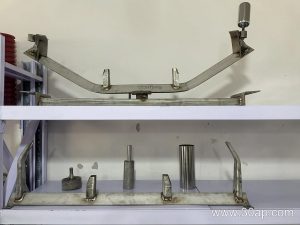
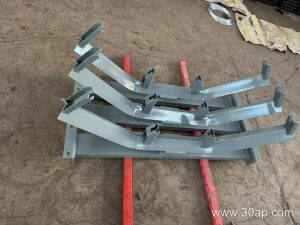
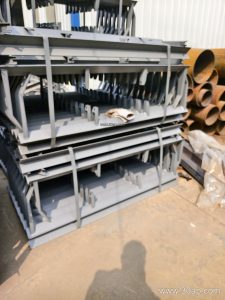
Regular inspection of the steel plant conveyor pulley helps prevent unplanned downtime. Check lagging wear, especially at the drive pulley where slip can cause rapid deterioration. Verify that the pulley turns freely and that bearings are properly lubricated. Misalignment between the pulley and the conveyor belt can lead to edge damage and material spillage; adjust the conveyor bracket and idler roller alignment as needed. In steel plants, where continuous operation is essential, keeping spare pulleys or lagging kits on hand can reduce repair time.
By understanding the role, construction, and selection factors of the steel plant conveyor pulley, maintenance and procurement teams can choose the right component for each conveyor section, ensuring efficient material flow from stockyard to furnace.