What a Steel Plant Conveyor Idler Does
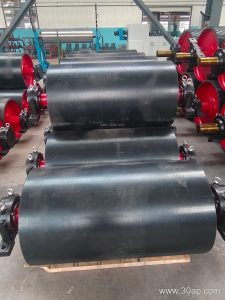
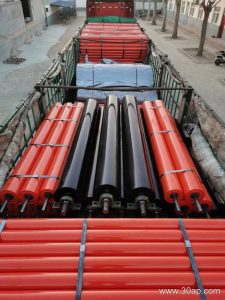
A steel plant conveyor idler is the rotating support that carries the conveyor belt along its route, from the raw material yard through sintering and crushing to the blast furnace charging area. In a steel plant the belt often moves sinter, pellets, coke, limestone, iron ore and slag, so the idler roller has to tolerate dust, heat, impact and continuous running. The idler is a simple assembly, but it is the part that decides how smoothly the belt tracks and how much power the drive actually delivers.
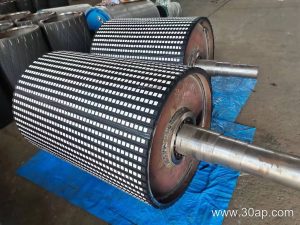
The same product is also called a belt conveyor idler or carrying roller, and those names describe the same component. A steel plant conveyor idler is not a pulley. The drive pulley, tail pulley and bend pulley are different parts with different jobs, and none of them can be swapped for an idler.
How the Idler Is Built
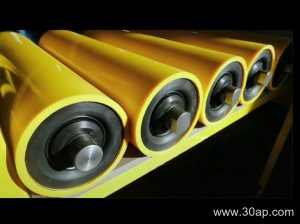
A typical unit consists of a steel tube shell, a shaft, bearing housings, bearings and a sealing arrangement. The shell may be plain steel, nylon coated, ceramic lined or fitted with rubber rings. Sealing matters more than many buyers expect, because fine sinter dust and mill scale penetrate ordinary gaps quickly. Common bearing references include 6204, 6205, 6305, 6306, 6308 and 6310, but the bearing is matched to the load and shaft design rather than to the belt width alone.
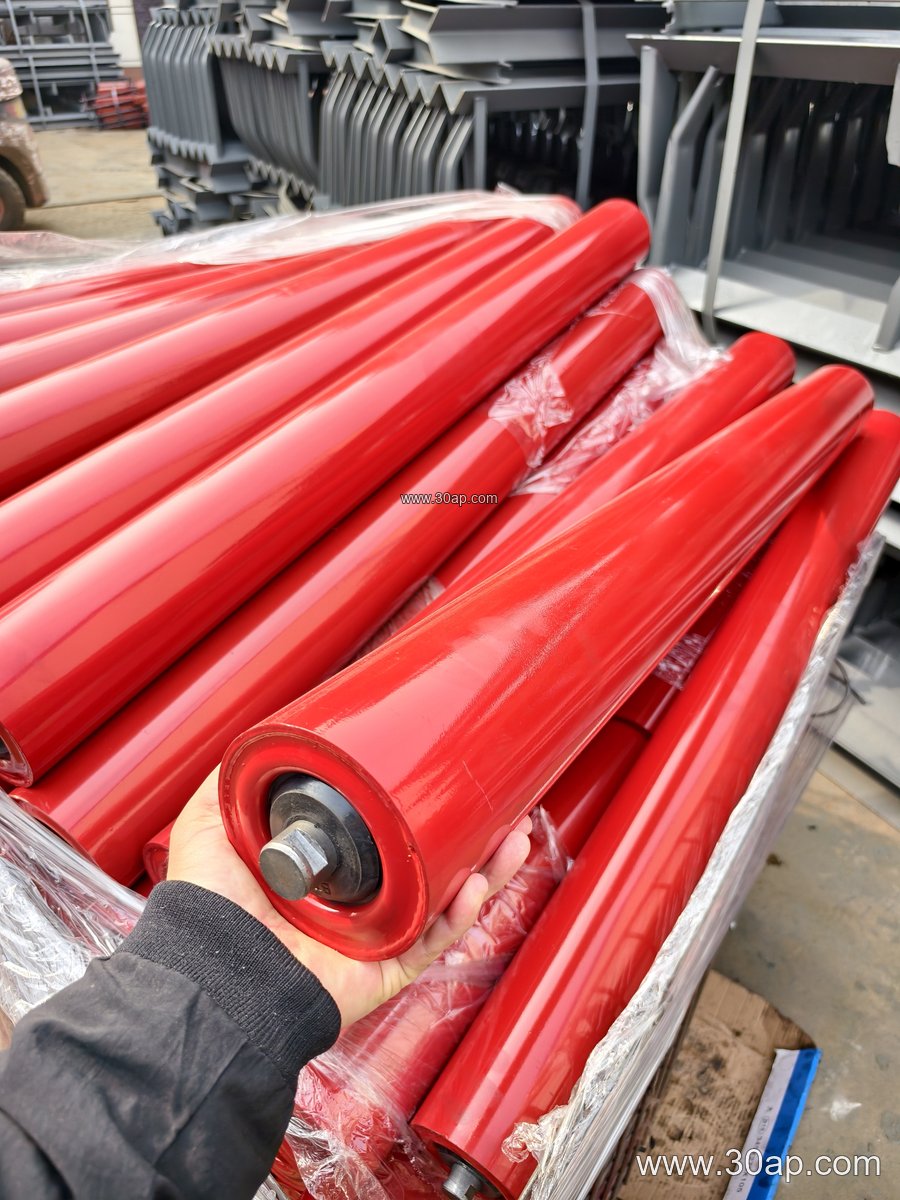
Idler diameter is chosen with belt speed and load in mind. Common roller diameters include Ø63, Ø76, Ø89, Ø102, Ø108, Ø127, Ø133, Ø159, Ø178, Ø194 and Ø219 mm. A steel plant handling heavy ore usually leans toward larger diameters, while a light transfer line may use smaller ones.
Common Arrangements on the Belt Line
- Troughing idlers in two-part or three-part sets support the loaded belt; trough angles of 20, 30, 35 and 45 degrees are common.
- Impact idlers with rubber rings sit below the loading point to absorb the fall of ore and coke.
- Return idlers, flat or V-shaped, support the empty belt on its way back.
- Self-aligning and friction self-aligning idlers correct belt drift on long runs.
- Spiral idlers help shed sticky material in dusty or damp sections.
Roller length follows belt width, trough angle and frame design. As a rough example, three-part troughing sets often use roller lengths near 200 mm for B500, 250 mm for B650, 315 mm for B800, 380 mm for B1000, 465 mm for B1200, 530 mm for B1400, 600 mm for B1600, 670 mm for B1800 and 750 mm for B2000. Side rollers and centre rollers can differ, so these are examples rather than fixed pairings.
Where Steel Plant Idlers Are Used
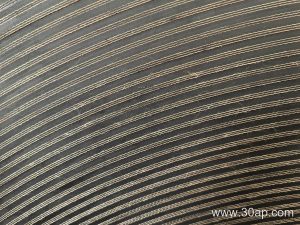
Inside a steel plant, idlers appear on ore receiving belts, sinter feed lines, coke handling systems, lime and flux conveying, and slag transport. Similar units serve a quarry, a cement plant, a power plant coal yard and a port bulk terminal. In dusty sinter lines, a heat resistant conveyor belt is often paired with sealed idlers, while a flame retardant conveyor belt is common on coke and coal routes. Abrasion resistant conveyor belt grades reduce wear where sharp ore edges are present. In a coal preparation plant or underground coal mining conveyor belt system, fire resistant conveyor belt and anti-static conveyor belt properties are usually specified together.
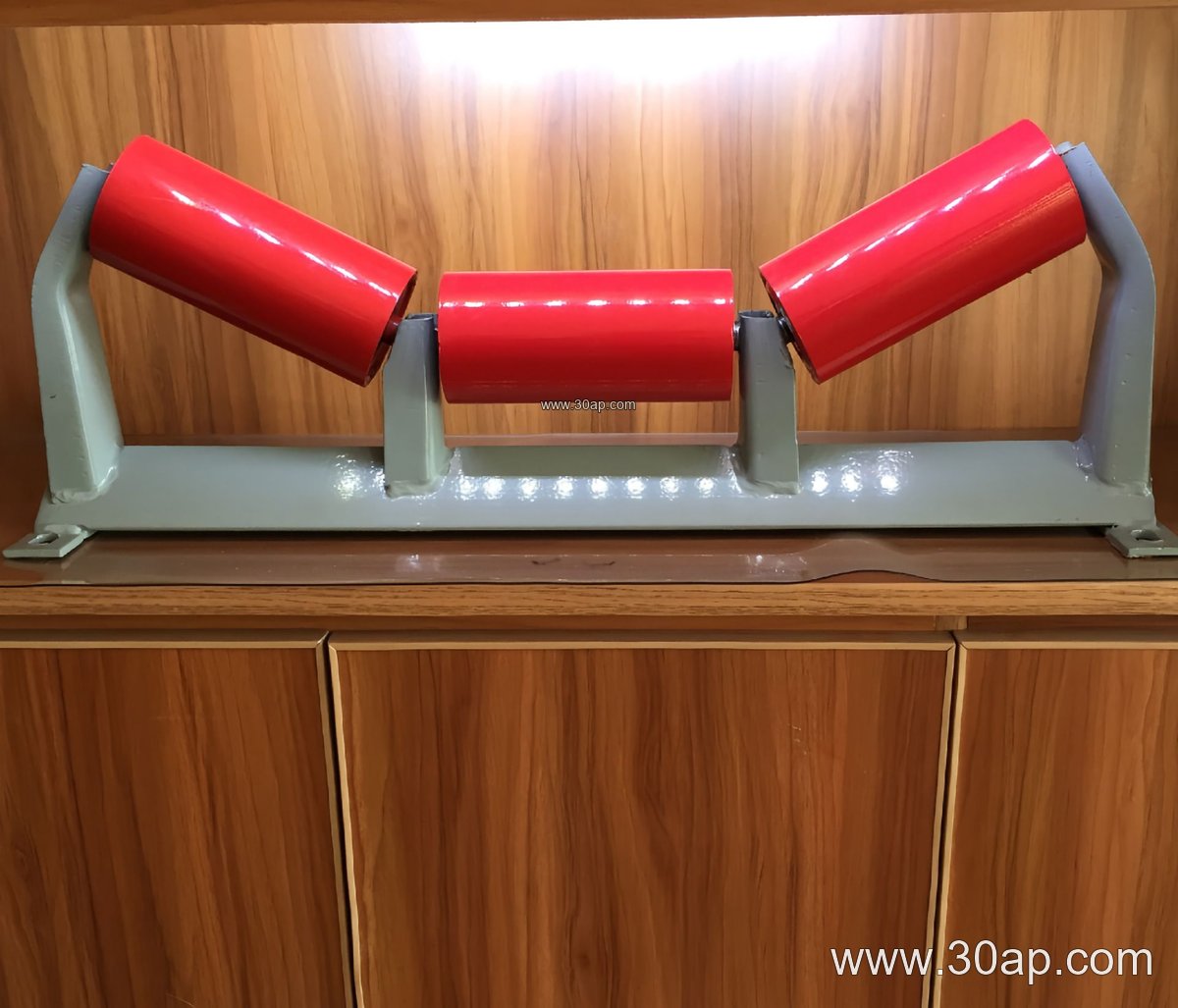
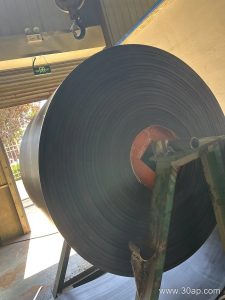
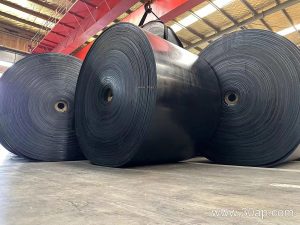
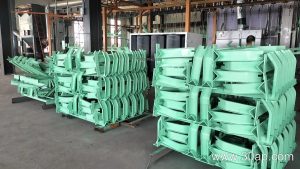
Idlers also work alongside the conveyor bracket and the conveyor pulley, so alignment between frame, roller and belt path should be checked as one system. A well-matched steel plant conveyor belt running on correctly spaced idlers keeps vibration low and extends belt life.
Buyer Checklist
Before ordering, confirm belt width, trough angle, roller diameter, shaft ends, bearing size and sealing type. Ask how the idler will be lubricated and whether the shell is plain or rubber covered. For hot sinter or clinker, state the temperature range so the right bearing clearance and grease can be selected. For wet or dusty yards, request a sealed design and check the fit between idler and bracket.
Spacing is determined by belt sag and load, not by a single rule for every plant. Maintenance teams should rotate stock, check for seized rollers, listen for noisy bearings and replace damaged shells before they cut the belt. A spare set of idlers on site is far cheaper than an unplanned stoppage in a steel plant.