What a 1800mm Conveyor Belt Is
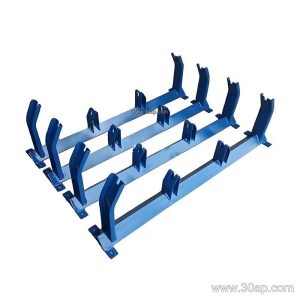
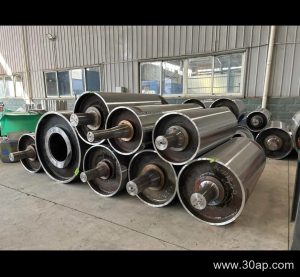
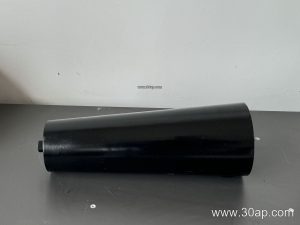
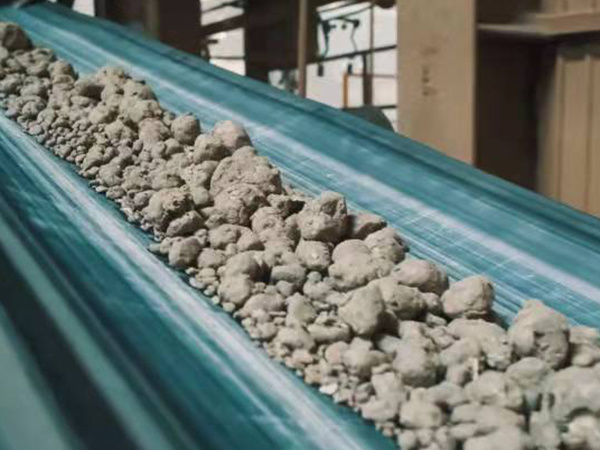
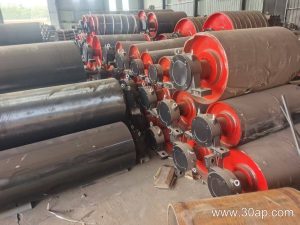
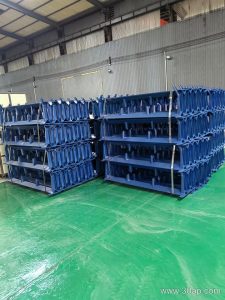
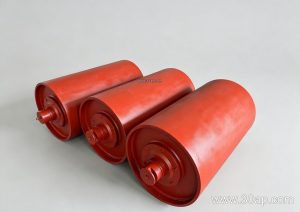
A 1800mm conveyor belt is a wide-width belt designed for high-capacity conveying systems. The 1800mm dimension refers to the belt width, which is among the wider standard sizes used in bulk material handling. This width allows the belt to carry large volumes of material and is often found in primary crushing circuits, stockyard systems, and long-distance conveying lines where throughput matters. The belt works together with conveyor pulleys, idler rollers, and conveyor brackets to form a complete conveyor system. Whether in a quarry, coal mine, cement plant, or power station, the 1800mm belt is a key component for moving heavy loads efficiently.
Construction and Common Types
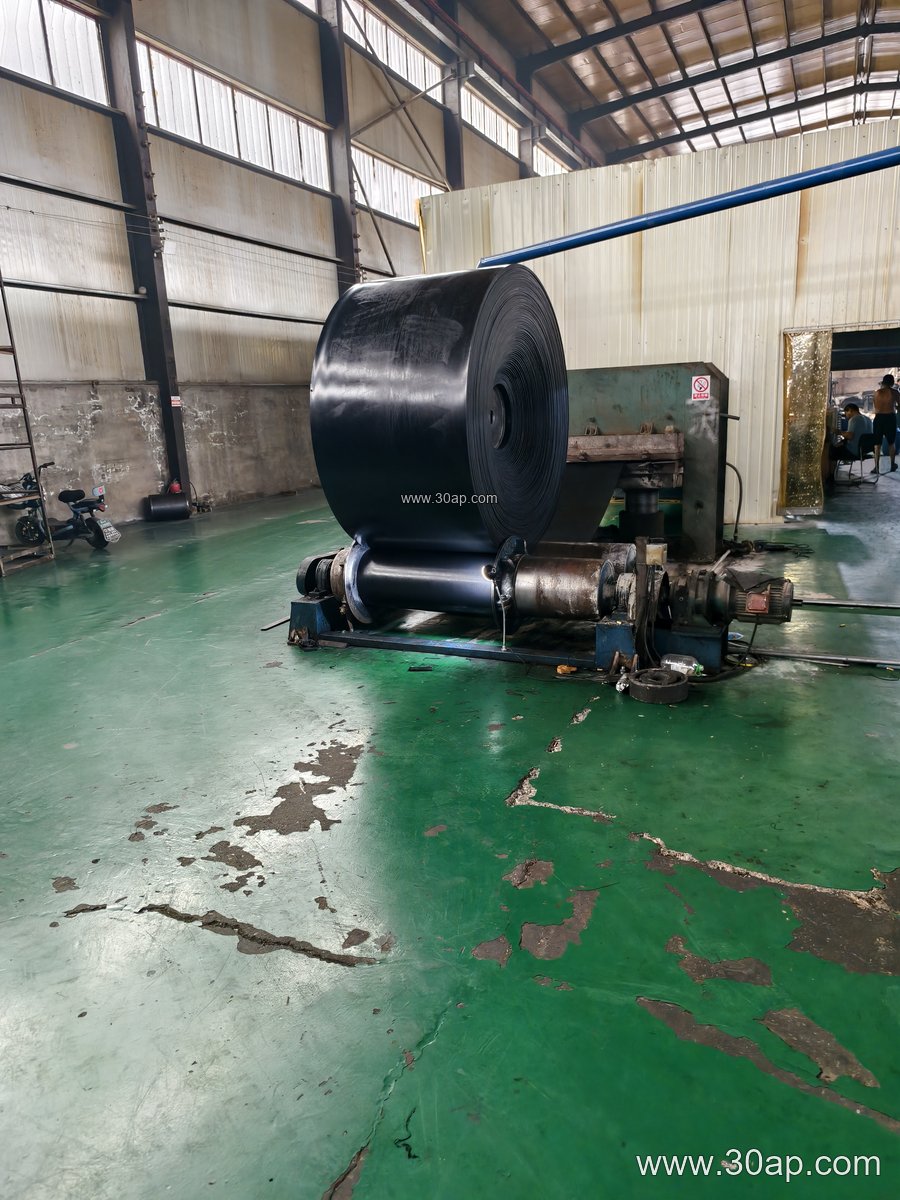
At its core, a 1800mm conveyor belt consists of a tension-bearing carcass and rubber cover layers. The carcass can be fabric-based, such as EP (polyester-nylon) or NN (nylon-nylon) fabric, or steel cord for higher strength requirements. Common fabric core types include multi-ply fabric construction with 2 to 6 plies. Steel cord belts are used for very long distances and high tensions. The cover rubber is selected based on the material being conveyed: abrasion resistant for sharp rocks, heat resistant for clinker or sinter, oil resistant for oily materials, flame retardant for underground coal mining, and cold resistant for low-temperature environments. Special constructions like chevron, corrugated sidewall, or pipe conveyor belts are available when the application requires increased incline angle or material containment. For a 1800mm width, typical carcass strengths might range from EP200 to EP2000 or ST1000 to ST3150, depending on the load and distance.
Where It Is Used
Wide belts like the 1800mm size are common in industries that handle large tonnages. In mining, they transport ore, coal, and waste rock. In cement plants, they carry limestone, clinker, and additives. Power plants use them for coal delivery. Quarries and aggregate operations rely on them for moving crushed stone and sand. Ports and ship loading facilities use wide belts for fast loading and unloading. The 1800mm width is often chosen when a single conveyor must handle high capacity without increasing belt speed excessively. This belt width can be paired with various pulley diameters and idler roller sizes, selected through conveyor design calculations rather than fixed rules.
Specifications and Selection Factors
When specifying a 1800mm conveyor belt, several parameters need consideration. The table below lists common reference values, but actual requirements should be determined by the conveyor designer.
| Parameter | Common Options |
|---|---|
| Belt width | 1800 mm (B1800) |
| Carcass type | EP fabric, NN fabric, steel cord |
| Strength range (fabric) | EP200 to EP2000 |
| Strength range (steel cord) | ST1000 to ST3150 |
| Number of plies (fabric) | 2 to 6 |
| Cover thickness (top+bottom) | 3+1.5, 4+2, 5+2, 6+2, 8+3 mm |
| Special properties | Abrasion resistant, heat resistant, oil resistant, flame retardant, anti-static, cold resistant |
Buyers should also consider the pulley diameters, idler roller spacing, and conveyor bracket design to ensure compatibility. The belt width alone does not dictate pulley size; the system designer calculates the correct drive, tail, and bend pulleys based on tension and load. For a 1800mm belt, pulleys are typically larger to handle the wide belt and high tensions, but exact dimensions vary by project.
Maintenance and Operational Notes
Proper maintenance extends the life of a 1800mm conveyor belt. Regular inspection of the belt surface for cuts, wear, and cover damage is important. Checking idler rollers for seizure and ensuring pulleys are aligned helps prevent belt mistracking. Keeping the belt clean and avoiding material buildup reduces wear on the carcass. For high-abrasion applications, using an abrasion resistant conveyor belt can significantly reduce downtime. In cold climates, a cold resistant belt prevents cracking. In underground coal mines, a flame retardant conveyor belt is often required for safety. Training and impact zones should be monitored, especially with wide belts where material distribution must be even to avoid edge damage.
Buyer Checklist
- Confirm the material type, lump size, and temperature to select the right cover and carcass.
- Verify the required belt strength with the conveyor designer, considering starting and stopping tensions.
- Check compatibility with existing pulleys, idler rollers, and brackets.
- Specify special properties such as anti-static, oil resistance, or food grade if needed.
- Consider the environment: underground mining may require flame retardant and anti-static properties.
- Discuss splicing method (mechanical or vulcanized) and whether an endless belt is preferred.
For more information on 1800mm conveyor belts and related components, visit our site at belt.ConveyorBelt.com or explore our range of conveyor pulleys and idler rollers at idler.ConveyorBelt.com. Our team can help you select the right belt for your mining, cement, or power plant application.