What an EP300 Conveyor Belt Is
An EP300 Conveyor Belt is a fabric-core belt built around polyester and nylon (EP) warp and weft yarns. The “300” refers to the nominal tensile strength of the carcass, commonly expressed in N/mm, so this is a mid-to-high strength grade within the EP family. Because the carcass stretches little under load and resists fatigue, EP belts are a practical choice for medium and long conveying lines where stability matters. Buyers often compare it with an NN Conveyor Belt, whose all-nylon carcass is more elastic, and with a Steel Cord Conveyor Belt for very high tension duties. Those are comparisons only; the EP300 grade remains the subject here.
How the Belt Is Constructed
The belt is a composite: a multi-ply fabric core sandwiched between rubber cover layers. In the EP300 Fabric Core Conveyor Belt, the plies are bonded with skim rubber and protected by top and bottom covers. The carcass ply count usually ranges from two to six, depending on the required strength and the pulley diameters on the conveyor. Cover thickness is commonly quoted as combined figures such as 4+2 mm, 5+2 mm or 6+2 mm, with the first number for the carrying side and the second for the pulley side.
Cover compound selection is a separate decision from the EP grade. A quarry or cement plant may choose an Abrasion Resistant Conveyor Belt compound; a coal handling line may require a Flame Retardant Conveyor Belt or Anti-Static Conveyor Belt; hot clinker or sinter calls for a Heat Resistant Conveyor Belt. These properties are added to the same EP carcass rather than replacing it.
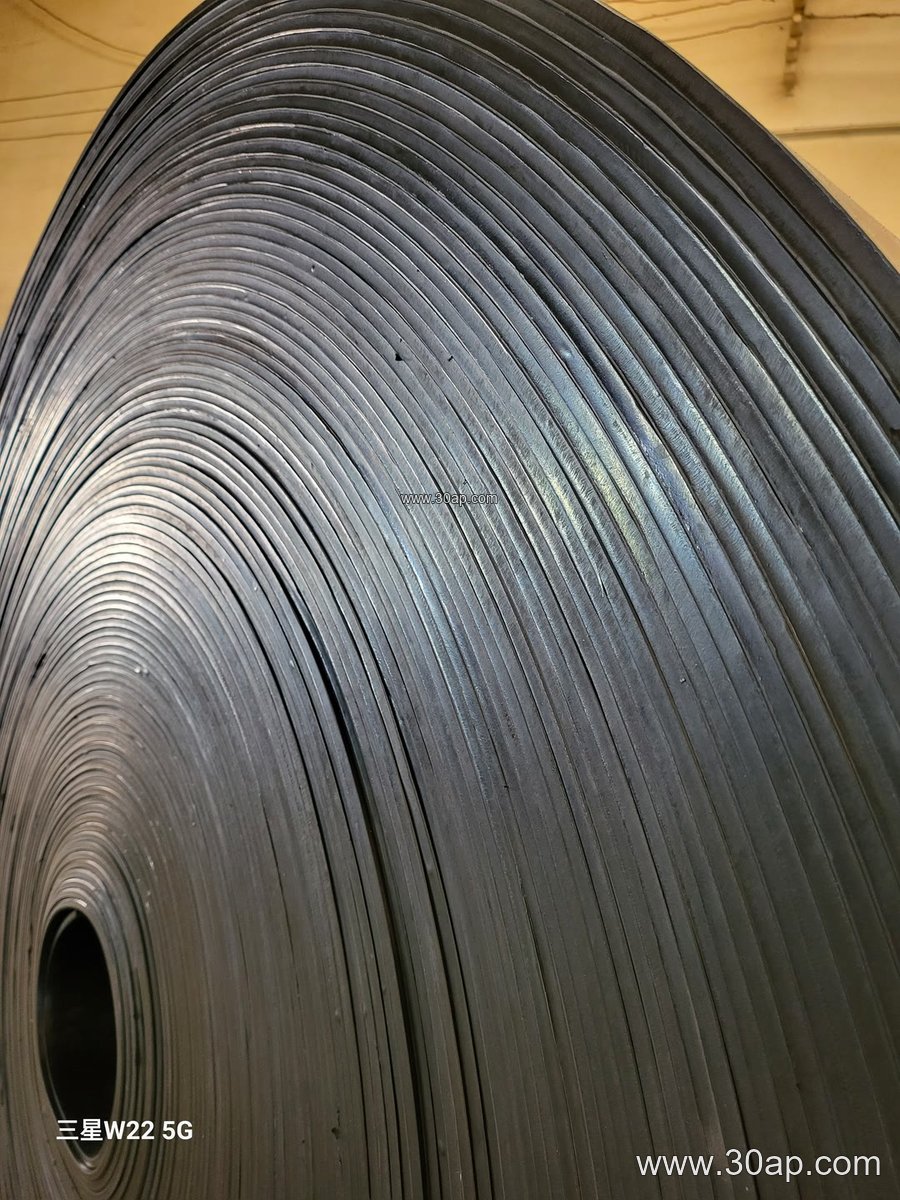
Typical Specifications
Parameters below are common reference values; actual figures are confirmed by design and by the manufacturer.
Strength Grades in the EP Family
- EP200, EP315, EP400, EP500 — lighter to medium duty
- EP630, EP800, EP1000 — general heavy duty
- EP1250, EP1600, EP2000 — high tension, long distance
Common Belt Widths and Cover Gauges
- Widths: B500, B650, B800, B1000, B1200, B1400, B1600, B1800, B2000
- Cover combinations: 3+1.5 mm, 4+2 mm, 5+2 mm, 6+2 mm, 8+3 mm
- Carcass: typically 2 to 6 plies
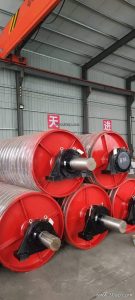
Belt width and pulley diameter are matched through conveyor design, not by a single fixed rule. A wider belt does not automatically dictate one shaft size, and the drive pulley, tail pulley and bend pulley each have their own duty and should be specified separately.
Where EP300 Belts Are Used
The grade suits bulk material flows that are steady but not extreme in tension. You will see it in sand and gravel plants feeding crushers, in cement works moving limestone and clinker, in power plant coal yards, in port and ship loading systems, and in mining circuits where a Heavy-Duty Mining Conveyor Belt is needed but steel cord construction is not justified. It also appears in aggregate and ore handling lines, and in recycling plants conveying sorted mixed material. In underground coal work, flame-retardant variants such as PVG belts may be preferred, so the application rules should always be checked first.
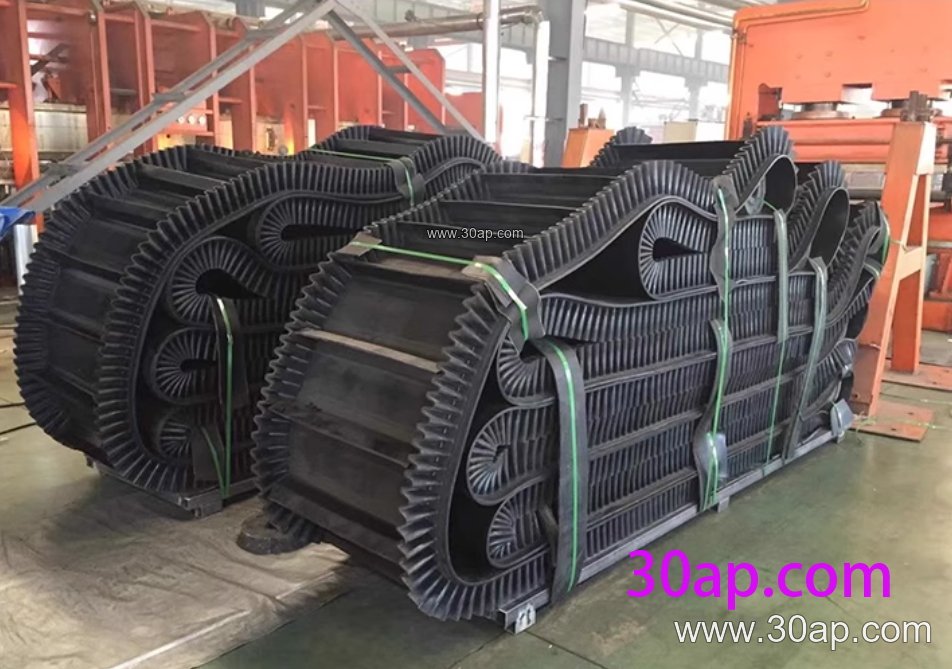
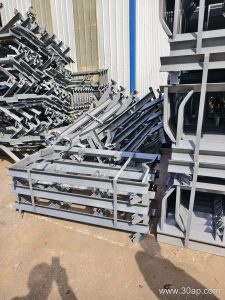
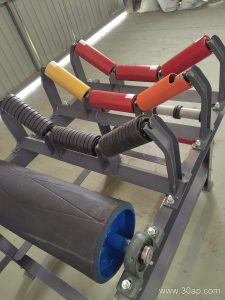
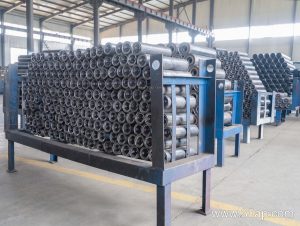
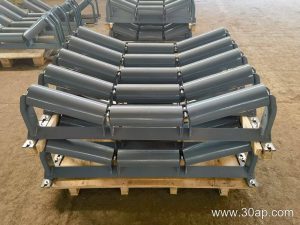
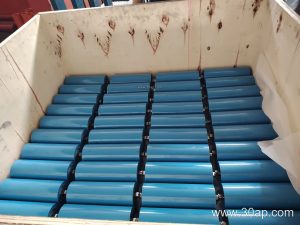
Around the belt, the conveyor pulley, idler roller and conveyor bracket set the running geometry. Misalignment at any of these points shortens belt life more than the belt grade itself.
Selection and Maintenance Notes
When specifying an EP300 Conveyor Belt, confirm the peak tension, the pulley diameters, the loading impact zone, the material temperature and any fire or oil exposure. Consider whether a Chevron Conveyor Belt profile is needed for inclined sections, or a Corrugated Sidewall Conveyor Belt for steep, space-limited routes. An Endless Conveyor Belt may be specified where joint reliability is critical.
In service, keep the belt tracking straight, avoid material spillage at transfer points, and inspect the splice and edges regularly. Store spare rolls away from sunlight, oil and ozone sources. For matching components and belt options, visit www.beltconveyorpro.com to review conveyor belt, idler roller, conveyor pulley and conveyor bracket ranges before finalizing the specification.