What an Oil Resistant Conveyor Belt Is
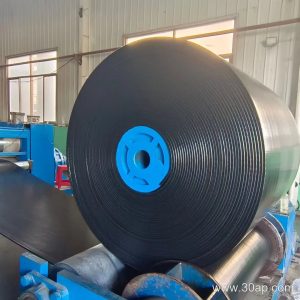
An Oil Resistant Conveyor Belt is a rubber conveyor belt built to carry materials that contain mineral oil, vegetable oil, grease or oily residue without the cover swelling, softening or breaking down too quickly. In plants where the conveyed material leaves an oily film on the belt surface, a standard rubber belt can absorb the oil, lose tensile strength at the cover, and start cracking. The oil resistant conveyor belt uses a cover compound formulated to limit that absorption, so the belt keeps its shape and surface integrity over a longer service cycle.
This is still a fabric or steel reinforced belt in its basic construction. The difference lies mainly in the cover rubber, and sometimes in the transition layer between cover and carcass, so the oil does not migrate into the fabric plies.
Construction and Compound Design
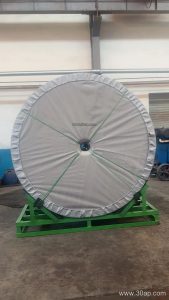
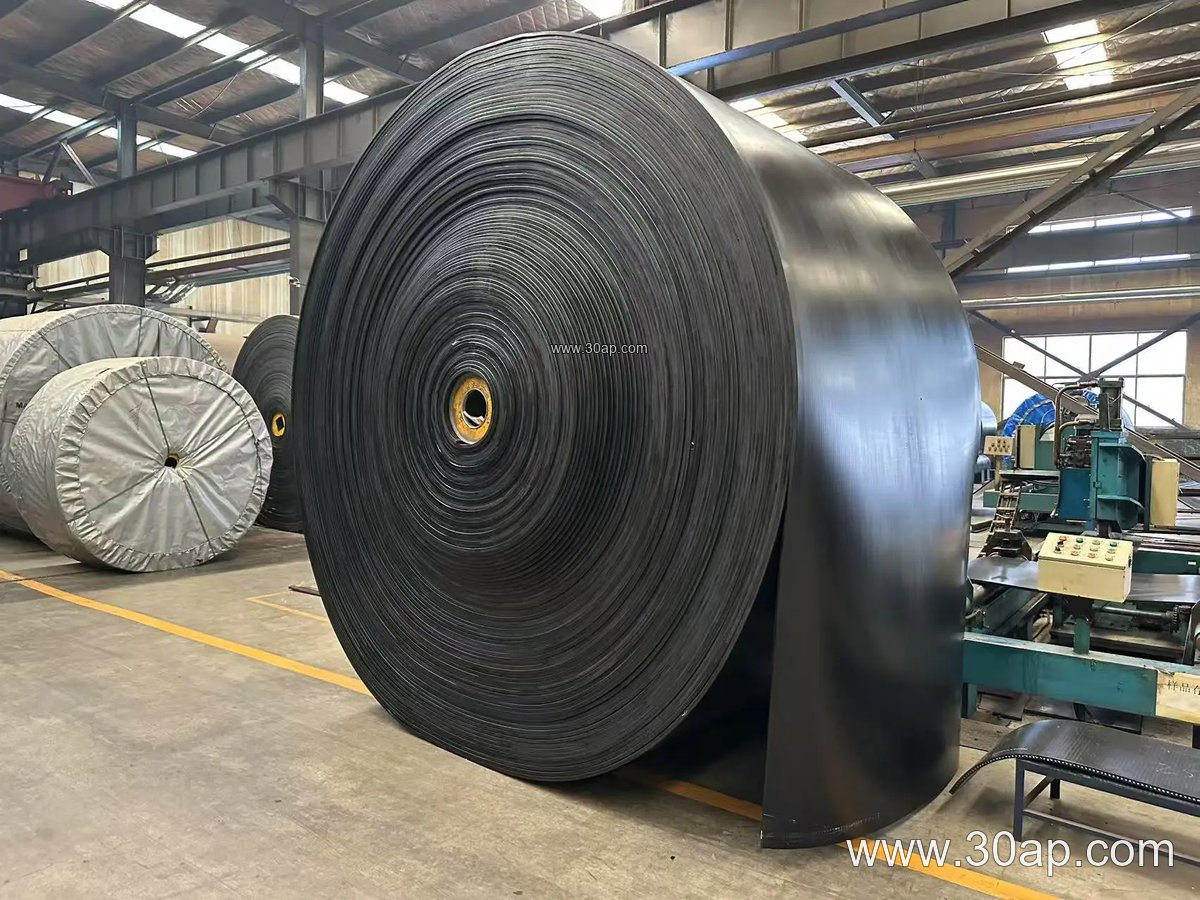
A typical oil resistant belt combines three functional layers. The top cover faces the oily material, the bottom cover runs over the idler roller and conveyor pulley, and the carcass carries the load. Common carcass options include EP Conveyor Belt fabric, NN Conveyor Belt fabric, and Steel Cord Conveyor Belt for very high tension duties.
- Oil resistant top cover, usually with a nitrile-based or specially blended rubber compound
- Adhesion or barrier layer to slow oil penetration into the fabric core
- Fabric plies, often 2 to 6 layers depending on strength class
- Bottom cover for pulley and idler contact, which may use a different compound
Cover thickness is usually quoted as a pair, for example 4+2 mm, 5+2 mm, 6+2 mm or 8+3 mm, with the first figure for the carrying side and the second for the pulley side. A thicker carrying cover gives more wear allowance when the material is both oily and abrasive.
Where It Fits in Real Plants
Oily bulk materials appear in more places than many operators expect. In a cement plant, oil-soaked kiln dust or oily additives can reach the belt at transfer points. In a power plant, coal with residual oil or biomass mixed with grease may run on the same line. Recycling lines routinely handle oily packaging and metal scrap. Foundries, steel plant conveyor lines, and sand making plant circuits may carry moulding sand with oil binders or oily castings residue.
At the same time, a plant may need other properties. A coal conveyor in an underground coal mining section often needs a Flame Retardant Conveyor Belt and Anti-Static Conveyor Belt as well, while an ore conveyor handling hot sinter may need a Heat Resistant Conveyor Belt. These requirements can be combined in one compound, but the buyer should state them clearly rather than assume the oil resistant grade covers everything.
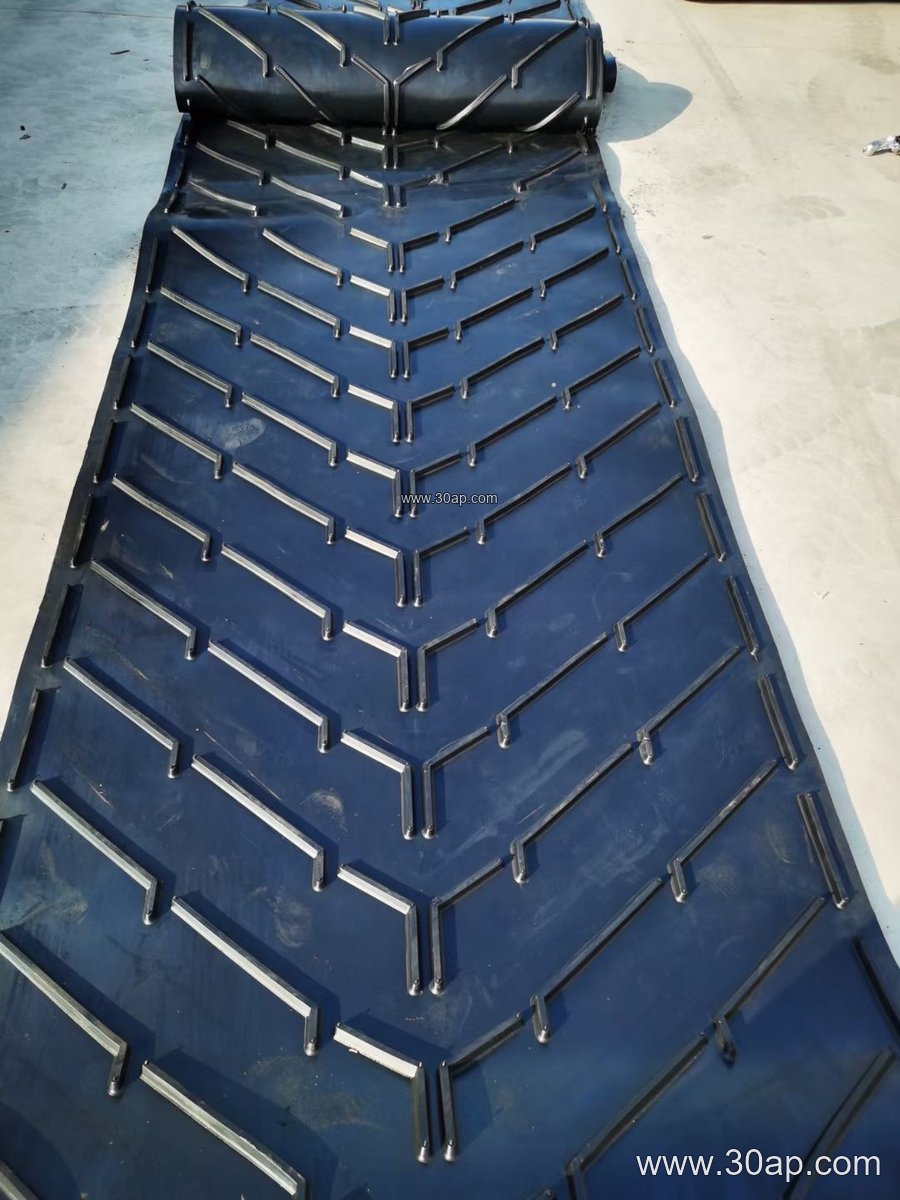
Where the material is also sharp and heavy, an Abrasion Resistant Conveyor Belt grade is often considered alongside oil resistance. For steep inclines, a Chevron Conveyor Belt or Corrugated Sidewall Conveyor Belt may be preferred, but the oil resistance requirement still applies to the cover compound.
Common Reference Data
The values below are typical reference ranges, not fixed supply promises. Actual construction is confirmed by design and by the manufacturer.
| Item | Common Reference Range |
|---|---|
| Strength class | EP200, EP315, EP400, EP500, EP630, EP800, EP1000, EP1250 |
| Belt width | B500, B650, B800, B1000, B1200, B1400, B1600 |
| Cover thickness | 3+1.5 mm, 4+2 mm, 5+2 mm, 6+2 mm, 8+3 mm |
| Fabric plies | Usually 2 to 6 layers |
| Belt type examples | Fabric Core Conveyor Belt, Steel Cord Conveyor Belt |
Width and pulley diameter are matched by conveyor design, not by a single rule. A wider belt does not automatically require one specific pulley size, and shaft diameter is calculated from the actual load case.
Selection Points for Buyers
Start with the oil type. Mineral oil, animal fat, vegetable oil and solvent-bearing liquids affect rubber differently, and the supplier should know which one dominates. Next, state the material temperature, because oil resistance and heat resistance pull the compound in different directions. Then confirm the tension class and belt width with the conveyor designer, and check whether the line also needs flame retardancy or anti-static properties.
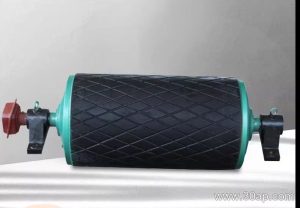
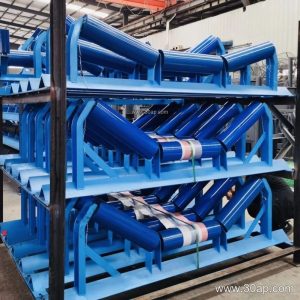
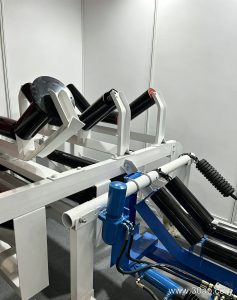
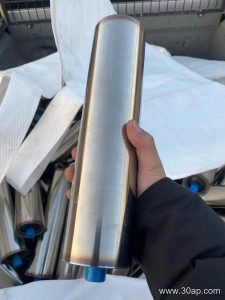
Pay attention to the pulley side as well. Oil that drips from the return side can attack the bottom cover, and it may also affect the conveyor pulley lagging and the idler roller surface. Cleaning the belt and checking the conveyor bracket and frame for oil accumulation helps keep the whole conveyor stable.
Maintenance Habits That Extend Service Life
Oil resistance is relative, not absolute. Wipe or wash off standing oil where practical, keep the belt tracking straight on the tail pulley, and inspect the cover for swelling or soft spots during routine walks. Replace worn idler rollers promptly so the belt does not run on a seized roller and overheat the cover. Store spare belts away from oil drums and lubricant leaks, since the cover can absorb oil even before installation.
When the line handles both oily and dry abrasive material, review the duty cycle with the belt supplier and choose the cover grade for the dominant condition. A balanced choice between oil resistance, abrasion resistance and flame retardancy usually gives better service than a belt tuned to only one property.