What the EP800 Conveyor Belt Is
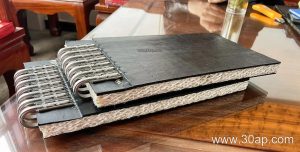
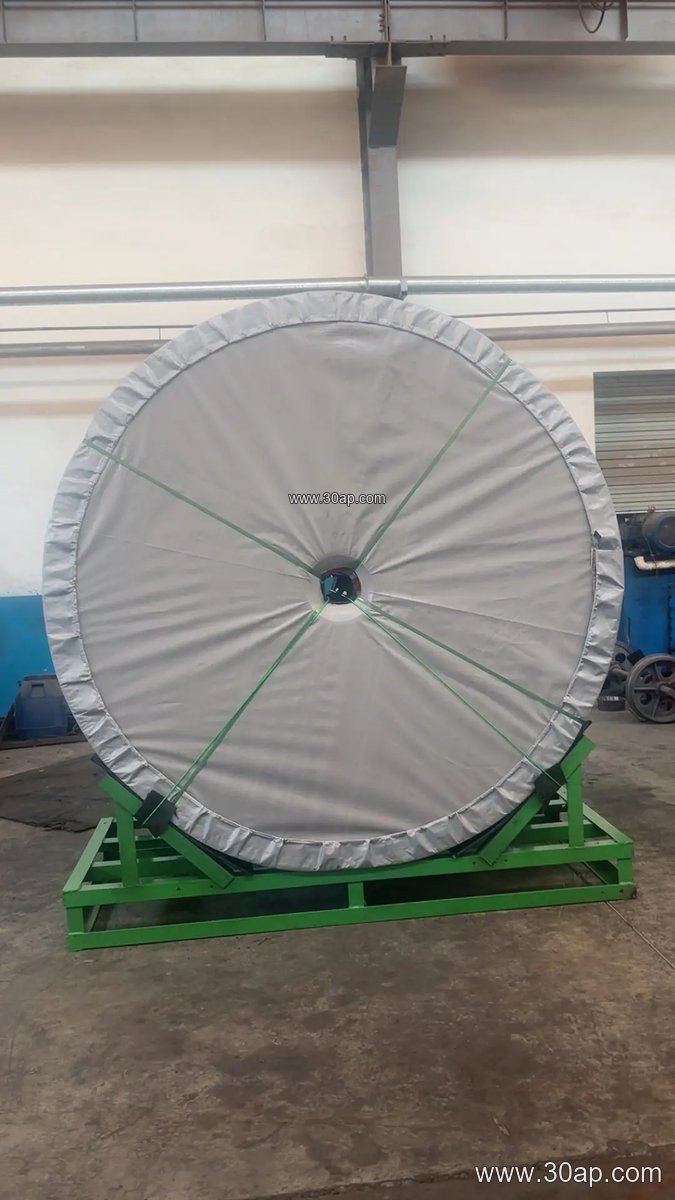
The EP800 Conveyor Belt is a fabric-core rubber belt built around polyester warp and nylon weft plies, commonly called an EP fabric core. The number 800 refers to the nominal tensile strength of the carcass, expressed in newtons per millimeter of belt width. In practical terms it sits in the middle-upper range of the EP family, above EP630 and below EP1000, which makes it a frequent choice for main haulage lines where a single light belt would be overstressed but steel cord reinforcement is not yet justified. Buyers often encounter it described as an EP800 rubber conveyor belt or an EP fabric core belt; these names point to the same product.
The carcass does not work alone. Rubber covers protect the plies from abrasion, moisture and impact, while the bond between plies and covers governs how long the belt survives at a transfer point. An EP800 belt can be supplied as an abrasion resistant conveyor belt for sand and stone, as a flame retardant conveyor belt for coal handling, or with heat resistant compounds for clinker and sinter service.
Construction and Typical Parameters
An EP800 belt is usually built with two to six fabric plies depending on the cover thickness and the duty class. Common cover combinations are 4+2 mm, 5+2 mm or 6+2 mm top and bottom, and heavier builds appear in primary crushing circuits. The table below collects reference values that appear in supplier catalogs; confirm the final construction with the belt manufacturer for each project.
- Strength class: EP800, between EP630 and EP1000
- Common widths: B800, B1000, B1200, B1400, B1600
- Cover gauges: 4+2, 5+2, 6+2, 8+3 mm
- Ply count: typically 3 to 5 for EP800
- Surface options: plain, chevron, corrugated sidewall
- Special grades: abrasion resistant, flame retardant, oil resistant, cold resistant
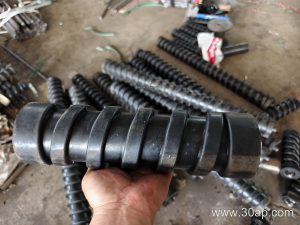
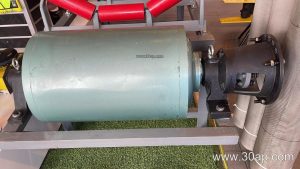
Width and strength are independent of any one pulley. A 1000mm or 1200mm wide EP800 belt can run over different pulley diameters, and the drive pulley, tail pulley and bend pulley are separate components with their own sizing rules. The same applies to the idler roller spacing, which follows the load and sag limits rather than the belt width alone.
Where It Fits in the Plant
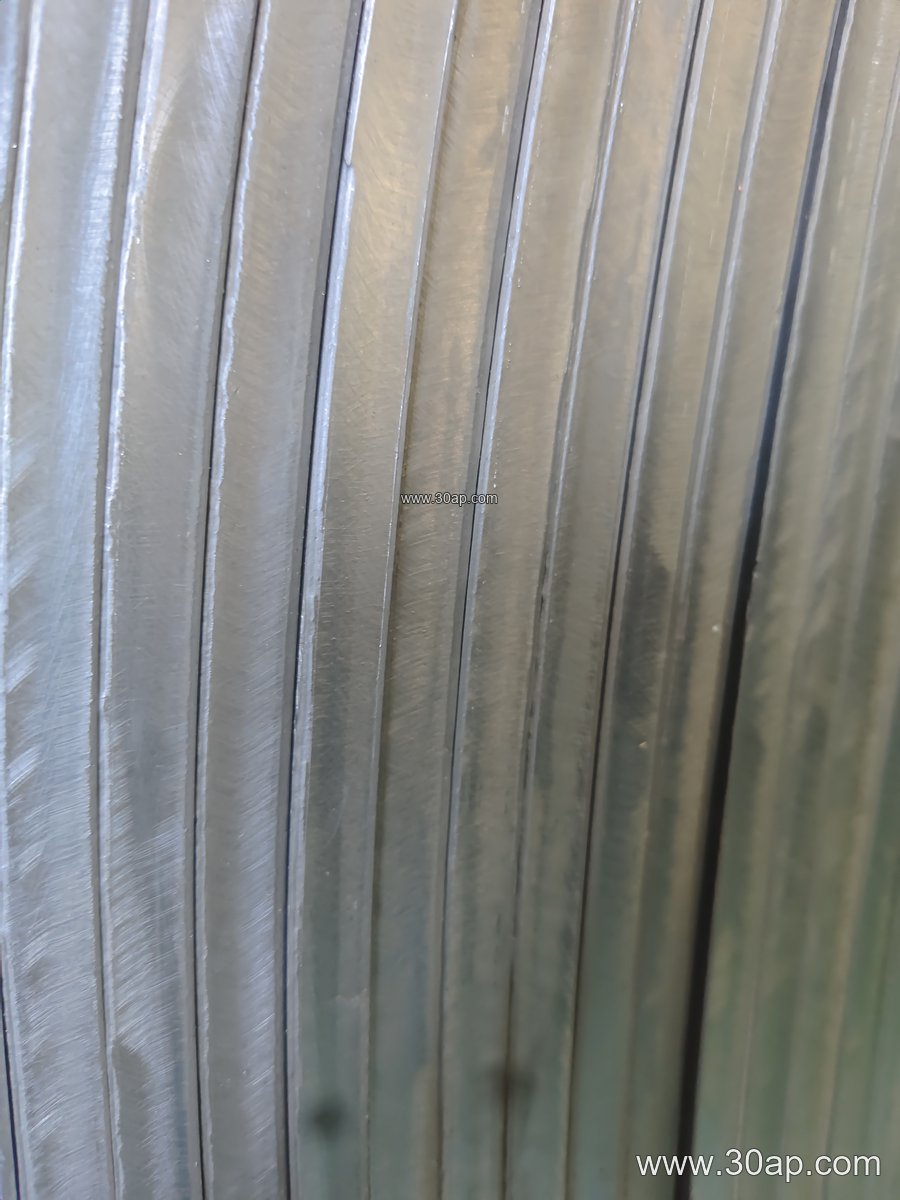
Typical duty for an EP800 belt includes secondary and tertiary crushing lines in a quarry, cement plant raw material transport, power plant coal yards, and ore handling in a concentrator. In underground coal mining, a flame retardant version is common, often combined with anti-static properties. Aggregate plants use it on crusher discharge belts and screening feed belts where sharp rock and repeated impact shorten cover life. Port terminals load bulk material with wider belts, and here an EP800 with a thick top cover may serve on the boom or yard conveyor.
Selection should match the belt to the environment. A wet, oily workshop may call for an oil resistant grade; a cold climate for a cold resistant compound; a dusty coal yard for anti-static and flame retardant behavior. For very long, high-tension routes, a steel cord conveyor belt may be the better answer, while a chevron or corrugated sidewall belt is chosen on inclines where material would otherwise slide back.
Buyer Checklist
Before ordering, confirm the actual belt tension from the conveyor design, because the EP800 rating is a maximum working strength, not a target. Check cover thickness against the material size and drop height, verify the splice method the installer will use, and make sure the pulley and idler roller arrangement suits the belt’s flexibility. Ask for the ply construction and rubber grade in writing, and keep spare belt length for repairs. A correctly specified EP800 belt, matched to its conveyor pulley, idler roller and bracket layout, gives long service in mines, cement works, power stations and sand and gravel yards.