What a Mining Belt Conveyor Pulley Does
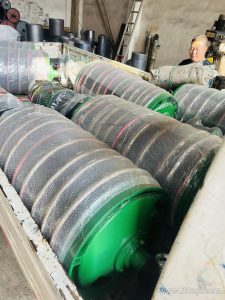
A mining belt conveyor pulley is the cylindrical rotating component that supports and drives the conveyor belt at key points along the system. In hard-rock mines, coal preparation plants, and aggregate crushing circuits, it carries the full tension of a loaded belt while transferring torque from the drive unit or redirecting the belt path. Unlike an idler roller that simply supports the belt between stations, a conveyor pulley is a structural assembly built around a shaft, hub, and shell, and it must withstand continuous shock loading from coarse ore and rock.
The pulley is one of the most stressed parts of the conveyor. Belt tension, material weight, and starting torque all pass through the shell and shaft, so the design must match the duty of the line rather than being treated as a generic accessory.
How the Assembly Is Built
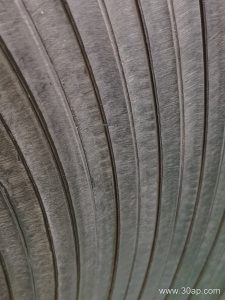
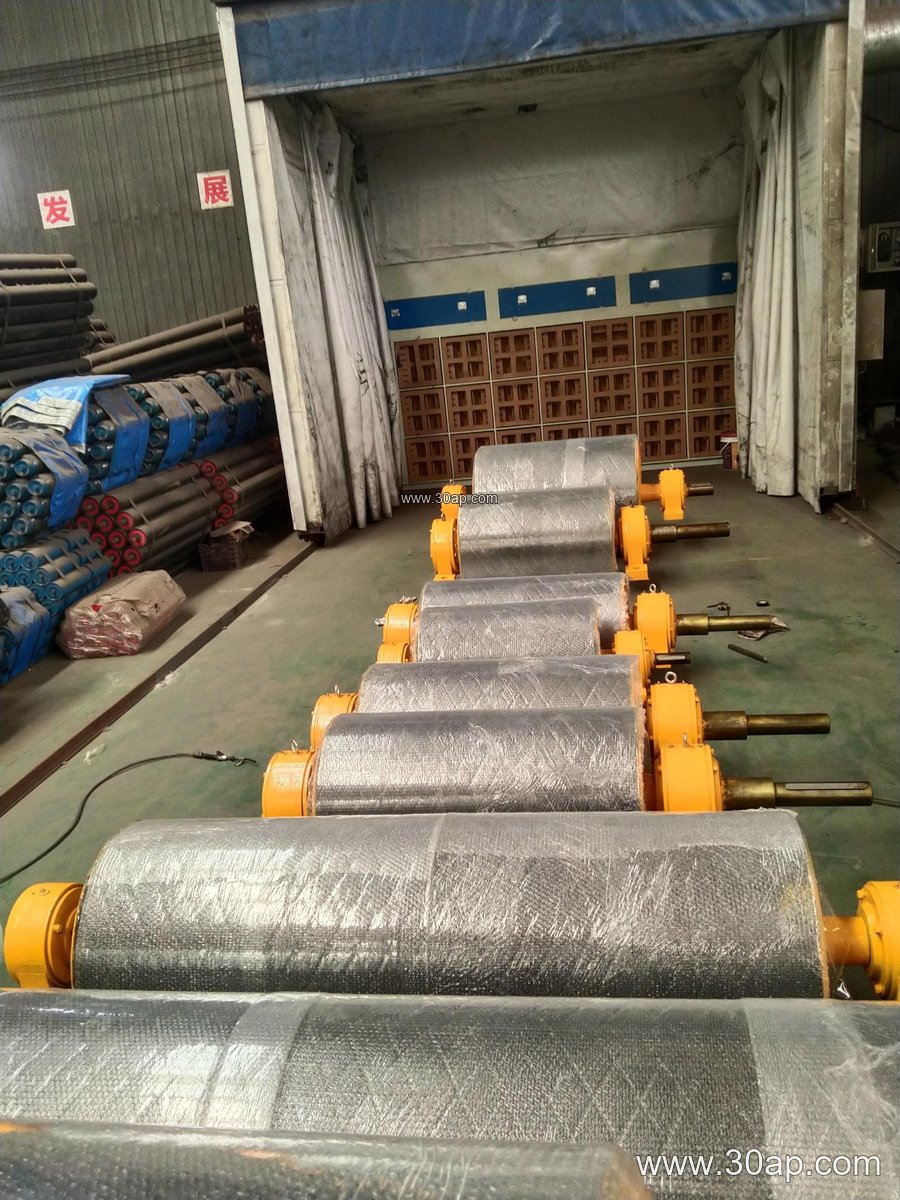
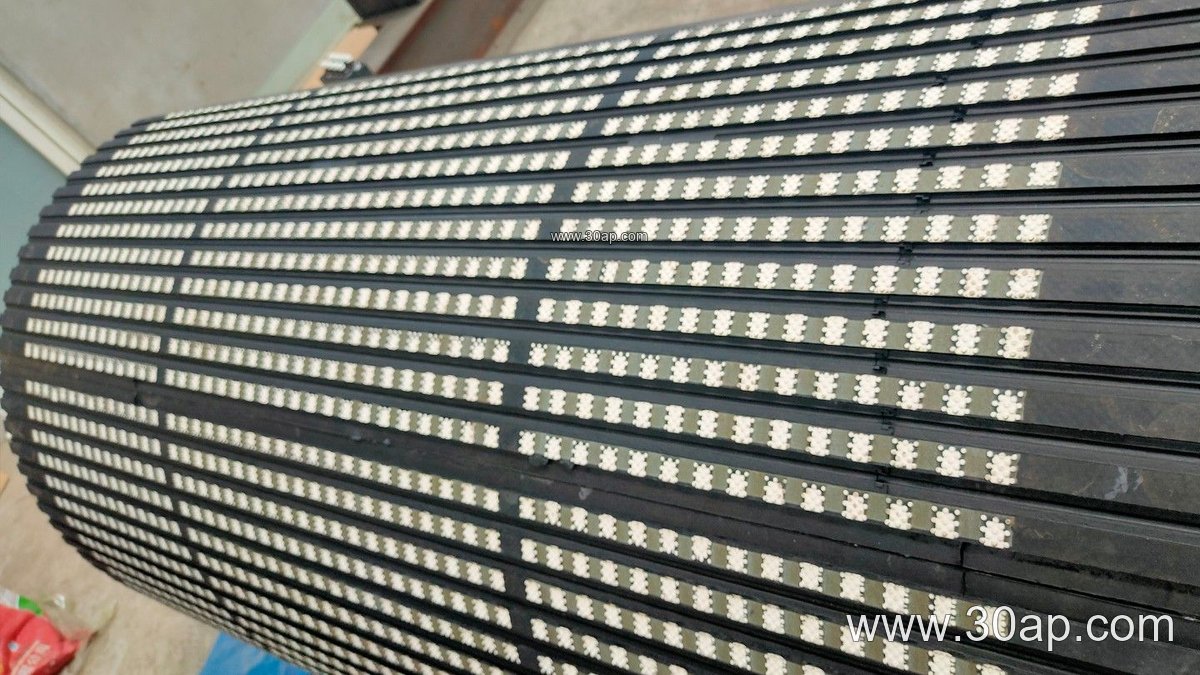
A typical unit combines a rolled steel shell, welded end discs, a through shaft, bearing housings, and a locking arrangement such as a keyless shrink disc. Larger shells often use a crowned profile to help the belt track centrally. Surface protection matters in wet or dusty conditions: plain finish, hot-vulcanized rubber, cold-bonded rubber, diamond grooving, herringbone grooving, or ceramic lagging may be specified. Lagging thickness commonly ranges from 8 mm to 20 mm depending on grip and wear requirements.
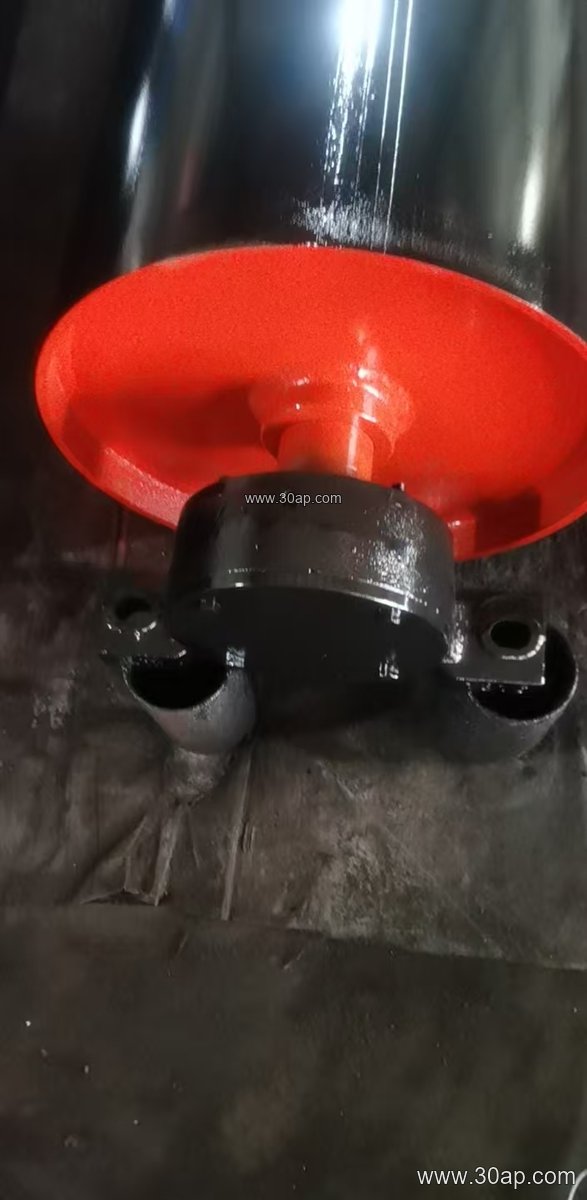
The shell width normally exceeds the belt width so the belt is fully supported. Common reference combinations include B800 x Ø500, B1200 x Ø1000, and B1400 x Ø800, but shaft diameter is determined by torque and load, not by belt width alone. A 1200 mm wide belt may run with different pulley diameters across different conveyor sections, and no single pairing should be assumed universal.
Common Diameter and Width References
The table below gives typical reference figures; final values should follow conveyor design calculations.
- Belt width B400 to B650: shell width about 500 to 750 mm, common diameters Ø200 to Ø400
- Belt width B800 to B1000: shell width about 950 to 1150 mm, common diameters Ø315 to Ø630
- Belt width B1200 to B1400: shell width about 1400 to 1600 mm, common diameters Ø500 to Ø1000
- Belt width B1600 to B1800: shell width about 1800 to 2000 mm, common diameters Ø630 to Ø1250
- Belt width B2000 to B2400: shell width about 2200 to 2400 mm, common diameters Ø800 to Ø1600
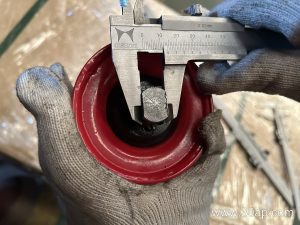
Shaft diameters commonly fall between Ø50 and Ø200 mm. These are reference ranges, not fixed rules.
Where It Fits in the Conveyor Layout
The drive pulley, sometimes called the head pulley at the discharge end, transmits power to the belt and is usually the largest and most heavily lagged unit. The tail pulley at the loading end redirects the returning belt. Bend pulleys and take-up pulleys guide the belt through tensioning zones, while snub pulleys increase wrap angle around the drive. These positions are not interchangeable: each has its own load profile, lagging requirement, and bearing specification. A drive pulley with diamond lagging cannot simply be swapped for a bend pulley with a plain finish.
In a coal handling plant or a cement clinker line, the drive and tail positions set the tone for the whole conveyor, while bend and take-up pulleys handle the returning strand. Matching each pulley to its role keeps belt tracking stable and reduces edge wear on the Mining Conveyor Belt.
Working With the Belt and Support Components
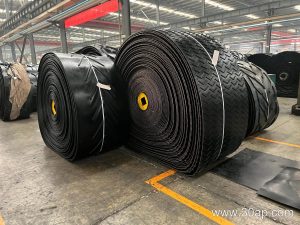
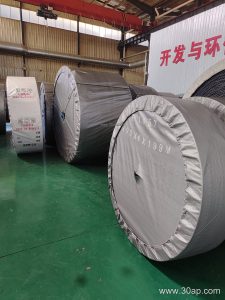
Pulley performance depends on the belt it runs with. A heavy-duty steel cord conveyor belt or a multi-ply fabric core belt behaves differently under tension, so the pulley face, crown, and lagging should suit the belt construction. Abrasion resistant conveyor belt grades used in iron ore or quarry service benefit from ceramic or thick rubber lagging, while flame retardant conveyor belt in underground coal mining demands careful material selection for the pulley surface as well.
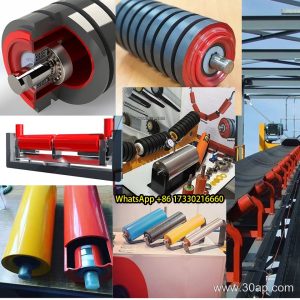
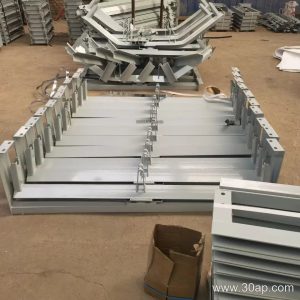
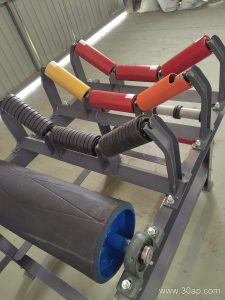
The conveyor belt, idler roller, and conveyor bracket all interact with the pulley. Poorly aligned brackets or worn idlers can cause the belt to ride off-center, which overloads the pulley edges. Regular inspection of lagging wear, bearing temperature, and shaft alignment helps avoid unplanned downtime.
Buyer Checklist
- Confirm the pulley position: drive, tail, bend, take-up, or snub.
- Provide belt width, belt type, and expected tension to the supplier.
- State the material handled, such as coal, limestone, ore, or clinker, and whether conditions are wet, dusty, or corrosive.
- Specify lagging type and thickness, bearing type, and shaft locking method.
- Ask for the crown profile and shell width relative to the belt.
- Verify that shaft diameter is calculated from torque and load.
For mining and quarry operators, a correctly specified Mining Belt Conveyor Pulley is a long-life investment. Matching it to the conveyor belt, idler roller, and conveyor bracket layout keeps the whole system running smoothly and reduces maintenance costs over the life of the line.