What a Conveyor Pulley Does
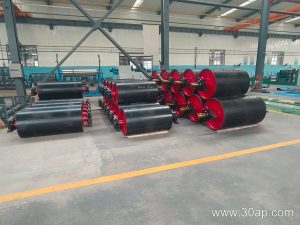
A conveyor pulley is the cylindrical component that drives, tensions, or redirects a conveyor belt. Unlike a carrying idler roller, which supports the belt along its run, the pulley transmits power or changes belt direction at key points on the conveyor. In a typical bulk handling line, you will find one at the head (drive), one at the tail (tension), and several along the return side for snubbing or bend duties. Each position demands a different design, and treating drive, tail, and bend pulleys as interchangeable is a common source of premature belt wear and tracking problems.
Construction and Surface Options
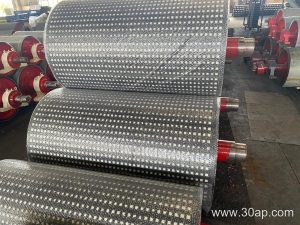
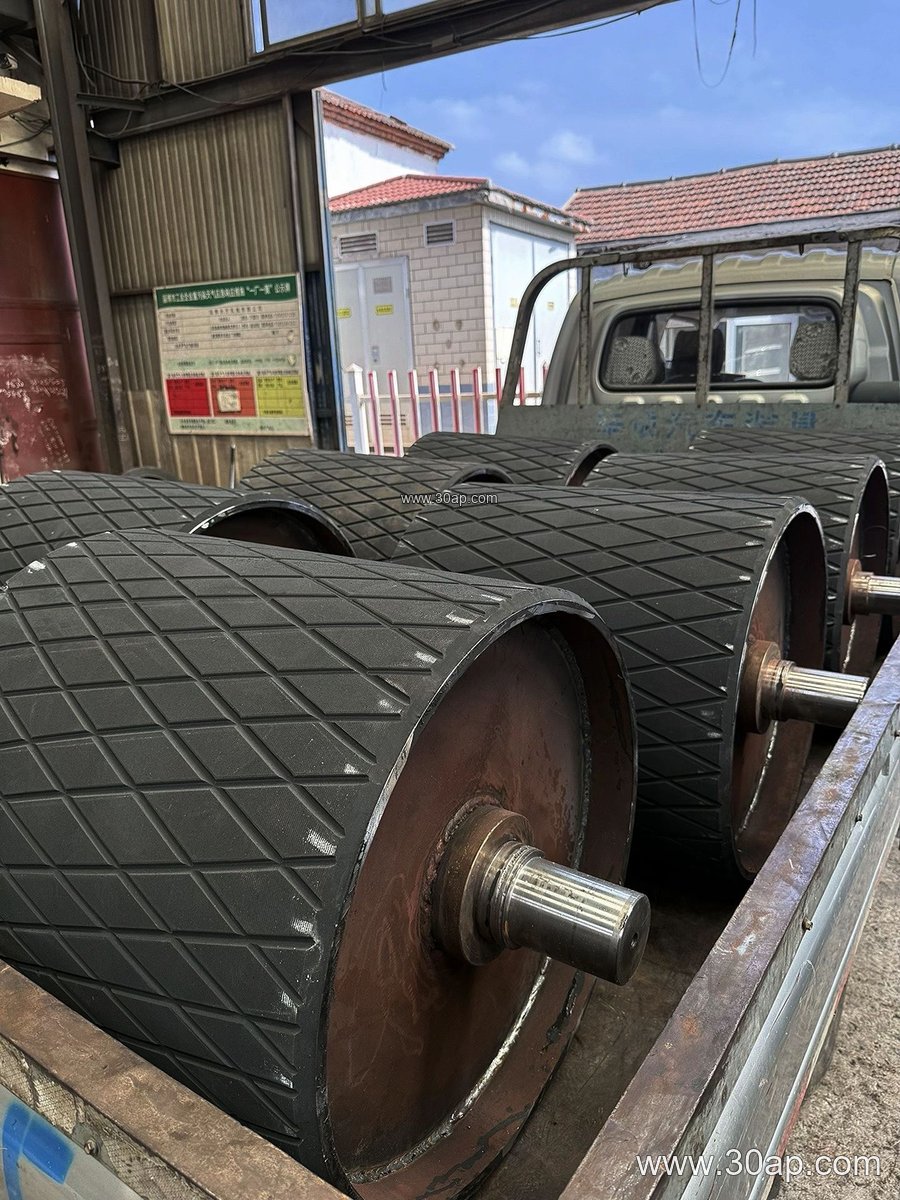
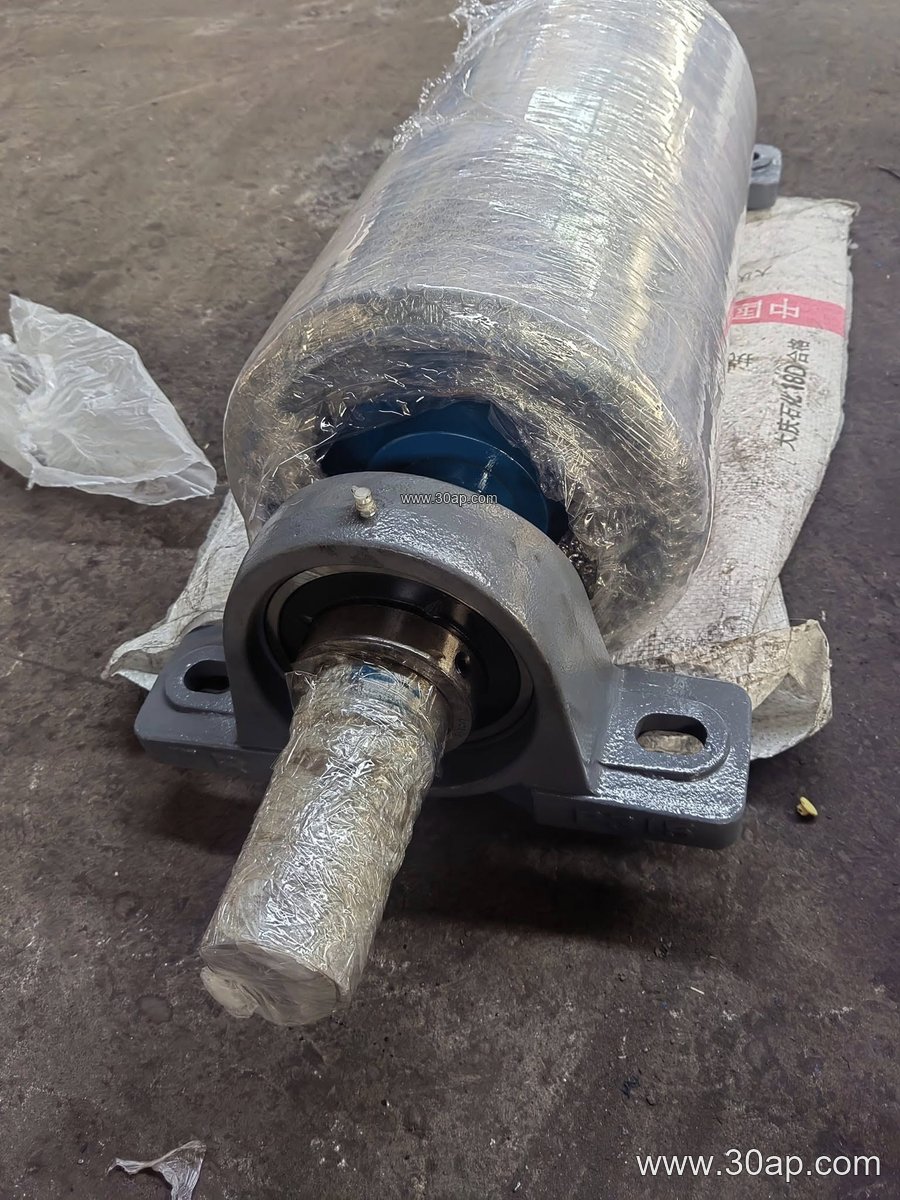
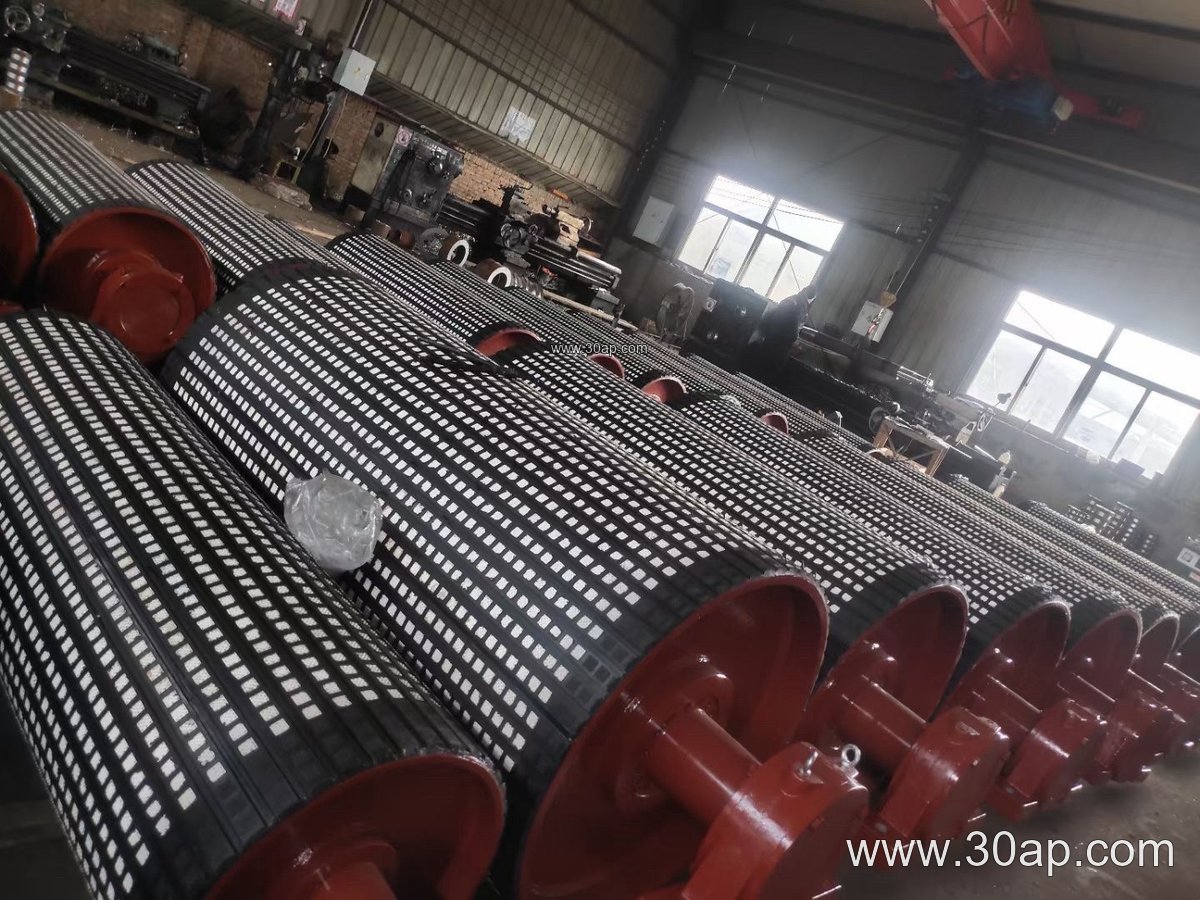
The core is usually a steel shell with welded end discs and a shaft, balanced for the running speed. Surface treatment matters as much as shell thickness. Plain finish suits light duty and reversing belts; rubber lagging improves grip on the drive pulley, while ceramic or grooved lagging helps in wet or muddy conditions. Common lagging thicknesses are 8, 10, 12, 15, and 20 mm, applied by cold bonding or hot vulcanizing. For a quarry conveyor belt handling abrasive rock, diamond or herringbone lagging can extend service life; for a coal mining conveyor belt, flame retardant lagging and anti-static properties are often requested. The pulley works together with the conveyor belt, idler roller, and conveyor bracket to keep the whole system aligned.
Typical Reference Dimensions
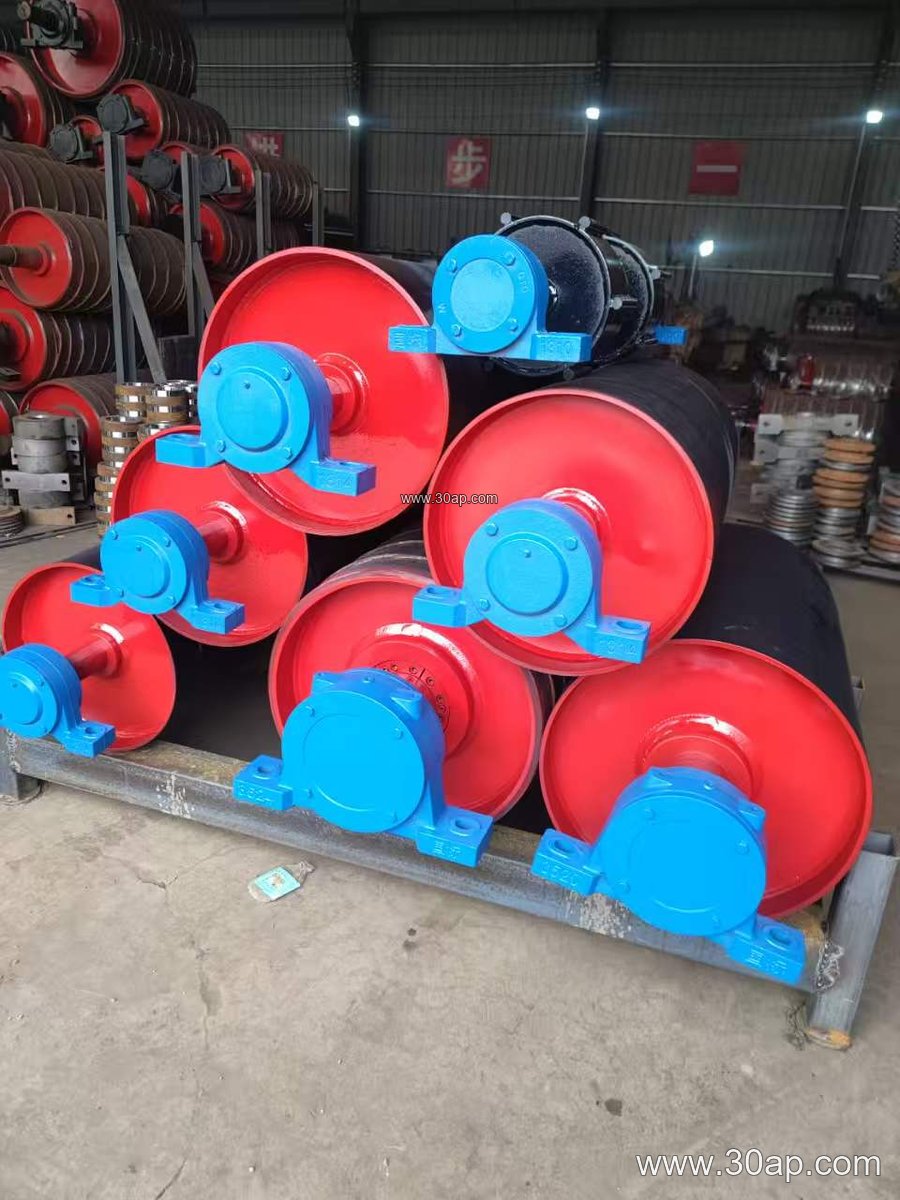
These values are common references, not fixed rules. Diameter and shaft size are determined by torque, belt tension, and load, not by belt width alone.
| Belt Width | Common Pulley Face Width | Example Diameter Range |
|---|---|---|
| B500 | approx. 600 mm | Ø250–Ø400 |
| B800 | approx. 950 mm | Ø400–Ø630 |
| B1000 | approx. 1150 mm | Ø500–Ø800 |
| B1200 | approx. 1400 mm | Ø630–Ø1000 |
| B1400 | approx. 1600 mm | Ø800–Ø1250 |
| B1600 | approx. 1800 mm | Ø1000–Ø1400 |
Shaft diameters commonly range from Ø50 to Ø200 mm depending on calculated torque. A B1200 × Ø1000 drive pulley and a B800 × Ø500 tail pulley are both realistic combinations, but the final pairing should come from the conveyor designer.
Where It Is Used
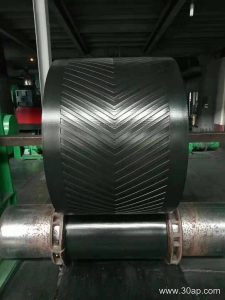
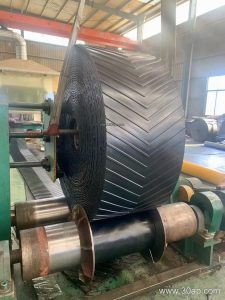
In a limestone quarry, the head pulley drives a long overland belt while a bend pulley keeps the return strand clear of the structure. In a coal washing plant, lagged drive pulleys handle wet, fine material and must resist slipping. Cement plants use pulleys on clinker and raw meal lines where heat and dust are present, so heat resistant conveyor belt grades and well-sealed bearings are chosen. Power plant coal yards and port bulk terminals rely on large-diameter pulleys to reduce belt bending stress at high tension. The same component appears in aggregate lines, crusher discharge conveyors, and tunnel spoil removal, always matched to the belt type—whether EP conveyor belt, steel cord conveyor belt, or a chevron conveyor belt for inclined sections.
What Buyers Should Check
- Position and duty: Confirm whether the pulley is a drive, tail, bend, or take-up unit; each has different load and lagging needs.
- Belt compatibility: Match pulley diameter to belt thickness and minimum bend radius; a thick steel cord conveyor belt needs a larger diameter than a thin fabric core belt.
- Lagging: Choose plain, rubber, diamond, or ceramic based on grip, abrasion, and moisture. Specify thickness rather than assuming a standard.
- Shaft and bearings: Shaft size follows torque and load; bearing selection should suit the conveyor bracket and expected misalignment.
- Balance and runout: Poor balance causes vibration and belt tracking issues, especially on high-speed lines.
- Maintenance access: Plan for lagging wear inspection and bearing lubrication; keep spare lagging sheets and fasteners on hand.
Regular inspection of lagging wear, shell cracks, and bearing condition prevents unplanned stops. When replacing a pulley, record the original diameter, face width, shaft size, and lagging type so the new unit fits the existing conveyor bracket and belt path. A well-specified conveyor pulley is a long-life investment that protects the belt and keeps material moving from the quarry face to the stockpile.