What a Coal Conveyor Idler Does on the Line
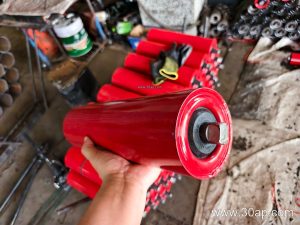
A coal conveyor idler is the rotating roller assembly that supports the loaded belt between the head and tail of a conveying system. On a coal mining conveyor belt, these rollers carry the weight of the material, hold the belt in its trough shape, and keep friction low so the drive can move tonnage efficiently. The idler roller itself is a simple component, but its condition affects belt life, energy draw, and spillage along the whole route.
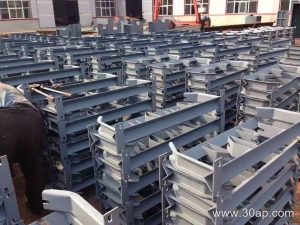
In a typical frame, a set of idlers is mounted on a conveyor bracket or stand, spaced at intervals along the structure. The carrying side usually uses three-roll troughing sets, while the return side uses flat or V-shaped rollers that support the empty belt.
Construction Details That Matter Underground and Above Ground
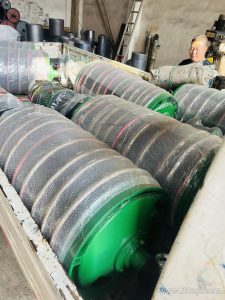
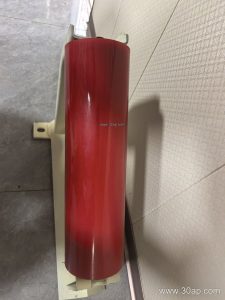
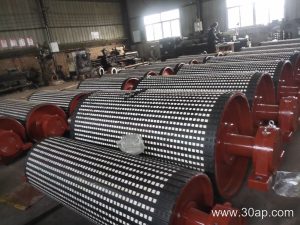
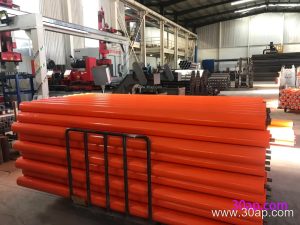
A coal conveyor idler generally consists of a steel tube shell, a shaft, bearing housings, and a sealing arrangement. Roller surfaces may be plain steel, nylon, ceramic, or rubber rings. Rubber disc rollers are often chosen at transfer points to absorb impact from lump coal, while ceramic or nylon surfaces can help where sticky fines build up.
Sealing is critical in coal handling. Dust and moisture attack bearings quickly, so good labyrinth seals and grease retention extend service life. Common bearing references include 6204, 6205, 6305, 6306, 6308, and 6310, matched to the roller diameter and load duty rather than to belt width alone.
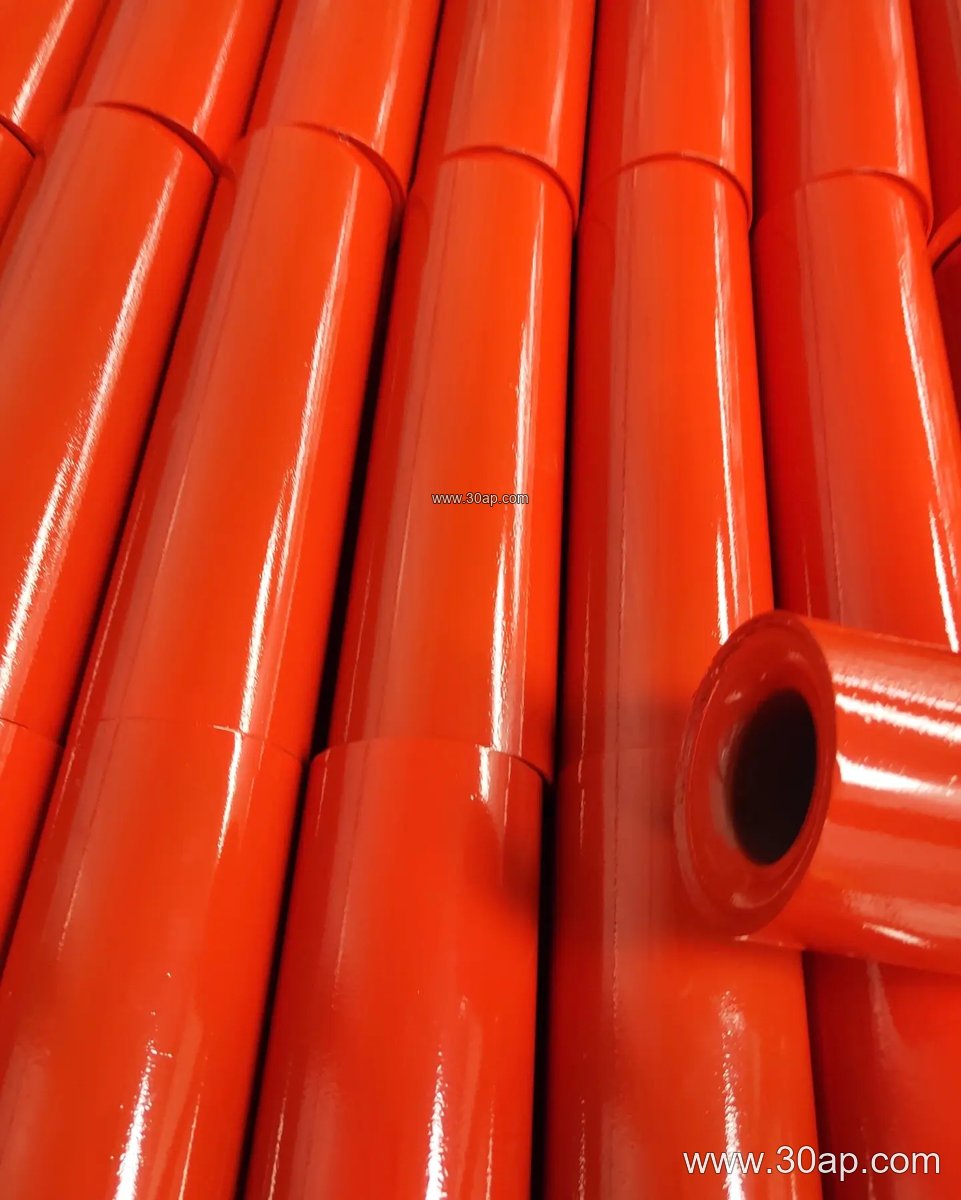
Common Roller Diameters
Roller diameter is selected with belt speed and load in mind. Typical sizes include Ø63, Ø76, Ø89, Ø102, Ø108, Ø127, Ø133, Ø159, Ø178, Ø194, and Ø219 mm. Larger diameters are often used on high-tonnage main lines, while smaller rollers suit lighter or narrow belts.
Trough Angles and Roll Length
Troughing angles of 20, 30, 35, and 45 degrees are common. A deeper trough holds more material and reduces spillage, but it also increases belt stress at the edges. Roll length changes with belt width, trough angle, and roll arrangement. The table below gives common examples for three-roll troughing sets, not fixed rules.
| Belt Width | Typical Roll Length (three-roll troughing) |
|---|---|
| B500 | about 200 mm |
| B650 | about 250 mm |
| B800 | about 315 mm |
| B1000 | about 380 mm |
| B1200 | about 465 mm |
| B1400 | about 530 mm |
| B1600 | about 600 mm |
| B1800 | about 670 mm |
| B2000 | about 750 mm |
Side rollers and center rollers can differ in length, and an impact idler set may use a different arrangement entirely. Always confirm dimensions against the conveyor design.
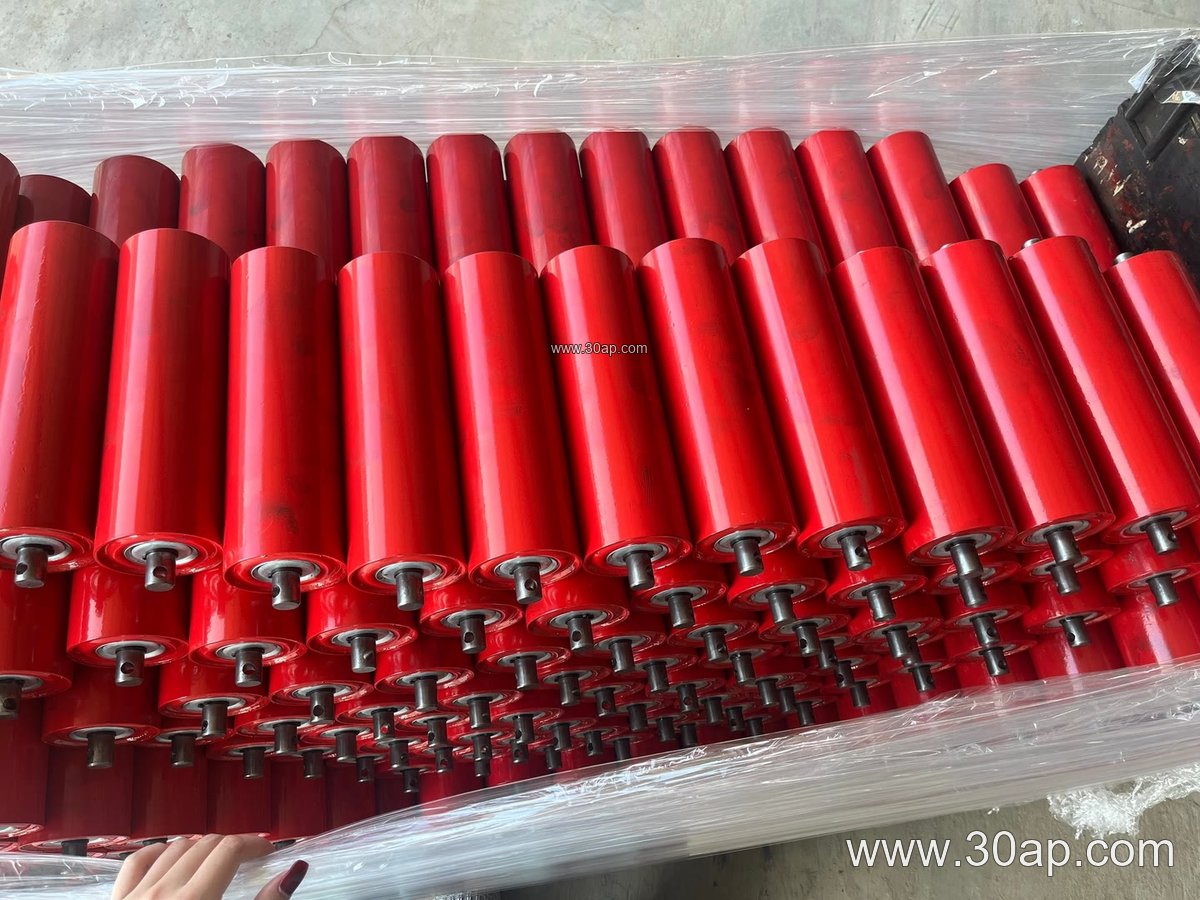
Where Coal Conveyor Idlers Are Used
These rollers appear in coal washing plants and in power plant coal handling systems where a flame retardant conveyor belt or fire resistant conveyor belt is specified for safety. They also serve in cement plants, quarries, and port loading lines that move bulk material conveyor belt loads at high capacity.
On a long overland route, idler spacing and roll quality affect the power needed to turn the belt. Poorly sealed or worn rollers drag on a heavy-duty mining conveyor belt and can lead to belt tracking problems. In dusty transfer houses, self-aligning or training idlers help correct wander before the belt rubs the structure.
For more on matching rollers with belting and frames, see the selection notes at https://www.jszyconveyorbelt.com/coal-conveyor-idler and the roller range at https://www.jszyconveyorbelt.com/idler-roller.
Buyer Checklist Before Ordering
- Confirm belt width, trough angle, and whether the set is two-roll or three-roll.
- State the roller diameter and shaft ends required by the existing brackets.
- Describe the duty: raw coal, washed coal, or abrasive spoil, and whether impact or sealing protection is needed.
- Check bearing size and sealing type rather than assuming one bearing fits every roller.
- Ask for roller length drawings for side and center rolls separately.
A coal conveyor idler is a small part of the total system, but specifying it correctly keeps the belt running straight, reduces downtime, and protects the conveyor pulley and belt from unnecessary wear. Buyers who compare diameters, seals, and mounting details carefully usually get longer service from every roller on the line. Related equipment such as the conveyor pulley and conveyor bracket should be reviewed at the same time so the whole station fits together.