What a Belt Conveyor Bend Pulley Does
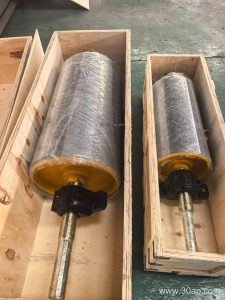
A belt conveyor bend pulley is a direction-changing roller that guides the conveyor belt through a turn without driving it or setting the belt tension on its own. In a long overland or in-plant conveyor, the belt often has to wrap around several of these pulleys to follow the structure, reach a take-up, or return to the tail. The bend pulley keeps that path smooth, supports the belt at the wrap, and helps maintain a stable contact angle on the pulleys that actually do the work.
Because it does not transmit drive torque, it is often called a snub pulley or deflector pulley in the same installation. It is not a drive pulley and not a tail pulley. Those components carry different loads and are sized for different duties. A bend pulley usually sits between them, redirecting the belt where the layout needs a turn.
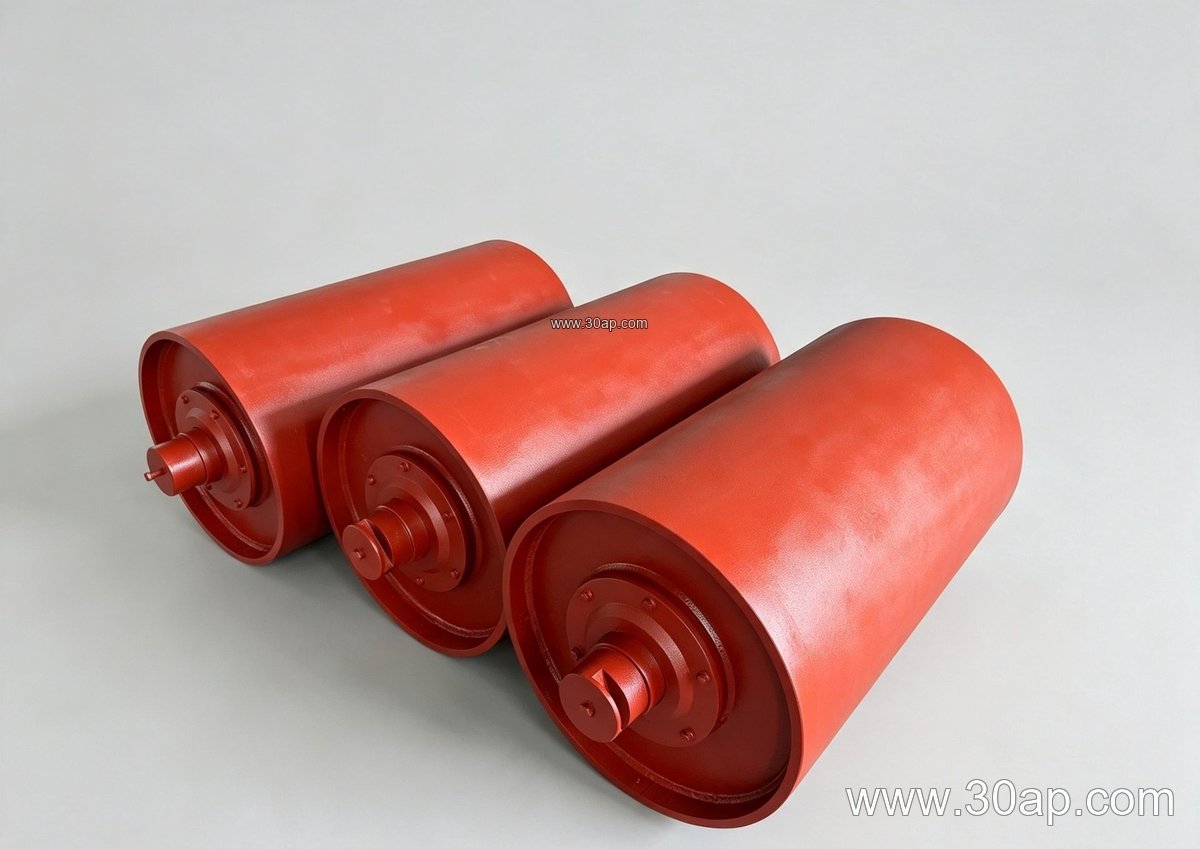
Construction and Surface Options
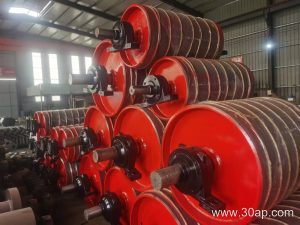
The core is typically a welded steel drum with a machined face, mounted on a through shaft with bearing housings at both ends. Standard sizes include face widths that match common belt widths, so a B800 conveyor usually uses a pulley face around 950 mm, while a B1200 line may take a face near 1400 mm. Diameters commonly range from Ø200 up to Ø1000 or more, depending on belt speed, wrap angle, and the stiffness of the belt.
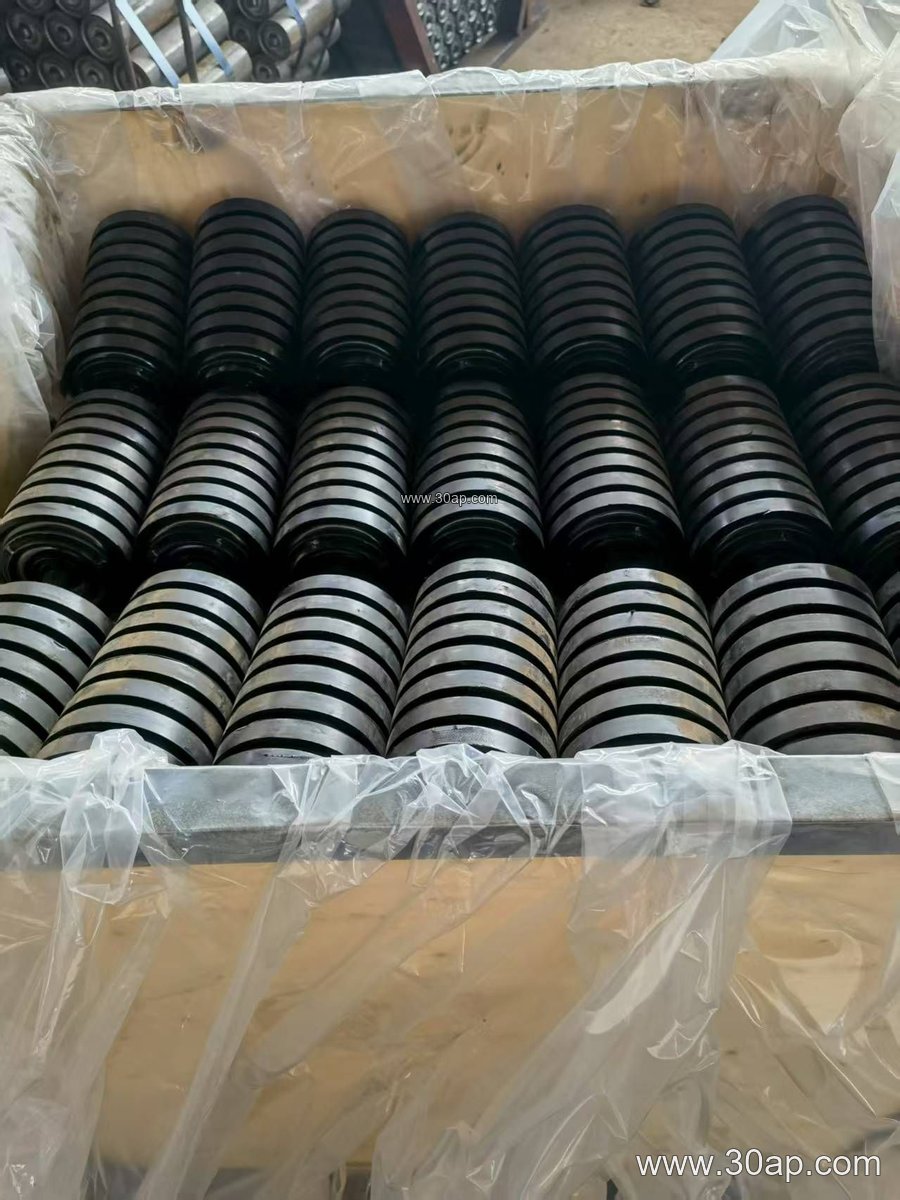
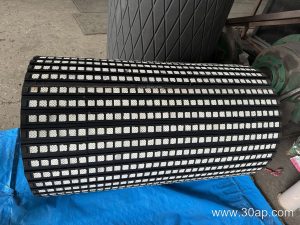
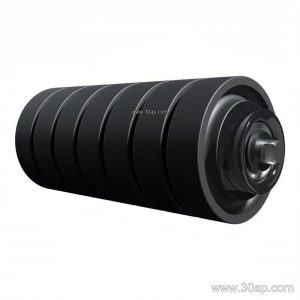
Surface treatment depends on the job. Plain face pulleys suit clean, lightly loaded return-side bends. Rubber lagging, either cold-bonded or hot-vulcanized, improves grip and protects the belt where slippage or wear is a concern. Diamond or herringbone grooving helps shed water and fines, and ceramic lagging is chosen for abrasive service. Lagging thickness is often 8, 10, 12, 15, or 20 mm, selected by the duty rather than by belt width alone.
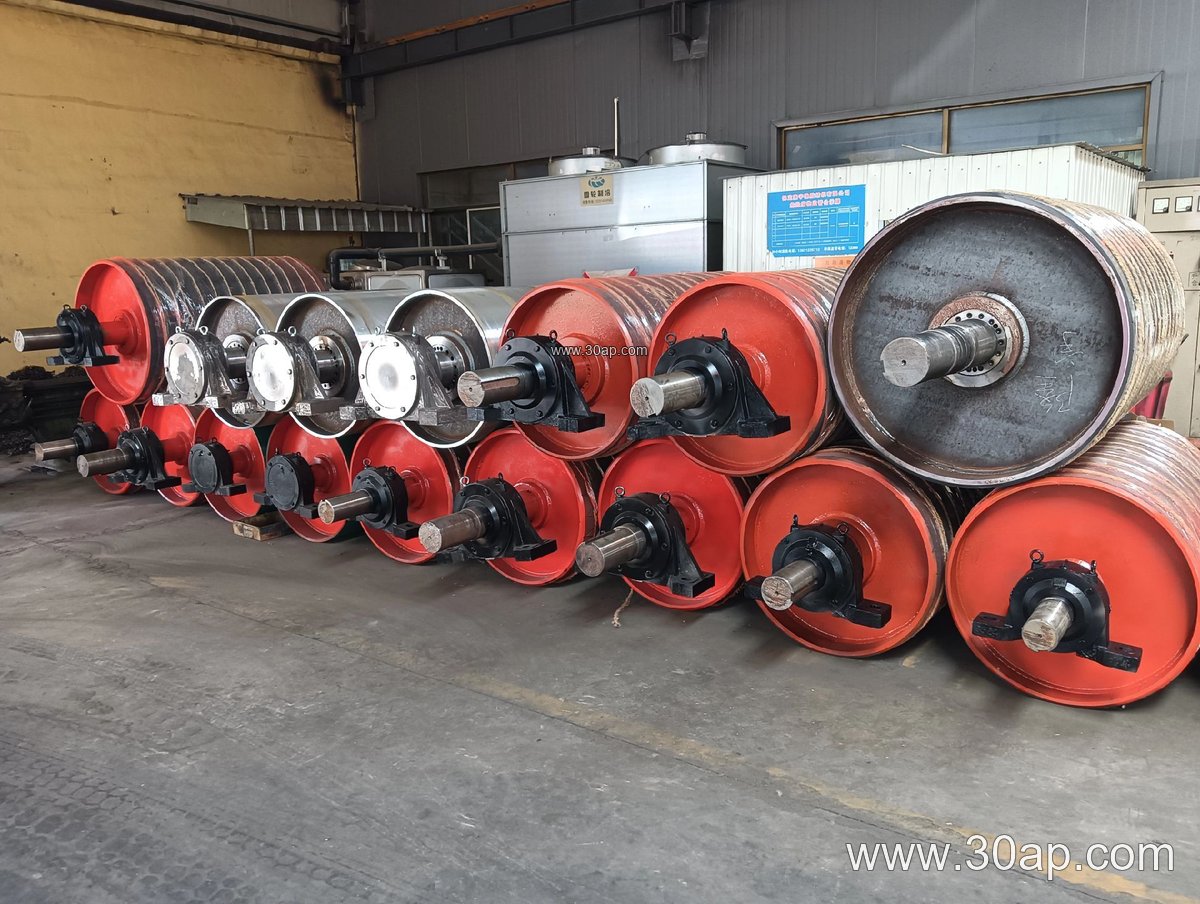
- Common diameters: Ø200, Ø250, Ø315, Ø400, Ø500, Ø630, Ø800, Ø1000
- Common face widths: B500 to B2000 series, face usually wider than the belt
- Common shaft sizes: Ø50 to Ø200, set by torque and bearing load
- Surface types: plain, rubber lagged, diamond, herringbone, ceramic
Where It Fits in the Line
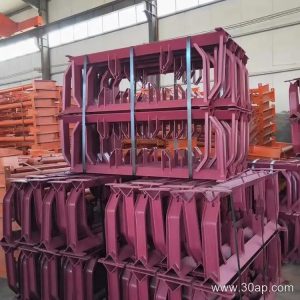
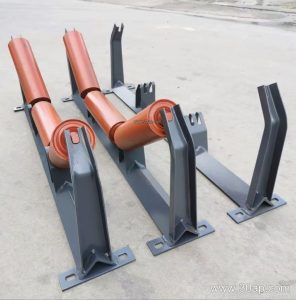
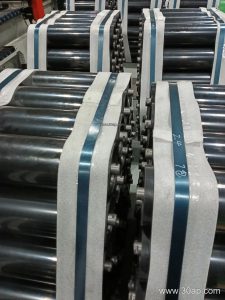
In a quarry or aggregate plant, a bend pulley may redirect the return strand under a screen house or around a transfer tower. In a coal mining conveyor or a power plant coal handling system, it can help route the belt around a take-up frame. Cement plants use them on clinker and raw meal lines where space is tight. The same component appears in port bulk terminals, steel plants, and sand and gravel operations, often paired with conveyor brackets and idler rollers on the same frame.
Its role changes with location. A bend pulley near the head may increase wrap on the drive pulley, while one near the take-up guides the belt into the tensioning carriage. Each position calls for a different check on load, alignment, and access for maintenance.
Selection Notes for Buyers
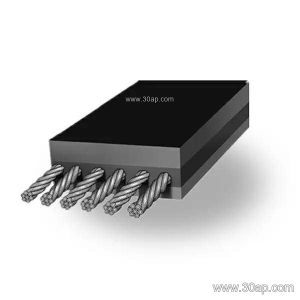
Start with the belt. A heavy steel cord conveyor belt or a thick multi-ply fabric core belt needs a larger bend pulley diameter than a thin EP conveyor belt on a short run, because bending stiffness affects belt life. Abrasion resistant conveyor belts and heat resistant conveyor belts also influence lagging choice. If the belt carries hot clinker or sinter, heat-resistant lagging matters more than extra grip.
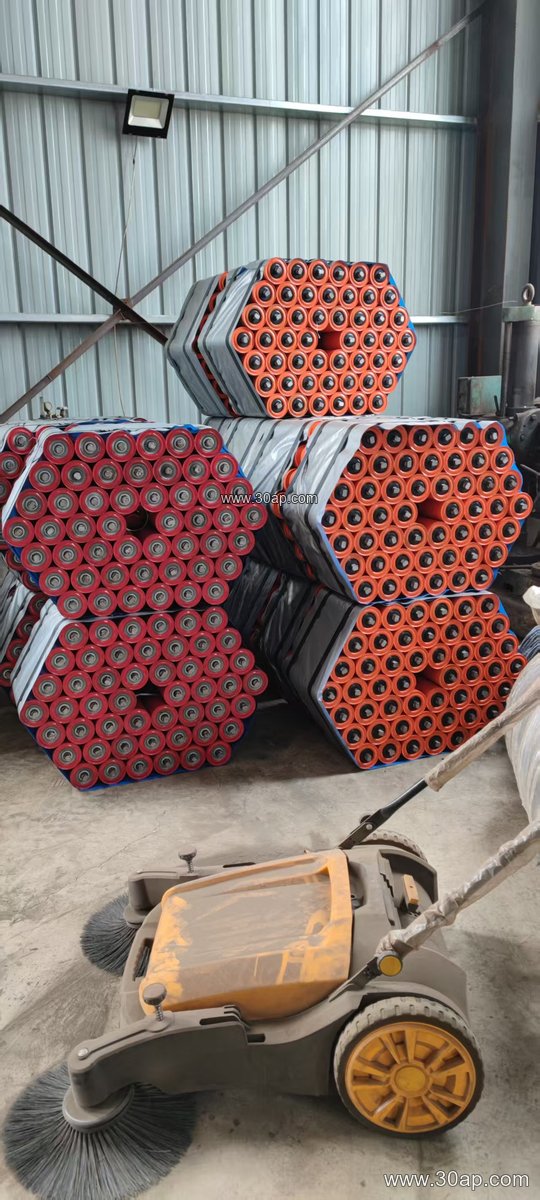
Confirm the belt width, the required wrap angle, the shaft load, and the bearing type before ordering. Do not assume a fixed shaft diameter from belt width alone; shaft size follows torque and radial load. Also check that the pulley face is wide enough for belt tracking, and that lagging grooves match the material being carried. For a coal mining conveyor belt, flame retardant properties of the belt and the pulley’s non-sparking environment are worth discussing with the supplier.
Installation and Maintenance Basics
Align the bend pulley square to the belt centerline, check bearing clearances, and confirm that the belt runs without edge contact. Inspect lagging for wear, glazing, or missing grooves at each shutdown. Keep the pulley face clean, especially in dusty aggregate or cement service. A well-aligned bend pulley reduces belt mistracking and extends the life of the conveyor belt, idler roller, and pulley assemblies around it.