What a Recycling Conveyor Belt Does on a Sorting Line
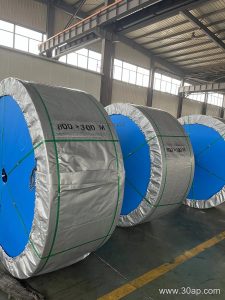
A recycling conveyor belt moves mixed and sorted material between shredders, screens, magnetic separators, eddy current units, and balers. The duty is rarely gentle. Material arrives in irregular lumps, sharp edges, wet film, glass fragments, and metal offcuts, so the belt must resist cutting, impact, and abrasion while tracking reliably on a frame that may be long, inclined, or curved. In many plants the belt is the component that sets the pace of the whole line, and a poorly specified cover or carcass can stop sorting for hours.
The same belt family appears under different names depending on the plant. A quarry or aggregate site may call it a bulk material conveyor belt, while a demolition waste yard may simply call it a heavy-duty belt. The working principle is unchanged: a continuous loop of rubber or PVC carries the load over idler rollers supported by a steel frame, driven by a head pulley and returned by a tail pulley.
Construction and Material Options
Most recycling belts use a fabric carcass or a steel cord carcass, finished with top and bottom rubber covers. Fabric types include EP conveyor belt (polyester warp, nylon weft) and NN conveyor belt (nylon warp and weft). Both offer good flexibility and resistance to fatigue. A multi-ply fabric core conveyor belt, typically 2 to 6 plies, is common where impact and tear resistance matter more than extreme tension. Steel cord conveyor belt is chosen for long runs and high tension, for example on a main transfer line from the tipping floor to the sorting hall.
Cover compound is selected by the dominant wear mechanism. An abrasion resistant conveyor belt suits glass, rubble, and crushed stone. An oil resistant conveyor belt helps where plastic film, used oil, or oily scrap is present. A heat resistant conveyor belt is used after dryers or near hot balers, while a flame retardant conveyor belt and anti-static conveyor belt are specified in enclosed halls and dusty environments. For outdoor yards in cold regions, a cold resistant conveyor belt keeps flexibility at low temperature.
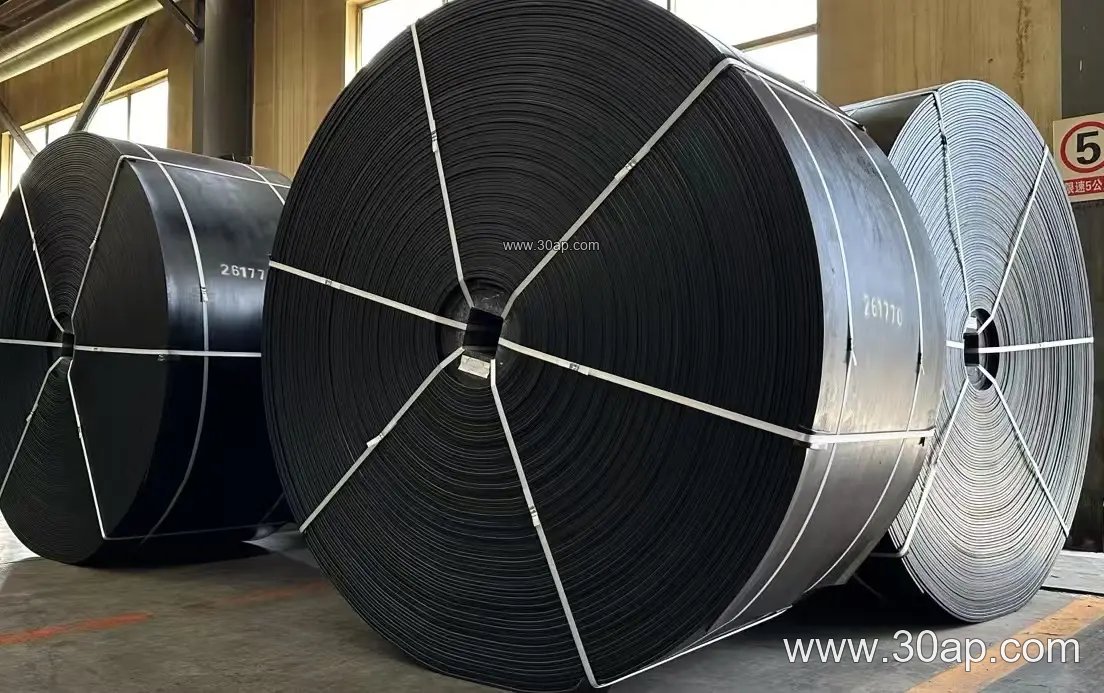
Surface profiles change how material behaves on inclines. A chevron conveyor belt with raised ribs reduces rollback on steep sorting ramps. A corrugated sidewall conveyor belt with cleats and sidewalls handles loose film and light fractions on steep inclines where a flat belt would spill. A pipe conveyor belt encloses the load for dusty or odor-sensitive routes. An endless conveyor belt is supplied joined and ready to install, which shortens downtime on short sorting conveyors.
Typical Specifications and Reference Ranges
Buyers often start from a belt width that matches the existing frame and pulley face. Common widths include B500, B650, B800, B1000, B1200, B1400, B1600, B1800, and B2000. These are reference values, not fixed rules; belt width and pulley diameter are selected together with the drive design rather than as a one-to-one match.
- Fabric carcass grades: EP200, EP315, EP400, EP500, EP630, EP800, EP1000, EP1250, EP1600, EP2000
- Steel cord grades: ST1000, ST1250, ST1600, ST2000, ST2500, ST3150
- Cover thickness examples: 3+1.5 mm, 4+2 mm, 5+2 mm, 6+2 mm, 8+3 mm
- Carcass plies: usually 2 to 6 layers for fabric belts
On a typical EP1000 or EP1250 belt at 1000 mm or 1200 mm width, a 5+2 mm cover is a frequent starting point for mixed waste, while a 6+2 mm or 8+3 mm cover may be preferred where glass and metal content is high. A thick conveyor belt is not automatically better; extra cover thickness adds weight and can reduce troughability on small pulleys.
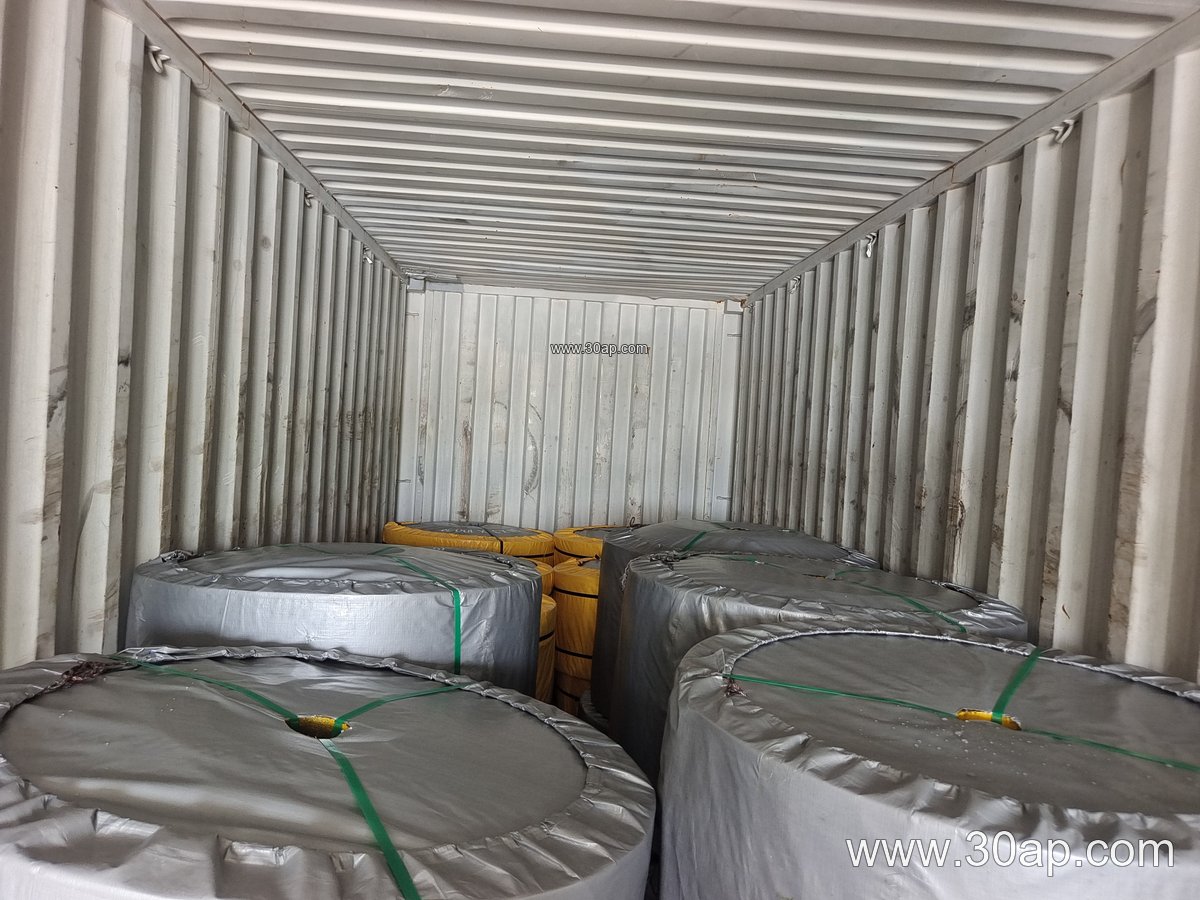
Where These Belts Are Used
Recycling lines share equipment with mining and bulk handling, and the belt selection often borrows from those industries. In a sand and gravel plant, an aggregate conveyor belt or crusher conveyor belt feeds screens and stockpiles. At a port, a ship loading conveyor belt handles recovered paper and scrap. Cement plants use a cement conveyor belt for clinker and additives, while power plants use a power plant conveyor belt for ash and fuel handling. Underground coal mining conveyor belt and PVG conveyor belt are common where flame resistance is required. The recycling version of the same product must still match the local fire and dust rules of the site.
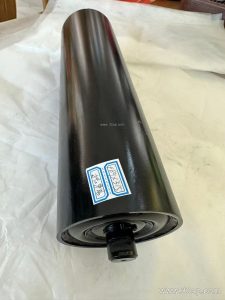
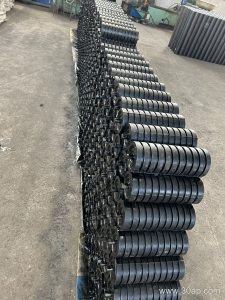
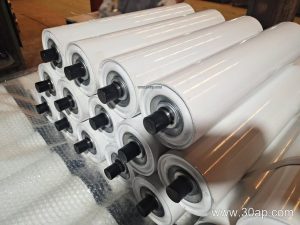
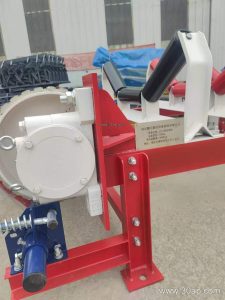
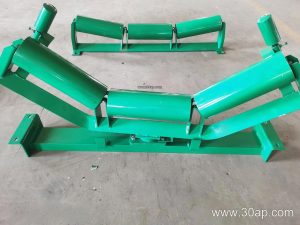
Auxiliary components matter as much as the belt itself. Idler roller spacing, pulley lagging, and conveyor bracket alignment all affect tracking. A worn idler roller can cause edge damage that no cover compound will survive. A conveyor pulley with incorrect crown or lagging will slip, and a misaligned conveyor bracket will pull the belt into the frame.
Buyer Checklist Before Ordering
Ask what the belt will carry, how wet or oily the material is, and whether sharp metal or glass is present. Confirm the pulley diameters and take-up travel, since a thick belt needs more bend allowance. Check whether the line runs indoors or outdoors, and whether fire or anti-static performance is required by the plant’s own safety policy. For inclined sections, compare a chevron belt against a smooth belt with a higher friction cover before choosing a sidewall design. Finally, confirm the joint method, because a vulcanized splice and a mechanical fastener behave differently on small pulleys and short centers.
For more information on matching belts, rollers, and pulleys to a recycling line, visit conveyorbeltmfg.com or check the product pages for conveyor belt, idler roller, and conveyor pulley options.