What an Impact Idler Set Does
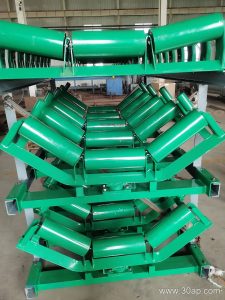
An Impact Idler Set is the group of idler rollers installed directly beneath the point where material falls onto a conveyor belt. Instead of carrying the belt on a smooth, low-friction surface like a standard troughing idler, this set absorbs the energy of falling lumps and distributes it across the belt width. In a quarry, a limestone mine, or a crusher discharge line, the difference between a protected and an unprotected loading zone shows up quickly in belt cover wear and edge damage.
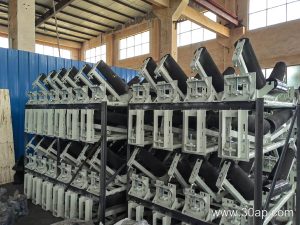
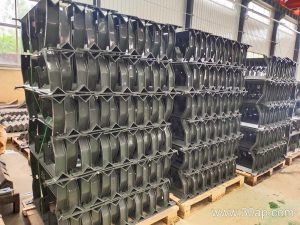
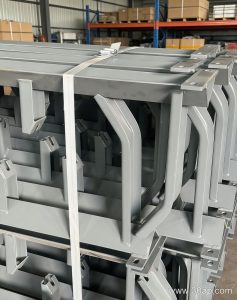
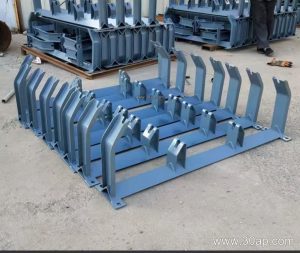
The set is usually built as a three-roll troughing arrangement, sometimes as a two-roll or single-roll group on narrower belts. Its defining feature is the impact-absorbing surface: rubber rings, rubber discs, or a rubber-covered shell mounted on a steel core. The shaft, bearings, and end brackets match the conveyor frame, so the set drops into the same mounting positions as ordinary carrying idlers.
Construction Details That Matter
A typical impact idler roller uses a heavy steel tube with molded rubber rings spaced along its length. The rubber may be solid rings, stacked discs, or a continuous sleeve. Bearing housings are sealed against dust and fines, which is critical in cement plants and coal handling where grit is constant. Common bearing sizes include 6204, 6205, 6305, 6306, 6308, and 6310, selected according to load and roll diameter rather than tied to a single shaft size.
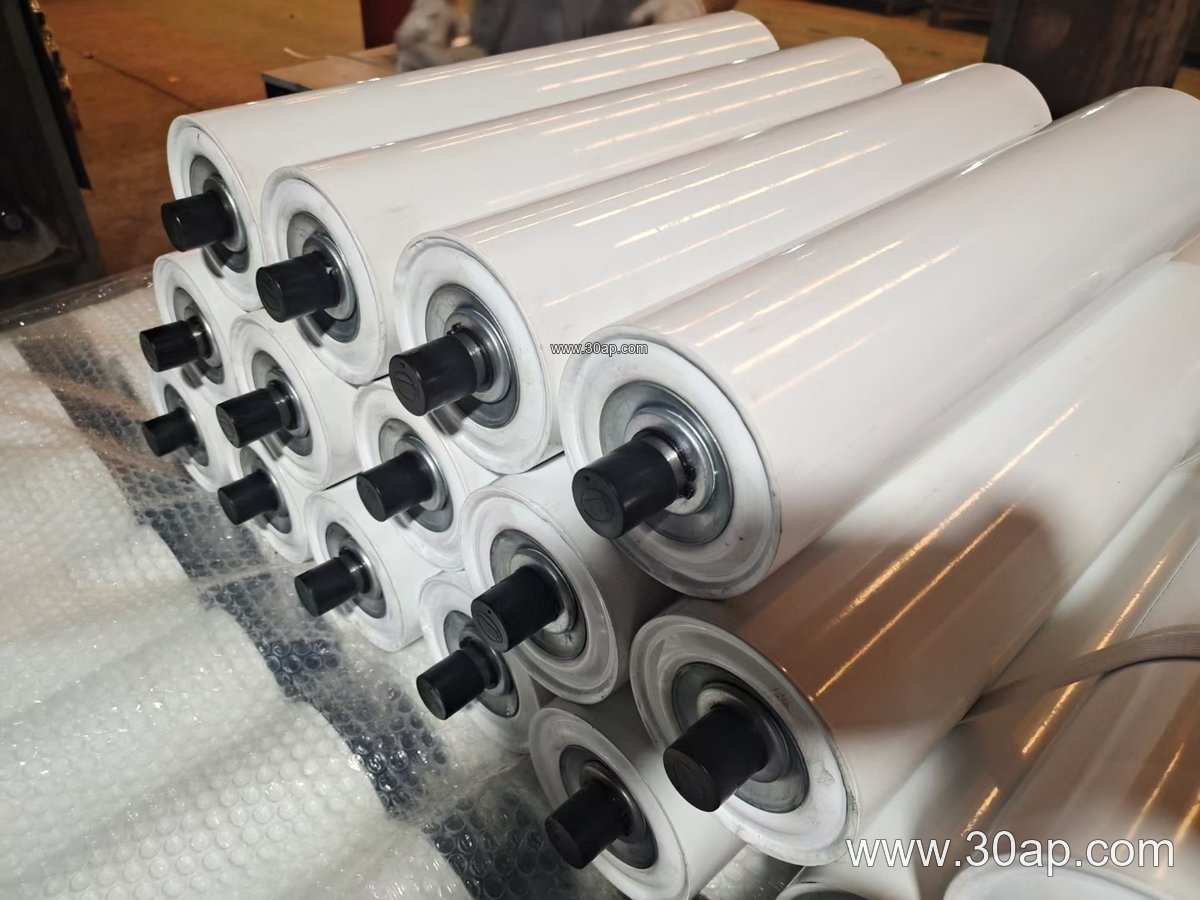
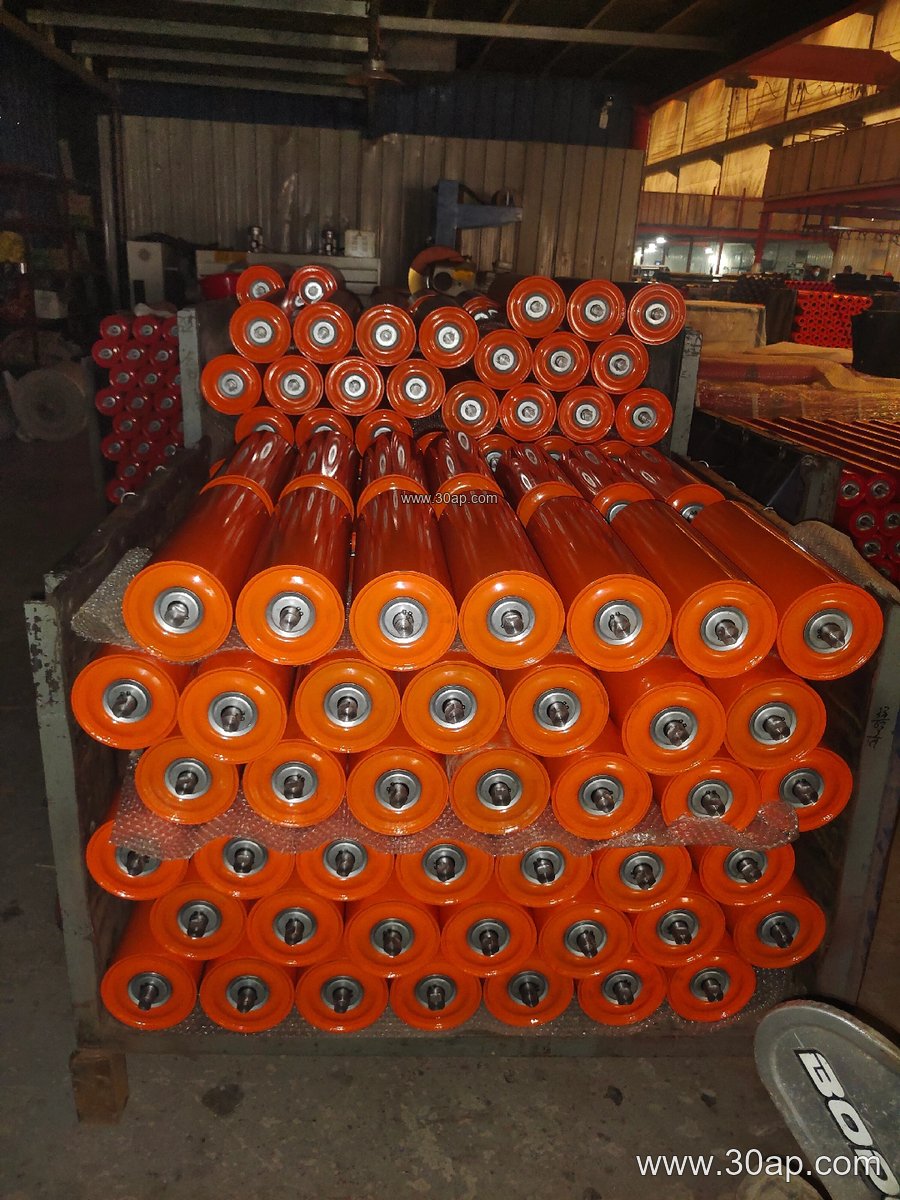
Roll diameters commonly range from Ø63 and Ø76 up to Ø159, Ø178, and Ø194 for heavy loading stations. The shaft diameter follows the calculated load and the bearing chosen, not the belt width alone, so a B800 conveyor is not automatically fitted with one fixed shaft size.
| Parameter | Common Reference Values |
|---|---|
| Roll diameter | Ø89, Ø108, Ø127, Ø133, Ø159, Ø178 |
| Belt width | B500, B650, B800, B1000, B1200, B1400, B1600 |
| Trough angle | 20°, 30°, 35°, 45° |
| Roll surface | Rubber ring, rubber disc, steel tube |
| Bearing | 6205, 6305, 6306, 6308, 6310 |
For a three-roll troughing set, roll length changes with belt width and trough angle. As a common example, B500 may use roughly 200 mm rolls, B800 about 315 mm, B1000 about 380 mm, and B1200 around 465 mm. Side rolls and center rolls can differ, so these figures are reference points for design, not fixed pairings.
Where the Set Belongs on the Conveyor
The loading point is the obvious location, but not the only one. Transfer chutes in aggregate plants, the discharge from a primary crusher, and the feed zone of a ship loader all benefit from impact absorption. In a coal mining conveyor or a power plant coal yard, the set also reduces the chance of belt puncture from foreign objects. Where the conveyed material is abrasive, pairing the set with an abrasion resistant conveyor belt extends service life at the same trouble spot.
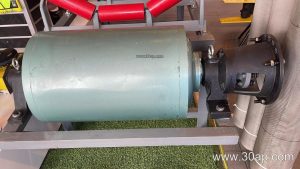
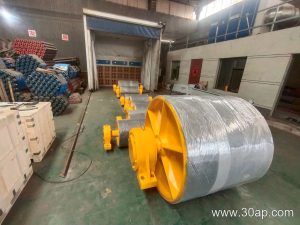
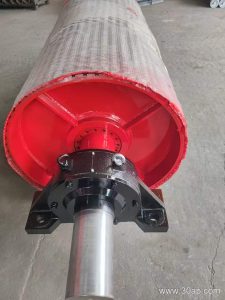
Do not confuse this set with a bend pulley or a drive pulley. Pulleys turn the belt and transmit tension; impact idlers support the belt and cushion the load. A tail pulley at the return end and a drive pulley at the head end serve entirely different functions and are not interchangeable with any idler group.
Choosing the Right Set for a Line
- Match the roll diameter and rubber thickness to the lump size and drop height at the chute.
- Confirm the trough angle, usually 30° or 35°, against the belt’s designed profile.
- Check that the idler roller frame and conveyor bracket spacing fit the existing stringers.
- Select sealed bearings suited to dust and moisture, particularly underground or washdown areas.
- Consider a rubber ring or disc configuration where sticky material could pack between rolls.
Buyers should also ask how the rubber is bonded to the shell, whether the rings are replaceable, and whether the set is supplied with mounting brackets. For a heavy-duty mining conveyor belt carrying ore, a thicker rubber cover and larger roll diameter usually justify the cost. On a lighter aggregate conveyor belt, a standard impact set with moderate rubber thickness is often sufficient.
Maintenance and Belt Protection
Inspect the set for flattened rubber, loose rings, and seized bearings. A worn impact idler stops absorbing energy and starts transferring shock into the belt carcass, which can lead to cover cracking and ply separation. Keep the loading chute aligned so material lands centrally; off-center loading wears one side of the set and trains the belt poorly. Where spillage is heavy, clean the area under the set so fines do not pack around the bearings.
Used together with a properly specified conveyor belt, whether an EP conveyor belt, a steel cord conveyor belt, or a flame retardant conveyor belt for underground service, the Impact Idler Set is a small component with a large effect on loading zone reliability.