What a Heavy-Load Idler Does on a Conveyor
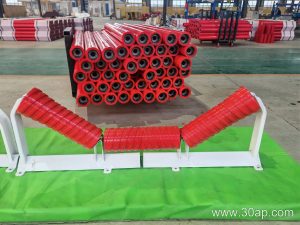
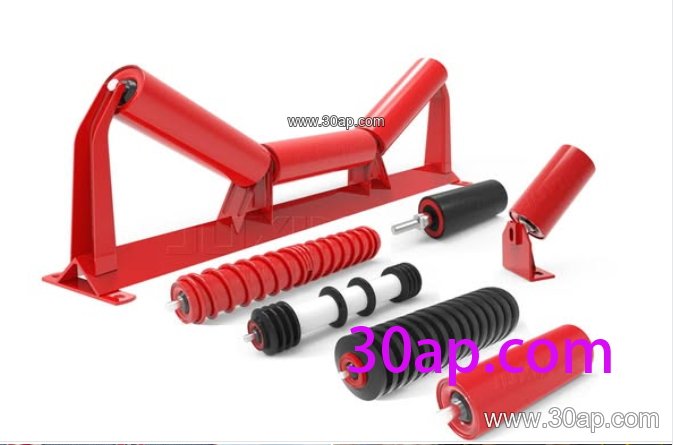
A heavy-load idler is a robust roller assembly designed to support the conveyor belt and its material load in high-capacity, high-abrasion environments. Unlike standard-duty rollers, these units use thicker shells, larger shaft diameters, and reinforced bearing housings to withstand continuous impact and heavy belt tension. In a typical three-roll troughing set, the heavy-load idler forms the carrying side, keeping the belt in a stable trough shape while moving bulk materials such as ore, coal, or aggregate.
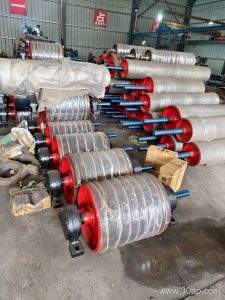
The term is often used interchangeably with heavy-duty idler roller, but it specifically refers to the load-bearing capacity and structural class of the roller, not to a drive or tail pulley. A conveyor pulley at the head or tail end serves a different function and is never a substitute for a heavy-load idler in the carrying run.
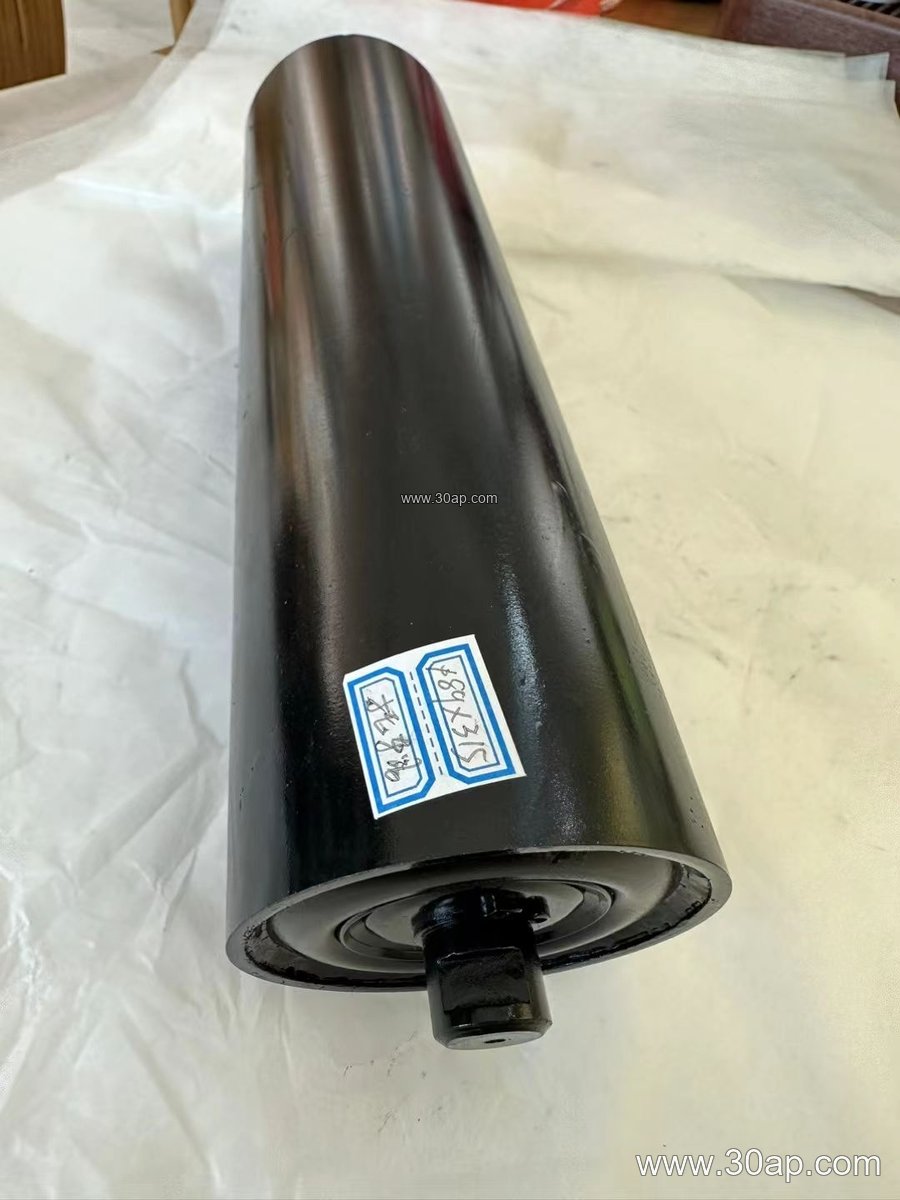
Construction Details That Matter
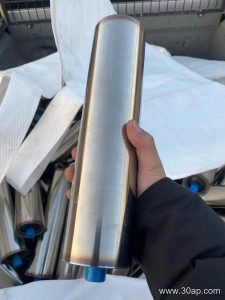
These idlers are built around a seamless steel tube shell, typically with a wall thickness greater than standard rollers to resist denting and wear. The shaft is often machined from cold-drawn steel and may be stepped to accommodate larger bearings. Bearing housings are sealed with multiple labyrinth or contact seals to keep out dust and water—critical in coal mining conveyor systems and quarry conveyor lines where fines are constant.
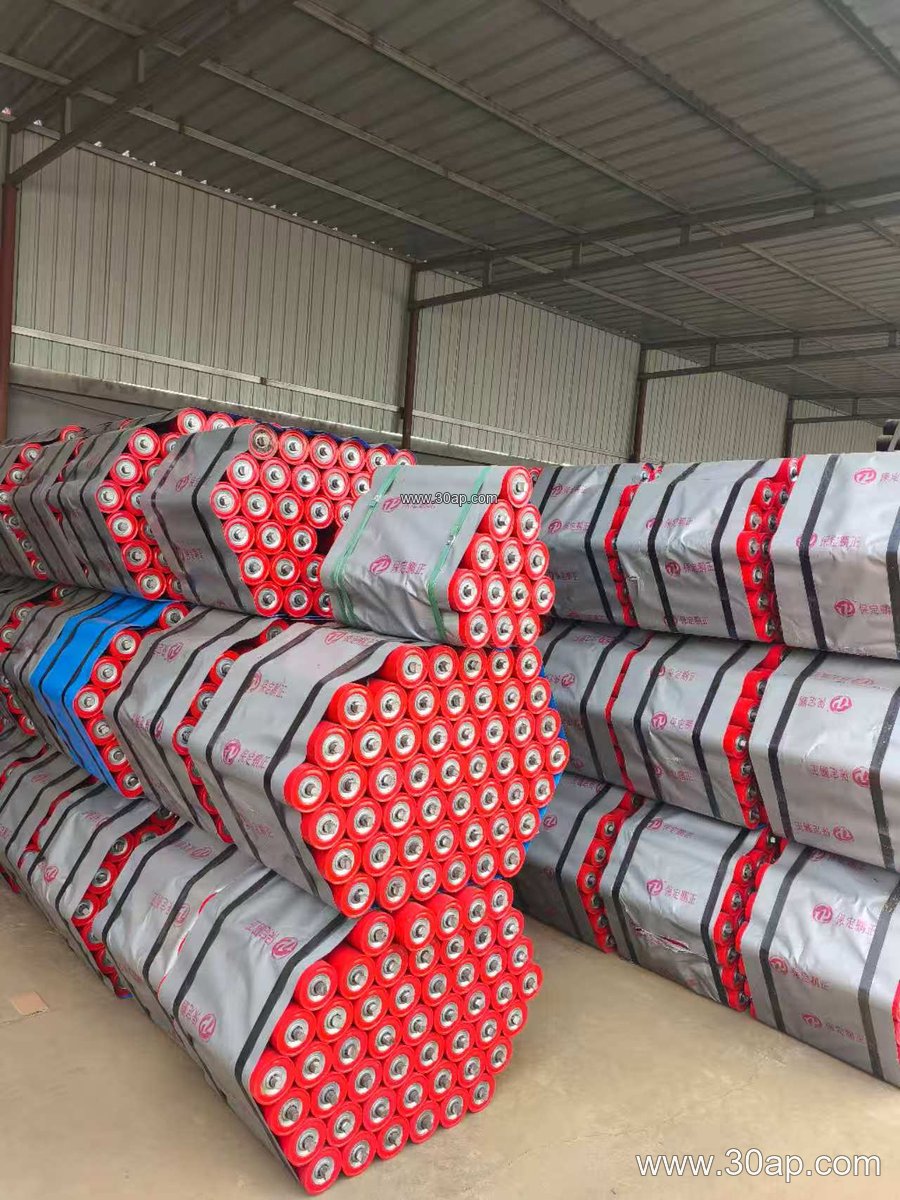
Roller surfaces can be plain steel, nylon-coated, or fitted with rubber rings for impact absorption. For high-abrasion service, ceramic or rubber lagging may be applied to extend service life. Common bearing sizes include 6205, 6305, 6306, and 6308, but the bearing is selected based on load and speed, not on a fixed pairing with any one roller diameter.
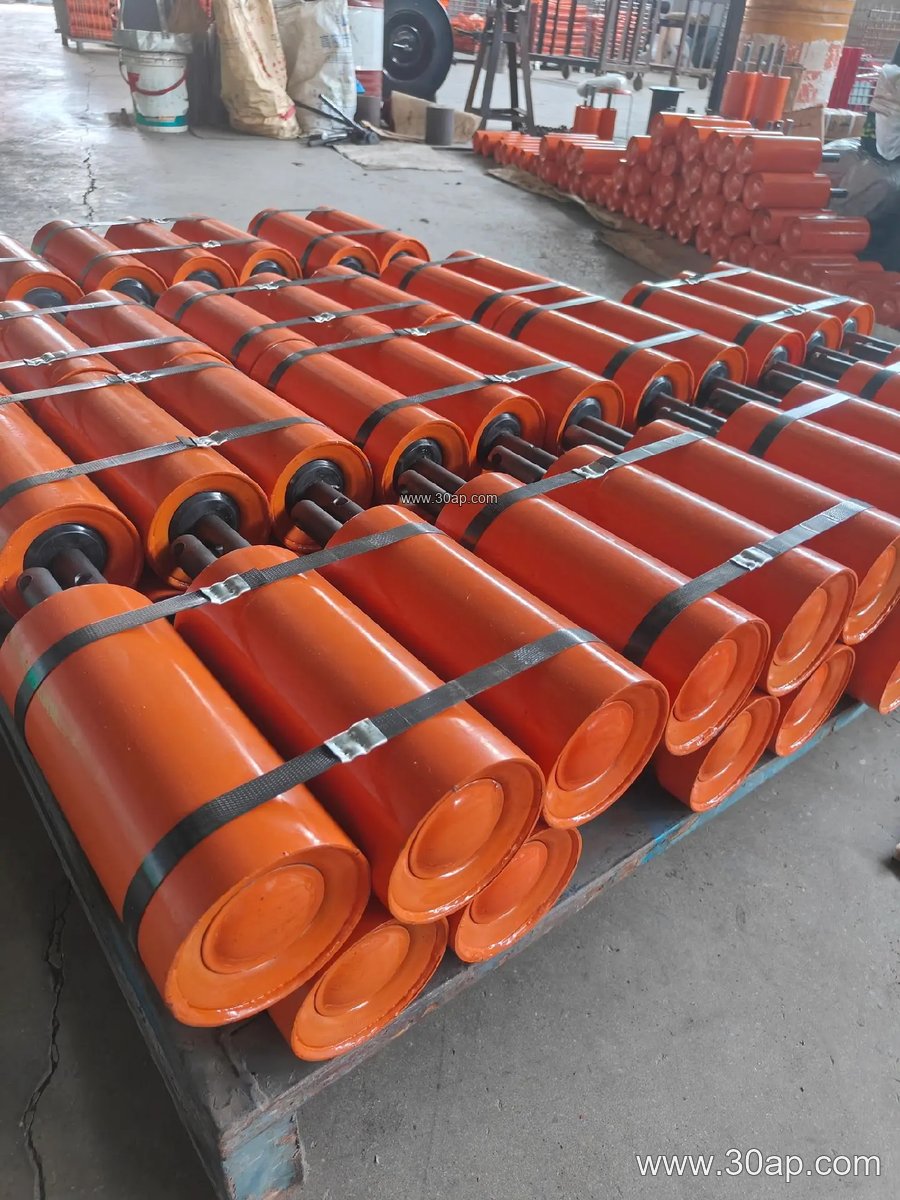
Where Heavy-Load Idlers Are Used
You will find these idlers in primary crushing circuits, stockyard conveyors, and ship-loading systems. In a copper ore conveyor or iron ore conveyor, the heavy-load idler supports sharp, dense material that would quickly damage lighter rollers. Power plant coal handling and cement plant raw-material lines also rely on them to maintain belt alignment under continuous load.
They are equally at home in aggregate conveyor belts and rock conveyor belts where lump size is large and drop heights are significant. In such cases, impact idlers with rubber rings may be used at transfer points, while standard heavy-load troughing idlers carry the material along the run.
Common Sizes and Configurations
Heavy-load idlers are available in a range of roller diameters and belt widths. The table below shows typical reference values; actual selection depends on belt speed, load, and trough angle.
| Parameter | Common Reference Values |
|---|---|
| Roller diameter | Ø89, Ø102, Ø108, Ø127, Ø133, Ø159, Ø178, Ø194, Ø219 mm |
| Belt width | B500, B650, B800, B1000, B1200, B1400, B1600, B1800, B2000 mm |
| Trough angle | 20°, 30°, 35°, 45° |
| Roller length (three-roll set, example) | B500: ~200 mm; B800: ~315 mm; B1200: ~465 mm; B1600: ~600 mm; B2000: ~750 mm |
| Bearing sizes | 6205, 6305, 6306, 6308, 6310 (selected by load) |
Note that side rollers and center rollers can have different lengths, and a given belt width does not dictate a single pulley diameter. The heavy-load idler is one component in a system that also includes the conveyor bracket, frame, and belt. For the belt itself, options such as EP conveyor belt, steel cord conveyor belt, or flame retardant conveyor belt are chosen separately based on the material and environment.
Buyer Checklist for Heavy-Load Idlers
- Load rating: Confirm the idler’s dynamic load capacity matches your belt tension and material weight per meter.
- Sealing: In dusty or wet conditions, specify labyrinth seals or triple-lip seals. This is especially important for underground mining conveyor belts and coal mining conveyor belts.
- Roller surface: Rubber rings or ceramic coating reduce wear in abrasive service; plain steel is acceptable for cleaner, lighter loads.
- Bearing class: Larger bearings (e.g., 6308 or 6310) suit higher loads, but verify the housing and shaft fit.
- Compatibility: Ensure the idler fits your existing conveyor bracket and frame dimensions. A heavy-load idler is not a drop-in replacement for a drive pulley or tail pulley.
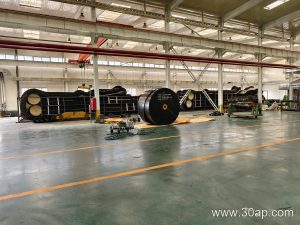
For a complete conveyor system, pair heavy-load idlers with the appropriate conveyor belt—such as abrasion resistant conveyor belt for ore, heat resistant conveyor belt for cement clinker, or oil resistant conveyor belt for recycled material. The heavy-load idler is the workhorse of the carrying side, and choosing the right one pays off in reduced downtime and longer belt life.