What the Vertical Idler Bracket Does
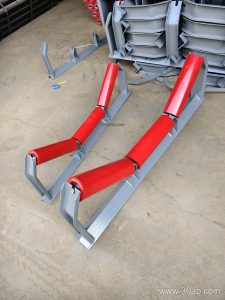
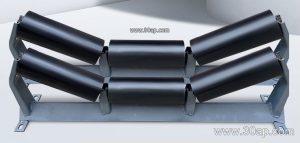
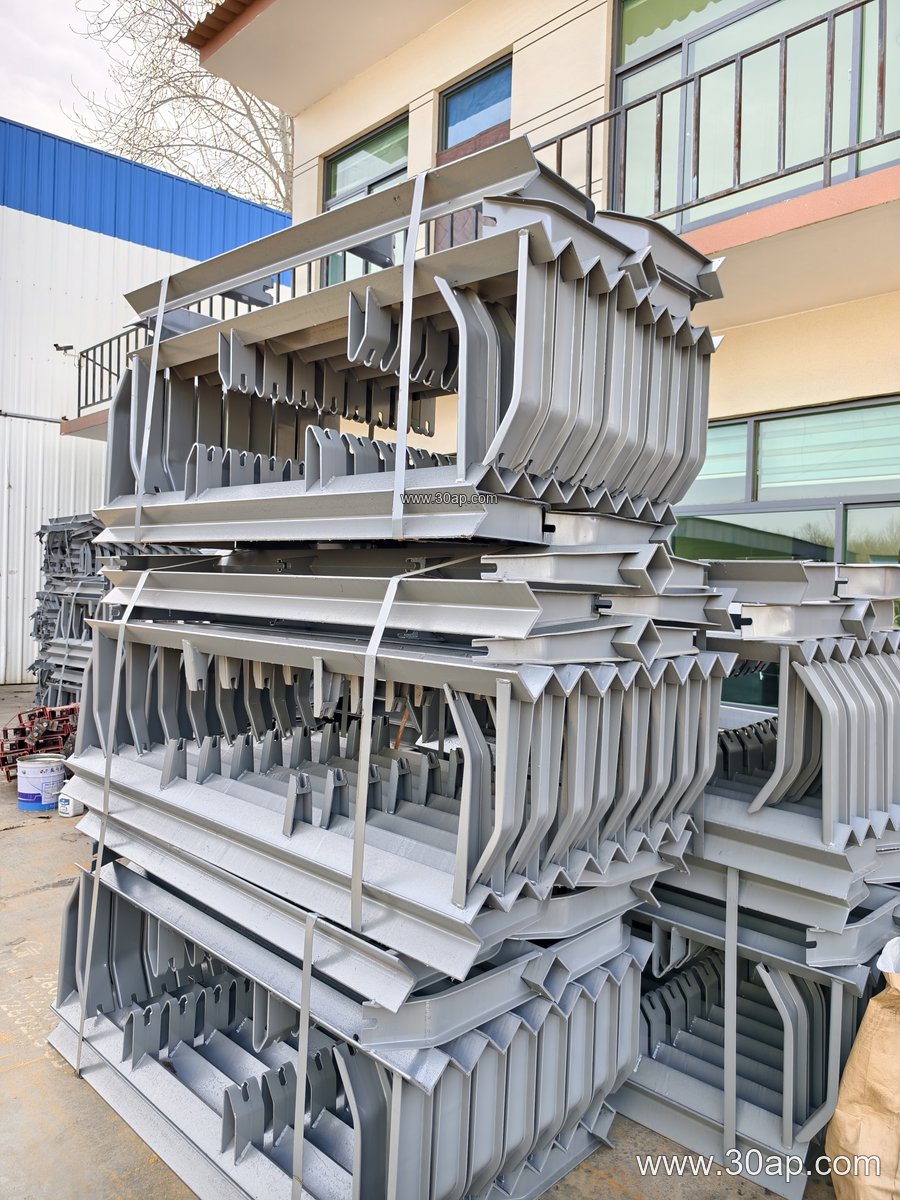
A vertical idler bracket is a support component that holds the carrying idlers of a belt conveyor in a fixed vertical position relative to the conveyor frame. Unlike brackets that allow the trough angle to be changed, the vertical idler bracket is designed to keep the idler centerline at a set height, which helps maintain a consistent belt profile and stable material loading. It is often used where the conveyor structure must stay compact and where the idler positions are not expected to be adjusted after installation.
Construction and Mounting
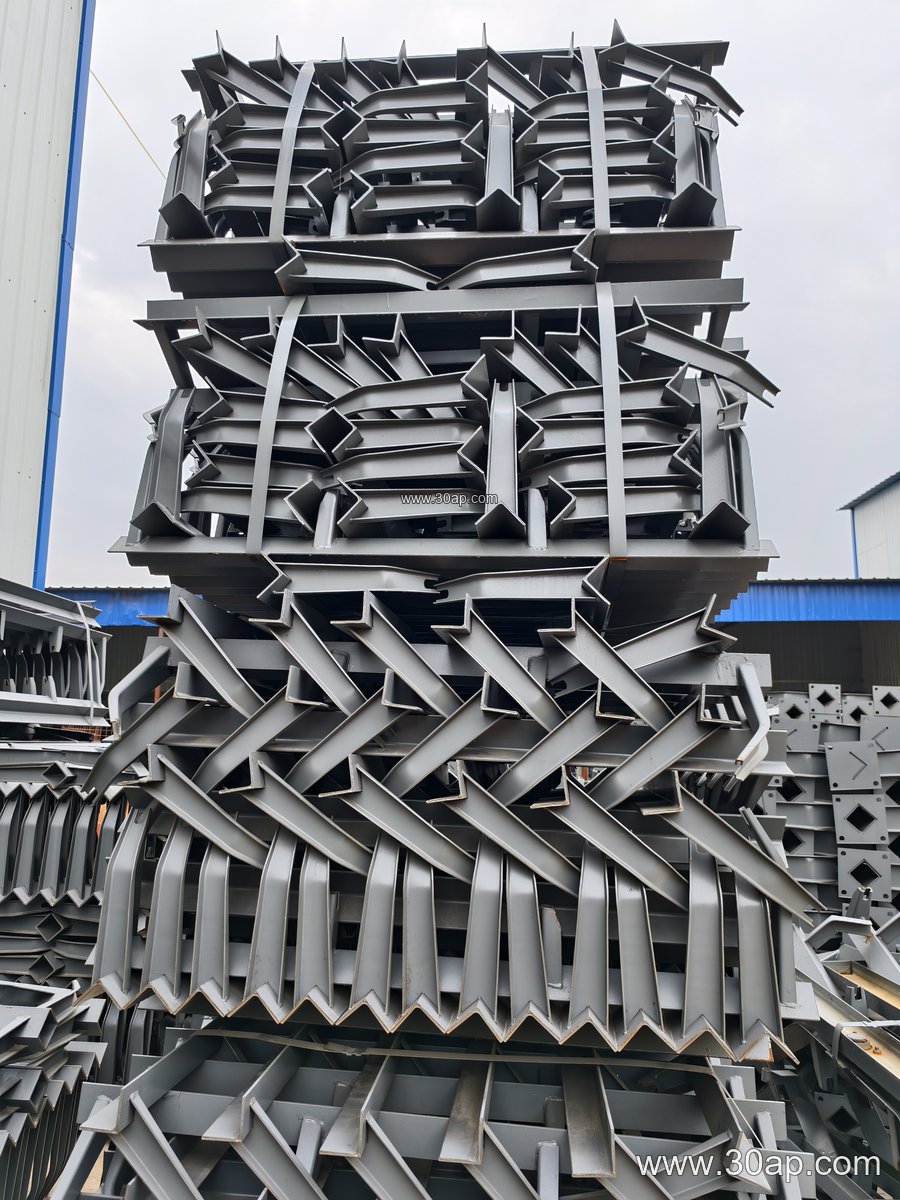
These brackets are commonly fabricated from angle steel, channel steel, or folded steel plate. The exact gauge and finish depend on the load and environment, but the goal is always a rigid base that resists vibration from the conveyor belt. Mounting holes are spaced according to the conveyor width and the idler diameter, so a bracket for a B800 conveyor will not share the same hole pattern as one for a B1400 conveyor. The vertical idler bracket is bolted or welded to the conveyor frame and supports the idler roller shaft at a fixed elevation.
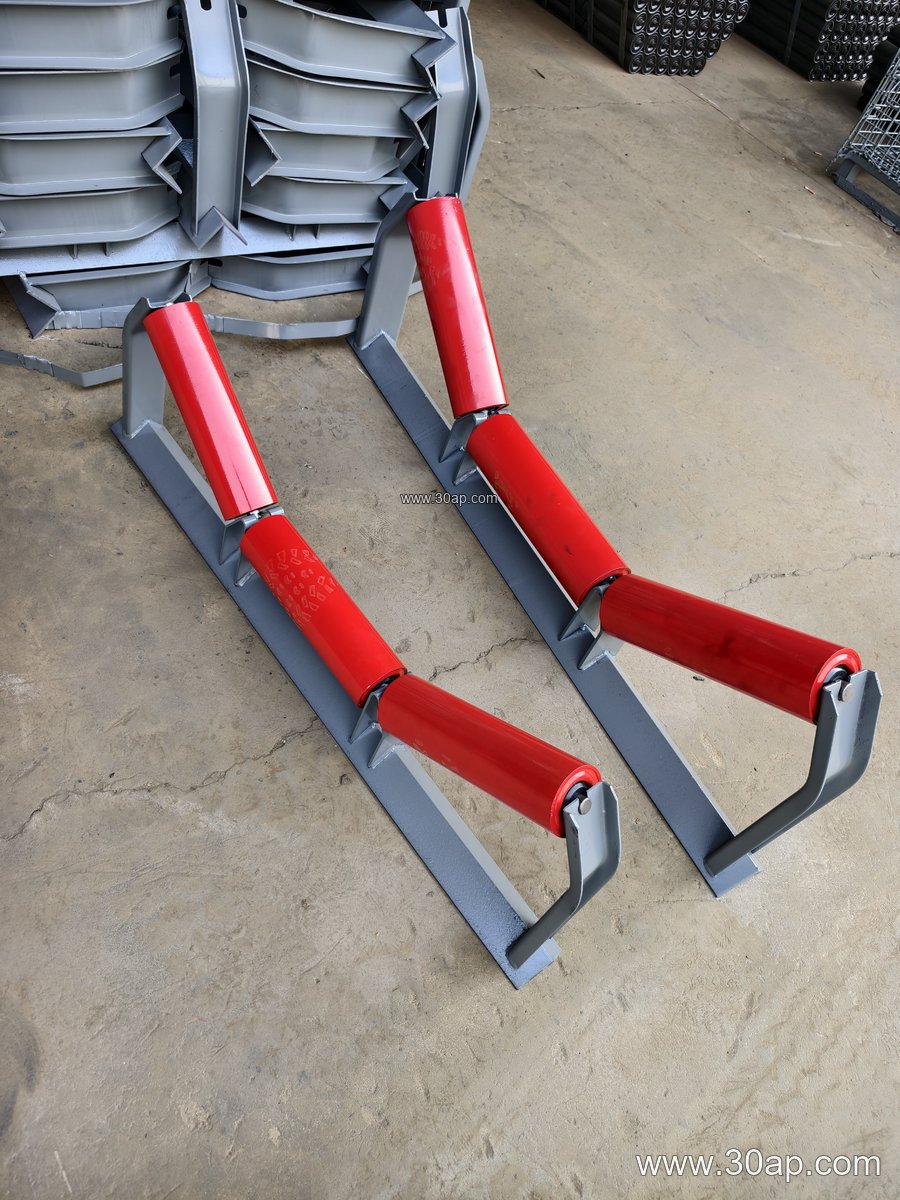
Because the bracket does not include an adjustment slot, installation requires the frame to be level and the bracket height to be correct from the start. In retrofit work, this means checking the existing idler roller center height before ordering. A mismatch in hole spacing or bracket height can cause the conveyor belt to ride unevenly.
Where It Fits in the Conveyor Layout
Vertical idler brackets are often found on the carrying side of troughed conveyors in plants where the structure is standardized and the trough angle is fixed by design. They are common in cement plants, power plant coal handling, and aggregate crushing lines where the conveyor frame is built to a consistent profile. In a quarry conveyor or a crusher conveyor, the bracket helps keep the idler roller aligned under the belt so that the belt does not sag between supports.
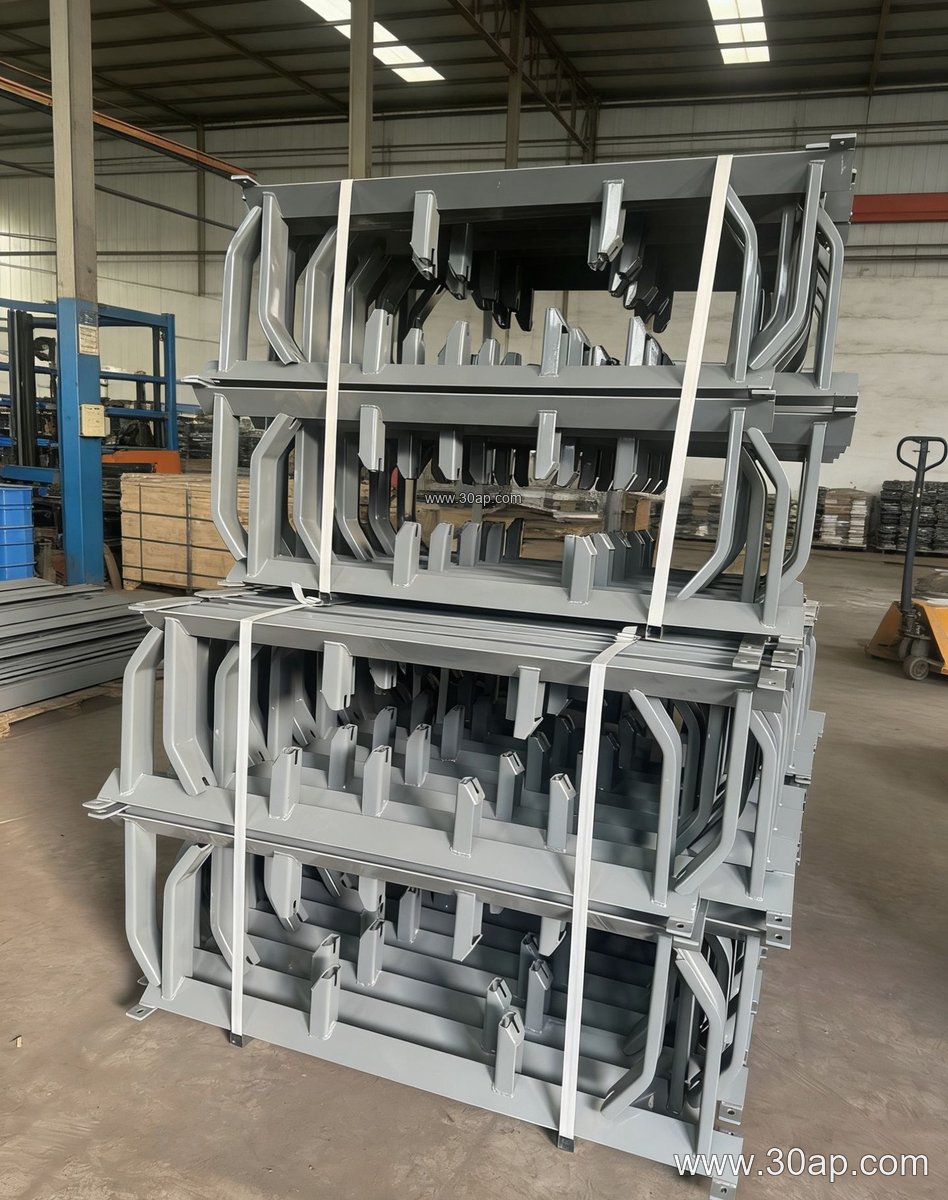
They are not a substitute for transition brackets, which are used near pulleys to gradually change the belt from flat to troughed. They also differ from adjustable brackets that allow the trough angle to be set on site. A vertical idler bracket is the fixed-position option, and its simplicity is an advantage where the design is already settled.
Matching Bracket to Belt and Idler
The bracket must match the conveyor width, the idler diameter, and the trough angle used in the idler set. Typical combinations include B800 with a 35 degree trough and Ø108 idlers, or B1200 with a 45 degree trough and Ø133 idlers. These are common examples, not fixed rules. The bracket length and hole spacing are determined by the conveyor design, so buyers should provide the belt width, idler diameter, and trough angle when requesting a vertical idler bracket.
Material selection matters in dusty or corrosive settings. In a coal mining conveyor or a cement plant, dust and moisture can accumulate around the bracket, so a painted or galvanized finish may be preferred. In a steel plant or sintering line, heat exposure may call for heavier steel sections. These are design choices, not universal requirements.
Buyer Checklist
- Confirm the conveyor belt width and the idler roller diameter, since these drive the bracket dimensions.
- State the trough angle if the bracket is part of a troughed idler set.
- Check the mounting hole pattern against the existing conveyor frame.
- Specify the material and surface finish for the site conditions, such as a quarry conveyor or a power plant coal line.
- Ask whether the bracket is for new installation or replacement, as frame tolerances differ.
For related components, buyers often review the conveyor pulley and conveyor bracket layout together to ensure the belt path is consistent. A vertical idler bracket is a small part, but it influences how the conveyor belt tracks and how the idler roller wears. Taking time to match it to the frame and idler set avoids vibration and belt misalignment later.