What the Ø133 Conveyor Idler Is
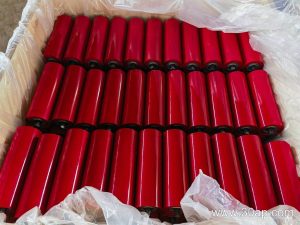
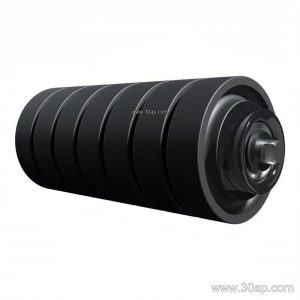
The Ø133 conveyor idler is a load-carrying roller with a nominal shell diameter of 133 mm, widely used in the carrying and return sections of belt conveyors. As an idler roller, it supports the conveyor belt and the material on it, keeping the belt tracking smoothly while reducing friction along the line. In many plants, the Ø133 size sits between lighter 108 mm and 127 mm rollers and heavier 159 mm rollers, so it often appears on medium-duty and heavy-duty conveyors in the mining, coal, cement, power and aggregate sectors.
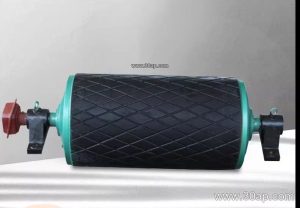
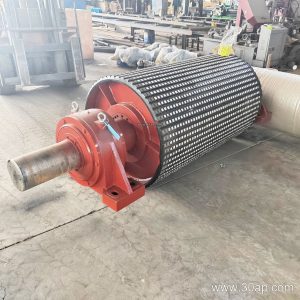
The same product is also called a 133 mm diameter conveyor roller or Ø133 carrying idler. These are accurate alternative names for the same item, not different equipment. Drive pulleys, tail pulleys and bend pulleys are separate components at the ends and corners of a conveyor and should not be confused with the idler itself.
Construction and Main Parts
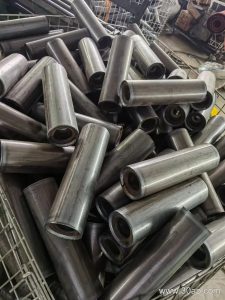
A typical Ø133 conveyor idler is built from a steel tube shell, a shaft, bearing housings, seals and bearing units. The shell may be plain steel, or it may carry a rubber ring, nylon or ceramic surface for special duties. Sealing is critical in dusty plants, such as a limestone quarry or a coal washing station, because fine grit that reaches the bearings shortens roller life.
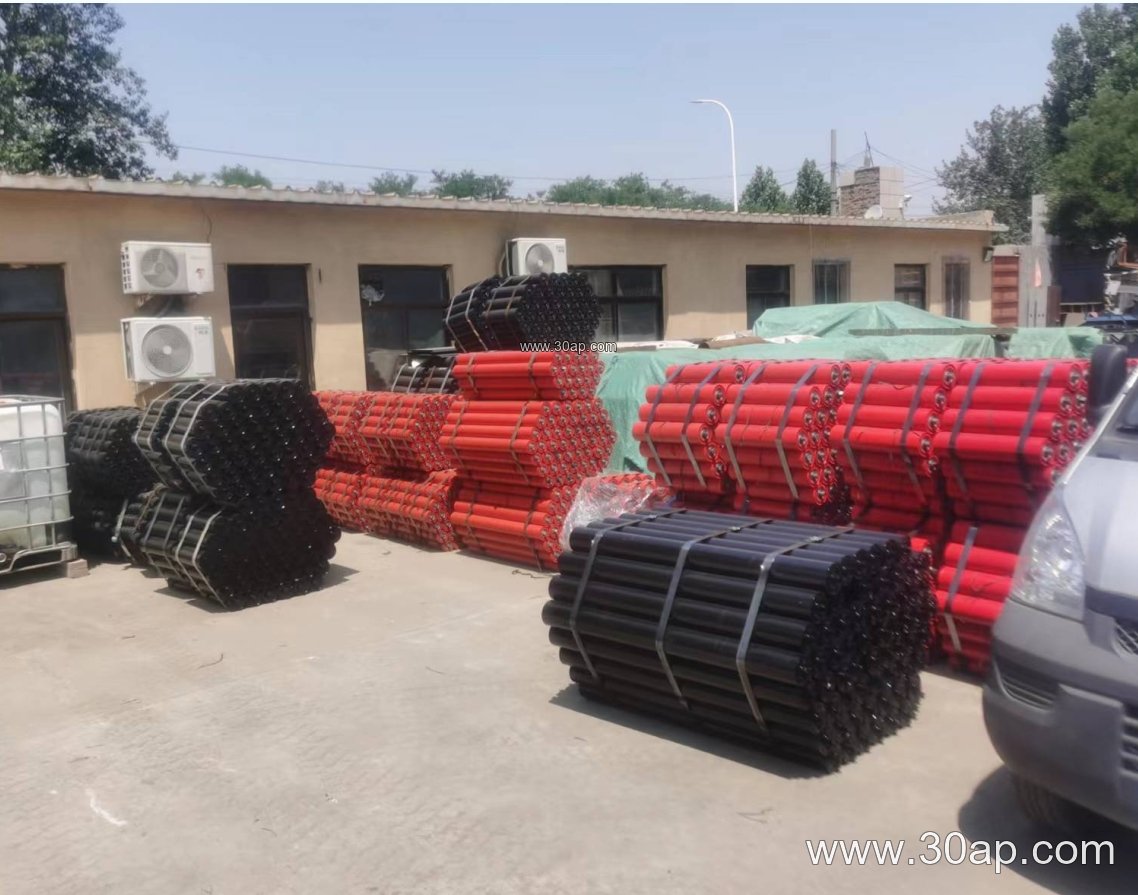
- Shell diameter: 133 mm nominal
- Common bearing sizes: 6305, 6306, 6308 (selection depends on load and design)
- Roller length: determined by belt width, trough angle and idler arrangement
- Surface options: steel, rubber ring, nylon, ceramic
Bearing size is not fixed by shell diameter alone. A designer matches bearings to the actual load, speed and service life expected on the conveyor.
Idler Arrangements and Trough Angles
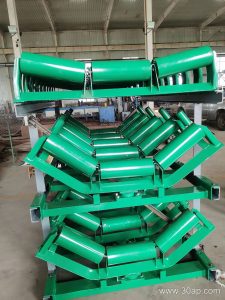
On the carrying side, a Ø133 idler usually works in a troughing set. Common arrangements are single-roller, two-roller and three-roller troughing sets, with trough angles of 20, 30, 35 or 45 degrees. A three-roller set normally has a shorter side roller and a longer centre roller, so the roller lengths differ within one set. For example, common centre roller lengths for three-roller troughing sets are roughly 200 mm at B500, 250 mm at B650, 315 mm at B800, 380 mm at B1000, 465 mm at B1200, 530 mm at B1400, 600 mm at B1600, 670 mm at B1800 and 750 mm at B2000. These are typical examples, not fixed pairings, and each conveyor should be checked against its own design.
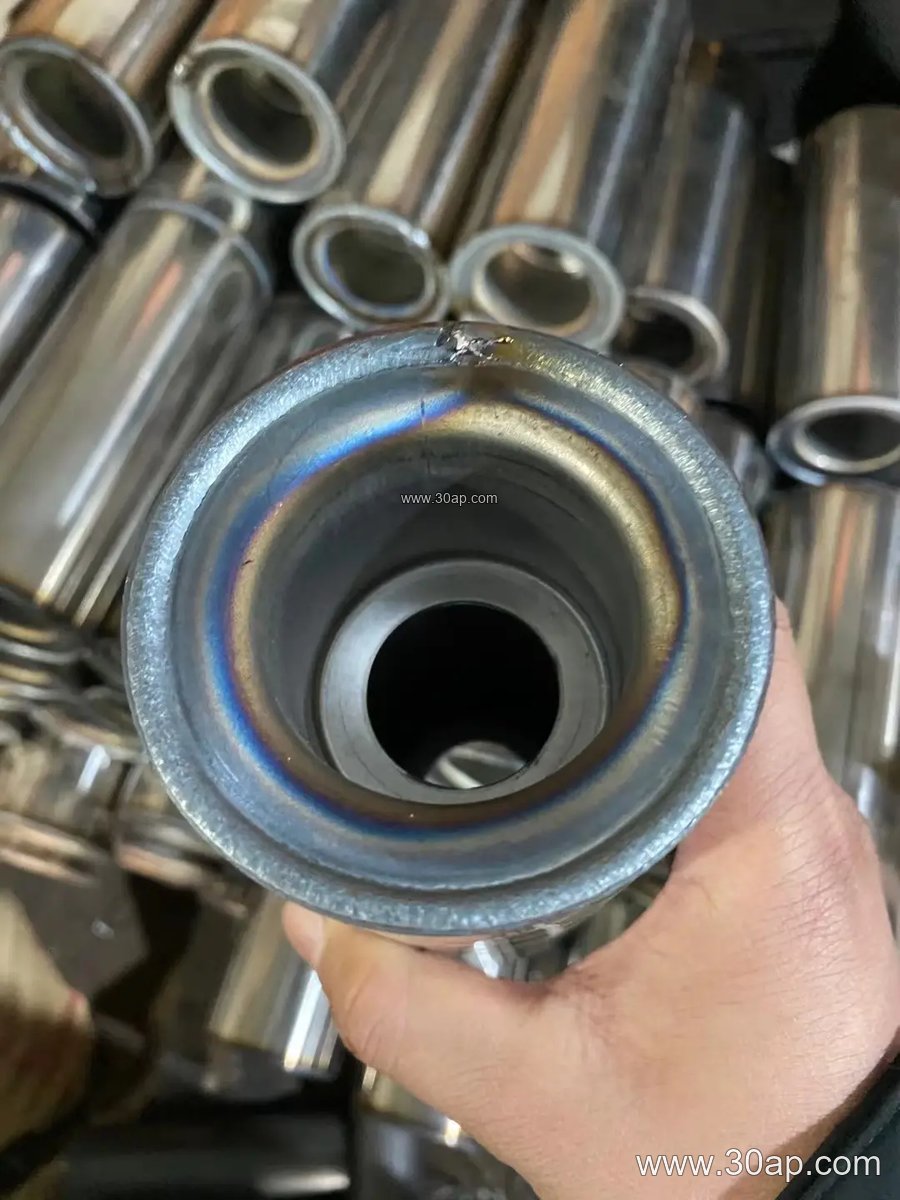
On the return side, a Ø133 idler may be a flat return roller or a V-return roller. Impact rollers with rubber rings are used under loading points where material falls onto the belt. Self-aligning types, including friction and conical self-aligning rollers, help correct belt drift on long runs. Spiral rollers are sometimes chosen where sticky material tends to build up on the shell.
Where It Is Used
This roller diameter suits conveyors that move abrasive bulk material at moderate to high capacity. In an iron ore or copper ore handling circuit, Ø133 idlers support a heavy-duty mining conveyor belt along the main haulage route. In a cement plant, they carry clinker and raw meal on a heat resistant conveyor belt or an abrasion resistant conveyor belt, depending on the temperature and material. Power plant coal yards often pair them with a flame retardant conveyor belt for safety. In a stone crushing line, they work under a crusher conveyor belt and an aggregate conveyor belt that carry sharp, dusty rock.
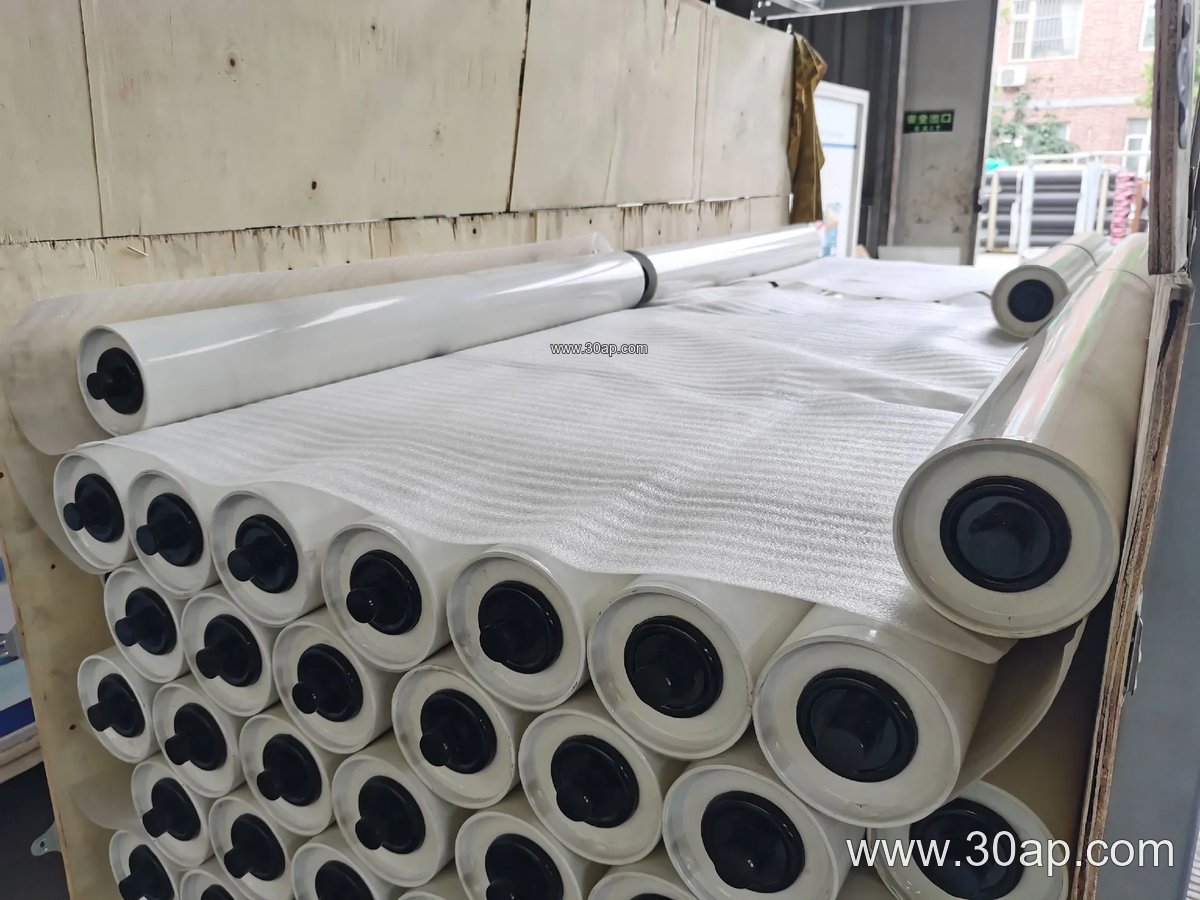
Because the roller is exposed to grit, water and sometimes chemicals, matching the seal and surface to the site matters as much as the diameter. A quarry handling wet limestone has different needs from a port loading iron ore in dry conditions.
Selection Notes for Buyers
Buyers should confirm the belt width, trough angle, idler arrangement, shaft size and bearing type before ordering. A Ø133 idler on a B1000 conveyor is not the same as one on a B1600 conveyor, even though the shell diameter matches. Check the mounting dimensions against the existing conveyor bracket and frame, because small differences in shaft ends or housing shape can prevent installation.
Also consider the belt. A steel cord conveyor belt, an EP conveyor belt or an NN conveyor belt each has its own tension and tracking behaviour, and idler spacing should follow the conveyor design rather than a single rule. At transfer points, use impact-resistant rollers. In cold climates, choose seals and lubricants suited to low temperature. On long overland lines, self-aligning rollers reduce the risk of edge damage.
Finally, keep spare rollers in stock and inspect for seized bearings, worn shells and damaged seals. Replacing a failed Ø133 idler early protects the conveyor belt from gouging and keeps the line running. For related components such as the conveyor pulley, conveyor bracket and idler roller assemblies, confirm compatibility with the same dimensional drawings before purchase.