Understanding the Conveyor Bracket Quotation
A conveyor bracket quotation is more than a price line for a piece of steel. It defines how the idler rollers, belt, and frame work together on a specific conveyor. In a quarry, cement plant, or coal handling system, the bracket—often called a idler support bracket or roller bracket—is the interface between the rotating components and the stationary structure. A clear quotation helps procurement teams compare offers accurately and avoid mismatches during installation.
This article explains how these brackets are built, where they are used, and what a buyer should confirm before signing off on a supplier’s document. The focus stays on the bracket itself, with references to related equipment only where they affect the quotation.
Construction and Common Types
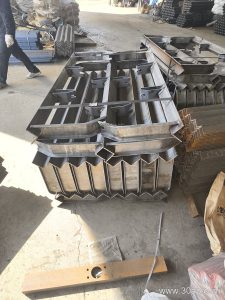
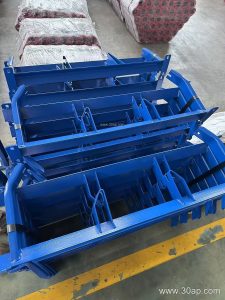
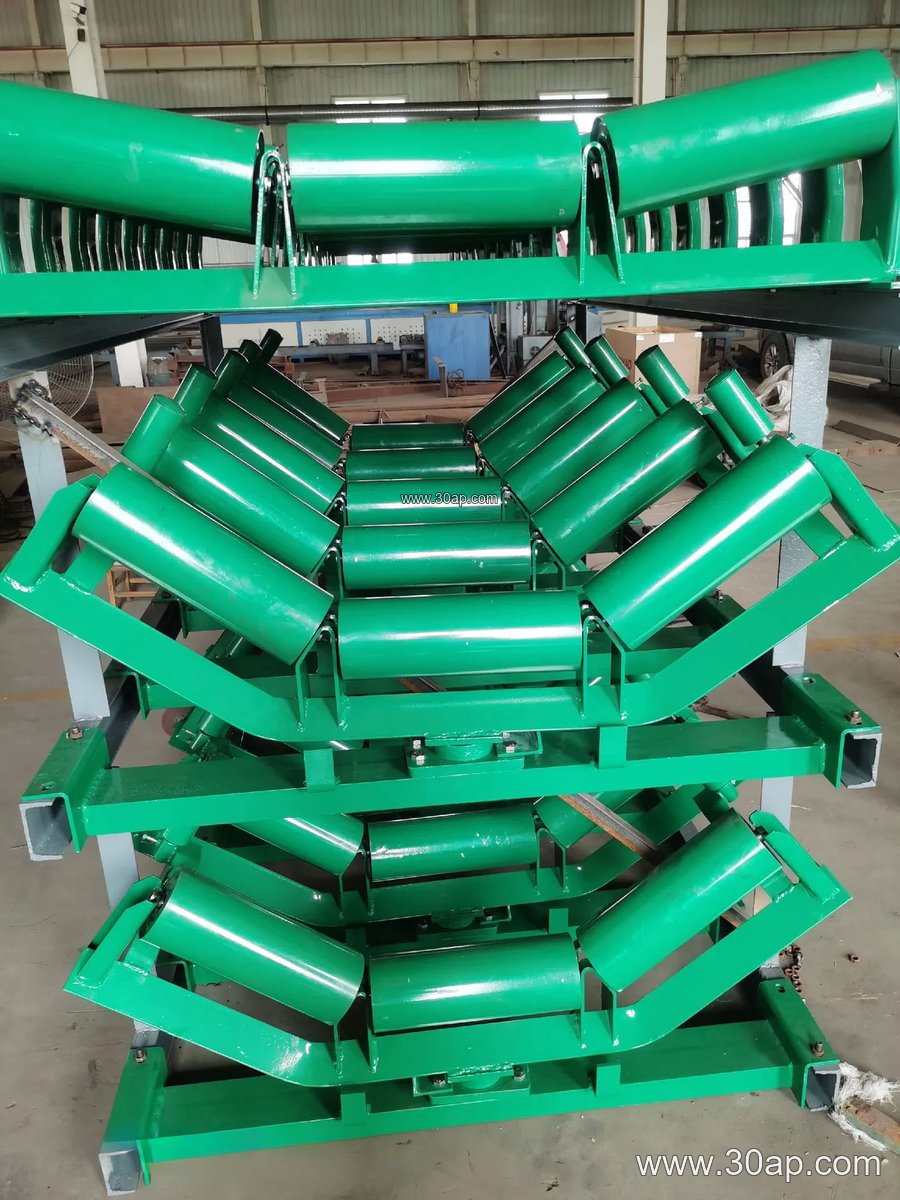
Most brackets are fabricated from angle steel, channel steel, or folded steel plate. The choice of material and thickness affects load capacity and corrosion life, but the quotation should state the actual grade and finish rather than a vague “heavy-duty” label. Common types include troughing brackets for the carrying side, return brackets for the lower run, impact brackets near loading points, and self-aligning brackets for belt tracking. Adjustable brackets allow the trough angle to be changed on site, while fixed brackets lock the geometry at the design stage.
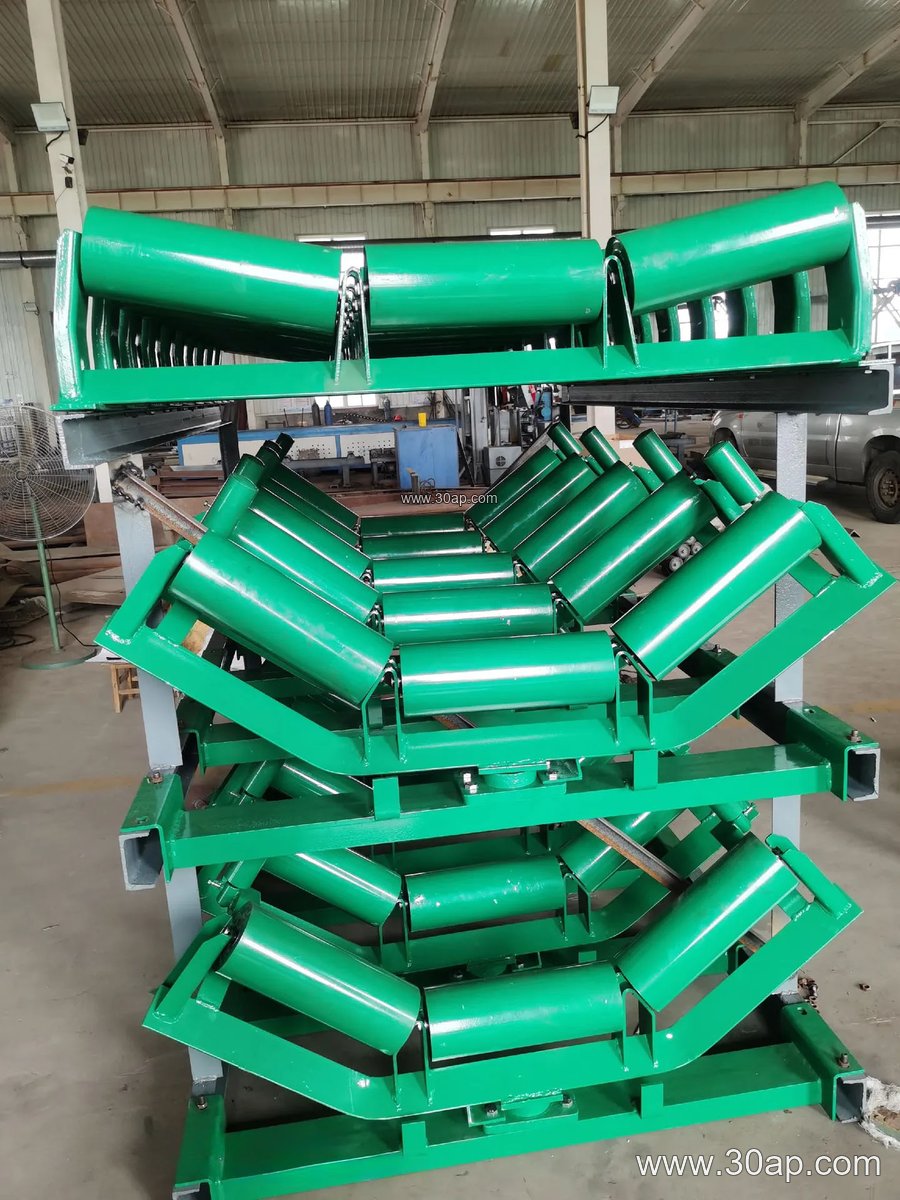
For example, a troughing bracket set for a B800 belt with a 35-degree trough angle and Ø108 rollers is a typical combination in aggregate plants. A wider B1200 conveyor might use a 45-degree trough angle with Ø133 rollers. These are common references, not fixed rules; the final match depends on belt width, material lump size, and load.
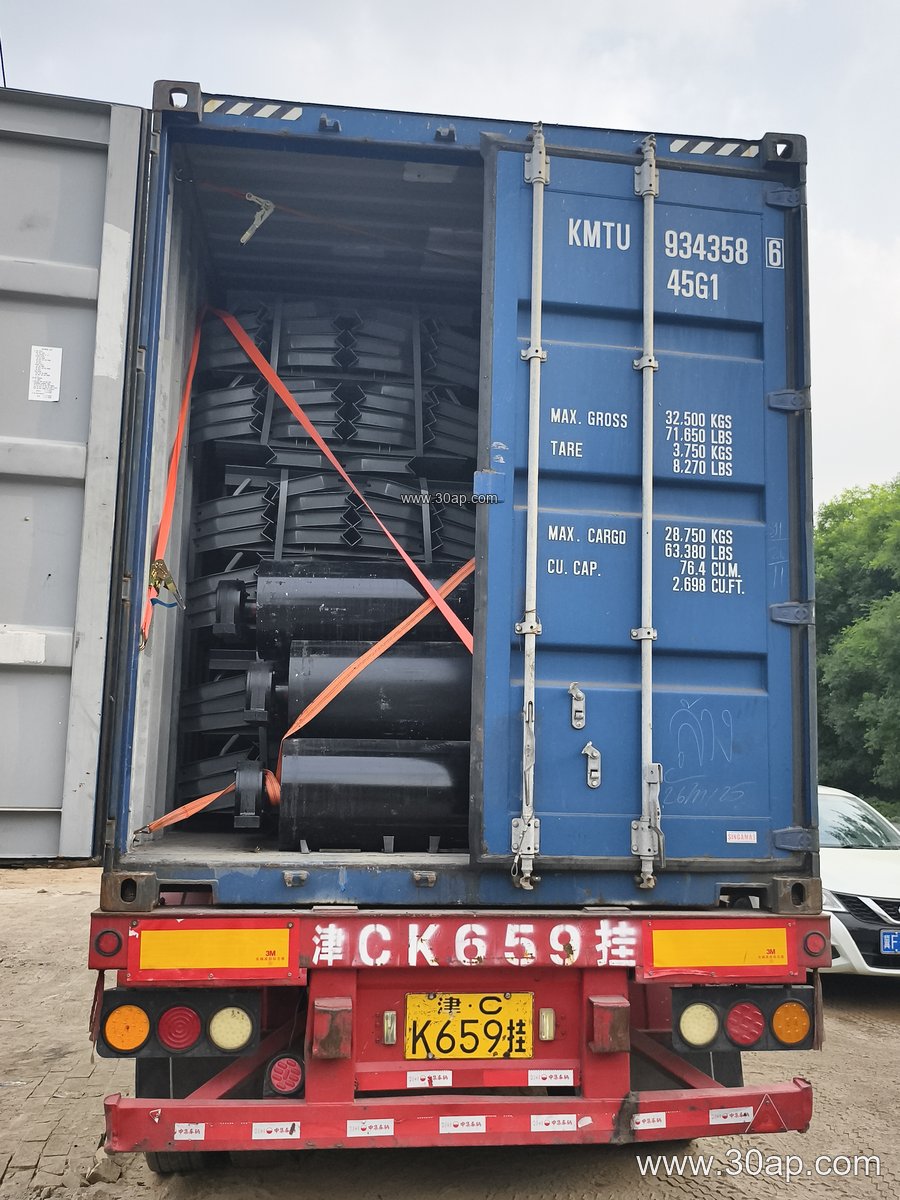
Other bracket variants include V-return brackets, buffer brackets at transfer points, and hanging brackets for compact frames. Each type has its own mounting hole spacing and beam length, which vary with belt width and trough angle. The quotation should list these dimensions or refer to an approved drawing.
Where These Brackets Are Used
Brackets appear wherever a conveyor belt needs stable roller support. In a limestone mine, troughing brackets carry the belt through the crushing circuit. In a coal-fired power plant, flame retardant conveyor belts run on brackets that must resist coal dust and occasional washdown. Cement plants use them on clinker and raw meal conveyors, while port terminals rely on them for ship loading lines. The same bracket family also supports idler rollers on quarry conveyor belts and aggregate conveyor belts.
In each case, the bracket works with the conveyor pulley at the drive and tail ends, but the bracket itself is not a pulley. Drive pulleys, tail pulleys, and bend pulleys serve different functions and should not be interchanged in the quotation. A bracket quotation should clearly separate bracket quantities from pulley or roller items.
Key Factors in a Bracket Quotation
When reviewing a quotation, check the following points. The list is not exhaustive, but it covers the items that most often cause confusion.
- Type and quantity: troughing, return, impact, self-aligning, or adjustable; state the number of sets and whether rollers are included.
- Belt width and trough angle: for example B650 with 30 degrees, or B1000 with 35 degrees. Avoid assuming one belt width always matches one roller diameter.
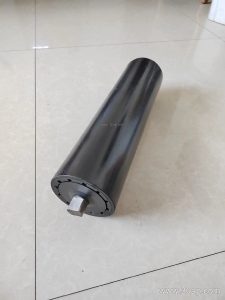
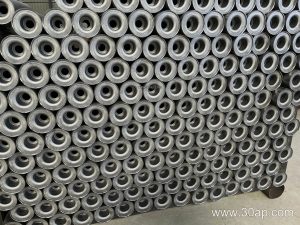
- Roller diameter reference: Ø89, Ø108, Ø133, Ø159, and Ø194 are common; the bracket must suit the chosen roller.
- Material and finish: angle steel, channel steel, or folded plate; painted, galvanized, or untreated.
- Mounting dimensions: hole spacing and beam length should be confirmed against the conveyor frame drawing.
- Documentation: drawings, packing list, and inspection points.
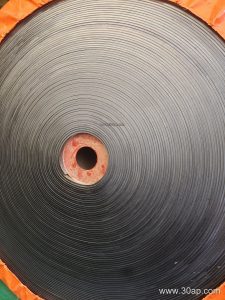
A well-prepared quotation will reference the conveyor belt specification where relevant—for instance, an EP conveyor belt or a steel cord conveyor belt—because belt tension and load affect bracket selection. However, the bracket quotation should not be padded with unrelated belt types.
Matching Brackets with Rollers and Belts
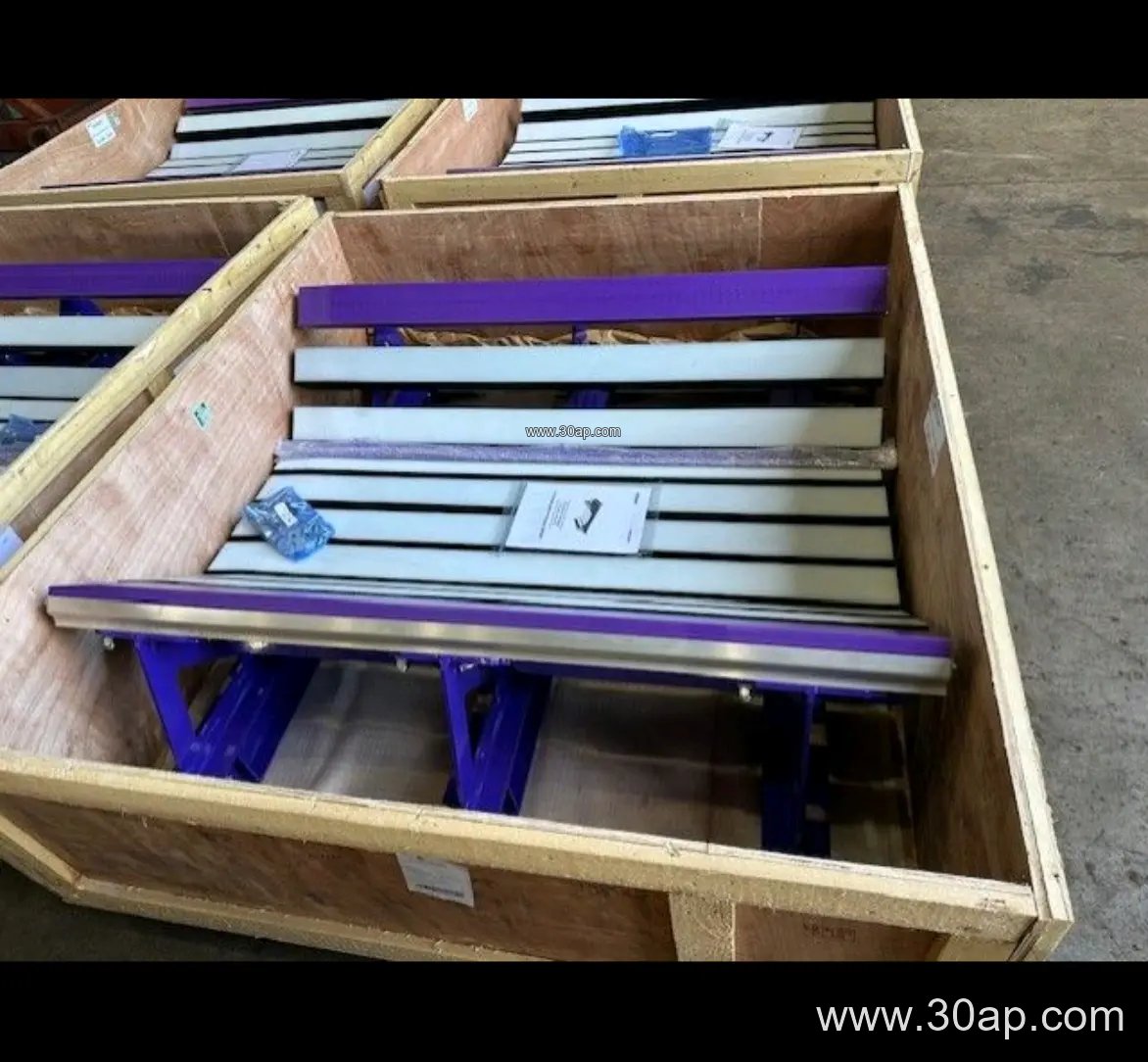
Brackets, idler rollers, and the conveyor belt form a system. A quotation that lists brackets without roller diameter or belt width is incomplete. In a sand and gravel line, a 3-roller troughing set with 35-degree trough angle and Ø108 rollers is common on B800 belts. For a B1400 belt in an iron ore application, a 45-degree trough angle with Ø159 rollers may be more suitable. These examples show typical ranges; the actual selection should follow the conveyor design.
Adjustable brackets are useful where the trough angle may need fine-tuning after commissioning. Fixed brackets are simpler and often preferred where the design is stable. Neither type replaces the other; the quotation should state which is offered.
Practical Advice for Buyers
Ask for a quotation that separates brackets from rollers and pulleys, and that lists dimensions rather than general descriptions. Confirm that the bracket type matches the installation position—carrying side, return side, or transition. For harsh environments such as a coal mine or a fertilizer plant, discuss surface treatment and material thickness. Finally, keep the quotation linked to the approved conveyor layout so that hole spacing and beam length are not left to assumption.
For related components such as conveyor idler rollers and conveyor pulleys, request separate quotations so that each item can be evaluated on its own. This approach keeps the conveyor bracket quotation clear and comparable.