What a Trough Idler Bracket Set Does on a Conveyor
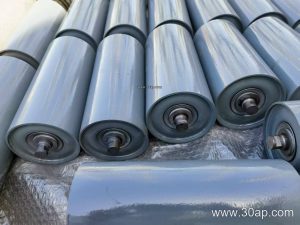
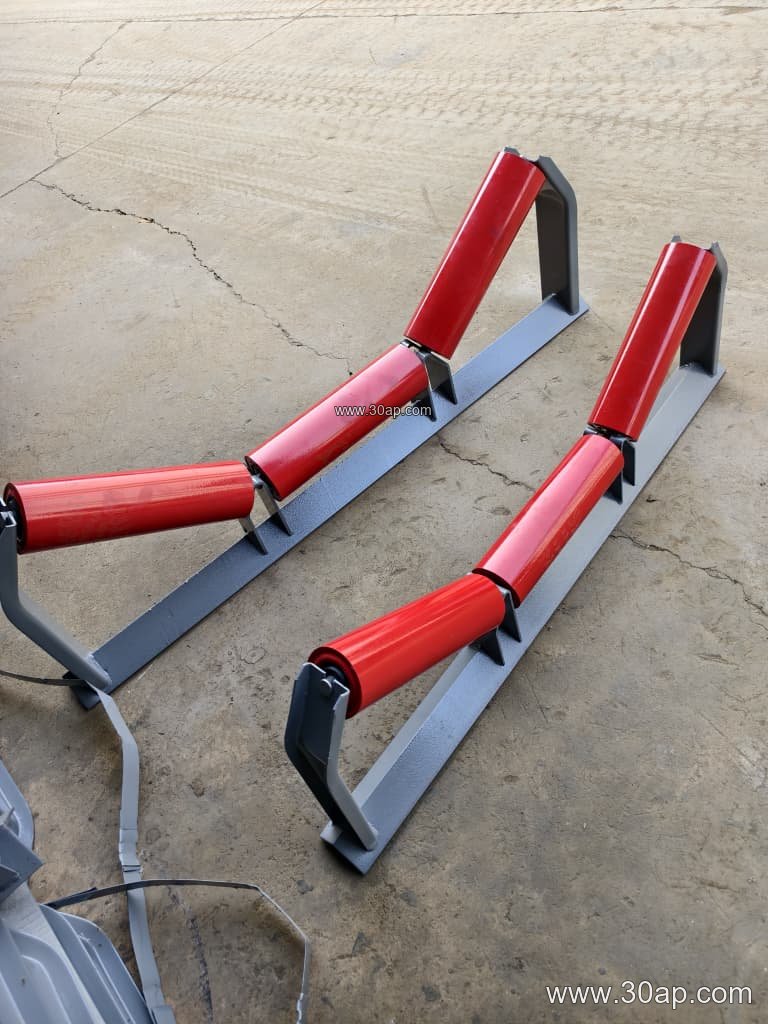
A trough idler bracket set is the structural group that holds the three-roller trough arrangement in place along the carrying side of a conveyor. It fixes the side rollers at the working trough angle and keeps the center roller level, so the belt forms a stable channel for coal, ore, aggregate, clinker or sand. In a quarry or a cement plant, this set is often the first part an inspector looks at after a belt tracking complaint, because a bent or loose bracket quietly changes the belt profile.
The same product is also called a troughing idler bracket set or a troughing frame set. Both names describe the same assembly: a cross beam, mounting plates or angle sections, and the slots or holes that position each idler roller.
How the Set Is Built
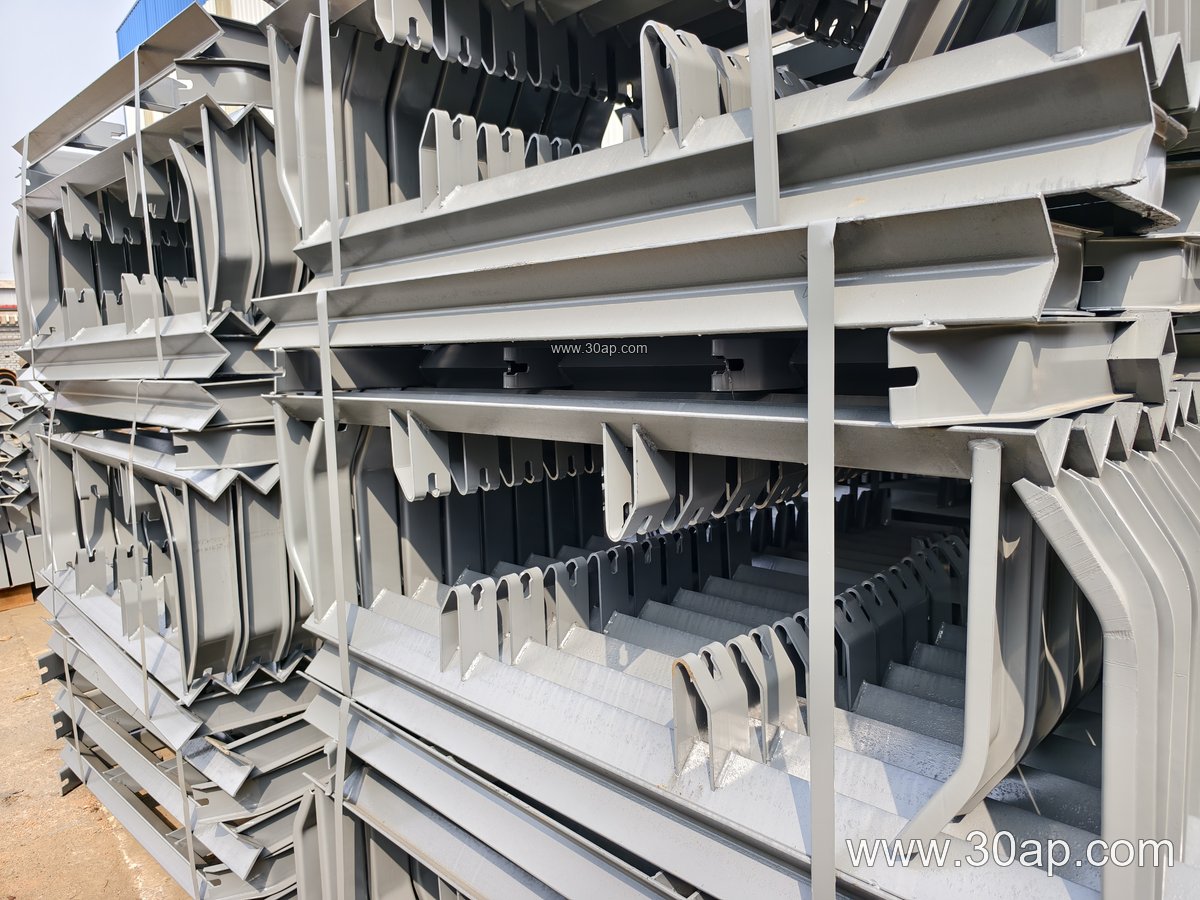
Most sets are fabricated from angle steel, channel steel or folded steel plate, then drilled, punched or slotted for the idler shafts. A typical set includes:
- A main cross beam sized to the belt width and the required trough angle
- Two side brackets or wings that carry the inclined rollers
- A center seat for the middle roller
- Fixing holes or hooks for attachment to the conveyor stringer
Finishing may be painted, galvanized or powder coated, depending on the environment. In a coal mining conveyor or an underground coal mining conveyor, corrosion and dust resistance matter as much as raw strength, so buyers often ask for a heavier section and a protective finish.
Trough Angle, Belt Width and Roller Diameter
The bracket set does not work alone. Its geometry has to match the conveyor belt, the idler roller and the pulley line. Common trough angles are 20, 30, 35 and 45 degrees, and adjustable brackets can be reset between these positions. Belt widths usually follow the B series, and roller diameters are chosen together with load and speed.
| Belt width | Typical trough angle | Common roller diameter |
|---|---|---|
| B500 | 20 to 30 degrees | Ø89 |
| B650 | 30 degrees | Ø89 or Ø108 |
| B800 | 30 or 35 degrees | Ø108 |
| B1000 | 35 degrees | Ø108 or Ø133 |
| B1200 | 35 or 45 degrees | Ø133 |
| B1400 | 35 or 45 degrees | Ø133 or Ø159 |
| B1600 | 35 or 45 degrees | Ø159 |
| B1800 | 35 or 45 degrees | Ø159 or Ø194 |
| B2000 | 35 or 45 degrees | Ø194 |
These are reference combinations, not fixed rules. A B1200 line may run 35 degrees with Ø133 rollers, or 45 degrees with the same diameter, depending on material, speed and transition length. Hole spacing and beam length change with belt width and trough angle, so the drawing should always be confirmed before production.
Where the Set Fits in the Conveyor Line
Trough bracket sets are installed on the carrying run, between the tail pulley area and the head or drive pulley. Near the tail, transition brackets gradually move the flat belt into the trough profile; along the main run, standard troughing sets hold the load; at loading points, impact brackets with rubber rings absorb shock from large lumps. On the return side, a V-return bracket or flat return bracket handles the empty belt.
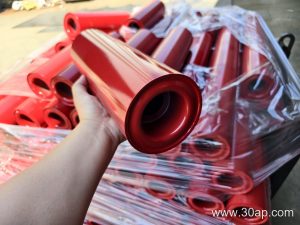
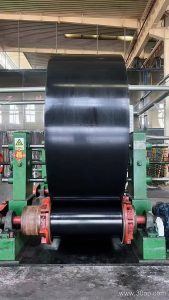
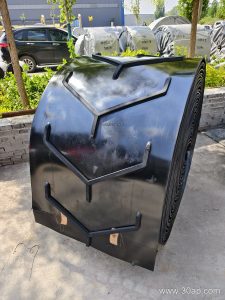
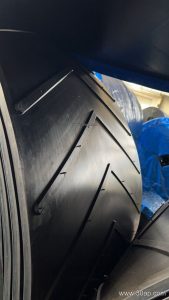
In a power plant coal yard, a steel plant sintering line or a fertilizer warehouse, the choice between fixed and adjustable brackets often depends on how often the operating profile changes. Adjustable sets allow the maintenance team to fine-tune the trough angle when a different conveyor belt, such as a thicker abrasion resistant conveyor belt or a chevron conveyor belt, is fitted.
Selection and Maintenance Notes for Buyers
Start with the belt width, the intended trough angle and the roller diameter, then confirm the stringer spacing and the fixing method. Ask for a dimensional drawing showing mounting hole centers. A bracket set that is close but not exact will pull the idler roller out of line and cause edge wear on the belt.
- Check that the bracket material matches the duty: light aggregate lines and heavy iron ore lines need different sections.
- Confirm the finish for wet, salty or dusty sites.
- Keep spare sets for loading zones, where impact damage is most likely.
- During inspection, look for bent wings, elongated holes and loose fasteners before blaming belt tracking.
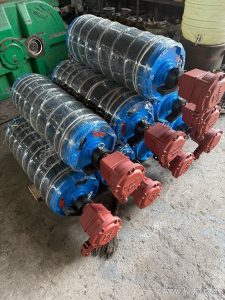
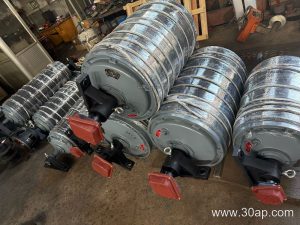
For a full conveyor support package, buyers often combine the trough idler bracket set with conveyor bracket accessories, idler roller groups and matching conveyor pulley components. A well-matched set keeps the belt centered, reduces spillage and extends roller life in mines, quarries, cement works and ports.