What a Custom Conveyor Bracket Is
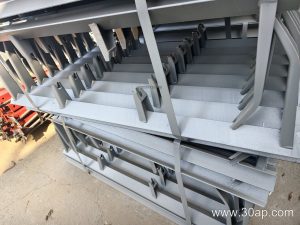
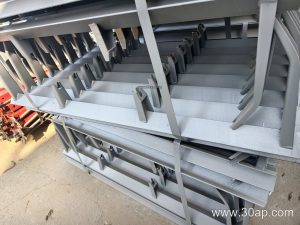
A custom conveyor bracket is a fabricated support component that positions and holds conveyor idlers or pulleys in a belt conveyor system. Unlike off-the-shelf brackets, it is made to match a specific belt width, trough angle, roller diameter, and mounting hole pattern. In quarry and aggregate operations, these brackets often form the backbone of the idler frame assembly, keeping the belt aligned and stable under heavy loads. Whether you are running an EP conveyor belt or a steel cord conveyor belt, the bracket must fit the structure precisely to avoid misalignment and premature wear.
Construction and Materials
Most custom conveyor brackets are built from angle steel, channel steel, or folded steel plate. The choice of material depends on the load and environment. For example, a bracket used in a coal mining conveyor belt system may require thicker steel to resist impact and corrosion, while a bracket in a food grade conveyor belt line might use stainless steel or coated steel for cleanliness. Fabrication typically involves cutting, drilling, bending, and welding. The mounting holes are positioned to accept standard idler roller shafts, and the bracket geometry is designed to maintain the correct trough angle for the belt.
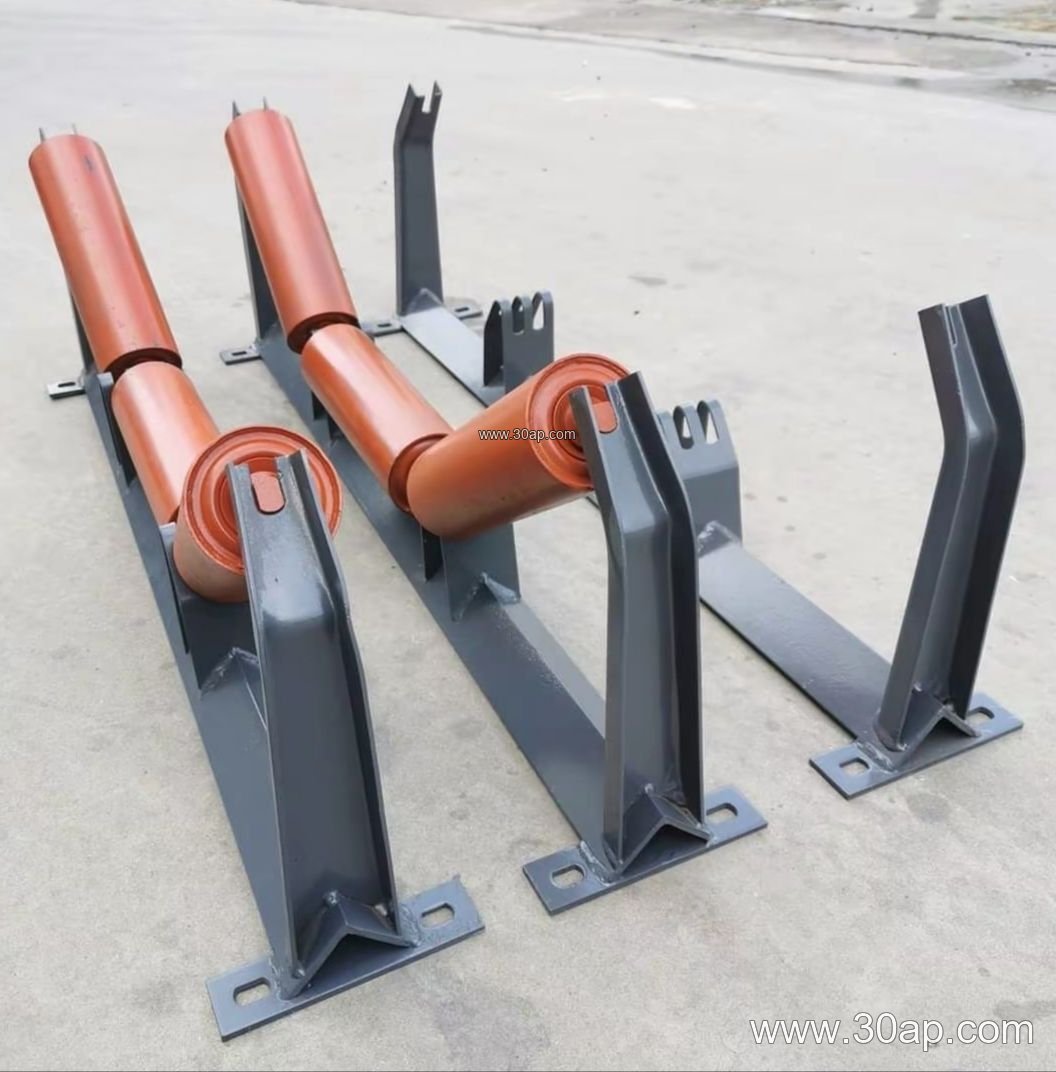
- Angle steel: common for light to medium-duty brackets.
- Channel steel: offers higher rigidity for wider belts.
- Folded plate: allows complex shapes and weight reduction.
Key Parameters and Fit
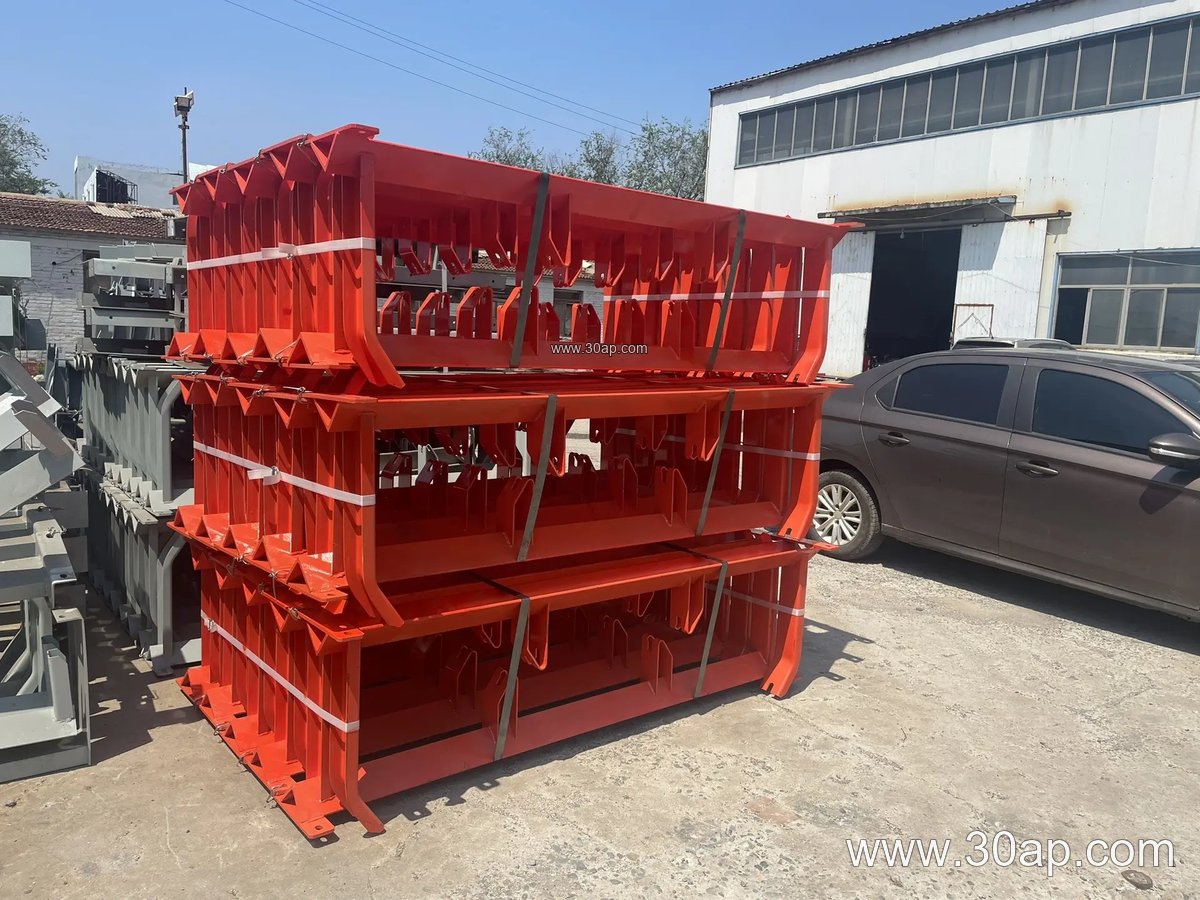
When specifying a custom conveyor bracket, several parameters must be defined. Belt width is a primary driver: brackets are commonly made for B500, B650, B800, B1000, B1200, B1400, B1600, B1800, B2000, and B2200. Trough angles of 20°, 30°, 35°, and 45° are typical, with adjustable brackets allowing change between these angles. Roller diameters such as Ø89, Ø108, Ø133, Ø159, and Ø194 are frequently used. The table below shows some illustrative combinations, but these are not fixed rules—each design should be confirmed with the actual conveyor layout.
| Belt Width | Trough Angle | Roller Diameter | Typical Bracket Type |
|---|---|---|---|
| B800 | 35° | Ø108 | Troughing bracket |
| B1000 | 30° | Ø133 | Transition bracket |
| B1200 | 45° | Ø133 | Adjustable bracket |
| B1400 | 35° | Ø159 | Impact bracket |
| B1600 | 30° | Ø194 | Return bracket |
Note that hole spacing and crossbeam length vary with belt width and trough angle. A bracket for a 1200mm wide conveyor belt will not fit a 650mm belt without modification. Similarly, the shaft diameter is not determined by belt width alone; it depends on the idler roller selected and the load requirements.
Where Custom Conveyor Brackets Are Used
These brackets appear in many bulk handling industries. In a limestone quarry, they support the conveyor belt through the crushing and screening circuit. In a coal preparation plant, they hold idlers that carry coal mining conveyor belts, often with flame retardant properties. Cement plants use them on clinker and raw material conveyors, where heat resistant conveyor belts may be required. Power plant coal handling systems rely on sturdy brackets to keep the belt tracking correctly. Other applications include port ship loading, steel plant sinter lines, and aggregate yards. The bracket must suit the belt type—whether it is an abrasion resistant conveyor belt, an oil resistant conveyor belt, or a chevron conveyor belt for inclined sections.
Selection and Maintenance Tips
Buyers should consider the following when ordering custom conveyor brackets:
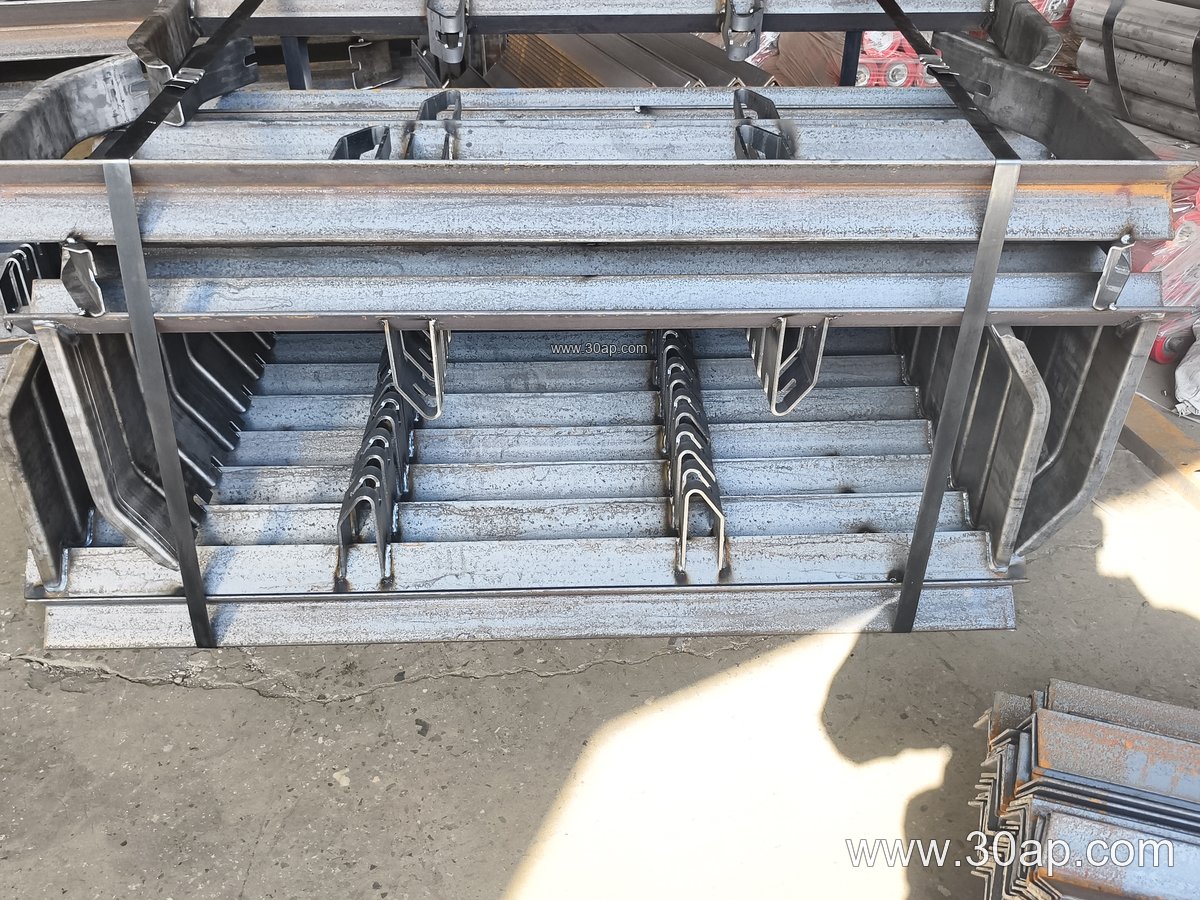
- Belt width and trough angle: Confirm the exact geometry needed for your conveyor. Adjustable brackets offer flexibility if the angle may change.
- Roller diameter and shaft size: Match the bracket holes to the idler roller shaft. Do not assume a shaft size from belt width.
- Load and impact: In crusher discharge points, use impact brackets with reinforced construction.
- Environment: For corrosive or wet conditions, specify galvanized or painted finishes.
- Compatibility: Ensure the bracket fits the existing conveyor frame and aligns with the pulley positions.
Regular inspection of brackets for wear, deformation, or loose bolts helps prevent belt misalignment and extends the life of the conveyor belt and idler rollers. Replacing a worn bracket promptly avoids damage to the belt edge and reduces downtime.
Related Components
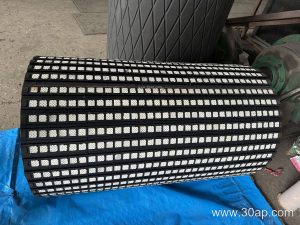
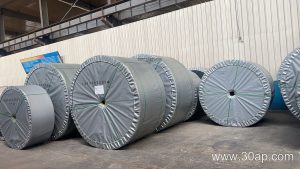
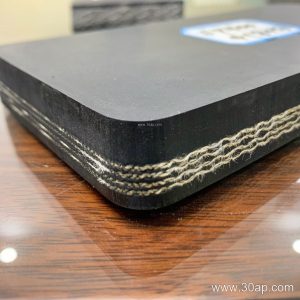
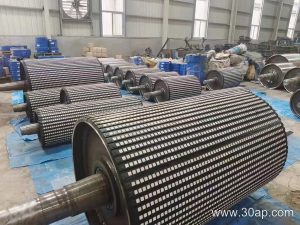
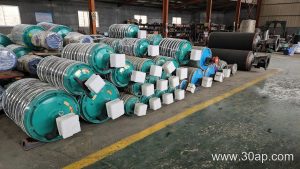
A custom conveyor bracket works together with other components such as the conveyor pulley, conveyor belt, and idler roller. For a complete system, these parts must be selected as a set. Whether you operate a small aggregate line or a large underground mining conveyor belt system, properly designed brackets contribute to smooth operation and reduced maintenance.